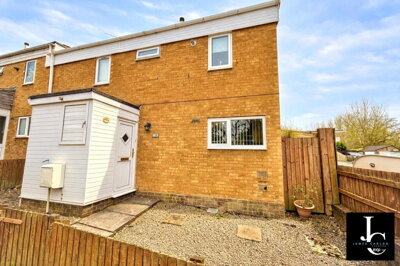
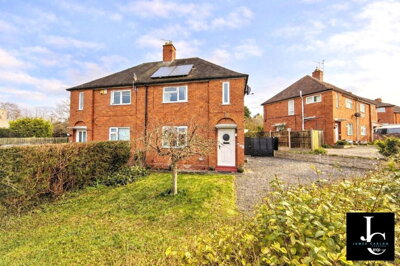
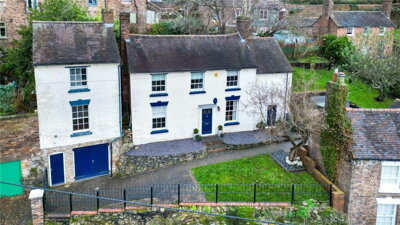
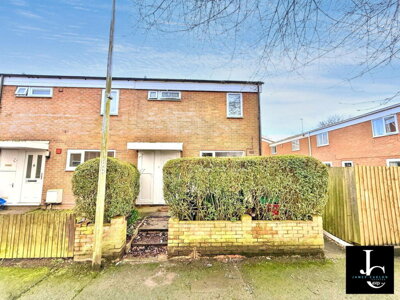
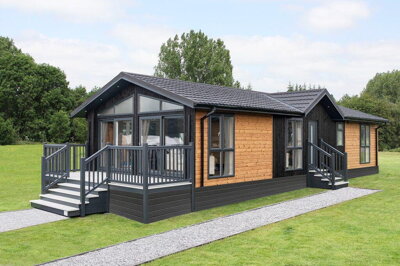
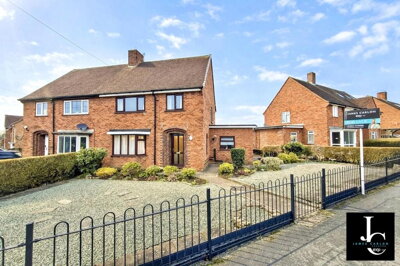
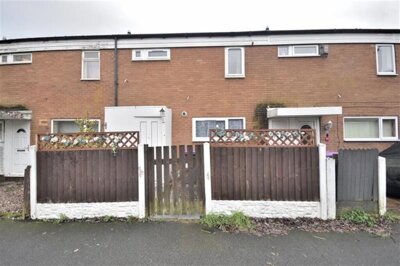
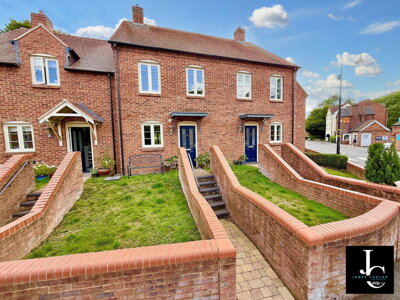
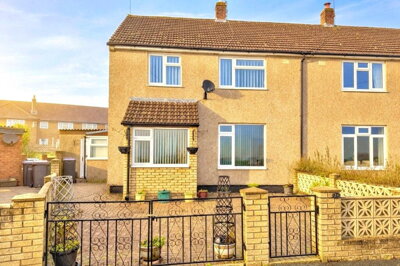
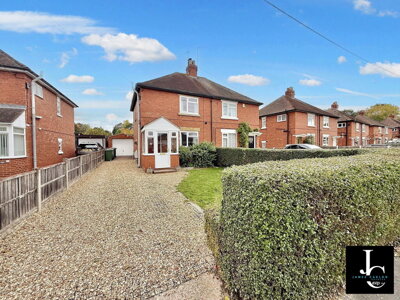
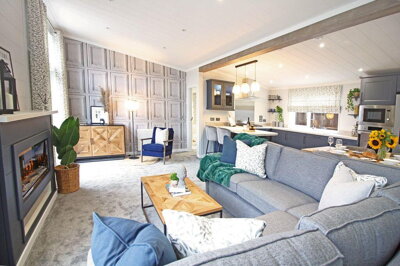
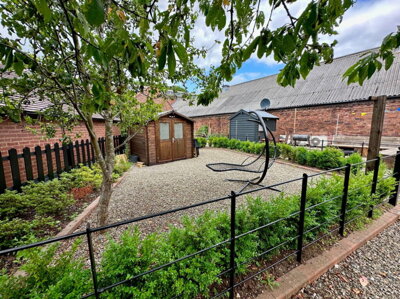
Browse 283 homes for sale in Barrow from local estate agents.
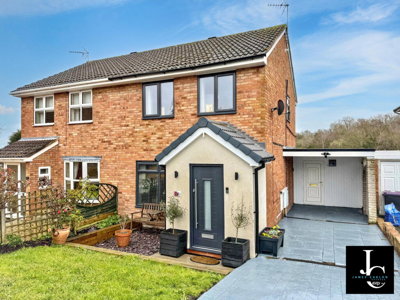
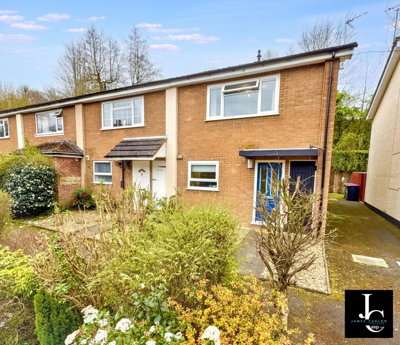
The Barrow-in-Furness property market presents a compelling opportunity for buyers seeking value without sacrificing quality or connectivity. Detached homes command an average price of around £331,000, while semi-detached properties typically sell for approximately £222,000. The most accessible entry point comes through terraced housing, which makes up 52% of the local stock and averages just £120,000. Flat owners can expect to pay around £143,000 for a property in this coastal town. These prices reflect significant affordability against the national average, with local income-to-price ratios of approximately 1:4 compared to the England average of 8:0.
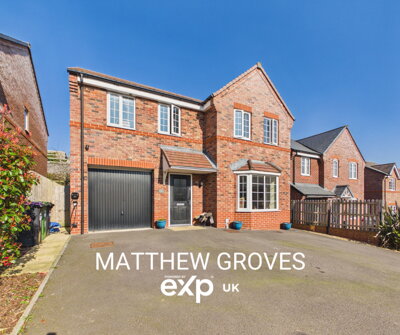
Recent market activity shows 667 residential property sales completed over the past twelve months, though this represents a 21% decrease from the previous year as stock levels tighten. Despite reduced transaction volumes, prices have remained resilient with growth of 2% to 7.4% annually. New build developments are adding fresh inventory to the market, including Abbey Heights on Dalton Lane featuring three, four, and five-bedroom homes priced from £450,000 to £635,000. The Marina Village regeneration project continues to transform the docklands area, while developments at Bamburgh Close offer three and four-bedroom family homes from £199,995.
For buyers seeking larger family homes, developments like Park View and Bevan House in the LA13 postcode area provide options with detached and semi-detached properties priced from £285,000 to £475,000. Properties at Gosforth Crescent and Stackwood Avenue offer four and six-bedroom options, while those at Lemington Close provide three-bedroom family homes. The strong employment base at BAE Systems continues attracting buyers who require more space, supporting demand for these premium new build options.

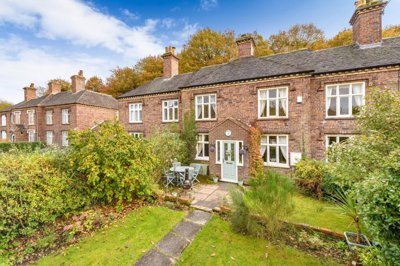
Barrow-in-Furness carries a unique character shaped by its industrial origins and coastal setting. The town grew rapidly during the Victorian era following the discovery of iron ore in the Furness peninsula, and that boom left an enduring architectural legacy. Approximately 45% of the current housing stock dates from before 1919, with well-preserved Victorian and Edwardian terraces dominating residential areas. Local sandstone features prominently in historic buildings, including the Town Hall and the docks, while the imposing red walls of Furness Abbey north of the town remind residents of centuries of history. The tenements built for shipyard workers in the 1880s remain standing today, the durability of traditional construction methods that used local brick and stone.
Ship Street Tenements, constructed between 1881 and 1884 from brick, housed generations of workers at the shipyard. The local brick and tile works in Hindpool and Ormsgill supplied materials for much of the Victorian expansion, producing common and facing bricks that still define the townscape. Cottages and farmhouses in Newbarns and Ormsgill date back to the early 17th century, while Rampside Hall stands as a Grade I listed building from the 1600s. This layered history creates a diverse built environment where 17th-century farmsteads sit alongside Victorian terraces and 21st-century developments.
The local economy centres on manufacturing, which accounts for 29% of all jobs, nearly four times the national average, largely driven by BAE Systems and its submarine manufacturing facility. Average full-time earnings of £36,300 significantly exceed the national figure of £31,800, providing residents with spending power that belies the modest property prices. The population of 55,489 has seen slight decline of 2.4% since 2011, and the median resident age of 44 reflects a mature community. Families appreciate the range of local amenities, while the presence of the Dock Museum and proximity to the Lake District offer cultural and recreational opportunities. Coastal communities on Walney Island and at Rampside provide beaches and nature reserves within minutes of the town centre.
Families considering a move to Barrow-in-Furness will find a comprehensive educational infrastructure spanning primary through secondary phases. The town hosts several primary schools serving distinct catchment areas, with institutions like Barrow Island Community Primary School serving the historic industrial area. Secondary education options include prominent schools such as Barrow-in-Furness Academy, which offers GCSE and A-Level programmes for students aged 11 to 18. Parents should research individual school performance data and admission policies, as catchment boundaries can significantly influence which institution children attend. The presence of faith schools provides additional choice for families seeking religious education within the state system.
Further and higher education opportunities in the area include Furness College, which provides vocational qualifications and apprenticeships relevant to local industries including manufacturing and engineering. Students seeking university degrees can access courses through partnerships with larger institutions or travel to Lancaster, approximately 45 minutes away by train. The strong engineering sector at BAE Systems creates pathways for young people interested in pursuing technical careers, with the company actively recruiting apprentices and graduates. When purchasing property in Barrow-in-Furness, buyers with school-age children should confirm current catchment arrangements with Westmorland and Furness Council, as admission policies can change and significantly affect property desirability in certain streets.
Transport connectivity defines Barrow-in-Furness as a practical location for commuters and families alike. The railway station offers direct services to Lancaster, taking approximately 45 minutes, with onward connections to Preston and Manchester providing access to major employment centres. London Euston can be reached in around three hours by changing at Lancaster or Preston. Bus services operated by Stagecoach connect residential areas with the town centre, with routes extending to surrounding villages including Dalton-in-Furness and Askam-in-Furness. For those travelling by car, the A590 trunk road provides the main route inland, connecting to the M6 motorway at Kendal.
Walney Island, accessible via two bridges, offers a distinct community within the wider Barrow area and provides access to coastal walks and wildlife reserves. Barrow's location at the tip of the Furness peninsula means distances to surrounding towns require circuitous routing, with Barrow serving as the natural terminus for journeys in any direction. The town does have a small airport offering limited regional flights, though most residents use Manchester or Liverpool airports for international travel. Daily commuters should factor journey times carefully, as the geographic position means London is approximately three and a half hours away by train. For remote workers, ultrafast broadband availability varies by neighbourhood, so prospective buyers should verify connection speeds at specific addresses.
Before arranging viewings, spend time exploring different areas of Barrow-in-Furness. Consider proximity to your workplace, schools if relevant, and local amenities. Each neighbourhood offers distinct advantages, from Victorian terraces near the waterfront to modern developments on the outskirts.
Speak to a mortgage broker to obtain an agreement in principle before viewing properties. This demonstrates your financial credibility to estate agents and sellers, particularly important in competitive situations. Local mortgage advisors understand Barrow income profiles and can advise on products suited to local employment patterns at BAE Systems and the wider manufacturing sector.
Book viewings through Homemove listings to see properties across the price range. Our database connects you directly with estate agents active in Barrow-in-Furness, including those specialising in the new build developments at Abbey Heights, Marina Village, and Bamburgh Close.
Once your offer is accepted, instruct a RICS Level 2 Home Survey. Given that 45% of Barrow housing stock dates from before 1919, a thorough survey is essential to identify potential issues with damp, roofing, or structural movement common in older properties. Our team of qualified surveyors understand local construction methods using sandstone and brick, and can assess the specific risks associated with properties in mining areas.
Choose a conveyancing solicitor to handle the legal transfer of ownership. They will conduct searches with Westmorland and Furness Council, check for planning restrictions, and manage the complex documentation involved in purchasing property in this historic town. Flood risk searches and mining records should be specifically requested given the local geology.
After satisfactory survey results and mortgage offer, you will exchange contracts and pay your deposit. Completion typically follows within weeks, when you receive the keys and become the legal owner of your new Barrow home.
Purchasing property in Barrow-in-Furness requires awareness of several local-specific factors that differ from other UK markets. The high proportion of pre-1919 properties means buyers should pay particular attention to construction quality and maintenance history. Solid-walled Victorian and Edwardian homes lack cavity insulation and modern damp-proof courses, making damp assessment essential during any survey. Signs of penetrating damp through ageing brickwork, rising damp at low levels, and condensation issues frequently appear in older stock. The local sandstone and brick construction methods require specialist understanding, and Homemove strongly recommends a RICS Level 2 Survey or Building Survey for properties over 50 years old.
Our inspectors frequently identify timber defects including rot or woodworm where ventilation has been compromised, and outdated electrical systems with original wiring that fails to meet current safety standards. The Furness peninsula has a mining history dating back to the 1860s, with extensive iron and haematite extraction in areas around Askam, Lindal, Dalton, and Park. Historic extraction voids can cause ground instability, particularly at Hodbarrow where slurry injection was required to prevent subsidence. Buyers should request mining records and consider a structural engineer's assessment for properties in affected areas.
Flood risk varies across the area, with the principal concern being surface water flooding throughout the borough. Tidal and coastal flooding affects areas on Walney Island, particularly near Rampside and Roa Island, and the borough has been identified among the five worst-hit areas in the UK for coastal erosion with beaches retreating at five times the national average. Our surveyors check the Environment Agency flood risk maps for specific postcodes and consider properties at higher elevations where possible. Walney Island can become cut off during storm events, so buyers should factor this into their assessment of accessibility and emergency access.
Several conservation areas exist within Barrow-in-Furness, including Barrow Island, Central Barrow, and St George's Square, where properties are subject to stricter planning controls affecting alterations and extensions. All three conservation areas have been identified as being in poor condition with deteriorating trends, requiring careful consideration for buyers planning modifications. The 274 listed buildings in the area, including eight Grade I structures, require listed building consent for most changes. Buyers interested in period properties should verify whether any proposed modifications would require consent and budget for the additional costs of specialist surveys that heritage properties often require.
Service charges and leasehold arrangements for flats merit careful examination, as some purpose-built blocks may have significant maintenance reserves or cladding issues requiring investigation. Our team can recommend appropriate survey types based on the specific property and its construction era, ensuring buyers have comprehensive information before completing their purchase.
The average house price in Barrow-in-Furness stands at approximately £176,000 to £197,000 depending on the data source consulted. Detached properties average around £331,000, semi-detached homes approximately £222,000, terraced properties around £120,000, and flats approximately £143,000. Prices have risen by 2% to 7.4% over the past year, showing steady growth in this affordable Cumbrian market. First-time buyers can access terraced properties at accessible price points, while family homes in good condition command prices reflecting local demand from BAE Systems employees.
Properties in Barrow-in-Furness fall within council tax bands set by Westmorland and Furness Council. Bands range from A through to H, with most Victorian terraced homes typically falling in bands A to C, and larger detached properties in higher bands. You can verify the specific band for any property through the Westmorland and Furness Council website or the Valuation Office Agency listing. Council tax funds local services including education, waste collection, and road maintenance across the Furness peninsula.
Barrow-in-Furness offers education options from primary through to further education, with schools including Barrow-in-Furness Academy for secondary education and Furness College for vocational courses. The quality of individual schools varies, and parents should consult recent Ofsted reports and performance tables when evaluating catchments. Some primary schools such as Barrow Island Community Primary School serve specific communities, while others draw from wider catchment areas. The availability of grammar school options depends on current admission arrangements set by Westmorland and Furness Council.
Barrow-in-Furness railway station provides direct train services to Lancaster in approximately 45 minutes, with onward connections to Manchester, Preston, and London. Bus services operated by Stagecoach connect the town centre with surrounding villages and residential areas. The geographic position at the tip of the Furness peninsula means that journeys to other major towns require routing through the A590 inland road. Daily commuters to Manchester should expect train journeys of approximately two to two and a half hours.
Barrow-in-Furness presents a compelling investment case due to its exceptional affordability and strong employment fundamentals. BAE Systems continues investing in its submarine manufacturing facility, bringing skilled workers who create sustained demand for quality housing. Rental demand exceeds supply, particularly for family homes near employment centres, and the local income-to-price ratio of 1:4 makes mortgage costs highly manageable. Capital growth has been modest but steady, with prices rising 2-7% annually. However, investors should note the population has declined slightly and any investment should account for local market liquidity.
Stamp Duty Land Tax rates for England apply to purchases in Barrow-in-Furness. Standard rates are 0% on the first £250,000, 5% on £250,001 to £925,000, 10% on £925,001 to £1.5 million, and 12% above £1.5 million. First-time buyers benefit from relief on the first £425,000, paying 5% between £425,001 and £625,000, with no relief above £625,000. Given the average Barrow property price of £176,000, most buyers purchasing at average prices will pay minimal or no stamp duty, significantly reducing overall purchase costs compared to properties in higher-priced regions.
Barrow-in-Furness has over 270 listed buildings, including eight Grade I structures such as Furness Abbey and Piel Castle. The town has four designated conservation areas: Barrow Island, Central Barrow, St George's Square, and Furness Abbey. Properties in these areas face stricter planning controls affecting external alterations, extensions, and listed building consent requirements. All three residential conservation areas have been identified as being in poor condition with deteriorating trends, which can affect property maintenance and values. Our team can recommend specialist surveys for heritage properties to assess their condition and any remedial work required.
Historic iron ore mining across the Furness peninsula has left underground voids that can cause ground instability in some areas. Locations around Askam, Lindal, Dalton, Park, and Hodbarrow are particularly affected, with Hodbarrow requiring extensive remediation work to prevent subsidence. Our surveyors recommend requesting mining records from the Coal Authority for any property in these areas and considering a structural engineer's assessment where mining history is significant. Properties with historic mining activity may require specialist insurance and should be thoroughly assessed before purchase.
Barrow-in-Furness has been identified as one of the five worst-hit areas in the UK for coastal erosion, with beaches retreating at five times the national average rate. Walney Island is particularly exposed, with erosion affecting areas near Askam Waste Water Treatment Works and Piel Castle. Properties on Walney Island, particularly in low-lying areas near Biggar, face increased flood risk from sea-level rise and storm events. Our surveyors check Environment Agency coastal erosion data for specific postcodes and advise buyers to factor these risks into their purchasing decisions and insurance requirements.
One of the most attractive aspects of buying property in Barrow-in-Furness is the relatively low stamp duty exposure due to the area's affordable price levels. A property purchased at the current average price of £176,000 would incur no stamp duty for a standard buyer, saving approximately £3,325 compared to the same transaction in many southern England locations. First-time buyers purchasing at average prices pay nothing in stamp duty, maximising their budget for deposit and moving costs. Even buyers purchasing the new build homes at Abbey Heights priced up to £635,000 would only face stamp duty on the amount exceeding the first-time buyer threshold of £425,000.
Beyond stamp duty, buyers should budget for survey costs, legal fees, and mortgage arrangement fees when calculating their total purchase expenditure. RICS Level 2 Surveys in Barrow-in-Furness typically cost between £350 and £600 for a standard family home, rising to £900 or more for larger detached properties. Conveyancing fees generally start from around £499 for standard transactions, though leasehold properties or those with complex titles may cost more. Mortgage arrangement fees vary by lender but commonly range from £500 to £1,500, though many lenders offer cashback or fee-free deals. The total buying costs for a typical Barrow property typically amount to 2-3% of the purchase price, significantly lower than equivalent costs in higher-value markets where stamp duty alone can exceed £10,000.
Properties for Sale In London

Properties for Sale In Plymouth

Properties for Sale In Liverpool

Properties for Sale In Glasgow

Properties for Sale In Sheffield

Properties for Sale In Edinburgh

Properties for Sale In Coventry

Properties for Sale In Bradford

Properties for Sale In Manchester

Properties for Sale In Birmingham

Properties for Sale In Bristol

Properties for Sale In Oxford

Properties for Sale In Leicester

Properties for Sale In Newcastle

Properties for Sale In Leeds

Properties for Sale In Southampton

Properties for Sale In Cardiff

Properties for Sale In Nottingham

Properties for Sale In Norwich

Properties for Sale In Brighton

Properties for Sale In Derby

Properties for Sale In Portsmouth

Properties for Sale In Northampton

Properties for Sale In Milton Keynes

Properties for Sale In Bournemouth

Properties for Sale In Bolton

Properties for Sale In Swansea

Properties for Sale In Swindon

Properties for Sale In Peterborough

Properties for Sale In Wolverhampton

Enter your details to see if this property is within your budget.
Loans, cards, car finance
Estimated property budget
Borrowing + deposit
You could borrow between
Typical borrowing
Monthly repayment
Est. at 4.5%
Loan-to-value
This is an estimate only. Your actual budget may vary depending on interest rates, credit history, and personal circumstances. For an accurate affordability assessment, speak to one of our free mortgage advisors.
This calculator provides estimates for illustrative purposes only and does not constitute financial advice. Your home may be repossessed if you do not keep up repayments on your mortgage. Estimates based on 4.5% interest rate, repayment mortgage. Actual rates depend on your circumstances.
Homemove is a trading name of HM Haus Group Ltd (Company No. 13873779, registered in England & Wales). Homemove Mortgages Ltd (Company No. 15947693) is an Appointed Representative of TMG Direct Limited, trading as TMG Mortgage Network, which is authorised and regulated by the Financial Conduct Authority (FRN 786245). Homemove Mortgages Ltd is entered on the FCA Register as an Appointed Representative (FRN 1022429). You can check registrations at NewRegister or by calling 0800 111 6768.

We use cookies to show you personalised content and improve your experience of our website. Find out more in our Privacy policy and Cookie policy.