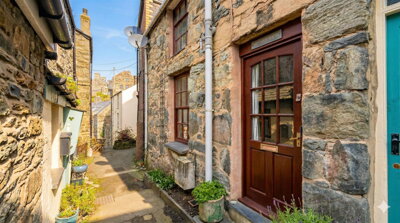
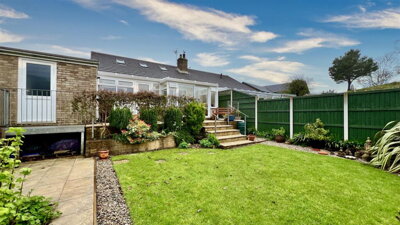
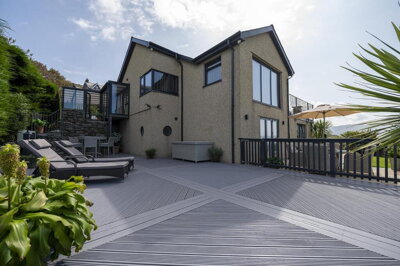
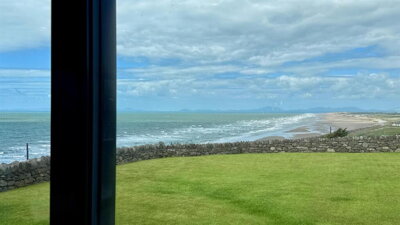
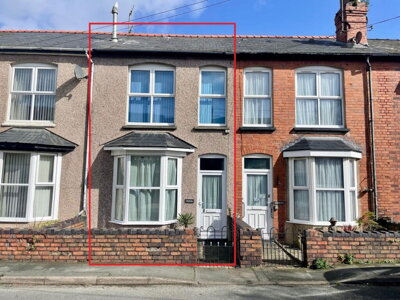
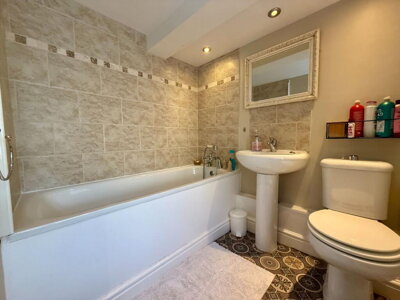
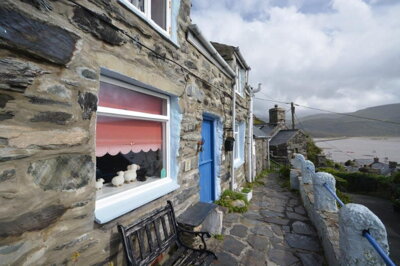
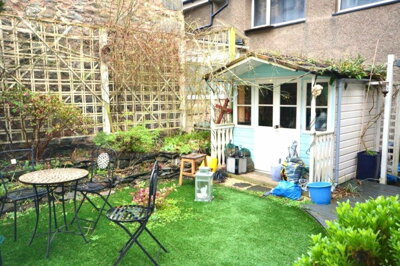
Browse 8 homes for sale in Barmouth, Gwynedd from local estate agents.
The 2 bed house market features detached, semi-detached, and terraced properties with two separate bedrooms plus living spaces. Properties in Barmouth range from Victorian and Edwardian period homes to modern new builds, with pricing varying across different neighbourhoods.
£220k
3
0
93
Source: home.co.uk
Showing 3 results for 2 Bedroom Houses for sale in Barmouth, Gwynedd. The median asking price is £219,999.
Source: home.co.uk
Terraced
2 listings
Avg £195,000
Detached
1 listings
Avg £599,950
Source: home.co.uk
Source: home.co.uk
The Barmouth property market has shown steady growth over the past twelve months, with average prices increasing by approximately 5% across all property types. Detached properties have performed strongest with a 6% rise, reflecting strong demand from families and those seeking spacious homes with coastal views. The overall average price of £265,000 positions Barmouth competitively against other coastal towns in North Wales, offering relative affordability compared to hotspots like Abersoch or parts of Anglesey. This price point makes Barmouth accessible to a wider range of buyers while still delivering the benefits of a stunning coastal location with mountain views.
Property types in Barmouth span a wide range to suit different buyer requirements. Terraced properties, many dating from the Victorian and Edwardian periods, form the backbone of the local housing stock and typically sell for around £195,000. These period terraces along Marine Parade and the historic town centre often feature original sash windows, fireplaces, and exposed stonework that appeal to buyers seeking character properties. Semi-detached homes command prices near £220,000, offering more space for families with the added benefit of gardens and off-street parking that terraced properties sometimes lack. Flats start from approximately £150,000, making them an accessible entry point to the local market for first-time buyers or those seeking a holiday let investment.
New build activity in the LL42 postcode area remains limited, with most transactions involving period properties that bring character but also require careful consideration of their condition and potential maintenance needs. The predominant construction materials in Barmouth include local stone, often slate or granite, alongside rendered finishes over stone or brick. Welsh slate roofing is a feature of many older properties, though replacement of traditional slates with modern alternatives is common where original materials have deteriorated. Buyers should budget for the possibility of essential maintenance work when purchasing older properties, particularly those with original features that may need updating to meet modern standards.

Life in Barmouth revolves around the natural beauty that surrounds the town on all sides. The Mawddach Estuary provides a stunning backdrop for daily life, with its tidal waters reflecting the peaks of Cadair Idris on clear days. The population of approximately 2,500 residents benefits from a close-knit community atmosphere where neighbours know each other and local events draw good attendances throughout the year. The town has adapted its traditional maritime economy towards tourism while maintaining the facilities that permanent residents need for everyday living, including a medical centre, pharmacy, and convenience stores.
The local economy depends heavily on tourism, which supports numerous shops, cafes, pubs, and guesthouses throughout the town. This seasonal pattern means the population swells significantly during summer months when holidaymakers arrive to enjoy the beaches, coastal walks, and mountain trails. The Wales Coast Path passes directly through Barmouth, making the town a popular stop for walkers completing the long-distance trail that traces the entire Welsh coastline. Cadair Idris, one of Wales's most iconic mountains, is visible from many parts of the town and offers several walking routes suitable for different abilities, from gentle paths around the foothills to challenging scrambles to the summit.
The high proportion of holiday lets and second homes in the area reflects the desirability of Barmouth as a retreat, though it also affects the housing market dynamics for those seeking permanent residences. According to Census data, a significant portion of the housing stock is used for holiday accommodation rather than permanent occupation, which can limit the availability of properties for full-time residents. This factor contributes to the tight-knit nature of the permanent community while also supporting the local economy through year-round trade from visitors and part-time residents. Local amenities include convenience stores, a pharmacy, medical centre, and several pubs serving fresh local produce, with larger supermarkets and services available in the nearby town of Dolgellau.

Education provision in Barmouth serves families with children of all ages through a network of local schools and colleges in the surrounding area. Primary education is available at Ysgol Gynradd Barmouth, a Welsh-medium primary school that provides education for children aged 3 to 11 years. The school has a strong reputation in the local community and supports children in developing bilingual skills in both Welsh and English, reflecting Gwynedd's proud linguistic heritage. Parents considering schools should verify current Estyn inspection ratings and catchment area boundaries, as these can influence which schools children can attend and should be researched thoroughly before committing to a property purchase in a specific area.
Secondary education options for Barmouth residents include schools in nearby towns such as Dolgellau and Tywyn, with pupils typically travelling by school bus to reach their institutions. Ysgol Bro Dysynni in Tywyn serves surrounding communities and offers GCSE and A-level qualifications, with students from Barmouth regularly attending alongside those from other coastal villages. The journey time from Barmouth to Tywyn by bus is approximately 30 minutes, while Dolgellau is around 15 minutes in the opposite direction, meaning families should consider transport logistics when evaluating secondary school options. For families prioritising secondary school placement, researching specific school performance data and admission policies before purchasing property is essential.
Higher education and further education facilities are accessible in larger towns like Bangor and Aberystwyth, with regular bus and rail connections linking Barmouth to these centres for older students. Bangor University is approximately an hour's drive or accessible by train via the Cambrian Coast Line, while Aberystwyth University is further south but reachable by rail. For younger children, Barmouth also has a community-run playschool and childcare facilities that complement the statutory education provided by Ysgol Gynradd Barmouth. The presence of Welsh-medium education options reflects Gwynedd's commitment to preserving the Welsh language, with many families choosing Barmouth specifically for its bilingual schooling provision.
Barmouth railway station provides regular connections along the Cambrian Coast Line, offering scenic journeys north to Pwllheli and south towards Machynlleth, Shrewsbury, and beyond. Direct services to Birmingham New Street take approximately three hours, making day trips to major English cities feasible while maintaining a coastal lifestyle. The train journey itself is regarded as one of the most spectacular in Britain, passing through mountains and across the famous Barmouth Bridge that spans the estuary. This heritage railway bridge, constructed in 1865, is a Grade II* listed structure and carries both rail and pedestrian traffic, offering walkers and cyclists stunning views of the estuary and surrounding mountains.
Bus services supplement rail options, connecting Barmouth with neighbouring villages and towns across Gwynedd. The TrawsCymru bus network provides connections to larger towns including Dolgellau, where passengers can access additional services to Bala, Machynlleth, and other destinations across Mid and North Wales. For daily commuting to major employment centres, Barmouth's connectivity is limited compared to towns with direct motorway access, with journey times to Manchester or Birmingham typically exceeding three hours by public transport. This factor makes Barmouth more suitable for those working remotely, retirees, or those whose employment is locally based rather than commuters requiring daily access to major cities.
Road access to Barmouth is via the A496 coastal road, which connects the town to Dolgellau to the east and Harlech to the north. The A470 trunk road provides access into the heart of North Wales and down to the M6 motorway via Corwen and Llangollen, though journey times to major English cities are lengthy compared to more centrally located towns. Parking in the town centre can be challenging during peak tourist season, which is worth noting for those planning to commute by car regularly. Cycling infrastructure has improved in recent years, with the Wales Coast Path providing traffic-free routes for leisure and commuting purposes, while the nearby mountain trails attract cyclists seeking more challenging routes.
Explore current property listings and recent sales data to understand what your budget can buy in different neighbourhoods of Barmouth. Consider factors such as proximity to the seafront, conservation area restrictions, and flood risk when narrowing your search. The Barmouth Conservation Area covers the historic town centre, harbour, and parts of the seafront, meaning many properties are subject to planning restrictions that affect alterations and extensions. Properties close to the Mawddach Estuary may face elevated flood risk, so reviewing Environment Agency flood maps and local flood history is essential before committing to a purchase in certain areas.
Contact lenders or mortgage brokers to obtain an agreement in principle before viewing properties. Having your finances arranged demonstrates seriousness to sellers and speeds up the process once you find your ideal home. Several specialist coastal property lenders understand the unique factors affecting properties in tidal locations and holiday let markets, which can be relevant given Barmouth's high proportion of holiday accommodation. Getting your agreement in principle early helps you understand your true budget and avoids disappointment when viewing properties at the top end of your range.
Visit multiple properties to compare their condition, especially given that many Barmouth homes are Victorian or Edwardian constructions with potential issues like damp, timber defects, or aging roof coverings. Viewings are best arranged when the property has been vacated and you can inspect areas thoroughly without furniture obscuring walls and floors. Pay particular attention to ground floor rooms given the potential for damp penetration in coastal properties, and check window frames, door frames, and skirting boards for signs of decay or rot. We recommend visiting properties in different weather conditions if possible, as some defects become more apparent during wet or windy periods.
Commission a homebuyer report before proceeding with your purchase. For older properties common in Barmouth, this survey can identify defects such as slate roof deterioration, salt contamination from the coastal environment, or damp-proof course failures that may not be visible during viewings. Given that well over 70% of Barmouth's housing stock is over 50 years old, a professional survey is particularly valuable in this area. Our team works with qualified RICS surveyors who understand the specific challenges posed by coastal properties, including the effects of salt-laden air on masonry and the common defects found in traditional Welsh construction.
Appoint a solicitor experienced in Welsh property transactions to handle the legal work, including local searches for flood risk, planning restrictions, and any mining history that might affect older properties. While large-scale coal mining is not a concern in Barmouth, historical lead and slate mining in the wider Gwynedd area means a mining search is advisable for older properties. Your solicitor will also conduct searches regarding the Barmouth Conservation Area and any listed building designations that may affect your plans for the property.
Once all searches are satisfactory and your mortgage offer is confirmed, your solicitor will coordinate the exchange of contracts and set a completion date for your move into your new Barmouth home. Factor in additional time for any issues identified in your survey that require negotiation with the seller, as defect remediation or price adjustments are common in older coastal properties. Moving to Barmouth offers the reward of joining a welcoming community in one of Wales's most scenic coastal locations, with excellent walking, cycling, and outdoor pursuits on your doorstep.
Properties in Barmouth face specific environmental challenges that buyers should carefully evaluate before committing to a purchase. The coastal location means many homes are exposed to driving rain and salt-laden air, which can accelerate wear on external finishes and building fabric. Signs of damp are particularly common in older properties and may indicate issues with original damp-proof courses or inadequate ventilation. The Cambrian and Ordovician geology underlying Barmouth generally presents a low shrink-swell clay risk, but localised issues can arise from poor drainage, leaking services, or historical mining activity in surrounding areas. A thorough survey by a qualified RICS surveyor is essential for any property in this area, especially those built before 1970 when construction standards differed significantly from today.
The Barmouth Conservation Area covers the historic town centre, harbour, and parts of the seafront, meaning many properties are subject to planning restrictions that affect alterations and extensions. Listed buildings require consent from Gwynedd Council for any external changes, and materials used for repairs must match or complement the original construction. There is a notable concentration of Grade II listed buildings including many Victorian and Edwardian terraced houses, hotels, and public buildings particularly along Marine Parade and in the older parts of the town. For listed properties, a RICS Level 3 Building Survey is generally recommended due to the age, complex construction, and specialist repair requirements that characterise these heritage buildings.
Flood risk is a genuine consideration for properties close to the estuary or seafront, so reviewing flood search results and considering the property's elevation and history of flooding is crucial. Barmouth faces multiple flood risk sources including coastal flooding along the seafront and low-lying areas, fluvial flooding from the Mawddach Estuary and its tributaries, and surface water flooding during heavy rainfall. Properties with parking are highly desirable given the pressure on town centre parking during tourist season, and those with private gardens command premiums in this tight-knit community. The prevalence of holiday lets means properties suitable for this market may command higher prices and shorter void periods, which is worth considering when evaluating investment potential.
Common defects found in Barmouth properties include timber defects such as wet and dry rot where damp is present, deterioration of traditional slate roofs with slipped slates and defective lead flashing, and salt contamination affecting masonry and internal plasterwork. Properties built before 2000 may contain asbestos-containing materials in various forms including insulation, roofing materials, and floor tiles. Outdated electrics and plumbing systems in properties built before the 1980s often require upgrading to meet modern safety standards, which should be factored into renovation budgets. Properties directly on the seafront or cliffs may also be at risk from coastal erosion, which can undermine foundations over time.
The average house price in Barmouth stands at approximately £265,000 based on recent market data. Detached properties average around £325,000, semi-detached homes cost roughly £220,000, terraced properties sell for about £195,000, and flats start from £150,000. Prices have increased by around 5% over the past twelve months, with detached properties showing the strongest growth at 6% reflecting sustained demand for spacious coastal homes with views across the Mawddach Estuary towards Cadair Idris. The Barmouth market offers relative affordability compared to neighbouring coastal hotspots, making it an attractive option for buyers seeking value without sacrificing location.
Properties in Barmouth fall under Gwynedd Council's jurisdiction and are assigned council tax bands ranging from A to E depending on the property's value and type. Band A properties typically have the lowest annual charges, while larger Victorian houses or detached homes may be placed in higher bands reflecting their higher market values. Prospective buyers should verify the specific band for any property they are considering, as bands affect ongoing running costs and should be factored into the overall affordability calculation alongside mortgage payments and maintenance expenses.
Ysgol Gynradd Barmouth serves primary-aged children through Welsh-medium education, with a strong reputation in the local community and a commitment to bilingual teaching in Welsh and English. Secondary pupils typically attend schools in nearby towns such as Ysgol Bro Dysynni in Tywyn or Ysgol Henry Richard in Tregaron, with school bus services providing transport from Barmouth. When evaluating schools, parents should consult current Estyn inspection reports and understand local catchment area arrangements, as these determine school placement for residential addresses and can vary across the region.
Barmouth railway station offers regular services along the Cambrian Coast Line to destinations including Pwllheli, Machynlleth, and Shrewsbury, with connections to Birmingham and beyond. The scenic train journey is considered one of Britain's most beautiful rail routes, crossing the famous Barmouth Bridge estuary crossing. Bus services provide additional local transport options across Gwynedd, while the TrawsCymru network connects Barmouth with larger towns. However, journey times to major cities like Manchester or Birmingham are lengthy, typically exceeding three hours by public transport, so commuting prospects are limited compared to towns with direct motorway access.
Barmouth offers potential for property investment through holiday lets given strong tourism demand, though the prevalence of second homes in the area creates a competitive market. Holidaymakers regularly seek accommodation in the town for coastal walks along the Wales Coast Path and mountain excursions into the Snowdonia National Park, supporting rental income potential for well-positioned properties. However, buyers should be aware of seasonal income fluctuations and any local regulations affecting short-term rentals before committing to an investment purchase. The seasonal nature of tourism means income is concentrated in spring and summer months, with winter periods typically seeing reduced demand.
Standard SDLT rates apply to purchases in Barmouth as in the rest of Wales, with 0% charged on the first £250,000 of property value, 5% on the portion from £250,001 to £925,000, 10% up to £1.5 million, and 12% above that threshold. For a typical Barmouth property at the average price of £265,000, a buyer would pay approximately £750 in SDLT under standard rates. First-time buyers purchasing properties up to £425,000 pay no SDLT on that portion, meaning a first-time buyer at the average Barmouth price would pay no stamp duty at all.
The primary risks for property buyers in Barmouth relate to the age and coastal location of much of the housing stock. Many properties suffer from damp due to their exposure to rain and salt air, while timber defects including wet rot, dry rot, and woodworm are common in older buildings. Traditional slate roofs often require maintenance and eventual replacement, while properties close to the seafront face potential coastal flooding and erosion risks. Properties within the conservation area or those that are listed carry planning restrictions that limit alterations and require specialist consideration during surveys. We strongly recommend a full RICS survey before purchasing any property in Barmouth given the prevalence of these issues.
Barmouth has a significant concentration of listed buildings, particularly along Marine Parade and in the historic town centre where Victorian and Edwardian architecture dominates. The famous Barmouth Bridge railway crossing is itself Grade II* listed, while numerous hotels, public buildings, and residential properties carry listed status. Any external alterations to listed buildings require consent from Gwynedd Council, and materials used for repairs must match or complement original construction. These requirements can increase maintenance costs and limit renovation options, making a detailed survey essential for listed properties before purchase.
Purchasing a property in Barmouth involves several costs beyond the sale price that buyers should budget for well in advance. Stamp Duty Land Tax (SDLT) rates for standard purchases start at 0% on the first £250,000 of the property value, rising to 5% on amounts between £250,001 and £925,000. For a typical Barmouth property at the average price of £265,000, a buyer would pay approximately £750 in SDLT under standard rates, calculated as 5% of the £15,000 above the threshold. Your solicitor will calculate the exact amount based on your purchase price and buyer status, including any reliefs or additional rates that may apply.
First-time buyers purchasing properties up to £425,000 pay no SDLT on that portion, with 5% applying between £425,001 and £625,000. At the Barmouth average price of £265,000, a first-time buyer would pay no stamp duty at all, making this an attractive market for those taking their first step onto the property ladder. Legal costs for conveyancing typically start from around £499 for straightforward transactions, though complexity involving listed buildings, conservation area restrictions, or flood risk properties may increase fees. Additional searches including mining searches, flood risk assessments, and local authority searches typically cost between £200 and £400 depending on the property location and solicitor charges.
A RICS Level 2 Survey for a typical three-bedroom Barmouth property costs between £450 and £700, reflecting the need for thorough inspection of older coastal properties that may have hidden defects. Smaller properties such as flats may be surveyable from around £400, while larger or more complex properties including those with unusual construction or significant maintenance needs could cost £700 or more. Given the prevalence of Victorian and Edwardian properties in Barmouth with their associated risks of damp, timber defects, and aging infrastructure, the survey cost represents money well spent to identify any issues before purchase. Buyers should also account for mortgage arrangement fees, valuation costs, and moving expenses when planning their total budget for purchasing in this coastal town.
Properties for Sale In London

Properties for Sale In Plymouth

Properties for Sale In Liverpool

Properties for Sale In Glasgow

Properties for Sale In Sheffield

Properties for Sale In Edinburgh

Properties for Sale In Coventry

Properties for Sale In Bradford

Properties for Sale In Manchester

Properties for Sale In Birmingham

Properties for Sale In Bristol

Properties for Sale In Oxford

Properties for Sale In Leicester

Properties for Sale In Newcastle

Properties for Sale In Leeds

Properties for Sale In Southampton

Properties for Sale In Cardiff

Properties for Sale In Nottingham

Properties for Sale In Norwich

Properties for Sale In Brighton

Properties for Sale In Derby

Properties for Sale In Portsmouth

Properties for Sale In Northampton

Properties for Sale In Milton Keynes

Properties for Sale In Bournemouth

Properties for Sale In Bolton

Properties for Sale In Swansea

Properties for Sale In Swindon

Properties for Sale In Peterborough

Properties for Sale In Wolverhampton

Enter your details to see if this property is within your budget.
Loans, cards, car finance
Estimated property budget
Borrowing + deposit
You could borrow between
Typical borrowing
Monthly repayment
Est. at 4.5%
Loan-to-value
This is an estimate only. Your actual budget may vary depending on interest rates, credit history, and personal circumstances. For an accurate affordability assessment, speak to one of our free mortgage advisors.
This calculator provides estimates for illustrative purposes only and does not constitute financial advice. Your home may be repossessed if you do not keep up repayments on your mortgage. Estimates based on 4.5% interest rate, repayment mortgage. Actual rates depend on your circumstances.
Homemove is a trading name of HM Haus Group Ltd (Company No. 13873779, registered in England & Wales). Homemove Mortgages Ltd (Company No. 15947693) is an Appointed Representative of TMG Direct Limited, trading as TMG Mortgage Network, which is authorised and regulated by the Financial Conduct Authority (FRN 786245). Homemove Mortgages Ltd is entered on the FCA Register as an Appointed Representative (FRN 1022429). You can check registrations at NewRegister or by calling 0800 111 6768.

We use cookies to show you personalised content and improve your experience of our website. Find out more in our Privacy policy and Cookie policy.