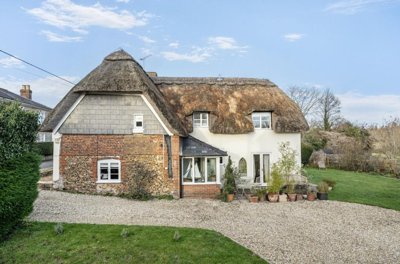
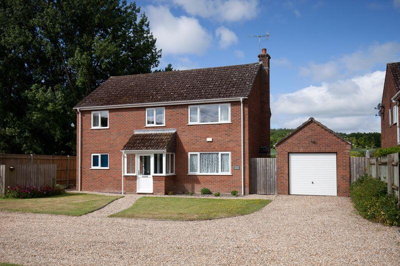
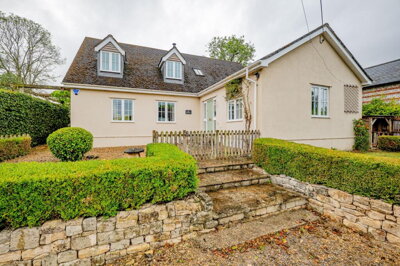
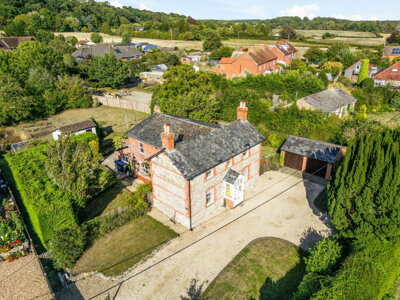
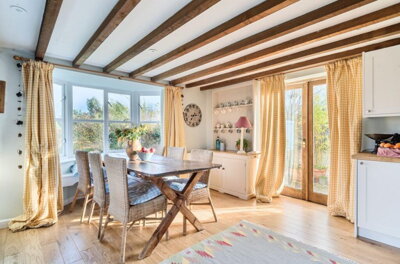
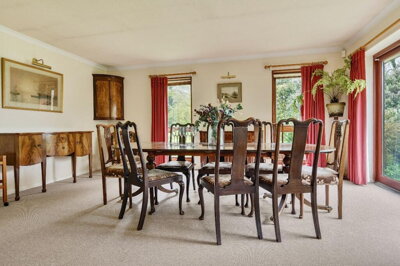
Browse 6 homes for sale in Barford St. Martin from local estate agents.
Martin from local agents. The larger property sector typically features multiple bathrooms, substantial reception space, and private gardens or off-street parking. Four bedroom houses in Barford St. Martin span detached, semi-detached, and occasionally terraced configurations, with styles ranging from period properties to modern executive homes.
87
Properties Sold (12 months)
£591,000
Average Sold Price
£732,500
Detached Average
£308,000
Semi-Detached Average
+62%
Price Change (12 months)
8 miles
Distance to Salisbury
The Barford St. Martin property market has demonstrated notable strength over recent years, with overall sold prices rising 62% compared to the previous year according to Rightmove data. While prices dipped approximately 18% from the 2023 peak of £719,167, the market has shown significant recovery, with OnTheMarket indicating a substantial rise in sold prices over the last twelve months. This pattern reflects the enduring appeal of village properties in south Wiltshire, where limited supply continues to support values even amid broader market fluctuations. For buyers, this trajectory suggests that purchasing in Barford St. Martin represents a sound investment in a location where demand consistently outstrips availability.
Property types in Barford St. Martin are predominantly detached homes, which averaged £732,500 in recent sales, making them the most common and valuable category in the village. Semi-detached properties fetched around £308,000 on average, offering more accessible entry points for buyers seeking village life at a lower price point. One notable terraced sale on West Street achieved £208,000, demonstrating that character cottages in the village can represent excellent value for first-time buyers or those looking to downsize. Our listings bring together these varied property types, helping you find a home that matches your budget and requirements in this sought-after Wiltshire village.
New build activity in Barford St. Martin remains limited, with the village largely retaining its historic character through traditional construction. One notable addition to the local market is a residential park home at Heath Farm Park, offering an alternative option for buyers seeking modern, low-maintenance accommodation within the village setting. The scarcity of new development helps preserve property values while maintaining the architectural heritage that makes Barford St. Martin distinctive among Wiltshire villages.

Understanding the construction methods used in Barford St. Martin's housing stock helps buyers appreciate the characteristics and potential maintenance requirements of village properties. The majority of older properties in the Wylye Valley area were built using traditional methods, with brick and flint construction being particularly common in Wiltshire's rural settlements. This combination of materials creates the distinctive appearance of period cottages and farmhouses throughout the village, with the flint providing structural strength and the brick used for quoins, window surrounds, and chimneys.
Thatched roofs remain a feature of some properties in Barford St. Martin, adding to the village's picturesque character but requiring specialist maintenance and periodic re-thatching by craftsmen familiar with traditional techniques. Properties with original thatch will need regular inspection for weather damage, bird activity, and general wear. Many homes feature solid brick or stone walls without cavity insulation, which means they may be more susceptible to condensation and require attention to ventilation, particularly in rooms used for activities that generate moisture.
The foundations of period properties in the village typically sit on clay soils, which are common throughout this part of Wiltshire. Clay ground conditions can lead to shrink-swell movement during periods of dry weather or heavy rainfall, potentially affecting properties that lack deep or modern foundations. When viewing older homes, it is worth checking for signs of cracking around door frames, windows, and extension joints, as these may indicate past or ongoing foundation movement that has stabilised or may require further investigation.
Barford St. Martin embodies the classic English village experience, situated in the Wylye Valley with the River Wylye and its tributaries flowing through the parish. The village centre features period properties including listed buildings such as Cross Cottage on West Street, a Grade II-listed four-bedroom home that exemplifies the traditional architecture found throughout the settlement. Properties in Barford St. Martin frequently enjoy gardens that back onto meadowland or enjoy distant views over the river valley, offering residents a genuine connection to the natural landscape that defines this part of Wiltshire. The village atmosphere is intimate and community-focused, with local amenities and events drawing residents together throughout the year.
The surrounding countryside provides ample opportunities for outdoor recreation, with footpaths crossing the rolling farmland and river meadows that characterise the area. The proximity to the River Wylye makes the village popular with those who appreciate fishing, walking, or simply enjoying the peaceful riverside setting. The river itself supports a variety of wildlife, and the water meadows provide habitat for birds and other creatures that thrive in this unspoiled corner of Wiltshire. Cycling along the quiet country lanes offers another way to explore the surrounding countryside, though some routes may be narrow with limited passing places.
Cultural attractions in the wider area include historic churches, traditional pub restaurants, and the proximity to Salisbury with its renowned cathedral, arts venues, and twice-weekly markets. The nearby city offers comprehensive shopping facilities, healthcare services, and employment opportunities, making Barford St. Martin practical for daily commuting while providing an enviable quality of life. Local pubs in neighbouring villages serve as social hubs where villagers gather for meals and events, contributing to the strong sense of community that defines village life in south Wiltshire.

Families considering a move to Barford St. Martin will find a selection of educational options within reasonable distance of the village. Primary education is available at schools in nearby villages and towns, with Ofsted-rated good and outstanding schools serving the local catchment area. The village falls within the Wiltshire Council education framework, which ensures consistent standards across primary and secondary provision. Parents should research specific catchment areas and admissions criteria when considering properties, as school places can be competitive in popular rural locations. Consulting the Wiltshire Council school admissions portal provides up-to-date information on waiting lists, oversubscription criteria, and transport arrangements for pupils living in Barford St. Martin.
Secondary education options include schools in Salisbury and the surrounding market towns, with bus services operating to serve village communities. Sixth form provision is available at secondary schools and colleges in Salisbury, offering A-level courses across a range of subjects. For families prioritising educational outcomes, researching individual school performance data, recent Ofsted inspections, and the range of extracurricular activities offered will help inform property decisions. The presence of Wiltshire's grammar school system means that certain secondary schools admit pupils based on selective testing, which families may wish to consider when choosing between state school options in the area.
Independent schooling options exist in Salisbury and the wider Wiltshire area for families seeking private education, with several well-established schools offering education from primary through to sixth form. These schools typically have their own admissions processes and fee structures, and families should factor school fees into their overall budget when considering property purchases in Barford St. Martin. Transport to independent schools usually requires private arrangements, which may involve additional costs and journey time considerations.
Despite its village setting, Barford St. Martin offers reasonable transport connections to surrounding towns and cities. The A36 trunk road runs through the nearby area, providing direct access to Salisbury to the south and Southampton to the south-east. For commuters, the journey to Salisbury takes approximately fifteen to twenty minutes by car, making Barford St. Martin a viable option for those who work in the city but prefer village living. The M3 motorway is accessible via the A36 and A303 corridor, opening up travel to London and the south coast. The A303 itself provides a valuable route across the county for those travelling to destinations further east or west.
Rail connections are available at Salisbury station, which offers direct services to London Waterloo with journey times of approximately ninety minutes. Southampton and Bournemouth are also reachable by train from Salisbury, providing good connectivity for those working in the south coast cities or travelling further afield. For cyclists, the rural lanes surrounding Barford St. Martin can be enjoyed for recreational riding, though some routes may be narrow or lack dedicated cycle lanes. Parking availability within the village is generally adequate given the low-density nature of the settlement, though this may be more limited during village events or at peak visiting times.
Local bus services connect the village to neighbouring communities and market towns, though frequencies are generally more limited than urban routes. The Stagecoach services operating in the area provide connections to Salisbury and surrounding villages, with timetable information available through the Wiltshire Council public transport portal. Residents who commute regularly may find a car essential for convenience, while those working primarily from home or with flexible working arrangements can enjoy the best of both worlds with village tranquility and occasional city visits.
Begin by exploring our listings for Barford St. Martin and researching local property prices, trends, and the types of homes available. Understanding that detached properties dominate the market at around £732,500 on average will help you set realistic expectations and budget accordingly. Review the specific features of properties that interest you, noting details like garden size, parking provision, and any listed building or conservation area implications.
Before arranging viewings, approach a lender to obtain a mortgage agreement in principle. This strengthens your position when making offers and demonstrates to sellers that you have financing secured. Our mortgage partners can provide competitive quotes tailored to your circumstances. Factor in the additional costs of purchasing, including stamp duty, solicitor fees, and survey costs, when calculating your maximum budget.
Once you have identified properties that match your requirements, contact the listed estate agents to arrange viewings. Pay attention to the condition of period features, garden boundaries, and any signs of damp or structural issues in older properties like those commonly found in the village. Take photographs during viewings to help compare properties later and note any questions to ask the seller or their agent.
Before proceeding with your purchase, book a RICS Level 2 survey to assess the condition of the property. This is particularly important for older homes that may have traditional construction methods, listed building status, or features requiring specialist maintenance. The survey will identify any defects that need addressing and provide valuable negotiating leverage if significant issues are discovered. For period properties in Barford St. Martin, where brick and flint construction and thatched roofs are common, a thorough survey is especially valuable.
Appoint a solicitor to handle the legal aspects of your purchase, including searches, contracts, and registration with HM Land Registry. Our conveyancing partners offer competitive fixed fees and specialise in rural property transactions. Your solicitor will conduct local searches to check for planning proposals, environmental factors, and any other matters affecting the property, including flood risk for homes near watercourses.
Once all checks are satisfactory and legal work is complete, you will exchange contracts and pay your deposit. Completion typically follows shortly after, at which point you will receive the keys to your new home in Barford St. Martin. Arrange buildings insurance to commence from the completion date and notify utility companies of your move. Take meter readings on the day and arrange for mail redirection through Royal Mail.
Property purchases in Barford St. Martin require careful attention to the characteristics that distinguish village homes from urban properties. Many homes in the village are period properties with traditional construction methods, potentially featuring original features such as exposed beams, stone walls, and thatched roofs that require ongoing maintenance. When viewing properties, assess the condition of the roof, check for signs of damp or subsidence, and enquire about recent renovations or improvements. Properties backing onto the River Wylye tributaries may have specific considerations regarding flood risk, so reviewing any flood history or drainage arrangements is advisable.
The presence of listed buildings in Barford St. Martin means that some properties carry listed status, which imposes restrictions on alterations and modifications. If you are considering a Grade II-listed property such as Cross Cottage on West Street, factor in the additional responsibilities and potential costs of maintaining heritage features to required standards. Listed building consent is required for many alterations that would be straightforward on unlisted properties, and works carried out without consent can result in criminal prosecution. Conservation area status may also apply to parts of the village, introducing planning constraints on extensions, outbuildings, and external alterations.
Older properties in the village may have outdated electrical systems, so checking the consumer unit, wiring age, and socket availability is advisable during viewings. Properties with original wiring may require complete re-wiring before meeting modern standards, which represents a significant additional cost. Similarly, heating systems in period properties may be inefficient or inadequate for modern requirements, and upgrading or replacing them should be factored into your renovation budget. Our listings provide details on property features, and we recommend discussing any concerns with your surveyor or solicitor before committing to a purchase.
According to recent data from Rightmove and Zoopla, the average sold price for properties in Barford St. Martin over the past year ranges from approximately £591,000 to £654,000 depending on the source. Detached properties command higher prices averaging around £732,500, making them the most valuable category in the village. Semi-detached homes fetch approximately £308,000 on average, while terraced properties can be found from around £208,000 for character cottages on West Street. The market has shown strong performance with prices rising 62% compared to the previous year, though they remain slightly below the 2023 peak of £719,167.
Properties in Barford St. Martin fall under Wiltshire Council administration, which sets council tax rates for all properties in the village. Council tax bands range from A to H depending on the property's assessed value, with most period homes and family houses typically falling into bands C to E. Exact bands for specific properties can be verified through the Wiltshire Council valuation office website or on your property's listing details. The current council tax charges can be confirmed on the Wiltshire Council website, where you can also find information about any applicable discounts or exemptions.
Barford St. Martin is served by primary schools in nearby villages and towns, with Ofsted-rated good and outstanding schools available within the local catchment area. Secondary options include schools in Salisbury and surrounding towns, some of which operate within the Wiltshire grammar school system for academically selective admission. Families should research individual school performance data, recent Ofsted inspections, and admissions criteria through the Wiltshire Council education portal to identify the most suitable options for their children. School transport arrangements for pupils living in Barford St. Martin should be confirmed with Wiltshire Council, particularly for secondary school pupils attending schools outside the immediate village area.
Public transport options from Barford St. Martin include local bus services connecting to Salisbury and neighbouring villages, though frequencies are limited compared to urban areas. Bus services generally operate at lower frequencies on evenings and weekends, so checking current timetables is advisable if you rely on public transport for regular commuting. The nearest rail services are available at Salisbury station, offering direct trains to London Waterloo in approximately ninety minutes, with more frequent services available during peak commuting hours. The A36 provides road access to Salisbury and connects to the M3 motorway for travel further afield, with the journey to Southampton taking approximately forty-five minutes by car.
Barford St. Martin offers several characteristics that appeal to property investors seeking exposure to the south Wiltshire rural market. The village benefits from proximity to Salisbury, with the city providing employment, services, and cultural amenities that support the local housing market. Limited new build supply in the village and the predominantly detached housing stock support values in the longer term, as demand for village homes continues to exceed available properties. However, investors should consider factors such as void periods between tenants, maintenance costs for period properties, and the impact of any future planning developments in the surrounding area. Properties with listed building status may appeal to certain tenant demographics but require additional management attention and compliance with heritage regulations.
Stamp Duty Land Tax rates for standard buyers start at 0% on the first £250,000 of purchase price, rising to 5% on the portion between £250,001 and £925,000. For properties above £925,000, rates increase to 10% up to £1.5 million and 12% above that threshold. Given that the average property price in Barford St. Martin exceeds £591,000, most buyers can expect to pay stamp duty on the portion above £250,000. First-time buyers benefit from relief on the first £425,000, with 5% payable between £425,001 and £625,000, though properties priced at £625,000 or above do not qualify for first-time buyer relief.
Period properties in Barford St. Martin may have traditional construction methods, listed building status, or features requiring specialist maintenance that differ from modern homes. Before purchasing, commission a thorough building survey to assess the condition of the roof, walls, foundations, and any original features such as exposed beams or traditional floorboards. Check for signs of damp, woodworm, or structural movement, and verify whether the property is listed or falls within a conservation area, both of which impose planning constraints on alterations. Properties near the River Wylye should be checked for any flood risk or drainage issues, and the condition of any thatched roofs should be assessed by specialists familiar with traditional covering materials.
From 4.5% APR
Competitive mortgage rates from trusted lenders for your Barford St. Martin purchase
From £499
Specialist solicitors handling property transactions in Wiltshire
From £350
Professional condition survey for your new home
From £85
Energy performance certificate required for sale
When purchasing a property in Barford St. Martin, budgeting for additional costs beyond the purchase price is essential. Stamp Duty Land Tax represents the most significant additional expense, with standard rates of 0% on the first £250,000, 5% on £250,001 to £925,000, 10% on £925,001 to £1.5 million, and 12% on any amount above £1.5 million. Given that the average property in Barford St. Martin sells for approximately £591,000 to £654,000, most buyers will incur stamp duty on the portion above £250,000. First-time buyers purchasing properties up to £425,000 pay no stamp duty, with 5% due on the portion between £425,001 and £625,000, though properties exceeding £625,000 do not qualify for first-time buyer relief.
Conveyancing costs for a Barford St. Martin property purchase typically start from around £499 for basic transactions, though more complex purchases involving listed buildings or conservation areas may incur higher fees due to additional legal work required. A RICS Level 2 survey costs from approximately £350 depending on property size and type, with larger homes or those with complex construction requiring higher fees. An Energy Performance Certificate is mandatory for all sales and costs from around £85, though this can be arranged through our recommended assessors.
Surveyors recommend budgeting for potential repairs or maintenance identified during surveys, particularly for period properties where issues like damp proofing, roof repairs, or rewiring may be necessary. For village properties with thatched roofs, re-thatching costs can run to tens of thousands of pounds, so understanding the roof's condition and remaining lifespan is important. Factor in removals costs, mail redirection fees, and any immediate purchases required for your new home when finalising your overall budget. Our conveyancing partners can provide detailed cost estimates tailored to your specific purchase circumstances.
Properties for Sale In London

Properties for Sale In Plymouth

Properties for Sale In Liverpool

Properties for Sale In Glasgow

Properties for Sale In Sheffield

Properties for Sale In Edinburgh

Properties for Sale In Coventry

Properties for Sale In Bradford

Properties for Sale In Manchester

Properties for Sale In Birmingham

Properties for Sale In Bristol

Properties for Sale In Oxford

Properties for Sale In Leicester

Properties for Sale In Newcastle

Properties for Sale In Leeds

Properties for Sale In Southampton

Properties for Sale In Cardiff

Properties for Sale In Nottingham

Properties for Sale In Norwich

Properties for Sale In Brighton

Properties for Sale In Derby

Properties for Sale In Portsmouth

Properties for Sale In Northampton

Properties for Sale In Milton Keynes

Properties for Sale In Bournemouth

Properties for Sale In Bolton

Properties for Sale In Swansea

Properties for Sale In Swindon

Properties for Sale In Peterborough

Properties for Sale In Wolverhampton

Enter your details to see if this property is within your budget.
Loans, cards, car finance
Estimated property budget
Borrowing + deposit
You could borrow between
Typical borrowing
Monthly repayment
Est. at 4.5%
Loan-to-value
This is an estimate only. Your actual budget may vary depending on interest rates, credit history, and personal circumstances. For an accurate affordability assessment, speak to one of our free mortgage advisors.
This calculator provides estimates for illustrative purposes only and does not constitute financial advice. Your home may be repossessed if you do not keep up repayments on your mortgage. Estimates based on 4.5% interest rate, repayment mortgage. Actual rates depend on your circumstances.
Homemove is a trading name of HM Haus Group Ltd (Company No. 13873779, registered in England & Wales). Homemove Mortgages Ltd (Company No. 15947693) is an Appointed Representative of TMG Direct Limited, trading as TMG Mortgage Network, which is authorised and regulated by the Financial Conduct Authority (FRN 786245). Homemove Mortgages Ltd is entered on the FCA Register as an Appointed Representative (FRN 1022429). You can check registrations at NewRegister or by calling 0800 111 6768.

We use cookies to show you personalised content and improve your experience of our website. Find out more in our Privacy policy and Cookie policy.