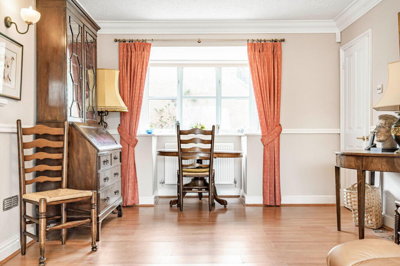
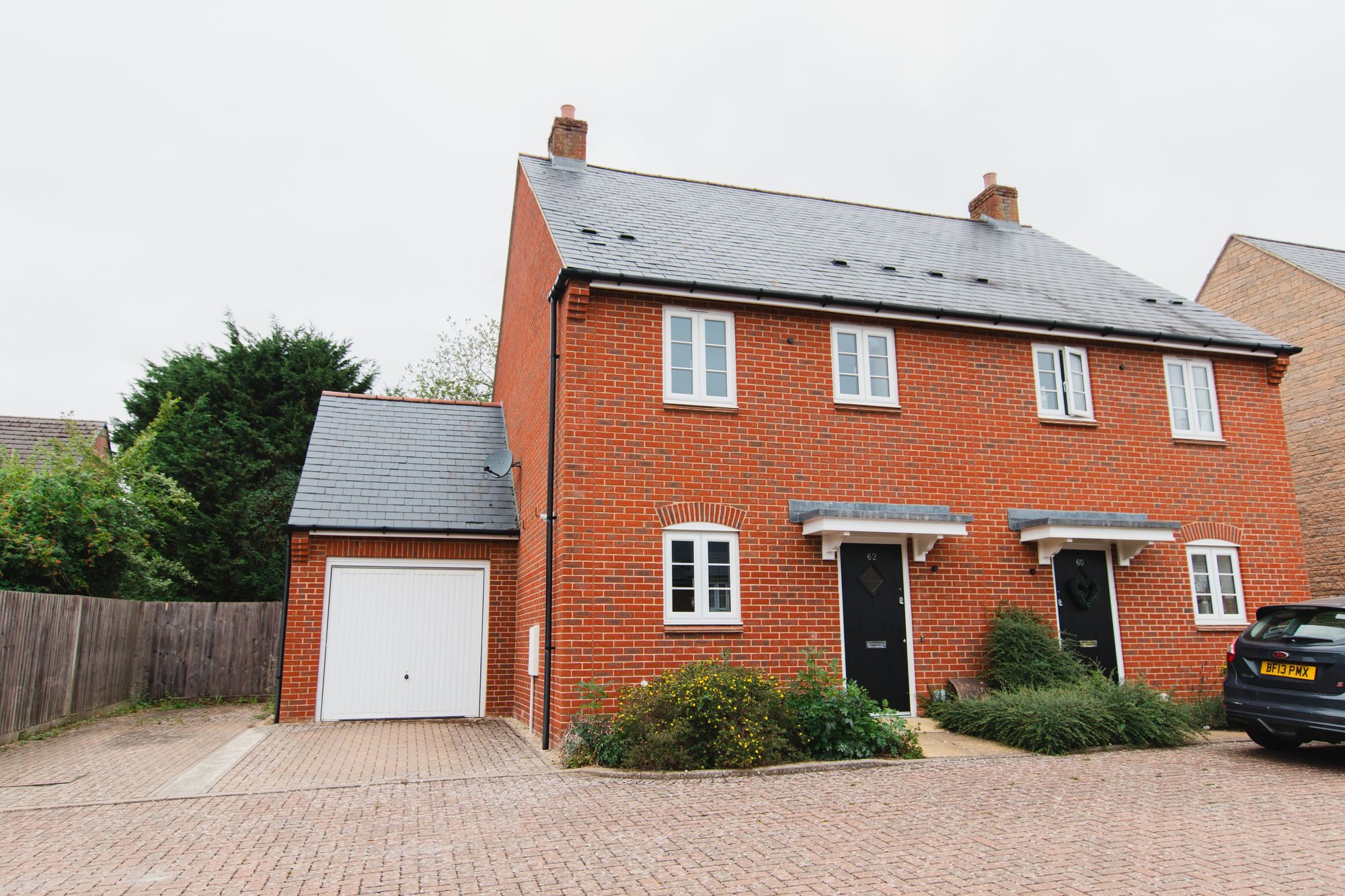
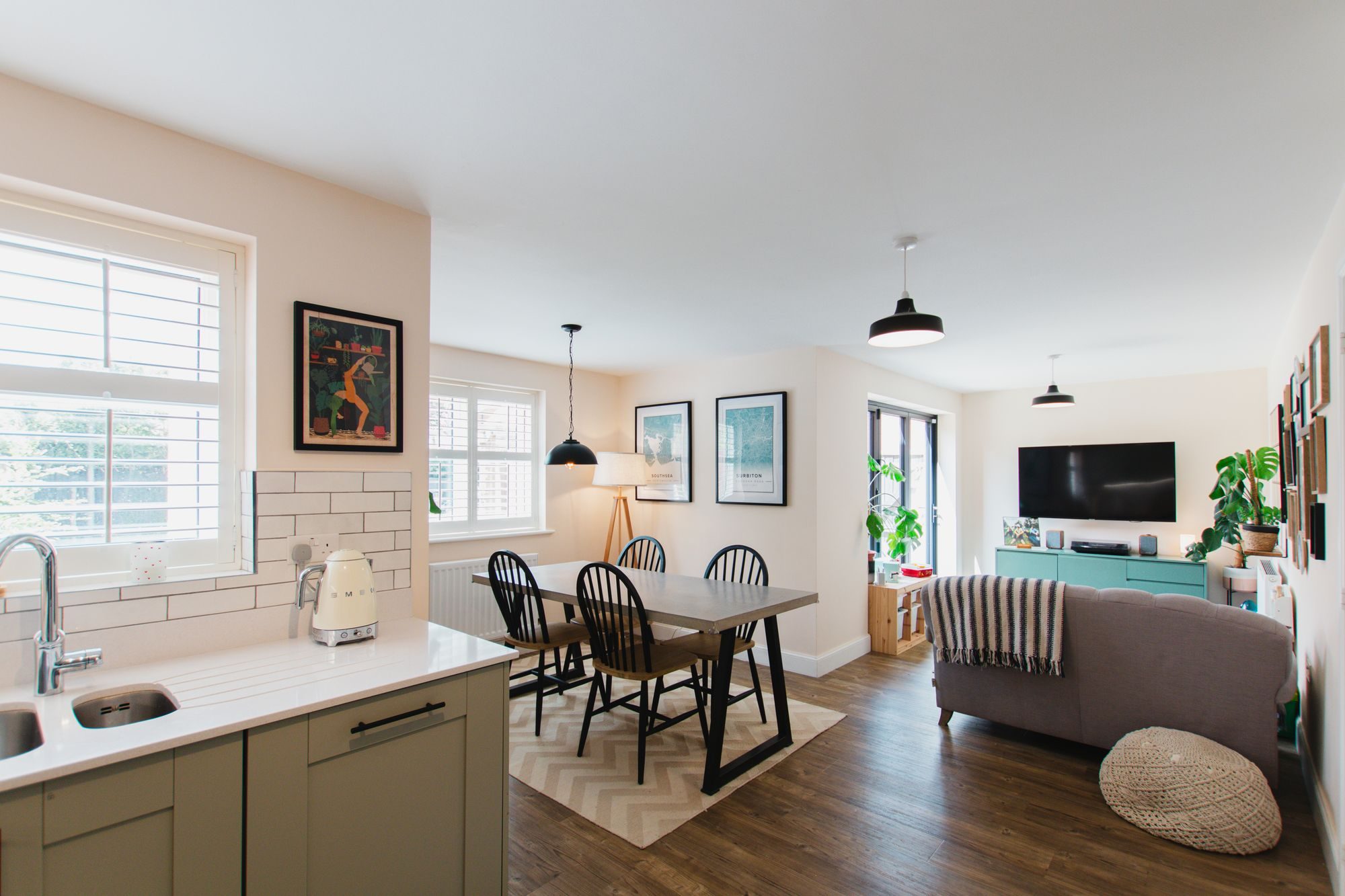
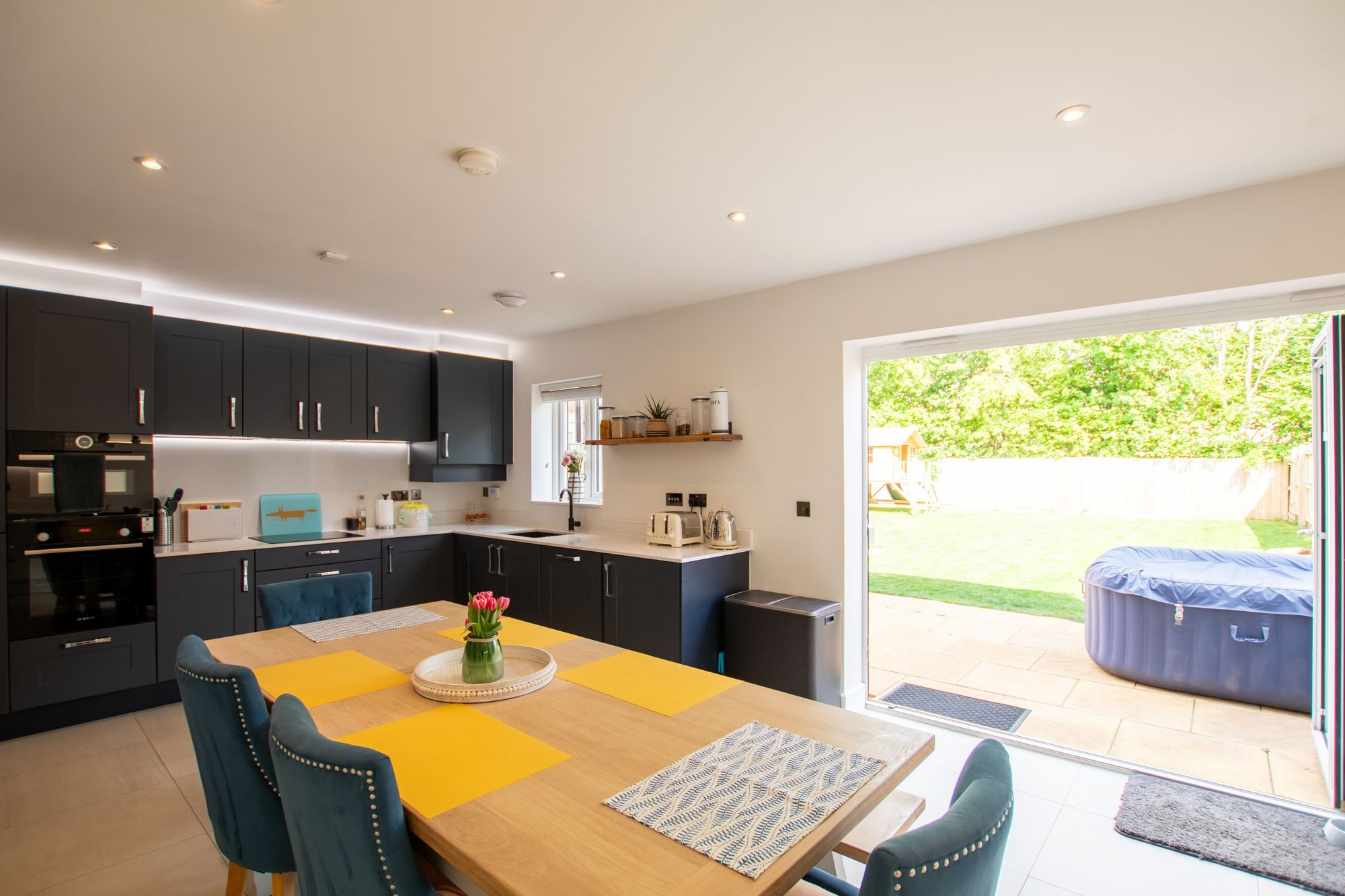
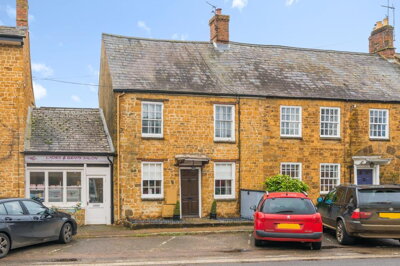
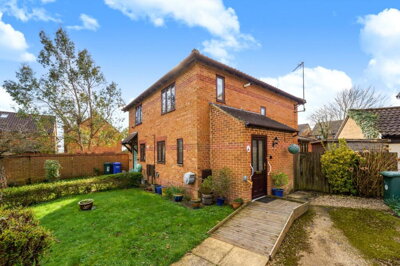
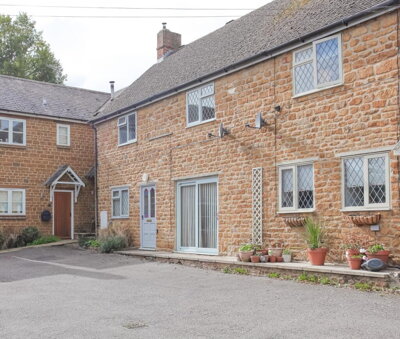
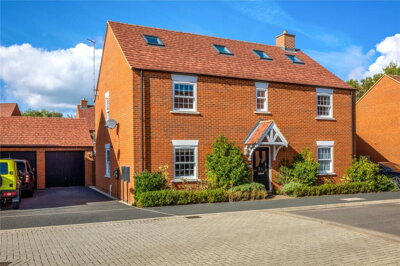
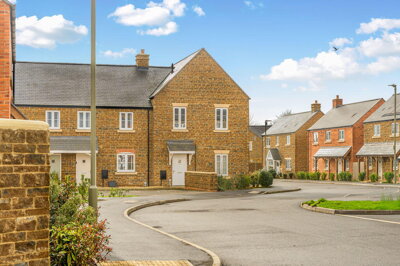
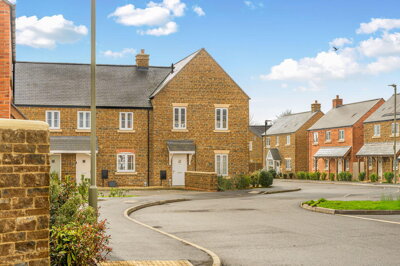
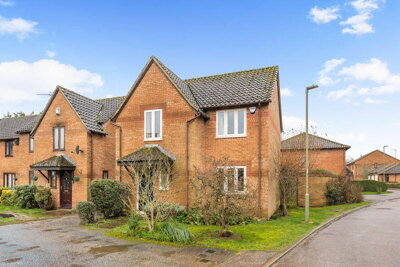
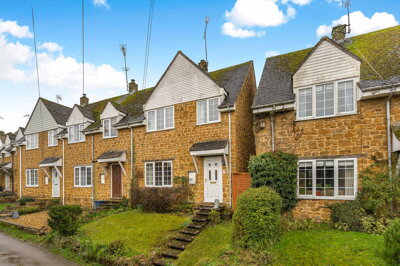
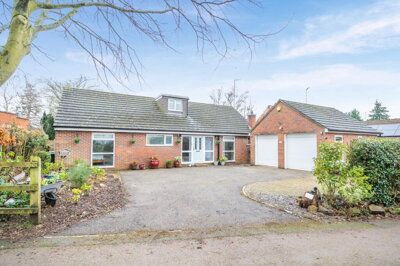
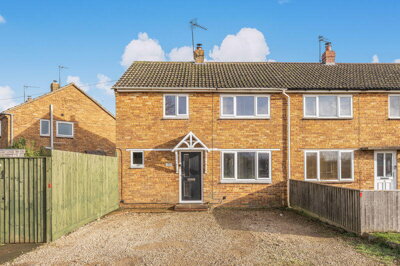
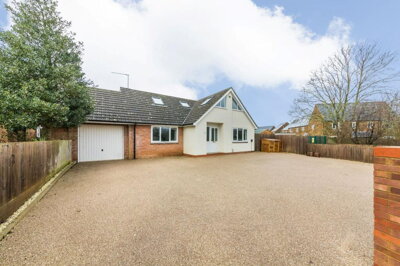
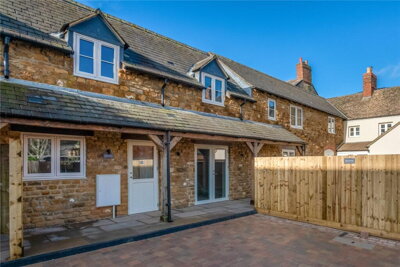
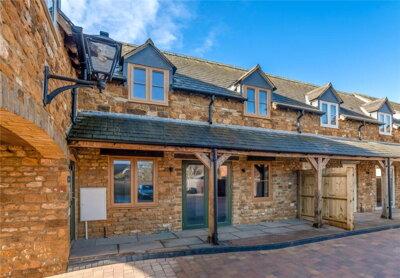
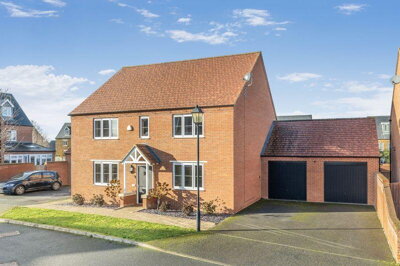
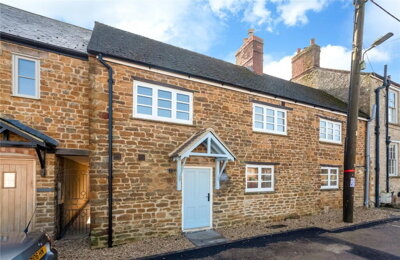
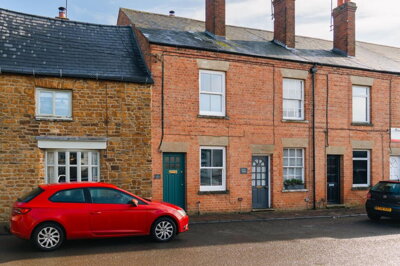
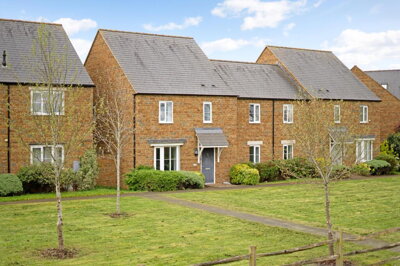
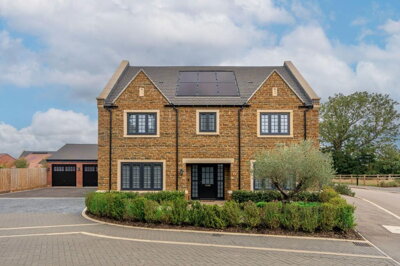
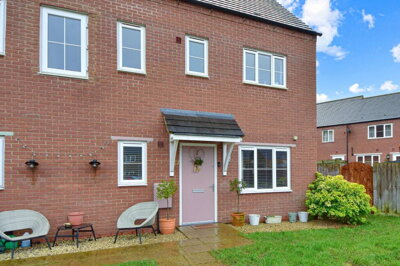
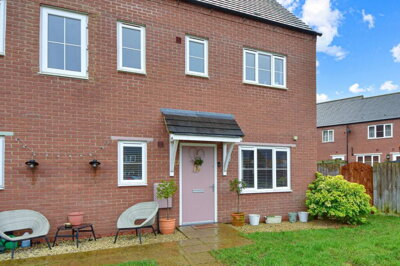
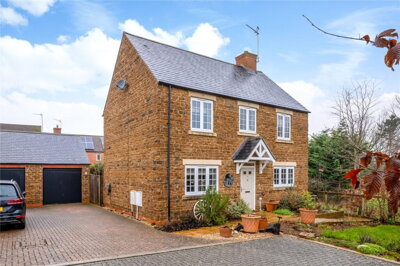
Browse 80 homes for sale in Barford St. John and St. Michael from local estate agents.
The Donhead St. Andrew property market reflects the character of the village itself: predominantly large detached homes set within generous plots, with 73.1% of all housing stock being detached properties. Our current listings include impressive period farmhouses, charming stone cottages, and substantial family homes that exemplify the best of rural Wiltshire architecture. The average price for a detached property in the village stands at £822,500, with semi-detached homes averaging around £430,000 and terraced properties at approximately £350,000. This pricing reflects both the quality of construction and the desirability of the Conservation Area status.
Over the past twelve months, property values in Donhead St. Andrew have shown a modest decline of 1.7% overall, following national trends in rural property markets. Detached properties experienced a smaller decrease of 0.9%, while terraced homes saw a larger adjustment of 2.8%. This relatively stable market provides excellent conditions for buyers seeking long-term investment in a village where properties rarely come to market. The limited supply of homes for sale, combined with consistent demand from buyers seeking the Wiltshire countryside, means that well-presented properties continue to attract strong interest.
The 10 sales recorded in the past year represent a relatively small sample given the village's size, meaning individual high-value transactions can influence average figures more noticeably than in larger markets. However, the consistent downward trend across all property types suggests the market is following broader patterns affecting rural Wiltshire. Our platform tracks these trends carefully, providing buyers with current data to inform their purchasing decisions in the SP7 postcode area.
For buyers considering a sale alongside their purchase, the limited supply of available properties in Donhead St. Andrew can work in a seller's favour, as reduced competition from other vendors increases buyer attention on individual listings. Most properties that come to market in the village are period homes requiring varying degrees of modernisation, which creates opportunities for buyers willing to undertake renovation projects. The stone-built farmhouses and restored cottages that characterise much of the housing stock represent significant investments that can appreciate considerably with sensitive improvement.

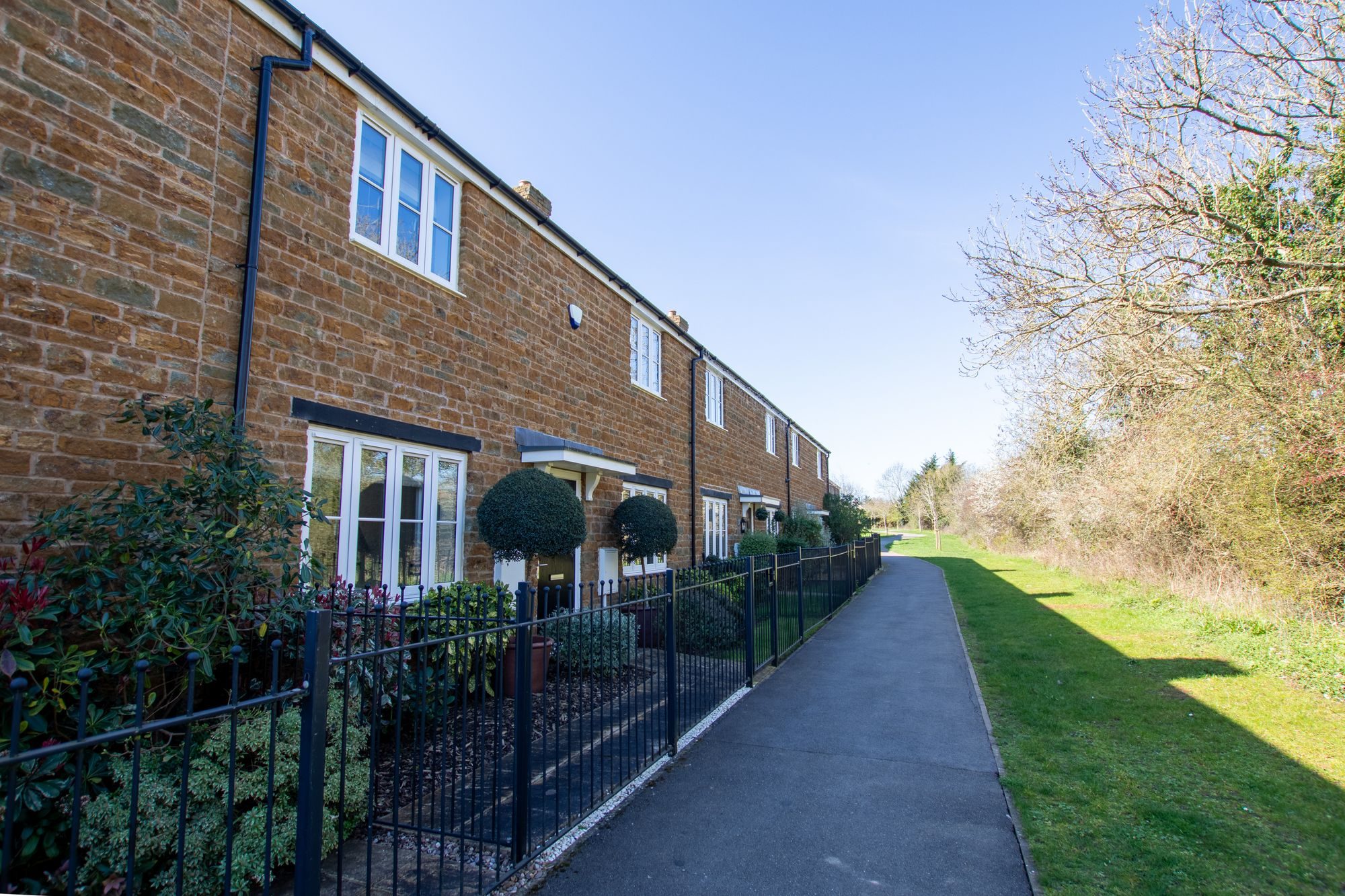
Understanding the local construction methods in Donhead St. Andrew is essential for any buyer, given that the majority of properties predate 1919 and many are Listed Buildings. The village's architectural heritage reflects centuries of building tradition, with local Greensand stone being the predominant material for walls, boundary walls, and architectural detailing. This distinctive golden-brown sandstone has been quarried locally for generations and gives the village its warm, harmonious appearance that is so valued within the Conservation Area.
Traditional properties in Donhead St. Andrew typically feature solid wall construction rather than modern cavity wall insulation, with lime mortar pointing rather than cement. These materials behave differently from contemporary construction and require specific maintenance approaches. Lime mortar allows walls to breathe, which is essential for managing moisture in solid-walled properties, while cement pointing can trap moisture and cause deterioration of the underlying stonework. Prospective buyers should factor in the costs of sympathetic repairs when assessing properties, as incorrect maintenance of period buildings is a common issue that can lead to significant expense.
Roof construction in older properties typically uses slate or clay tile coverings over timber roof structures. These materials are durable when properly maintained but can be expensive to repair or replace. Leadwork around chimneys, dormers, and valleys requires particular attention, as deteriorating lead can allow water ingress that damages both the roof structure and interior finishes. The timber used in roof construction, often oak or softwood, can be susceptible to woodworm and fungal decay if ventilation is inadequate or if previous water ingress has occurred.
Flint and chalk also appear in some older structures, particularly in boundary walls, farm buildings, and the oldest cottages. These materials require specialist knowledge for repair and maintenance, and any buyer considering a property with significant flint or chalk construction should seek specialist advice on the condition and upkeep requirements. The variety of traditional building materials found throughout Donhead St. Andrew contributes to the village's visual richness but also means that comprehensive surveys are particularly valuable for identifying any maintenance concerns before purchase.
Donhead St. Andrew embodies the timeless appeal of rural England, with properties constructed predominantly from the local Greensand stone that gives the village its distinctive warm golden appearance. The village centre features several listed buildings, including the Church of St Andrew, which has stood the community for centuries. The architecture throughout the Conservation Area reflects centuries of continuous habitation, with medieval farmhouses, Georgian manor houses, and Victorian workers' cottages sitting harmoniously alongside one another. Residents enjoy the visual beauty of their surroundings while benefiting from the robust construction methods that have preserved these buildings through generations.
The local geology shapes the landscape significantly, with Upper Greensand and Gault Clay underlying much of the area. These geological features create the gentle rolling hills and productive agricultural land that defines the countryside around Donhead St. Andrew. The River Nadder flows through the lower parts of the parish, contributing to the rural charm while also requiring homeowners in certain areas to consider flood risk when assessing properties. Community life centres around the village hall, local pub, and parish church, with regular events bringing together residents of all ages. The nearby towns of Shaftesbury and Salisbury provide additional cultural and retail amenities within easy reach.
The village community is active and welcoming, with events throughout the year including harvest suppers, quiz nights, and seasonal celebrations at the village hall. The local pub provides a traditional focal point for social life, offering food and drink in an atmosphere that reflects the village's unspoiled character. For families, the sense of community in a village of fewer than 500 residents means that children can grow up knowing their neighbours, while adults benefit from the mutual support that close communities provide. The village hall hosts various clubs and activities, ensuring there is always something happening for residents of all ages.
The surrounding countryside offers extensive opportunities for walking, cycling, and outdoor pursuits. The proximity to Cranborne Chase Area of Outstanding Natural Beauty provides direct access to designated countryside with public rights of way traversing the hills and valleys. The Nadder Valley itself offers scenic walks along the river, while the higher ground provides views across Wiltshire to Salisbury Plain and beyond. For those who appreciate the English countryside, the setting of Donhead St. Andrew is difficult to improve upon, combining natural beauty with practical access to services and transport links.
Families considering a move to Donhead St. Andrew will find a selection of educational options within reasonable distance of the village. Primary education is available at nearby village schools in the surrounding area, with many small rural primary schools serving the local communities. Secondary education is typically accessed through schools in Shaftesbury or Salisbury, both of which offer a range of state and independent options. The presence of respected grammar schools in nearby towns provides excellent opportunities for academically able students, with transport arrangements in place for pupils from outlying villages.
For families prioritising educational excellence, the surrounding area offers several well-regarded schools that serve the Donhead St. Andrew catchment. Independent schools in the region provide alternative educational pathways, with establishments in Salisbury and the wider Wiltshire area offering both day and boarding options. The rural setting of Donhead St. Andrew does mean that school transport arrangements require consideration when budgeting for a move, but many families find that the quality of local schools and the benefits of countryside living more than compensate for any additional travel time. Parents are advised to check current catchment areas and admission policies, as these can change and may affect which schools children can access from the village.
Transport to schools typically involves car journeys or school bus services operated by Wiltshire Council. The distance to secondary schools in Shaftesbury or Salisbury means that morning and afternoon journeys will need to be factored into daily routines. Some families choose to arrange car sharing with neighbours, while others find that the school run becomes a natural part of enjoying village life. Private taxi arrangements are available for families preferring dedicated transport, though these represent a significant ongoing cost that should be included in household budgets when considering a move to the village.
Despite its rural setting, Donhead St. Andrew offers reasonable transport connections for a village of its size. The A30 runs through the nearby area, providing access to Salisbury and the wider road network. For commuters working in larger towns or cities, the mainline railway stations at Tisbury and Salisbury offer regular services to London Waterloo and other major destinations. The A303 trunk road provides swift access to the south coast and the motorway network beyond, making regional travel straightforward for those with access to a vehicle. Local bus services connect the village to surrounding towns, though timings may be limited compared to urban areas.
The topography of the Donhead St. Andrew area should be considered by those planning regular cycling commutes, as the rolling Wiltshire countryside can be challenging. Many residents who work locally choose to drive, and most households have at least one vehicle as standard. Parking within the village is generally straightforward given the low-density housing and generous plot sizes, a significant advantage over urban living. For international travel, Southampton Airport and Bournemouth Airport are both accessible within approximately one hour's drive, offering flights to European destinations and beyond. Heathrow and Gatwick require longer journeys but remain within reasonable reach for occasional travel.
Tisbury railway station, located approximately 5 miles from Donhead St. Andrew, provides regular services to London Waterloo with journey times of around 90 minutes. This makes day commuting to the capital feasible for those with roles that allow flexible or hybrid working patterns. Salisbury station offers additional route options including services to Bristol and Exeter. The convenience of railway access significantly influences the property market in villages like Donhead St. Andrew, as it provides a practical commuting option that broader Wiltshire lacks in less well-connected locations.
Spend time exploring Donhead St. Andrew at different times of day and week. Visit the local pub, attend any village events, and speak with residents to understand the community atmosphere. Check planning applications with Wiltshire Council to identify any proposed developments that might affect your investment. Understanding the village's character before committing to purchase ensures you will enjoy living there for years to come.
Contact a mortgage broker or lender to obtain an agreement in principle before viewing properties. With average prices around £728,167, most buyers will require substantial mortgages. Having your finances confirmed strengthens your position when making offers in a competitive market where properties are scarce. Several lenders offer specialist rural mortgage products that may be appropriate for properties in Conservation Areas or with Listed status.
Work with estate agents familiar with the SP7 postcode and the Donhead St. Andrew area specifically. View multiple properties to compare the condition, character, and potential of different homes. Pay particular attention to the age of properties, their construction materials, and any signs of the common issues found in period buildings. Given that most properties are pre-1919, understanding traditional construction is essential for assessing maintenance requirements and costs.
Given that the majority of properties in Donhead St. Andrew predate 1919 and many are Listed Buildings, a thorough survey is essential. The RICS Level 2 Survey will identify defects such as damp, structural movement, and outdated services. For listed properties or those with significant alterations, consider a more comprehensive RICS Level 3 Survey. Survey costs typically range from £400 to £900 depending on property size and type, with detached properties generally at the higher end of this range.
Choose a solicitor with experience handling rural property transactions in Wiltshire. They will conduct local authority searches, check for planning restrictions related to the Conservation Area, and ensure all documentation for listed buildings is in order. Special considerations apply to Listed Buildings, where additional searches regarding historic permissions and obligations may be required.
Once all searches are satisfactory and your mortgage offer is confirmed, you can proceed to exchange contracts and set a completion date. The village's small population means transactions can move quickly once agreed, but conservation area requirements may extend certain processes. Ensure all additional costs including stamp duty, solicitor fees, and survey charges have been budgeted for before completing your purchase.
Purchasing property in a Conservation Area with extensive listed buildings requires careful attention to several specific factors. Properties in Donhead St. Andrew are likely constructed from traditional materials including Greensand stone, brick, and render, often with solid walls and lime mortar pointing. These materials require different maintenance approaches compared to modern cavity-wall construction, and buyers should understand the implications for insulation, breathability, and ongoing maintenance costs. The presence of Gault Clay in the local geology creates a moderate to high shrink-swell risk, which means foundations must be checked carefully for any signs of movement or cracking that might indicate subsidence issues.
Flood risk should be assessed for any property in lower-lying areas or those close to the River Nadder. Surface water flooding can occur during periods of heavy rainfall, particularly in areas where drainage may be limited due to the age of the infrastructure. Buyers should request specific information about any previous flooding incidents and check the Environment Agency flood maps for the exact property location. Listed Building status brings both pride and responsibility, as any external alterations or significant works will require Listed Building Consent from Wiltshire Council. The additional requirements and costs of maintaining a listed property should be factored into your budget before committing to purchase.
Common defects found in period properties across Donhead St. Andrew include rising damp due to failed or absent damp-proof courses, deteriorating lime mortar pointing requiring repointing, slipped or broken slate and tile roof coverings, timber decay in roof structures and floor joists, and outdated electrical and plumbing installations. Our inspectors frequently identify these issues during surveys, and identifying them before purchase allows buyers to negotiate appropriately or factor repair costs into their budgets. Properties with solid walls often lack modern insulation, which affects both comfort and energy costs, though solutions exist that respect the breatheability requirements of traditional construction.
Before making an offer on any property in Donhead St. Andrew, reviewing the full history of the property through Land Registry title documents and any available planning history is advisable. Properties with extended periods of the same ownership may have accumulated maintenance needs, while recently sold properties may have had improvements made. Requesting copies of any existing surveys, building control sign-offs, and warranties for recent works provides valuable information about the property's condition and any issues that have been addressed.
The average house price in Donhead St. Andrew stands at £728,167 based on recent sales data. Detached properties average £822,500, semi-detached homes around £430,000, and terraced properties approximately £350,000. Property values have shown a modest decline of 1.7% over the past twelve months, with 10 sales recorded in that period. The high proportion of detached homes and the village's Conservation Area status contribute to the premium pricing compared to national averages. Flats are extremely rare in the village, with less than 1% of housing stock being flats according to the most recent Census data.
Properties in Donhead St. Andrew fall under Wiltshire Council's jurisdiction. Council tax bands will vary according to the valuation of individual properties, ranging from Band A for the smallest cottages through to Band H for substantial period homes. Buyers should request the specific council tax band for any property they are considering, as this will affect ongoing monthly costs. Wiltshire Council provides detailed band listings and current rates on their website, where buyers can also check historical banding and any exemptions that may apply to Listed Buildings.
Donhead St. Andrew itself has limited school provision, with primary education typically accessed at nearby village schools. Secondary schools in Shaftesbury and Salisbury serve the wider area, with several well-regarded options including grammar schools for academically able students. Independent schooling options are available in the wider region including boarding schools within reasonable driving distance. Parents are advised to check current admission arrangements and transport provisions, as catchment areas can affect school allocations for village residents. The school transport service operated by Wiltshire Council provides transport to the nearest suitable school for children of primary age who live beyond the statutory walking distance.
Donhead St. Andrew is served by limited local bus services connecting to nearby towns including Shaftesbury and Tisbury. Tisbury railway station provides mainline access to London Waterloo, with regular services running throughout the day and journey times of approximately 90 minutes. For those relying on public transport, the frequency of bus services should be checked carefully as rural routes often operate on reduced timetables. Most residents consider a car essential for daily living, though the village's position does allow access to regional transport hubs within reasonable driving distance. Community transport schemes operated by voluntary organisations in the surrounding area provide additional options for those without private vehicles.
Donhead St. Andrew offers several factors that appeal to property investors. The village's Conservation Area status and high proportion of Listed Buildings help protect the character and desirability of the area. Limited property supply, with typically only a handful of homes coming to market each year, supports values in the long term. The consistent demand from buyers seeking rural Wiltshire living provides resilience against market fluctuations. However, investors should note that the specialist nature of period properties may limit the pool of potential buyers for certain types of homes. Properties requiring renovation may offer the best value opportunities, as updating period homes to modern standards while preserving character can significantly increase market value.
Stamp Duty Land Tax rates for 2024-25 are 0% on the first £250,000 of purchase price, 5% between £250,001 and £925,000, 10% between £925,001 and £1.5 million, and 12% above £1.5 million. First-time buyers benefit from 0% relief on the first £425,000, with 5% charged between £425,001 and £625,000. Given the average property price of £728,167, a typical buyer would pay approximately £23,908 in stamp duty. First-time buyers would pay approximately £15,158 under the first-time buyer relief. An additional 3% surcharge applies for second properties, bringing the cost for non-first-time buyers purchasing a second home to approximately £45,845.
Properties in Donhead St. Andrew are predominantly period homes with associated characteristics that require attention. Common issues include dampness in solid-walled construction, deterioration of traditional lime mortar pointing, roof defects in slate or clay tile coverings, and potential timber defects such as woodworm or rot. The local Gault Clay geology creates a risk of subsidence that should be assessed by a qualified surveyor. Properties near the River Nadder may have surface water or river flood risk. A comprehensive RICS Level 2 or Level 3 Survey is strongly recommended before committing to purchase. Our surveyors are experienced in assessing period properties across Wiltshire and understand the specific construction methods and common defects found in villages like Donhead St. Andrew.
Properties that are Listed Buildings, which form a significant proportion of homes in Donhead St. Andrew, often warrant additional consideration beyond a standard RICS Level 2 Survey. While a Level 2 Survey provides a thorough inspection, a RICS Level 3 Building Survey offers more comprehensive analysis that is particularly suitable for historic properties. Heritage-focused surveys may also be appropriate for significant Listed Buildings, addressing the historical fabric and recommending appropriate repair methods that comply with conservation requirements. Specialist damp and timber surveys are frequently recommended following initial surveys where issues are identified. We can arrange all these survey types for properties across Donhead St. Andrew and the surrounding SP7 postcode area.
Competitive rates for Donhead St. Andrew properties
From 3.5%
Specialist solicitors for rural properties
From £499
Essential for period properties
From £400
For complex or Listed properties
From £600
Energy performance certificates
From £80
Buying a property in Donhead St. Andrew involves several costs beyond the purchase price that buyers should budget for carefully. Stamp Duty Land Tax represents a significant expense, particularly for properties priced above the average of £728,167. Using current 2024-25 rates, a buyer purchasing at the average price would pay approximately £23,908 in stamp duty. First-time buyers may benefit from reduced rates under first-time buyer relief, potentially lowering this cost to approximately £15,158. The additional 3% surcharge for second properties and holiday homes applies to buyers who already own another property, adding substantially to the overall bill.
Solicitor fees for conveyancing typically range from £500 to £2,000 depending on the complexity of the transaction and whether the property is Listed or within the Conservation Area. Transactions involving Listed Buildings require additional documentation and specialist knowledge, which can increase costs. Local searches with Wiltshire Council, drainage and water searches, and environmental searches will add several hundred pounds to costs. Survey fees for a RICS Level 2 Survey typically range from £400 to £900 for properties in this price range, with more comprehensive Level 3 Surveys costing additional amounts. Removal costs, estate agent fees if selling simultaneously, and mortgage arrangement fees should all be factored into your complete moving budget.
Additional costs to remember include Land Registry fees for registering your ownership, bankruptcy searches, and money laundering checks that your solicitor will conduct. If the property you are buying is leasehold rather than freehold, there will be ground rent and service charge obligations to consider, though freehold properties predominate in Donhead St. Andrew. Buildings insurance must be in place from the day of completion, and for Listed Buildings, specialist insurance may be required. Setting aside a contingency fund equivalent to at least 10% of the purchase price for unexpected costs is prudent when buying a period property, as hidden defects may come to light after purchase that require attention.
Properties for Sale In London

Properties for Sale In Plymouth

Properties for Sale In Liverpool

Properties for Sale In Glasgow

Properties for Sale In Sheffield

Properties for Sale In Edinburgh

Properties for Sale In Coventry

Properties for Sale In Bradford

Properties for Sale In Manchester

Properties for Sale In Birmingham

Properties for Sale In Bristol

Properties for Sale In Oxford

Properties for Sale In Leicester

Properties for Sale In Newcastle

Properties for Sale In Leeds

Properties for Sale In Southampton

Properties for Sale In Cardiff

Properties for Sale In Nottingham

Properties for Sale In Norwich

Properties for Sale In Brighton

Properties for Sale In Derby

Properties for Sale In Portsmouth

Properties for Sale In Northampton

Properties for Sale In Milton Keynes

Properties for Sale In Bournemouth

Properties for Sale In Bolton

Properties for Sale In Swansea

Properties for Sale In Swindon

Properties for Sale In Peterborough

Properties for Sale In Wolverhampton

Enter your details to see if this property is within your budget.
Loans, cards, car finance
Estimated property budget
Borrowing + deposit
You could borrow between
Typical borrowing
Monthly repayment
Est. at 4.5%
Loan-to-value
This is an estimate only. Your actual budget may vary depending on interest rates, credit history, and personal circumstances. For an accurate affordability assessment, speak to one of our free mortgage advisors.
This calculator provides estimates for illustrative purposes only and does not constitute financial advice. Your home may be repossessed if you do not keep up repayments on your mortgage. Estimates based on 4.5% interest rate, repayment mortgage. Actual rates depend on your circumstances.
Homemove is a trading name of HM Haus Group Ltd (Company No. 13873779, registered in England & Wales). Homemove Mortgages Ltd (Company No. 15947693) is an Appointed Representative of TMG Direct Limited, trading as TMG Mortgage Network, which is authorised and regulated by the Financial Conduct Authority (FRN 786245). Homemove Mortgages Ltd is entered on the FCA Register as an Appointed Representative (FRN 1022429). You can check registrations at NewRegister or by calling 0800 111 6768.

We use cookies to show you personalised content and improve your experience of our website. Find out more in our Privacy policy and Cookie policy.