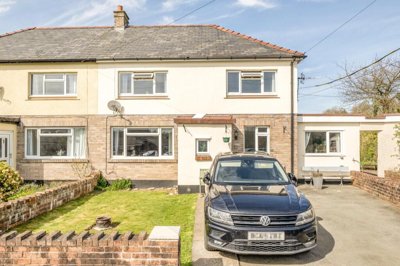
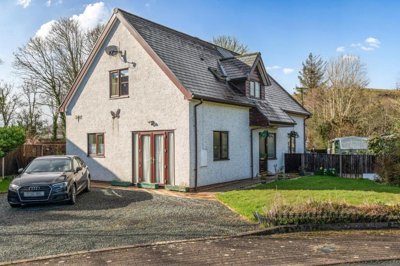
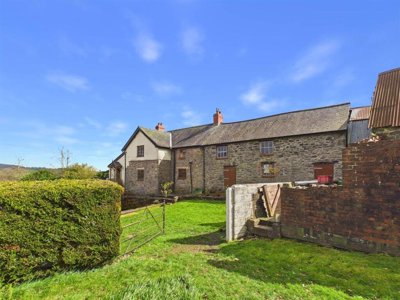
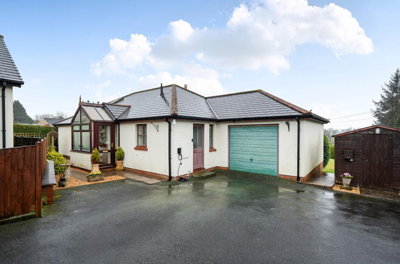
Browse 12 homes for sale in Banwy, Powys from local estate agents.
£340k
5
2
74
Source: home.co.uk
Source: home.co.uk
Detached
1 listings
Avg £325,000
Detached Bungalow
1 listings
Avg £340,000
House
1 listings
Avg £470,000
Semi-Detached
1 listings
Avg £210,000
detached
1 listings
Avg £577,500
Source: home.co.uk
Source: home.co.uk
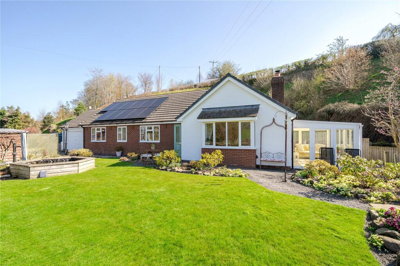
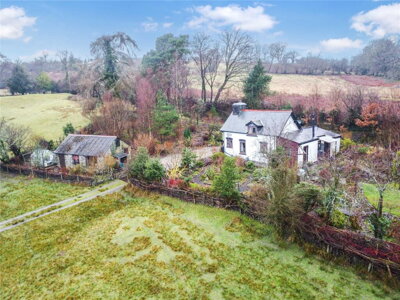
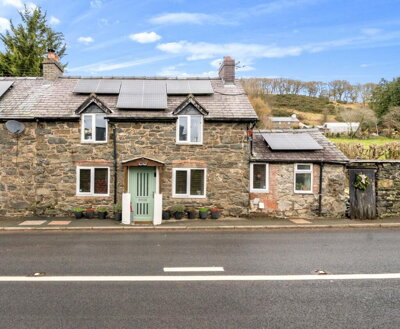
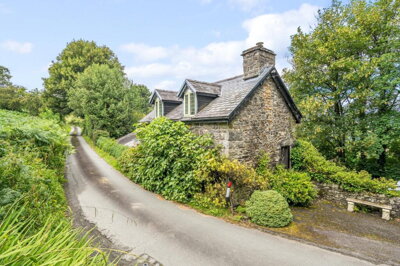
The rural Powys property market differs substantially from urban areas, with Banwy and nearby villages offering a unique mix of traditional Welsh cottages, period farmhouses, and sympathetically renovated properties. Our listings cover detached homes with countryside views, semi-detached cottages with original features, and agricultural holdings suitable for smallholding enthusiasts or those seeking rural enterprise opportunities. The absence of large-scale new-build developments in the immediate Banwy area means properties here tend to be characterful homes with history, often featuring stone walls, slate roofs, and fireplaces that reflect traditional Welsh building methods. Buyers should expect to find older housing stock that may benefit from modern updates while retaining the charm that makes rural Welsh properties so desirable.
Recent transaction data from the Trembanwy area indicates an average sold price of £130,000, with a notable sale completing at this price point in mid-2025. Historical records show properties in this valley have appreciated steadily over longer periods, with one home that sold for £90,000 in 2010 achieving £130,000 in 2025. The Powys housing market benefits from more affordable entry points compared to Welsh cities, making it attractive to first-time buyers, families seeking more space, and retirees looking to relocate to a quieter lifestyle. Property types available include traditional miners cottages, farmhouses with outbuildings, modernised period homes, and development opportunities for those with renovation projects in mind.
The SY21 postcode area surrounding Banwy reflects the broader Powys market characteristics, where limited housing supply creates competitive conditions for desirable properties. Properties with land, traditional features, or recent renovations command premiums, while those requiring work may be available at lower price points. We monitor listings across the Banwy Valley and surrounding villages, providing buyers with comprehensive access to properties as they come to market. Understanding the local market dynamics helps buyers time their searches effectively and make informed decisions about property value in this corner of mid-Wales.

Life in Banwy offers a pace of life that city dwellers often find refreshing, with community connections that feel increasingly rare in modern Britain. The village sits within the Banwy Valley, surrounded by farmland and hills that form part of the Cambrian Mountains fringe. Residents enjoy immediate access to countryside walks, with public footpaths crossing farmland and leading to nearby hillsides. The River Banwy itself provides opportunities for riverside walks and wildlife observation, with the surrounding countryside supporting diverse birdlife and occasional sightings of local wildlife. The community hosts events throughout the year, bringing together residents for village celebrations, quizzes, and seasonal gatherings that maintain the strong social fabric of rural Welsh village life.
The nearest town, Welshpool, lies approximately 10 miles from Banwy and provides residents with access to a good range of amenities including supermarkets, independent shops, medical centres, and a library. Welshpool also hosts a weekly livestock market that has operated for generations, reflecting the agricultural heritage of the surrounding area. The Powys region offers excellent opportunities for outdoor pursuits including hiking, fishing, cycling, and horse riding, with the Glyndŵr's Way National Trail passing through the broader area. Cultural attractions include local museums, historic churches, and the nearby Powis Castle gardens, while the border town of Montgomery offers additional options for dining and exploration.
Rural living in the Banwy area appeals to those who value space and natural surroundings over urban convenience. The community atmosphere fosters strong neighbourhood connections, with village events providing regular opportunities to meet fellow residents. The pace of life allows for outdoor activities, gardening, and pursuing hobbies that benefit from countryside settings. For buyers considering relocation from busier areas, the transition to village life in Powys often brings unexpected benefits in quality of life and personal wellbeing.

Education provision for Banwy residents centres on local primary schools in surrounding villages, with secondary education available in Welshpool. The rural school network serving Powys villages typically comprises small, community-focused primaries where children receive individual attention and benefit from close relationships between teachers and pupils. Parents considering relocation to Banwy should note that school transport arrangements connect village residents to nearby schools, with minibus services operating for families living beyond walking distance from their designated school. The local education authority, Powys County Council, maintains information on catchment areas and admission arrangements that prospective buyers should review when choosing a property location.
For families requiring additional educational support or specialist provision, Welshpool offers secondary school options alongside further education facilities at Powys College campuses in Newtown and Brecon. The area attracts families who value the benefits of rural education, where children can learn in smaller class sizes and develop confidence through participation in community activities alongside their studies. Outdoor learning opportunities abound in this landscape, with schools incorporating the surrounding countryside into curricula through field studies, environmental projects, and outdoor activities that enrich the educational experience. Parents are encouraged to visit potential schools, meet staff, and understand admission criteria before committing to a property purchase in the Banwy area.

Transport connectivity from Banwy reflects its rural location, with residents relying primarily on private vehicles for daily commuting and major journeys. The A458 road provides the main route connecting Welshpool to the area, passing through nearby villages and offering access to the broader Powys road network. Welshpool itself connects to the A483 running north-south through mid-Wales, providing routes toward Shrewsbury to the northeast and Newtown to the southwest. For residents working in regional centres, the journey to Welshpool takes approximately 20 minutes, while travel to larger towns such as Shrewsbury requires around 45 minutes to an hour depending on exact destination and traffic conditions.
Public transport options serving Banwy include bus routes connecting villages to Welshpool, with limited services operating primarily on weekdays. The Cambrian Line railway provides connections from Welshpool railway station to Birmingham International and Shrewsbury, offering onward connections to the national rail network. Birmingham Airport provides the nearest major airport access, located approximately 90 minutes drive from Banwy, while Liverpool John Lennon Airport offers an alternative route within similar travel time. Daily commuting to major employment centres is feasible for those with flexible working arrangements or remote employment, though buyers should realistically assess their transport requirements before purchasing in this rural location. The scenic beauty of the journey compensates for longer travel times, with the drive through the Welshpool countryside offering pleasant views regardless of weather.

Start by exploring current listings across Homemove and partner estate agent websites. Understanding the types of properties available, typical price points around £130,000, and the range from cottages to smallholdings will help you refine your search criteria and set realistic expectations for your move. Take time to understand the seasonal nature of rural property markets, where listings may increase in spring and summer months when properties are more appealing to view.
Before viewing properties, obtain a mortgage agreement in principle from a lender. This demonstrates your purchasing capacity to sellers and agents while helping you understand your true budget. With rural properties potentially requiring renovation or containing period features, factor potential additional costs into your financial planning alongside stamp duty and legal fees. Rural mortgage applications may require additional documentation regarding property access and services, so discussing these requirements early with your lender is advisable.
Schedule viewings to assess properties in person and explore the Banwy area at different times of day. Consider visiting local amenities in Welshpool, checking commute times, and speaking with residents to understand daily life in the village. Pay attention to property condition, access roads, broadband availability, and mobile phone signal strength during visits. Viewing multiple properties helps establish what represents fair value in the local market.
Once you have an offer accepted, arrange a RICS Level 2 Survey to assess the property condition thoroughly. Given that many homes in this area are older properties, professional surveys identify any structural concerns, roofing issues, damp problems, or renovation requirements before you commit to purchase. Survey costs typically start from around £350, with the investment protecting against unexpected repair bills after purchase.
Choose a solicitor experienced in rural property transactions to handle your legal work. They will conduct searches with Powys County Council, handle land registry documentation, and manage the transfer of ownership. Conveyancing costs for standard purchases typically start from £499 with Homemove partner firms. Rural properties may require additional searches regarding rights of way, access arrangements, and septic tank maintenance responsibilities.
Finalise your mortgage arrangements, pay stamp duty to HMRC, and coordinate with your solicitor to complete on the agreed completion date. Keys are handed over, and you become the official owner of your new Banwy home, ready to begin unpacking and settling into rural Welsh life. Register your ownership with HM Land Registry and notify Powys County Council of your change of address.
Properties in Banwy and the surrounding Powys villages predominantly consist of older construction, with many homes dating from the Victorian era or earlier. When viewing properties, examine roof conditions carefully, as traditional slate roofs on period properties may require eventual replacement or repair. Check for signs of damp in older cottages, particularly in ground floor rooms and basements where moisture can penetrate traditional construction methods. Walls constructed from local stone should be inspected for structural movement, cracks, or evidence of previous repair work that might indicate ongoing issues requiring attention.
Understanding the property tenure is essential, as rural properties may have unusual tenure arrangements or shared access rights that differ from standard freehold or leasehold classifications. Agricultural land adjoining properties may be included in sales or may belong to neighbouring farms, so clarify boundaries and rights of way during conveyancing. Maintenance responsibilities for private lanes, septic tanks, and private water supplies should be established before purchase to avoid unexpected costs. Energy performance certificates reveal the insulation standards of older properties, with many traditional cottages requiring upgrades to meet modern heating efficiency expectations. Factor these potential improvement costs into your budget alongside the purchase price when considering any property in the Banwy area.
Access arrangements deserve particular attention in rural locations. Some properties may be served by private tracks maintained by multiple households, with informal arrangements for clearing snow or repairing surfaces. Mobile phone coverage varies across the valley, and broadband speeds may be limited compared to urban areas, so assessing these practical aspects during viewings helps set realistic expectations for daily life. Properties along minor roads may require longer journey times during winter weather, so understanding how the local road network functions throughout the year is advisable before committing to purchase.

Based on recent transaction data for the Trembanwy area, the average sold price reached £130,000 in recent sales. Historical transactions show properties appreciating over time, with one home that sold for £90,000 in 2010 achieving £130,000 in 2025. Prices in Banwy and surrounding villages vary according to property type, size, condition, and land included, with traditional cottages typically starting from around £120,000 and larger detached homes or properties with land commanding higher prices. The rural Powys market generally offers more affordable entry points compared to Welsh cities, though limited stock means competitive conditions for well-presented properties.
Properties in Banwy fall under Powys County Council administration, with council tax bands determined by property value assessed by the Valuation Office Agency. Most traditional cottages and village properties in this area typically fall within bands A through D, representing the lower council tax brackets across Wales. Exact bandings vary property by property, so buyers should request this information during conveyancing. Powys County Council sets annual council tax rates that apply to each band, with Band A properties paying the lowest annual amounts and higher bands paying proportionally more.
Primary education for Banwy residents is provided through village schools in surrounding communities, with the nearest primary schools located in nearby villages accessible via school transport. Secondary education is available at schools in Welshpool, with the town offering good educational facilities and a range of extracurricular activities. Parents should contact Powys County Council education services to confirm catchment schools, admission arrangements, and any transport entitlements applicable to their specific property location. The rural school setting provides benefits of smaller class sizes and individual attention that many families find advantageous for their childrens development.
Public transport options from Banwy are limited, reflecting the rural nature of the village and the wider Powys area. Bus services operate on select routes connecting villages to Welshpool, though frequencies are low with weekday-only services on many routes and very limited Sunday provision. Welshpool railway station provides access to the Cambrian Line running to Birmingham International and Shrewsbury, offering connections to the national rail network. Daily reliance on private vehicles is realistic for most Banwy residents, and buyers should ensure they have access to reliable car transport before committing to a property purchase in this location.
The Banwy and rural Powys property market appeals to buyers prioritising lifestyle over rental yields, with the area attracting those seeking peaceful countryside living rather than investment returns. Properties in the area have demonstrated long-term value appreciation, with the Trembanwy example showing significant growth over a 15-year period. Limited rental demand exists due to the rural location and small population, making buy-to-let investments less straightforward than in urban areas. However, for buyers planning to live locally, work remotely, or use the property as a weekend retreat, the Banwy area offers authentic Welsh village character with potential for capital appreciation as more buyers seek rural lifestyle locations.
Stamp duty Land Tax rates for 2024-25 apply zero percent on the first £250,000 of residential property purchase price, five percent on the portion from £250,001 to £925,000, ten percent from £925,001 to £1.5 million, and twelve percent above £1.5 million. First-time buyers receive enhanced relief with zero percent on the first £425,000, five percent from £425,001 to £625,000, with no relief above £625,000. For a typical Banwy property priced around £130,000, most buyers would pay no stamp duty at all, while first-time buyers with relief would definitely pay nothing. Calculate your specific liability based on purchase price and buyer status, considering that additional 3 percent surcharge applies for second homes or investment properties.
From £350
Professional survey assessing property condition for homes in Banwy and surrounding Powys villages
From £500
Comprehensive structural survey for older or complex properties
From £80
Energy performance certificate for Banwy properties
From £499
Solicitors handling your Banwy property purchase
From 4.5%
Mortgage advice and products for your property purchase
Understanding the full costs of purchasing property in Banwy extends beyond the advertised asking price and requires budgeting for various fees and taxes. Stamp duty Land Tax represents the most significant government levy, though the affordable price points typical for rural Powys properties mean many buyers pay minimal or no stamp duty. For a property priced at £130,000, standard buyers pay zero percent under current thresholds, while first-time buyers also qualify for relief. The lower purchase prices in Banwy compared to urban areas translate directly into lower stamp duty costs, creating a meaningful financial advantage for buyers entering the market at this level.
Additional purchase costs include mortgage arrangement fees typically ranging from zero to £2,000 depending on lender and product chosen, survey costs for property condition reports starting from around £350 for a standard RICS Level 2 Survey, and conveyancing fees from approximately £499 for standard purchases through a solicitor. Local search fees with Powys County Council typically cost £200 to £300, with mortgage valuation fees adding a further £300 to £500 depending on property value. Budgeting approximately £2,000 to £3,000 in addition to your mortgage for these costs provides a reasonable contingency for the buying process. Homemove partners with recommended solicitors and surveyors experienced in rural property transactions, helping you navigate these costs efficiently while ensuring proper professional support throughout your Banwy purchase.
When budgeting for a Banwy property purchase, consider ongoing costs that differ from urban living. Properties with private water supplies require testing and potential treatment costs, while septic tanks involve emptying fees and maintenance obligations. Rural properties may have higher heating costs due to traditional construction and electric heating systems. Council tax bands A through D in Powys keep annual charges reasonable, though factor in the costs of maintaining private access roads or lanes if applicable to your property. Buildings insurance costs for older properties with traditional construction may vary compared to modern homes, so obtaining quotes before purchase completion helps avoid surprises.

Properties for Sale In London

Properties for Sale In Plymouth

Properties for Sale In Liverpool

Properties for Sale In Glasgow

Properties for Sale In Sheffield

Properties for Sale In Edinburgh

Properties for Sale In Coventry

Properties for Sale In Bradford

Properties for Sale In Manchester

Properties for Sale In Birmingham

Properties for Sale In Bristol

Properties for Sale In Oxford

Properties for Sale In Leicester

Properties for Sale In Newcastle

Properties for Sale In Leeds

Properties for Sale In Southampton

Properties for Sale In Cardiff

Properties for Sale In Nottingham

Properties for Sale In Norwich

Properties for Sale In Brighton

Properties for Sale In Derby

Properties for Sale In Portsmouth

Properties for Sale In Northampton

Properties for Sale In Milton Keynes

Properties for Sale In Bournemouth

Properties for Sale In Bolton

Properties for Sale In Swansea

Properties for Sale In Swindon

Properties for Sale In Peterborough

Properties for Sale In Wolverhampton

Enter your details to see if this property is within your budget.
Loans, cards, car finance
Estimated property budget
Borrowing + deposit
You could borrow between
Typical borrowing
Monthly repayment
Est. at 4.5%
Loan-to-value
This is an estimate only. Your actual budget may vary depending on interest rates, credit history, and personal circumstances. For an accurate affordability assessment, speak to one of our free mortgage advisors.
This calculator provides estimates for illustrative purposes only and does not constitute financial advice. Your home may be repossessed if you do not keep up repayments on your mortgage. Estimates based on 4.5% interest rate, repayment mortgage. Actual rates depend on your circumstances.
Homemove is a trading name of HM Haus Group Ltd (Company No. 13873779, registered in England & Wales). Homemove Mortgages Ltd (Company No. 15947693) is an Appointed Representative of TMG Direct Limited, trading as TMG Mortgage Network, which is authorised and regulated by the Financial Conduct Authority (FRN 786245). Homemove Mortgages Ltd is entered on the FCA Register as an Appointed Representative (FRN 1022429). You can check registrations at NewRegister or by calling 0800 111 6768.

We use cookies to show you personalised content and improve your experience of our website. Find out more in our Privacy policy and Cookie policy.