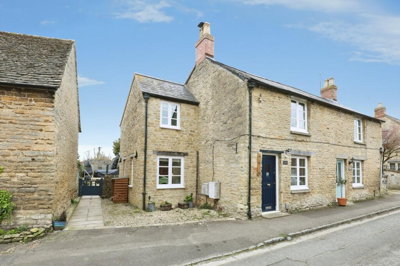
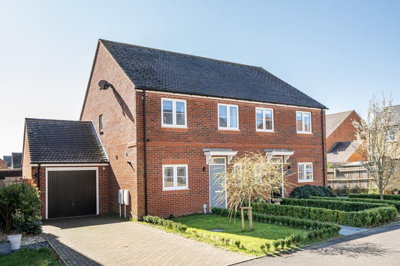
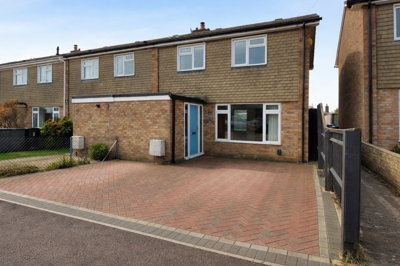
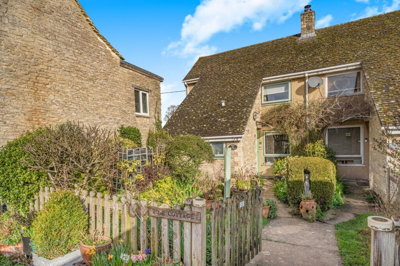
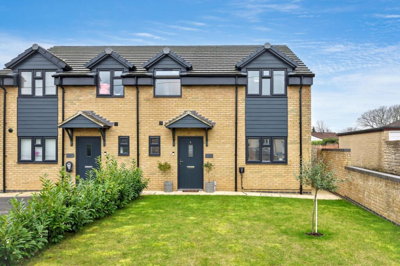
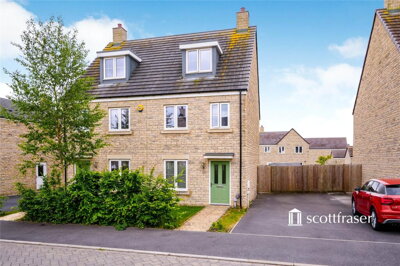
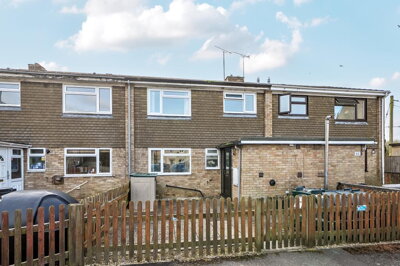
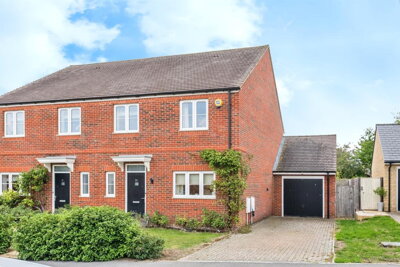
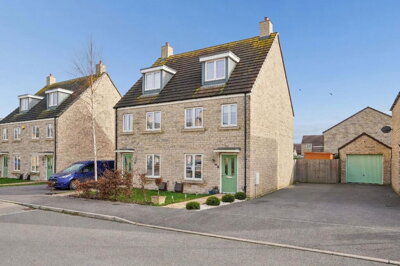
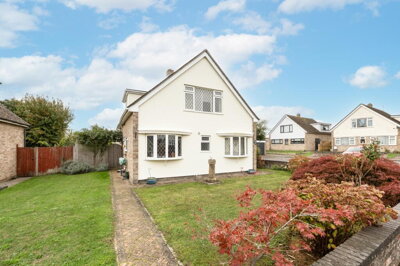
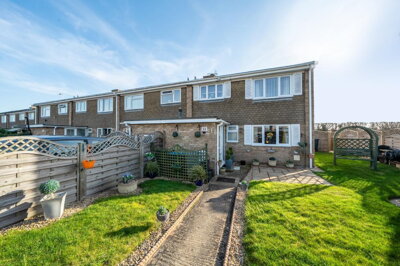
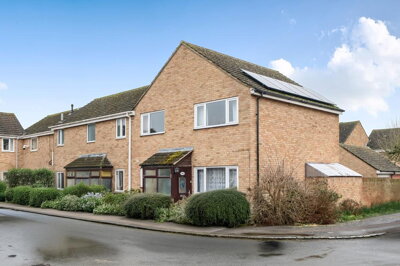
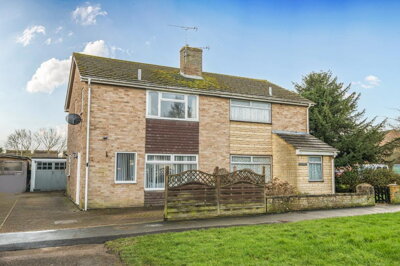
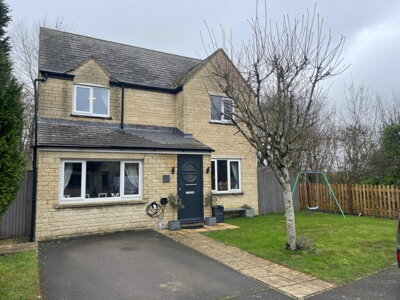
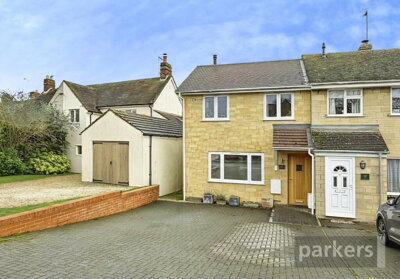
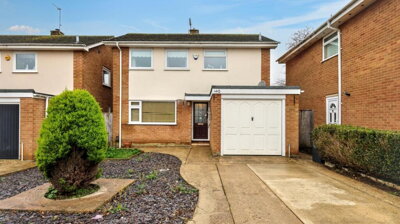
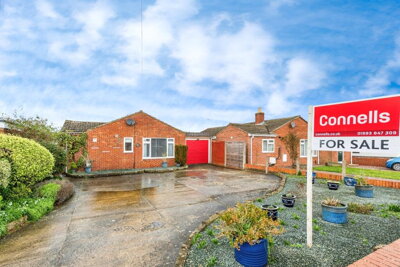
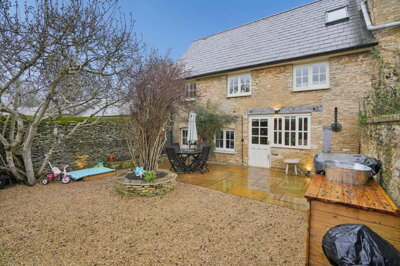
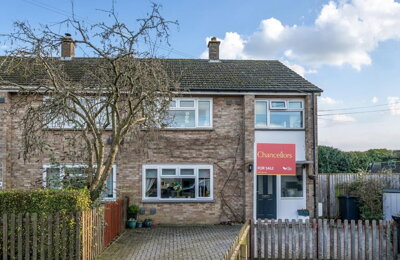
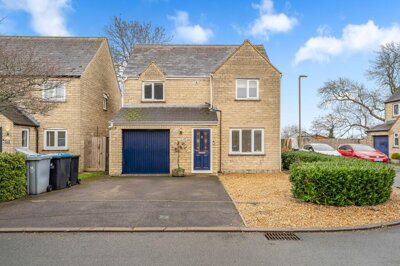
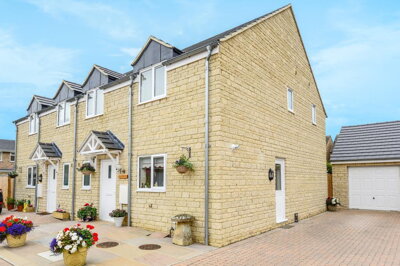
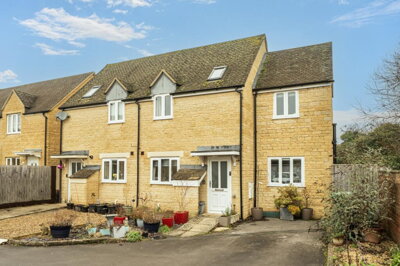
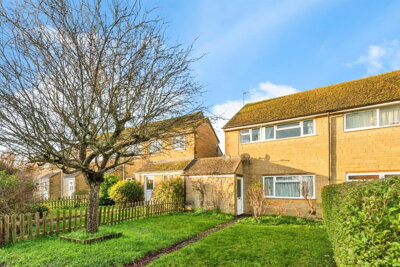
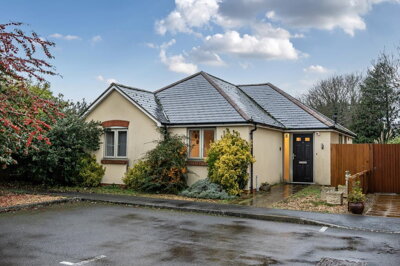
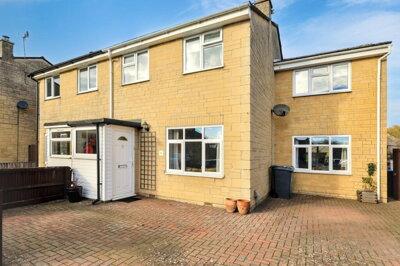
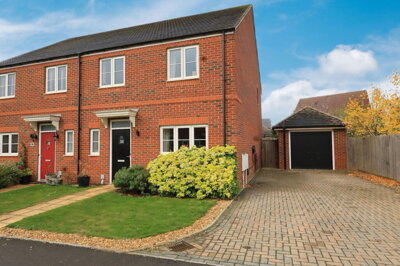
Browse 45 homes for sale in Bampton from local estate agents.
Three bedroom properties represent a significant portion of the Bampton housing market, offering space for families with multiple reception rooms and gardens in many cases. Browse detached, semi-detached, and terraced options ranging from period character homes to contemporary developments.
The Bampton property market has demonstrated remarkable resilience and growth, with the average property price reaching £592,000 as of early 2026. This represents a substantial rise of 20.4% over the previous twelve months, outpacing many neighbouring areas and reflecting the village's growing reputation as a desirable place to live. Rightmove reports an overall average price of £532,917 for the last year, with prices sitting 21% higher than the previous year and 16% above the 2022 peak of £460,712, indicating sustained upward momentum in this West Oxfordshire village.
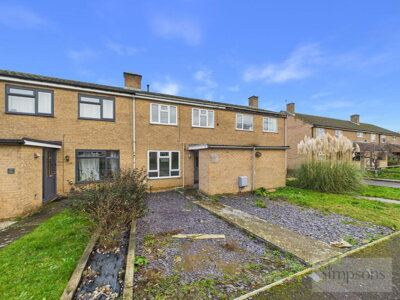
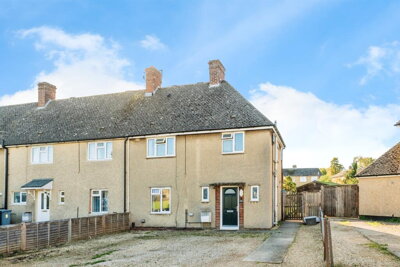
Property types in Bampton span an attractive range that reflects its historic character. Detached homes command the highest prices, with average values reaching £736,742, making them ideal for families seeking space and privacy in a rural setting. Semi-detached properties average around £443,390, offering an accessible entry point to village life without compromising on character. Terraced homes in Bampton, many dating from the Victorian or Georgian periods, average £335,000 and frequently feature the original fireplaces, timber beams, and flagstone floors that define the village aesthetic.
The broader West Oxfordshire market provides useful context for Bampton's premium positioning. District-wide averages show detached properties at £661,000, semi-detached at £417,000, terraced at £340,000, and flats at £216,000. Over the past year, West Oxfordshire saw 1,284 property sales, with Bampton and Clanfield combined recording 666 sales over the last decade. This transaction volume, while modest, indicates a stable market with properties changing hands regularly as families are drawn to the village's exceptional setting and community amenities.
Properties in Bampton tend to move relatively quickly compared to the wider district average, with desirable stone cottages and family homes often receiving multiple offers within weeks of listing. The village's strong market performance reflects its unique position as one of the few remaining unspoiled Cotswold villages while maintaining practical connections to Oxford and the M40 corridor. Prospective buyers should be prepared to act decisively when a suitable property becomes available, as stock levels in the village remain limited.

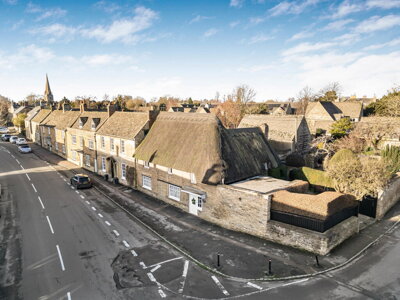
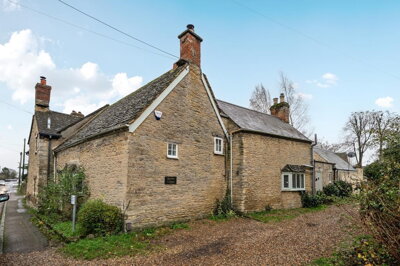
Bampton presents itself as a quintessential English village where centuries of architectural heritage blend seamlessly with modern village amenities. The settlement is characterised by its traditional stone cottages, many of which feature the distinctive honey-coloured limestone local to the Cotswold region, alongside 16th-century oak-beamed houses that represent some of the oldest residential properties in the area. Walking through the village reveals double-fronted listed townhouses, Victorian cottages with original sash windows, and Georgian fronted period properties that speak to Bampton's long and distinguished history as a centre of local importance.
The village centre retains a character that has attracted television productions, most notably serving as a filming location for scenes in Downton Abbey, which brought national attention to Bampton's unspoiled streetscapes and historic architecture. The parish church, with its beautifully preserved medieval features, stands as a focal point for both the community and visitors exploring the village's heritage. Traditional pubs, a selection of independent shops, and essential services including a primary school contribute to a self-sufficient village economy that requires minimal trips to larger towns.
The surrounding West Oxfordshire countryside provides an enviable backdrop for daily life, with rolling farmland, bridleways, and public footpaths offering endless opportunities for walking, cycling, and enjoying the natural landscape. The River Thames flows nearby, while the Cotswolds Area of Outstanding Natural Beauty lies within easy reach for weekend adventures. Residents frequently cite the sense of rural tranquility combined with genuine community spirit as key factors in their decision to put down roots here, with the village particularly appealing to families, retirees, and those seeking a quieter pace of life away from urban centres.

Families considering a move to Bampton will find a selection of educational options within the village and the surrounding West Oxfordshire area. Bampton Primary School serves the immediate village community, providing education for children from Reception through to Year 6. The school maintains strong connections to the local community and benefits from its rural setting, with extensive grounds that support outdoor learning and physical education. For secondary education, pupils typically travel to nearby towns including Witney, where several established secondary schools and academies cater to students from across the region.
The wider Oxfordshire area is well-served by highly regarded independent schools, providing additional options for families seeking private education. These institutions frequently attract pupils from across the county and beyond, with many operating bus services that serve surrounding villages including Bampton. Parents are advised to research specific school catchments and admission criteria, as places in popular schools can be competitive in this sought-after area. Transport arrangements for secondary school pupils typically involve school bus services or private transport, with journey times to schools in surrounding towns generally manageable from the village location.
For further and higher education, the proximity to Oxford proves particularly advantageous. Oxford itself hosts world-renowned universities and further education colleges, while nearby Witney offers additional vocational and Further Education options. The excellent road connections from Bampton make accessing these educational institutions straightforward, whether for daily commutes for older students or occasional visits for younger children. Families prioritising educational provision will find that Bampton's location offers the best of both worlds: village living with access to some of the country's most prestigious academic institutions within reasonable travelling distance.
Transport connections from Bampton provide reasonable accessibility for a village of its size, balancing rural charm with practical commuting options. The A40 trunk road passes through the nearby area, providing direct links to Oxford to the east and Cheltenham to the west. This main route transforms Bampton from an isolated village into a viable option for those working in Oxford or the surrounding towns, with the journey to central Oxford typically taking around 30-40 minutes by car depending on traffic conditions and exact destination.
For those relying on public transport, bus services connect Bampton with nearby towns including Witney, providing access to larger shopping centres, healthcare facilities, and additional transport options. The mainline railway station in Oxford offers connections to London Paddington, with journey times of approximately one hour, making day commuting to the capital feasible for those working in finance, government, or other sectors with London offices. Oxford station also provides regional connections across the Thames Valley and direct services to Birmingham and other major cities.
Local road infrastructure within Bampton and the immediate surrounding villages is generally well-maintained, though some country lanes can be narrow and require careful navigation. Parking within the village itself is typically adequate for a settlement of its size, though visitors during peak periods or village events may find spaces more limited. Cyclists benefit from the scenic countryside routes popular with recreational riders, though the hilly terrain of West Oxfordshire requires a reasonable level of fitness for longer journeys. Overall, Bampton rewards those who appreciate rural beauty while accepting the moderate travel times required to access larger urban centres.
Start by exploring current property listings in Bampton to understand what is available at your budget. The village's period properties range from compact stone cottages to substantial detached family homes, with prices typically between £335,000 for terraced properties and over £736,000 for detached houses. Consider working with a local estate agent who knows the village intimately, as properties here often sell quickly to buyers drawn to the area's exceptional character.
Before viewing properties in Bampton, obtain a mortgage agreement in principle from a lender. This strengthens your position when making offers, demonstrating to sellers that you are a serious buyer with financing already considered. With average prices around £592,000, most buyers will require substantial mortgages, and having this documentation ready can make the difference when competing with other purchasers for desirable village properties.
Visit properties that match your requirements, paying particular attention to the construction and condition of period features. Bampton's older properties frequently feature stone walls, timber beams, and traditional construction methods that require specialist knowledge to assess properly. Consider visiting properties at different times of day to understand light levels, noise from neighbouring properties, and the general atmosphere of the neighbourhood.
Given Bampton's prevalence of historic properties, a RICS Level 2 Survey is essential before proceeding to purchase. This homebuyer report identifies defects common in older properties such as damp, roof condition issues, outdated electrics, and timber defects including woodworm or rot. For more complex historic properties or those with extensive original features, a full RICS Level 3 Building Survey may prove more appropriate.
Once your offer is accepted, instruct a solicitor with experience in rural and period property transactions to handle the legal work. Conveyancing for historic properties in Bampton may involve additional checks regarding listed building status, conservation area requirements, and any covenants affecting the property. Your solicitor will coordinate with your mortgage provider, the seller's representatives, and the Land Registry to complete the transaction.
The final stages involve completing all pre-contract enquiries, exchanging contracts with the seller, and arranging for the balance payment to be transferred on completion day. In Bampton, where many properties have unique histories and characteristics, allow extra time for any additional searches or specialist reports that may be required. Upon completion, you will receive the keys to your new village home.
Purchasing a property in Bampton requires careful consideration of factors specific to historic villages in the Cotswold region. The prevalence of listed buildings and the likely presence of conservation areas means that planned modifications to properties may require consent from West Oxfordshire District Council. Before purchasing, establish whether the property is listed, either Grade I, Grade II*, or Grade II, as each category carries different restrictions on alterations. Even minor works such as replacing windows, adding satellite dishes, or building extensions can require Listed Building Consent, adding both time and cost to renovation projects.
The traditional construction methods used in Bampton's older properties bring both charm and considerations for prospective buyers. Stone walls, often built with lime mortar rather than modern cement, require breathing construction techniques that allow moisture to escape rather than trapping it within the fabric of the building. Modern interventions such as cement rendering, non-breathable insulation, or damp-proof courses installed incorrectly can actually cause problems rather than solve them. A thorough survey from a surveyor experienced in historic properties will identify any existing or potential issues with the building's construction and suggest appropriate remediation.
Service charges and leasehold arrangements deserve particular attention for any flats or retirement properties in the village, though the majority of Bampton's housing stock is likely freehold houses. For those purchasing cottages or houses within managed estates or conversions, understanding what services are provided, what the annual charges cover, and how major maintenance works are funded becomes essential. Ground rent clauses in older leases should be checked carefully, as these can sometimes include unexpectedly burdensome terms that affect the property's value or future saleability. Properties with extensive gardens or grounds may also involve significant ongoing maintenance costs that should be factored into your budget calculations.
Given the age of much of Bampton's housing stock, prospective buyers should also factor in the condition of key building systems when assessing value. Properties dating from the 16th, 18th, and 19th centuries frequently require updates to electrical wiring, plumbing, and heating systems that may not meet current standards or efficiency requirements. Roofs constructed with traditional slate or clay tiles often need periodic re-pointing and may show signs of wear after decades of exposure to the West Oxfordshire climate. Understanding these typical maintenance requirements helps buyers budget appropriately for the true cost of owning a character property in the village.
The majority of properties in Bampton were built using traditional Cotswold construction methods, with solid stone walls, timber-framed elements, and lime-based mortars that differ significantly from modern building techniques. These historic materials perform well when maintained correctly but can develop specific defects that prospective buyers should understand before committing to a purchase. Damp-related issues represent the most common concern in older stone properties, particularly rising damp where original damp-proof courses have failed or were never installed, and penetrating damp where weathered pointing or damaged flashings allow water ingress through the solid wall construction.
Timber defects require particular attention given the prevalence of oak beams and timber-framed elements throughout Bampton's older properties. Woodworm activity, particularly the common furniture beetle, can affect structural timbers if left untreated for extended periods, while wet rot and dry rot can develop where timber is exposed to persistent moisture. Our inspectors frequently identify these issues in properties where ventilation has been reduced by modern improvements such as double glazing or solid floor installations that restrict airflow to traditional construction elements.
Roof condition is another area of concern in Bampton's historic housing stock. Traditional slate and clay tile roofs, while durable, require periodic maintenance including re-pointing of ridge tiles, replacement of broken or slipped coverings, and inspection of the underlying timber sarking and battens. Properties with original thatched roofs, occasionally found in the village, require specialist expertise and carry significantly different maintenance considerations and costs compared to conventional tiled roofs.
Electrical and plumbing systems in period properties often fall short of current regulations and may require complete rewiring or re-plumbing to meet modern standards. Properties with cast iron plumbing, fabric-covered wiring, or older consumer units should be assessed by qualified electricians and plumbers before purchase to establish the scope of any required upgrades. These works can represent substantial costs that should be factored into any offer price negotiations.
The average house price in Bampton stands at approximately £592,000 according to recent market data from OnTheMarket, representing a significant rise of 20.4% over the past year. Rightmove reports a similar overall average of £532,917, with prices 21% higher than the previous year and 16% above the 2022 peak of £460,712. Property types command varying prices, with detached homes averaging £736,742, semi-detached properties around £443,390, and terraced homes approximately £335,000. This growth outpaces the wider West Oxfordshire average of £422,000, indicating Bampton's premium positioning within the local market.
Properties in Bampton fall under West Oxfordshire District Council, with council tax bands ranging from A through to H depending on the property's assessed value. Period properties and historic cottages may sometimes be assessed differently due to their age, construction, or listed status, which can affect their banding. Prospective buyers should check specific bandings with West Oxfordshire District Council or the Valuation Office Agency, as these determine the annual council tax payable. The village's predominantly older housing stock means many properties fall in the middle bands, though larger detached homes and converted farm buildings may attract higher assessments.
Bampton Primary School serves the village and surrounding community, providing education from Reception through to Year 6 with the advantage of a strong local connection and rural setting. Secondary school pupils typically travel to schools in nearby towns, with several well-regarded options available in Witney and the wider Oxfordshire area. The proximity to Oxford also provides access to excellent independent schools, many of which operate transport services from Bampton and surrounding villages. Parents are encouraged to visit schools, review latest Ofsted reports, and understand catchment area arrangements before purchasing, as school admission policies can significantly affect educational outcomes.
Bampton is served by bus routes connecting the village to nearby towns including Witney, providing access to larger shopping centres, healthcare facilities, and additional transport options. The A40 trunk road passes through the region, offering direct road connections to Oxford to the east and providing routes to Cheltenham and the wider Cotswolds to the west. Mainline railway services are accessible from Oxford, with direct trains to London Paddington taking approximately one hour. While Bampton does not have its own railway station, the village's position relative to the A40 makes car travel the most practical option for many journeys.
Bampton presents a compelling case for property investment, with average prices rising over 20% in the past year and demand consistently outstripping supply in this sought-after village. The combination of historic charm, Cotswold character, and proximity to Oxford creates sustained interest from buyers seeking the rural lifestyle without complete isolation from employment and amenities. Properties in conservation areas and those with listed status tend to retain their value well, while the village's appearance in television productions like Downton Abbey has raised its national profile. However, prospective investors should note that the village's small size limits rental demand compared to larger towns, and any plans for rental income should factor in the character of the local tenant market.
Stamp Duty Land Tax applies to all residential property purchases in England above £250,000 at standard rates, with higher rates for additional properties. For a main residence in Bampton priced at the village average of around £592,000, you would pay 0% on the first £250,000 and 5% on the amount between £250,000 and £592,000, totaling approximately £17,100. First-time buyers benefit from relief on purchases up to £625,000, meaning a first-time buyer purchasing at the village average would pay 5% on amounts between £425,000 and £592,000. Buyers purchasing additional properties incur a 3% surcharge on all bands. Always verify current thresholds with HM Revenue and Customs, as rates can change with each Budget statement.
Bampton contains a significant concentration of listed buildings, reflecting its centuries-old history as a centre of local importance. The village features numerous Grade II listed cottages and houses, particularly along the historic main streets and around the parish church. Properties such as Strawberry Cottage and other traditional stone dwellings carry listed status that protects their historic character but also imposes restrictions on alterations and modifications. Any prospective buyer considering a listed property should understand that works requiring Listed Building Consent can take additional time to approve and may limit future renovation options. The likely presence of a conservation area designation within the village centre provides additional protection for the street scene and imposes further requirements on external alterations to unlisted properties.
When viewing period properties in Bampton, pay close attention to the condition of stone walls, looking for signs of bulging, cracking, or excessive vegetation growth that may indicate structural movement or moisture issues. Check window frames and door joinery for signs of rot, particularly in wooden frames that may have been painted over rather than properly treated. Examine ceilings and walls for staining or discoloration that might reveal past or present roof leaks or plumbing problems. In properties with cellars or basements, look for evidence of damp or water ingress, as these are common in older properties with solid floor construction. Taking a torch and a moisture meter to viewings can help identify hidden issues that might not be apparent during a casual inspection.
From 4.5% APRC
Compare mortgage deals from leading lenders
From £499
Solicitors experienced in rural property transactions
From £350
Essential for older properties in Bampton
From £60
Energy performance certificate
Understanding the full costs of purchasing property in Bampton requires careful budgeting beyond the advertised purchase price. With the average property in Bampton commanding around £592,000, buyers should budget for Stamp Duty Land Tax as a significant upfront cost. At standard rates for a main residence, this amounts to approximately £17,100, calculated at 5% on the portion of the price between £250,000 and £592,000. First-time buyers purchasing at this price point would pay slightly less at approximately £8,350, benefiting from the increased threshold of £425,000 for first-time relief, though this relief does not apply to purchases above £625,000.
Solicitor and conveyancing costs for a transaction in Bampton typically range from £500 to £2,000 depending on the complexity of the purchase and the property's history. Historic properties with listed status, unusual tenure arrangements, or extensive documentation may require additional legal work that increases costs. Survey fees should also be factored in, with a RICS Level 2 Survey starting from around £350 for standard properties, though larger or more complex period homes may require the more comprehensive RICS Level 3 Building Survey at higher cost. Given the prevalence of historic properties in Bampton, budgeting for a thorough survey is particularly advisable.
Additional purchasing costs include mortgage arrangement fees, which can range from £500 to £2,000 depending on the lender and product chosen, plus valuation fees that lenders may require before approving a mortgage. Removal costs vary according to the volume of belongings and distance moved, while buildings insurance must be in place from the day of completion. Land Registry fees for registering your ownership are typically modest, and local searches through West Oxfordshire District Council will be conducted by your solicitor. For a property at the village average price of £592,000, total purchasing costs excluding mortgage fees typically fall between £2,500 and £4,000, though this can increase for more complex transactions involving historic or non-standard properties.
Properties for Sale In London

Properties for Sale In Plymouth

Properties for Sale In Liverpool

Properties for Sale In Glasgow

Properties for Sale In Sheffield

Properties for Sale In Edinburgh

Properties for Sale In Coventry

Properties for Sale In Bradford

Properties for Sale In Manchester

Properties for Sale In Birmingham

Properties for Sale In Bristol

Properties for Sale In Oxford

Properties for Sale In Leicester

Properties for Sale In Newcastle

Properties for Sale In Leeds

Properties for Sale In Southampton

Properties for Sale In Cardiff

Properties for Sale In Nottingham

Properties for Sale In Norwich

Properties for Sale In Brighton

Properties for Sale In Derby

Properties for Sale In Portsmouth

Properties for Sale In Northampton

Properties for Sale In Milton Keynes

Properties for Sale In Bournemouth

Properties for Sale In Bolton

Properties for Sale In Swansea

Properties for Sale In Swindon

Properties for Sale In Peterborough

Properties for Sale In Wolverhampton

Enter your details to see if this property is within your budget.
Loans, cards, car finance
Estimated property budget
Borrowing + deposit
You could borrow between
Typical borrowing
Monthly repayment
Est. at 4.5%
Loan-to-value
This is an estimate only. Your actual budget may vary depending on interest rates, credit history, and personal circumstances. For an accurate affordability assessment, speak to one of our free mortgage advisors.
This calculator provides estimates for illustrative purposes only and does not constitute financial advice. Your home may be repossessed if you do not keep up repayments on your mortgage. Estimates based on 4.5% interest rate, repayment mortgage. Actual rates depend on your circumstances.
Homemove is a trading name of HM Haus Group Ltd (Company No. 13873779, registered in England & Wales). Homemove Mortgages Ltd (Company No. 15947693) is an Appointed Representative of TMG Direct Limited, trading as TMG Mortgage Network, which is authorised and regulated by the Financial Conduct Authority (FRN 786245). Homemove Mortgages Ltd is entered on the FCA Register as an Appointed Representative (FRN 1022429). You can check registrations at NewRegister or by calling 0800 111 6768.

We use cookies to show you personalised content and improve your experience of our website. Find out more in our Privacy policy and Cookie policy.