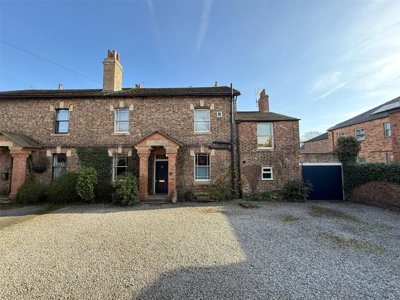
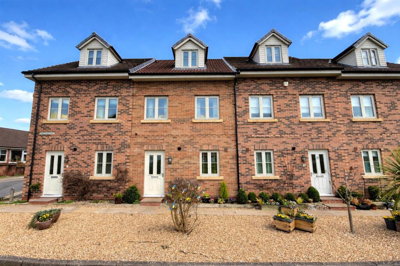
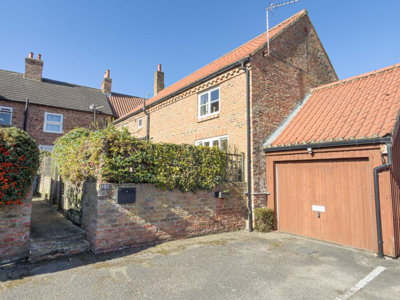
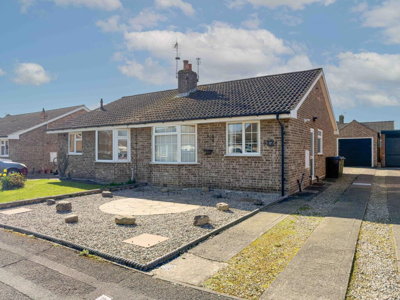
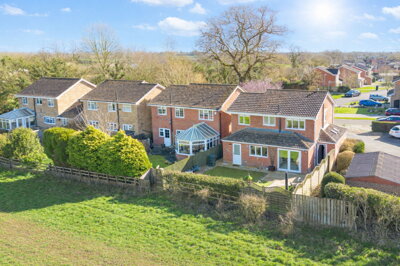
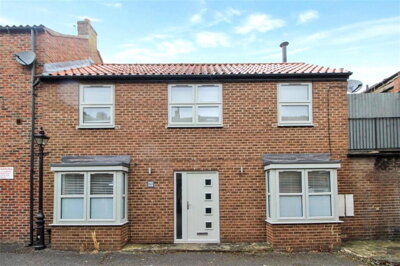
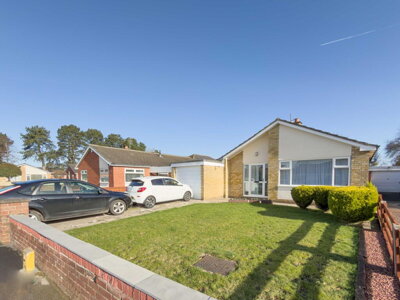
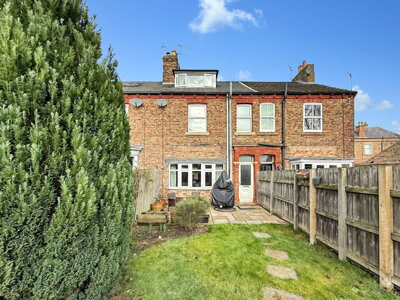
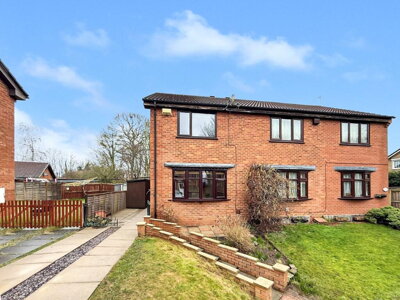
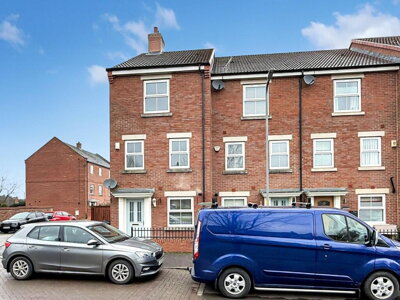
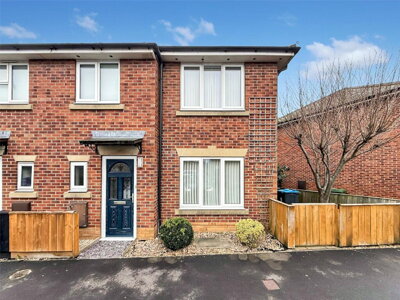
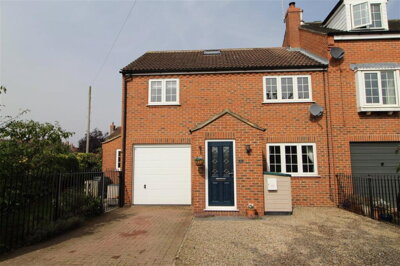
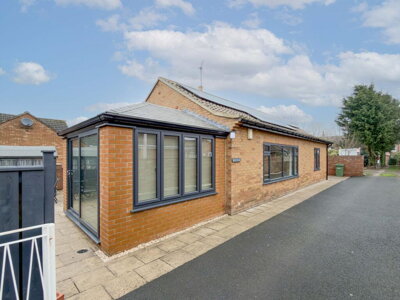
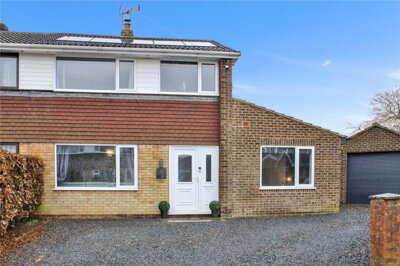
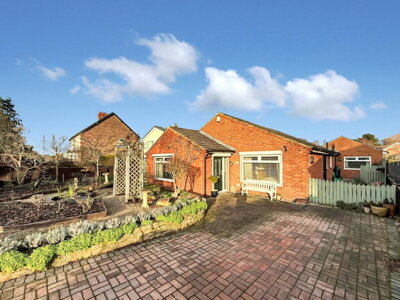
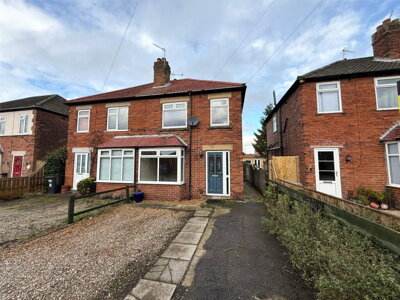
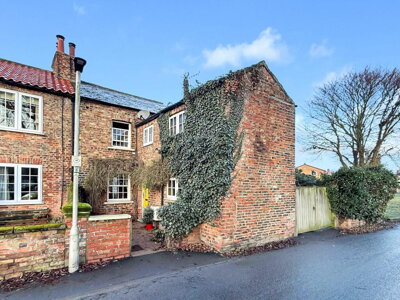
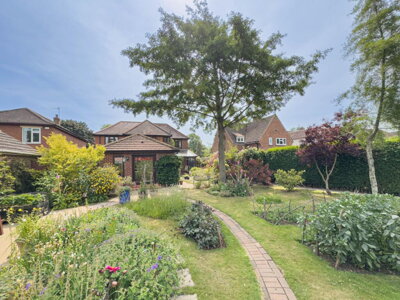
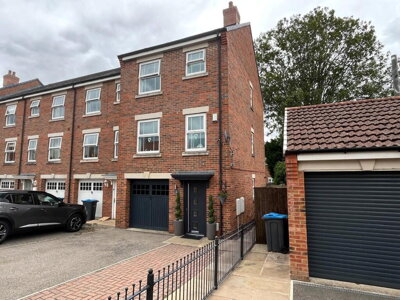
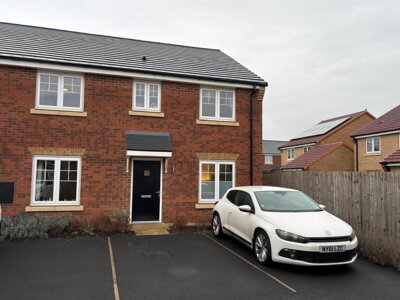
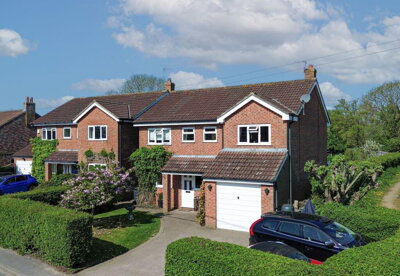
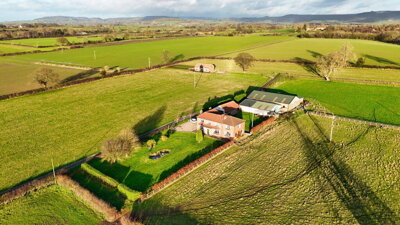
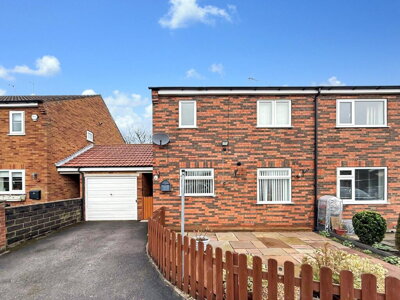
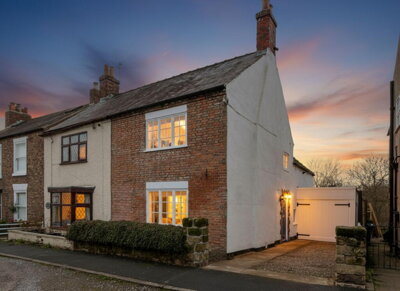
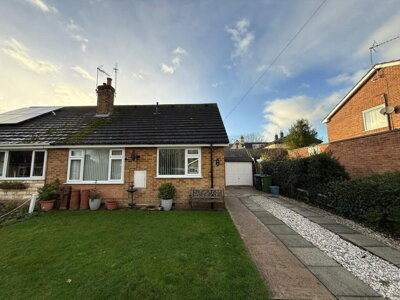
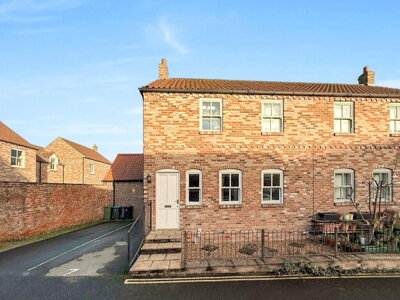
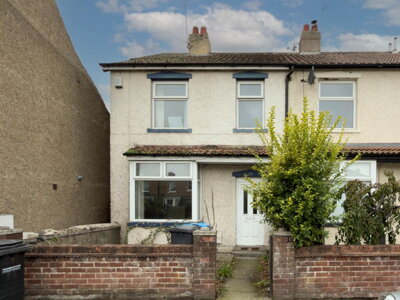
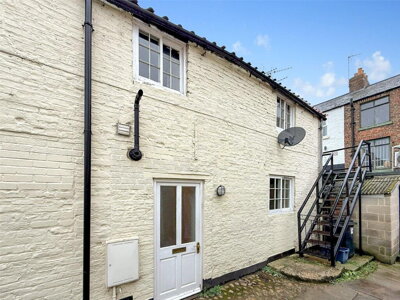
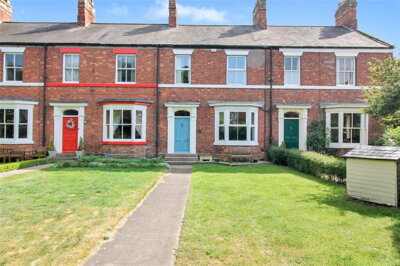
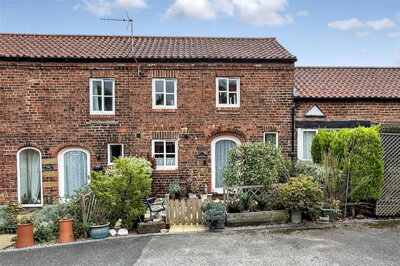
Browse 99 homes for sale in Bagby, North Yorkshire from local estate agents.
The Bagby property market offers detached, semi-detached, and terraced houses spanning various price ranges and neighbourhoods. Each listing includes detailed property information, photographs, and direct contact with the marketing agent.
£408k
2
0
134
Source: home.co.uk
Showing 2 results for Houses for sale in Bagby, North Yorkshire. The median asking price is £407,500.
Source: home.co.uk
Detached
1 listings
Avg £600,000
Terraced
1 listings
Avg £215,000
Source: home.co.uk
Source: home.co.uk
The Bagby property market presents a balanced mix of housing types that reflect the village's evolution from a traditional farming community to a sought-after residential location. Detached properties command the highest prices, averaging £408,000, which is typical for the generous plot sizes and rural settings these homes offer. Semi-detached properties, which make up around 30% of the housing stock, provide more accessible entry points at approximately £279,000, appealing to families seeking village life without the premium associated with detached homes.
Terraced properties in Bagby average £215,000, offering excellent value for buyers looking to step onto the property ladder in a desirable rural location. These homes often feature the characteristic local stone construction and traditional layouts that give Bagby its distinctive character. Flats remain relatively scarce in the village, averaging £145,000, though they represent only around 6% of the housing stock. Over the past 12 months, 18 property sales have completed in Bagby, demonstrating consistent market activity despite the village's modest size.
The age profile of properties in Bagby reveals a rich architectural heritage, with 35% of homes built before 1919. These pre-1919 properties include several listed buildings, most notably Bagby Hall which holds Grade II* listed status, alongside numerous Grade II listed cottages and farmhouses. A further 30% of properties were constructed between 1945 and 1980, representing the post-war expansion of the village. This diverse housing stock means buyers can choose between historic character homes requiring some renovation and more recent constructions offering modern insulation and systems.
Our inspectors regularly survey properties throughout Bagby, and we have found that the village's housing stock presents a variety of considerations depending on construction era and materials. Properties built before 1930 typically feature solid wall construction with local limestone or sandstone, while post-war properties often incorporate cavity wall construction with traditional brick. Understanding these differences helps you appreciate why certain properties command premium prices and what maintenance considerations apply to each type.

When our surveyors inspect properties in Bagby, we consistently encounter several defect patterns that reflect the local construction methods and age of housing stock. Damp issues rank among the most common problems we identify, particularly in the 35% of properties built before 1919. These historic homes often lack modern damp-proof courses, and solid stone walls can allow moisture penetration through capillary action. We check all walls systematically during every inspection, measuring moisture levels and assessing ventilation to identify properties where damp has become established or where conditions make damp development likely.
Roof conditions require careful assessment across all Bagby properties, but especially those with historic coverings. Many pre-1919 properties feature slate or traditional clay pantile roofs, and our inspectors examine these coverings for slipped tiles, degraded pointing at ridges and valleys, and general wear that could lead to water ingress. We have found that some older properties in the village have roofs approaching the end of their serviceable life, with repairs needed that can cost £3,000 to £8,000 depending on roof size and complexity.
The underlying Triassic sandstone and mudstone geology, combined with glacial till deposits containing significant clay content, creates moderate to high shrink-swell risk for foundations in Bagby. Properties with trees planted near the structure or those with poor drainage systems can experience foundation movement over time. Our surveyors check for signs of structural movement including diagonal cracking above door frames, windows that stick or draft, and uneven floor levels. While major structural issues are uncommon, minor movement signs in older properties require careful assessment to determine whether repairs have been completed and whether the issue is active.
Electrical and plumbing systems in the 80% of Bagby properties built before 1980 frequently require attention during our inspections. Pre-war properties may still contain rubber or fabric-covered electrical cables that have degraded over decades, representing both a maintenance concern and a potential fire hazard. Similarly, galvanised steel or even lead water pipes remain in some older homes, which can affect water quality and pressure. We note these findings in every survey report, helping you understand what updates may be needed and providing negotiating leverage where appropriate.
Life in Bagby revolves around the peaceful rhythms of rural North Yorkshire, where community spirit thrives despite the village's small population of around 600 residents. The village maintains essential local amenities including a traditional pub, which serves as a focal point for social gatherings and village events. Residents enjoy the abundance of countryside walks that radiate from the village, exploring hedgerow-lined lanes, open farmland, and the picturesque landscapes that define this part of Yorkshire. The nearby Cod Beck provides both scenic beauty and a reminder of the local geography that has shaped the village over centuries.
The demographic profile of Bagby reflects a balanced community with families, working professionals, and retirees all finding their place in village life. Local employment opportunities centre on agriculture, local services, and commuting to nearby market towns. Thirsk, just a short drive away, offers comprehensive shopping facilities, supermarkets, healthcare services, and a weekly market that has operated for generations. Northallerton provides further retail and administrative services as the county town of North Yorkshire, while York and Teesside remain accessible for those working in larger urban centres. The stable local economy and consistent demand for village properties suggest Bagby will remain an attractive location for years to come.
The physical landscape around Bagby reflects its North Yorkshire heritage, with properties predominantly constructed from local limestone and sandstone that blend harmoniously with the surrounding countryside. Many homes feature traditional slate or pantile roofs, with rendered finishes seen on some updated properties. The underlying Triassic sandstone and mudstone geology, overlaid with glacial till deposits, contributes to the agricultural character of the area while presenting some considerations for property buyers regarding foundation conditions and drainage. When viewing properties in the village, our team recommends checking drainage patterns around the structure, particularly after rainfall, as some areas show surface water accumulation that may indicate drainage system limitations.
The Cod Beck watercourse that flows near Bagby creates both amenity value and practical considerations for certain properties. Homes in close proximity to the watercourse fall within areas at fluvial flood risk, which can affect insurance premiums and mortgage availability for some buyers. Our inspectors always flag proximity to watercourses in survey reports, and we recommend requesting specific flood risk information from the Environment Agency before committing to any purchase in the village.
Understanding how properties in Bagby were constructed helps you appreciate their characteristics and maintenance requirements. The majority of pre-1930 properties in the village feature traditional solid wall construction using local limestone and sandstone rubble, typically 450-600mm thick, with lime-based mortars and renders that allow the structure to breathe. These solid walls perform differently from modern cavity walls, maintaining more consistent internal humidity levels but requiring different approaches to insulation and damp management. Our surveyors are experienced in assessing these traditional construction methods and can identify where original materials have been maintained or where inappropriate modern alternatives may have caused problems.
Post-war properties in Bagby, representing around 30% of the housing stock built between 1945 and 1980, typically feature cavity wall construction with brick outer leaves and blockwork or brick inner leaves. These properties generally offer better thermal performance and easier installation of modern insulation but may present their own issues including cavity insulation bridging, mortar joint deterioration, and render failures where these finishes have been applied. The remaining 20% of properties built after 1980 incorporate modern building standards including cavity wall insulation, uPVC windows, and contemporary roofing materials that generally require less maintenance than their historic counterparts.
Timber roof structures are universal across Bagby's housing stock, regardless of construction era. These traditionally constructed roofs use rafters, purlins, and ceiling joists to create the load-bearing structure beneath slate, tile, or pantile coverings. Our inspectors examine timber elements for signs of woodworm activity, wet rot, and dry rot, which can affect structural integrity and require treatment or replacement. Properties with original timber frames, particularly in the pre-1919 category, may show evidence of past timber treatment or structural repairs that our surveyors document in detail.
The local building tradition of using natural stone and traditional finishes means that many Bagby properties present a distinctive appearance that buyers find attractive. However, this same stone construction requires ongoing maintenance including repointing of mortar joints every 20-30 years and attention to any areas where stone has weathered or become displaced. Our survey reports include specific recommendations for maintaining traditional construction, helping you budget for future work and avoid expensive emergency repairs.
Education provision in the Bagby area serves families with children of all ages, with primary schooling available in nearby villages and market towns. The village's own school history reflects the traditional pattern of small rural schools that once served North Yorkshire communities, though families should check current provision and transport arrangements with North Yorkshire County Council. Secondary education options in the area include schools in Thirsk and Northallerton, both offering comprehensive curricula and sixth form provision for older students. Parents should research catchment areas and admissions criteria when considering properties in Bagby, as school placements can significantly influence family housing decisions.
Thirsk schools are particularly accessible from Bagby, with secondary pupils typically eligible for school transport arranged by the local authority. The journey takes around 15-20 minutes by bus, passing through attractive North Yorkshire countryside that many students find pleasant for daily travel. Schools in Thirsk have established reputations within the local community, and the town has served as an educational centre for surrounding villages for generations. Northallerton Grammar School and other secondary options in the county town offer alternative choices for families willing to travel slightly further.
Beyond state education, the wider North Yorkshire area offers independent schooling options for families seeking alternative educational approaches. The historic market towns of Harrogate and York host several well-regarded independent schools, though these require longer daily commutes from Bagby. For families considering listed properties, it is worth noting that any plans for home modifications or extensions may require listed building consent, and parents should factor potential restrictions into their decision-making process. The proximity to excellent universities in York and Durham makes Bagby an attractive base for families with older children planning higher education.
Our team has worked with numerous families relocating to Bagby from larger towns and cities, and school considerations frequently feature in their decision-making process. We recommend visiting potential schools before committing to a purchase, as catchment boundaries can shift and place availability varies by year group. The North Yorkshire County Council website provides current information on school admissions, transport eligibility, and Catchment area maps that can help you identify which schools serve specific addresses in and around Bagby.
Bagby benefits from its position within North Yorkshire, offering connectivity to surrounding towns while maintaining the tranquility of rural village life. The A19 trunk road runs nearby, providing direct access to York to the east and Teesside to the north, making car travel practical for commuters working in these larger centres. Thirsk railway station offers connections to major cities including York, Newcastle, and Leeds, with regular services throughout the day. The village's position between the North York Moors and the Vale of York creates pleasant driving routes through the countryside for those who enjoy scenic journeys.
Local bus services connect Bagby with surrounding villages and market towns, though the frequency of services reflects the rural nature of the area. Residents without cars typically find a vehicle essential for daily life in Bagby, though the manageable distance to local amenities means cycling is popular for shorter journeys. Parking in the village reflects its traditional layout, with properties generally offering off-street parking or garage facilities. For those commuting to York or Leeds, the journey times by car range from 45 minutes to over an hour depending on traffic conditions, making regular commuting feasible but requiring commitment.
The railway station at Thirsk provides mainline access that significantly enhances Bagby's connectivity for commuters. Regular services connect to York in approximately 30 minutes, Newcastle in around an hour, and Leeds in 45 minutes to an hour depending on connections. This makes day commuting to major employment centres practical for those who can arrange flexible working patterns or hybrid arrangements. The station has parking facilities for those wishing to drive to the station rather than relying on bus connections from Bagby.
For property buyers considering commuting implications, we recommend checking current train timetables and considering whether the available services match your employer's requirements. Some buyers are pleasantly surprised by the connectivity available from a village location, while others find the practical realities of rural commuting less suited to their working patterns. Our team can provide guidance on typical commute times and transport options based on enquiries we regularly receive from buyers moving to the Bagby area.
Spend time exploring Bagby and surrounding villages to understand the local property market, community atmosphere, and practical considerations like school catchments and transport options. Visit at different times of day and week to get a genuine feel for village life. Our team can provide insights into recent sales, upcoming listings, and how the local market compares to neighbouring communities. We recommend speaking with local residents, visiting the village pub, and exploring footpaths and amenities to confirm that village life suits your preferences before beginning your property search.
Speak to a mortgage broker or lender to obtain an agreement in principle before viewing properties. This strengthens your position when making offers and helps you understand your true budget in the current market where average prices in Bagby start around £215,000 for terraced homes. With the average property price at £332,900 and detached homes averaging £408,000, knowing your financial limits helps you focus on appropriate properties. We work with mortgage advisors who understand the Bagby market and can arrange competitive rates for rural property purchases.
Work with estate agents listing properties in Bagby to arrange viewings of homes that match your requirements. Note any properties of interest for second viewings, paying particular attention to construction materials, age of property, and any signs of maintenance needs. Our inspectors often accompany second viewings for clients who want expert input before making an offer, and we can flag concerns about specific construction types, potential defects, or areas requiring detailed assessment during the formal survey.
For most properties in Bagby, particularly the 80% built before 1980, a RICS Level 2 Survey is essential. This homebuyer report typically costs between £450-£700 for a 3-bedroom property and will identify defects like damp, roof condition, and structural issues common in older properties. Our RICS qualified surveyors understand the common defects found in Bagby properties, from damp in solid-wall construction to timber issues in period properties, providing you with a thorough assessment before you commit to purchase.
Appoint a solicitor experienced in North Yorkshire property transactions to handle the legal work. They will conduct searches, handle contracts, and manage the transfer of ownership through to completion. Local solicitors familiar with village properties understand specific considerations including drainage arrangements, rights of way across agricultural land, and any unusual features of properties in rural communities. We can recommend conveyancers who have handled previous Bagby transactions successfully.
Once all searches are satisfactory and financing is confirmed, you will exchange contracts and pay your deposit. Completion typically follows within weeks, when you receive the keys and take ownership of your new Bagby home. Our team stays in touch throughout the transaction process, ensuring you have all the information you need about your new property including any outstanding survey findings that should be addressed once you move in.
Purchasing a property in Bagby requires attention to specific factors related to the village's geography, housing stock, and planning history. Properties constructed before 1919 make up over a third of the housing stock, and these historic homes often feature traditional construction methods that differ significantly from modern buildings. Solid walls, original timber frames, and period features require different maintenance approaches than cavity-wall construction properties, and potential buyers should understand these differences before committing to a purchase. The presence of listed buildings throughout Bagby means additional regulations may apply to modifications or renovations.
Flood risk represents a practical consideration for properties near watercourses in Bagby. The nearby Cod Beck presents a fluvial flood risk to homes in close proximity to the watercourse, while surface water flooding can occur during heavy rainfall in other areas. A property at flood risk may face higher insurance premiums and require specific protections, so obtaining information about past flooding and flood defences is sensible before purchasing. The underlying glacial till deposits with their clay content create a moderate to high shrink-swell risk, which can affect foundations over time, particularly for properties with nearby trees or poor drainage.
When viewing properties in Bagby, pay attention to signs of damp which commonly affect older properties lacking modern damp-proof courses. Inspect roof conditions carefully, as slate and pantile roofs on historic properties may show wear, slipped tiles, or degraded pointing. Electrical and plumbing systems in pre-1980s properties may not meet current standards and could require updating. Properties with extensions or unusual construction will benefit from more detailed surveys, and listed buildings should ideally be assessed with a RICS Level 3 Survey due to their complex historical construction.
Our inspectors have surveyed numerous properties throughout Bagby, and we have developed specific expertise in identifying issues common to local construction types. We check for signs of past timber treatment, assess the condition of original windows and doors, examine pointing quality on stone walls, and evaluate drainage systems against the local geology. This experience means we can provide informed guidance on what constitutes normal wear for a property of its age and construction type, and what represents a defect requiring attention or price reduction.
The average house price in Bagby is £332,900 as of February 2026, with detached properties averaging £408,000, semi-detached homes at £279,000, terraced properties at £215,000, and flats around £145,000. House prices have increased by 4.1% over the past 12 months, indicating steady demand for property in this North Yorkshire village. With 18 property sales completing in the last year, the market remains active despite Bagby's small population of approximately 600 residents. This price data reflects genuine sales activity across all property types, though individual properties may trade above or below these averages depending on condition, position, and specific features.
Properties in Bagby fall under North Yorkshire Council, with the Harrogate district area responsible for council tax purposes. Most residential properties in the village typically fall within council tax bands A through D, reflecting the range of property sizes and values in the rural community. Exact bands depend on the property's assessed value, and buyers should verify the specific band with the local council or during the conveyancing process, as bands can affect ongoing running costs. For budgeting purposes, a typical three-bedroom detached property in Bagby would likely fall within band C or D, while smaller terraced homes might be categorised as band A or B.
Primary education near Bagby is served by schools in nearby villages and towns, with families typically using transport arrangements provided by North Yorkshire County Council. Thirsk Secondary School and schools in Northallerton provide comprehensive secondary education with sixth form facilities, and both towns are within practical commuting distance from Bagby village. The wider area offers independent schooling options in Harrogate and York for families seeking alternatives to state education. Parents should check current admission policies and catchment areas with North Yorkshire County Council, as these can influence which schools children from specific addresses can attend and may affect property values for families with school-age children.
Bagby has limited public transport options typical of a rural North Yorkshire village. Local bus services connect to surrounding villages and market towns, though frequencies reflect the sparse population and services may be reduced at weekends and during school holidays. Thirsk railway station provides the mainline rail access point for residents, offering regular connections to York, Newcastle, and Leeds for commuters working in these cities. The nearby A19 provides road connectivity to York and Teesside, though car ownership remains essential for most residents managing daily life. Our team can advise on typical commute times and transport arrangements based on your specific employment location.
Bagby offers stable property investment potential based on consistent demand for rural homes in North Yorkshire. The village's 4.1% price increase over 12 months reflects growing interest in village locations with good regional connectivity, and the limited supply of properties in a village of around 250 households supports values over time. Properties near the Cod Beck floodplain may carry additional considerations including higher insurance costs and mortgage restrictions, while listed buildings offer character but require maintenance commitment and compliance with consent requirements for any alterations. The village's proximity to Thirsk, Northallerton, York, and Teesside makes Bagby attractive to commuters seeking rural character without sacrificing access to employment centres and urban amenities.
Stamp duty rates (SDLT) in England currently apply 0% on the first £250,000 of residential property purchases, 5% on the portion from £250,001 to £925,000, 10% from £925,001 to £1.5 million, and 12% above £1.5 million. First-time buyers receive relief on the first £425,000 at 0% rate, with 5% applying between £425,001 and £625,000. For a typical Bagby property at the average price of £332,900, a standard buyer would pay no stamp duty on the first £250,000 plus 5% on the remaining £82,900, totalling £4,145. First-time buyers would pay £0 on properties within the relief threshold, which covers most properties in Bagby at or below average price. Our team can provide more detailed calculations based on your specific purchase price and buyer status.
Our surveyors have identified several recurring issues during inspections in Bagby that buyers should understand before purchasing. Damp affects many properties built before 1930, particularly those with solid stone walls lacking modern damp-proof courses, and we measure moisture levels throughout our surveys to identify affected properties. Roof conditions require careful assessment on older properties, as slate and pantile coverings on pre-1919 homes often show wear including slipped tiles, degraded pointing, and moss accumulation that can hold moisture against the covering. The clay content in local glacial till deposits creates shrink-swell risk that can cause foundation movement, and we check properties for signs of structural movement including diagonal cracking and uneven floors. Electrical systems in pre-1980s properties frequently require updating, and we recommend having a qualified electrician assess fuse boards, wiring, and socket positions before completion.
From £450
A detailed inspection of the property condition, ideal for most homes in Bagby. Identifies defects common to local housing stock including damp, roof issues, and structural concerns.
From £600
A comprehensive building survey recommended for older properties, listed buildings, and non-standard construction. Provides detailed assessment of all visible and accessible elements.
From £499
Our panel solicitors handle all legal aspects of your Bagby property purchase, including local searches, contracts, and registration.
From 4.5% APR
Expert mortgage advice tailored to your circumstances, with access to exclusive rates for rural properties.
Understanding the full costs of purchasing property in Bagby helps buyers budget accurately and avoid surprises during the transaction process. The stamp duty land tax (SDLT) represents the most significant government levy, with standard rates applying 0% to the first £250,000, 5% between £250,001 and £925,000, 10% from £925,001 to £1.5 million, and 12% on amounts exceeding £1.5 million. For a terraced property in Bagby averaging £215,000, standard buyers would pay no SDLT, while first-time buyers receive relief on the full amount. At the village average of £332,900, SDLT for standard buyers amounts to £4,145.
First-time buyers purchasing in Bagby benefit from increased SDLT thresholds, paying nothing on properties up to £425,000 and 5% only on the portion between £425,001 and £625,000. This means first-time buyers purchasing at or below the average Bagby price of £332,900 would pay zero stamp duty. Additional purchase costs include solicitor fees averaging £800-£1,500 for conveyancing, search fees around £250-£400, and mortgage arrangement fees typically £500-£2,000 depending on the lender and product chosen. A RICS Level 2 Survey costs between £450-£700 for a typical 3-bedroom property in Bagby, while larger or more complex properties may incur higher fees.
Removal costs vary based on distance and volume of belongings, while buildings insurance must be arranged from the point of contract exchange. For properties in Bagby with features like thatched roofs, listed building status, or flood risk proximity, insurance costs may be higher and specialist insurers might be required. Survey costs should be budgeted carefully, particularly for the 35% of properties built pre-1919 or the several listed buildings in the village. These older properties often reveal issues during survey that require negotiation with sellers or budget allocation for post-purchase remediation.

Properties for Sale In London

Properties for Sale In Plymouth

Properties for Sale In Liverpool

Properties for Sale In Glasgow

Properties for Sale In Sheffield

Properties for Sale In Edinburgh

Properties for Sale In Coventry

Properties for Sale In Bradford

Properties for Sale In Manchester

Properties for Sale In Birmingham

Properties for Sale In Bristol

Properties for Sale In Oxford

Properties for Sale In Leicester

Properties for Sale In Newcastle

Properties for Sale In Leeds

Properties for Sale In Southampton

Properties for Sale In Cardiff

Properties for Sale In Nottingham

Properties for Sale In Norwich

Properties for Sale In Brighton

Properties for Sale In Derby

Properties for Sale In Portsmouth

Properties for Sale In Northampton

Properties for Sale In Milton Keynes

Properties for Sale In Bournemouth

Properties for Sale In Bolton

Properties for Sale In Swansea

Properties for Sale In Swindon

Properties for Sale In Peterborough

Properties for Sale In Wolverhampton

Enter your details to see if this property is within your budget.
Loans, cards, car finance
Estimated property budget
Borrowing + deposit
You could borrow between
Typical borrowing
Monthly repayment
Est. at 4.5%
Loan-to-value
This is an estimate only. Your actual budget may vary depending on interest rates, credit history, and personal circumstances. For an accurate affordability assessment, speak to one of our free mortgage advisors.
This calculator provides estimates for illustrative purposes only and does not constitute financial advice. Your home may be repossessed if you do not keep up repayments on your mortgage. Estimates based on 4.5% interest rate, repayment mortgage. Actual rates depend on your circumstances.
Homemove is a trading name of HM Haus Group Ltd (Company No. 13873779, registered in England & Wales). Homemove Mortgages Ltd (Company No. 15947693) is an Appointed Representative of TMG Direct Limited, trading as TMG Mortgage Network, which is authorised and regulated by the Financial Conduct Authority (FRN 786245). Homemove Mortgages Ltd is entered on the FCA Register as an Appointed Representative (FRN 1022429). You can check registrations at NewRegister or by calling 0800 111 6768.

We use cookies to show you personalised content and improve your experience of our website. Find out more in our Privacy policy and Cookie policy.