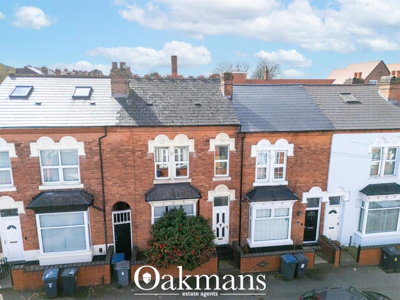
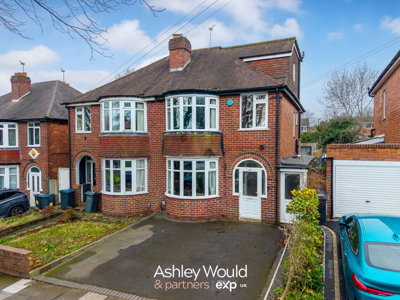
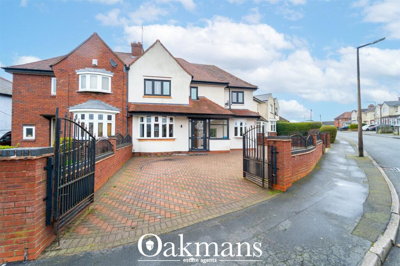
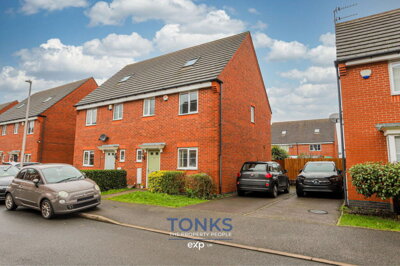
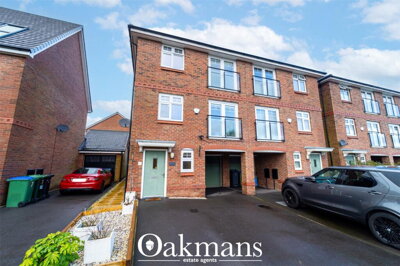
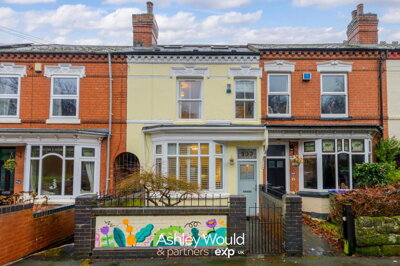
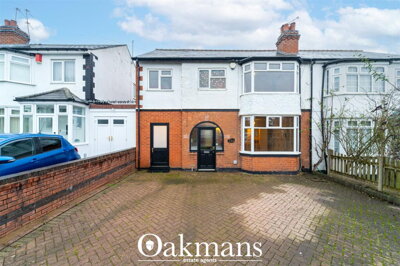
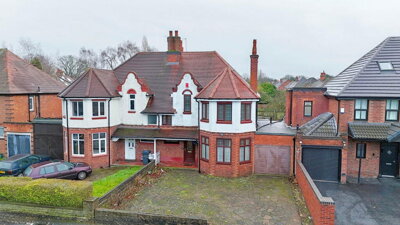
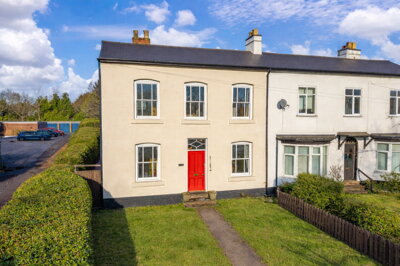
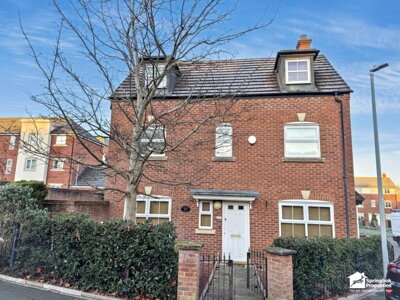
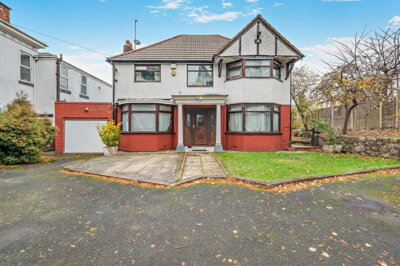
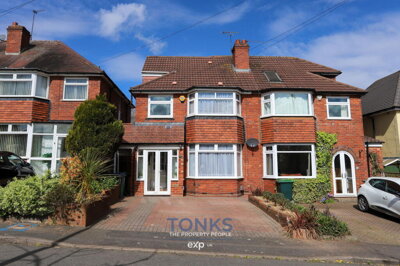
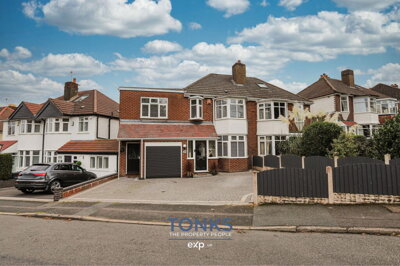
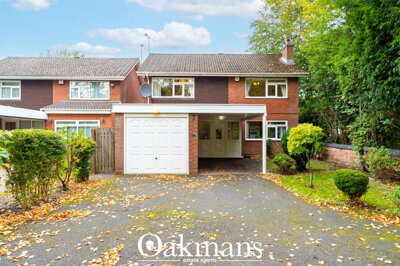
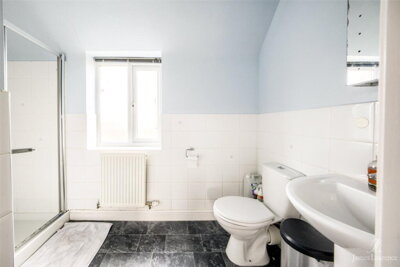
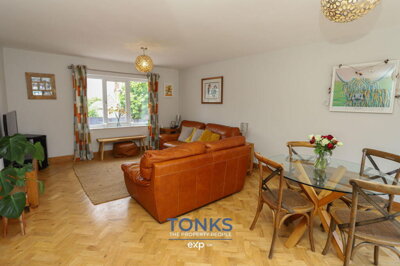
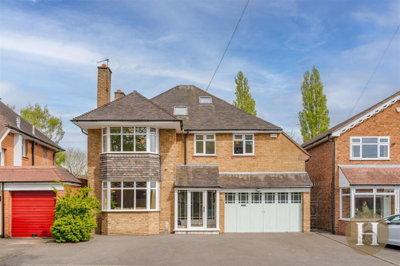
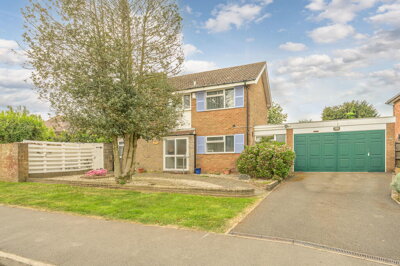
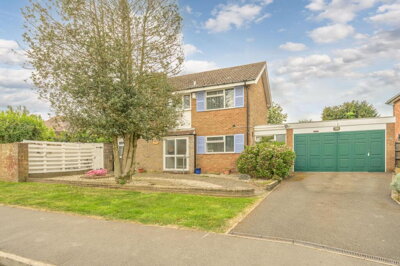
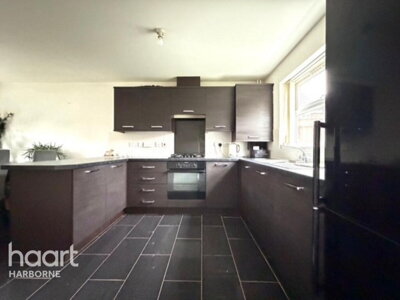
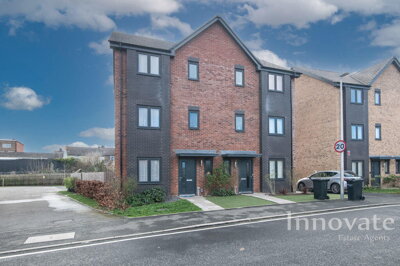
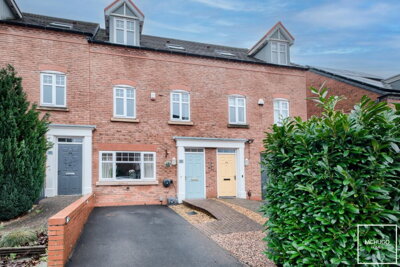
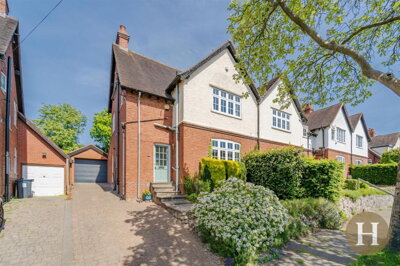
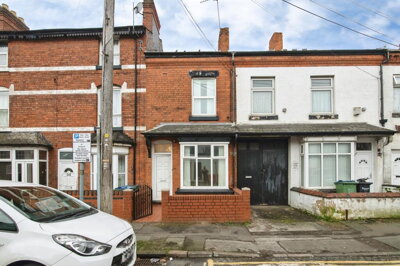
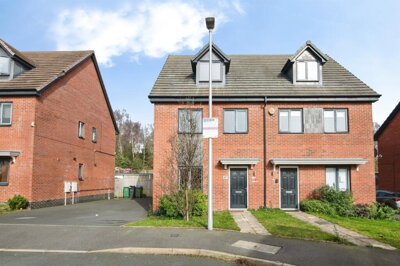
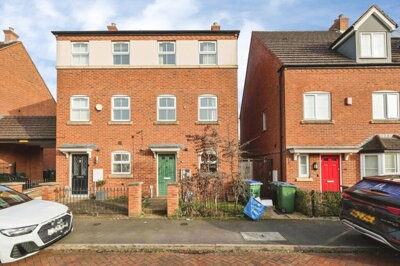
Browse 141 homes for sale in B67 from local estate agents.
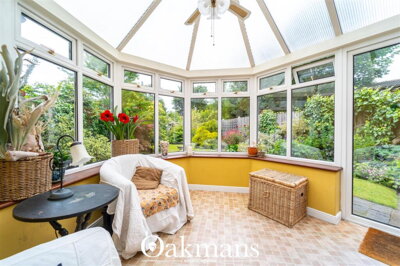
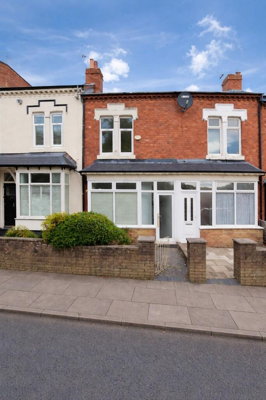
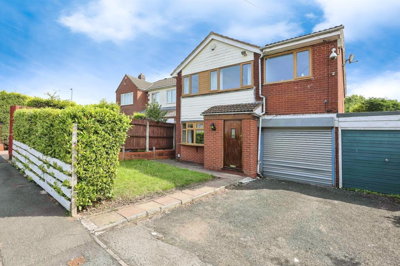
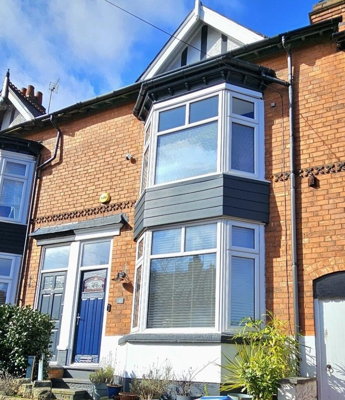
The larger property sector typically features multiple bathrooms, substantial reception space, and private gardens or off-street parking. Four bedroom houses in B67 span detached, semi-detached, and occasionally terraced configurations, with styles ranging from period properties to modern executive homes.
£345k
7
1
147
Source: home.co.uk
Showing 7 results for 4 Bedroom Houses for sale in B67. 1 new listing added this week. The median asking price is £345,000.
Source: home.co.uk
Terraced
4 listings
Avg £383,738
Semi-Detached
2 listings
Avg £295,000
Detached
1 listings
Avg £515,000
Source: home.co.uk
Source: home.co.uk
The B67 property market reflects the area's established character and its position within the Sandwell housing landscape. We track 200 property sales completed in the twelve months to January 2026, indicating steady transaction volumes that suggest a healthy market where buyers and sellers can negotiate with confidence. The overall average price of £265,580 has remained virtually flat over the past year, rising just 0.2%, which presents opportunities for buyers who may find less competition than in more volatile postcode areas.
Semi-detached houses dominate B67 at 40.5% of the housing stock, offering the space and layout that families typically seek when moving beyond flats or smaller terraces. These properties average around £280,000, providing comfortable three-bedroom accommodation with gardens suitable for children and pets. Terraced properties follow at 32.5%, with prices averaging £222,500, making them particularly attractive to first-time buyers who want to enter the property market without the commitment required for a larger semi-detached home. Our inspectors frequently survey terraced properties in streets around Rowley Regis town centre, where the original Victorian and Edwardian construction often includes features that require careful assessment.
Flats and maisonettes account for 11.5% of B67 housing stock, offering the most affordable entry point at around £145,000. These properties suit investors seeking rental income or buyers who prioritise location and convenience over outdoor space. Detached properties represent the premium segment at 15.5% of stock, commanding the highest average price of £408,660. Buyers seeking detached homes in B67 typically prioritise privacy, parking, and larger gardens, with properties often located on quieter residential roads away from the main thoroughfares.
The only verified new-build development within B67 is The Hawthorns by Persimmon Homes on Halfords Lane, offering two, three, and four-bedroom homes from £234,995. This development provides modern construction benefits including warranties and contemporary energy efficiency, though buyers should note that new-build premiums can be offset by the character and established infrastructure found in the area's older housing stock. For buyers considering older properties, understanding the construction history becomes essential, as approximately 90% of homes in B67 were built before 1980, with 25% dating from the Victorian and Edwardian periods before 1919.

The B67 postcode area is home to approximately 15,000 residents across roughly 6,000 households, creating a community of manageable size where neighbours often recognise one another and local businesses develop loyal customer bases. The population density reflects the area's suburban character, offering enough scale to support independent shops, pubs, and community facilities while retaining the intimate feel that many buyers seek when moving away from larger city centres. The demographic mix includes young families, established couples, and older residents who have lived in the area for decades, creating intergenerational communities that contribute to local schools, sports clubs, and cultural activities.
Rowley Regis town centre serves as the focal point for daily life in B67, offering a range of shops, takeaways, and services clustered around the main shopping streets. The high street hosts independent retailers alongside familiar convenience stores, while the surrounding residential streets feature local butchers, bakers, and family-run cafes that have served the community for generations. We often find that buyers relocating from busier urban areas comment on the welcoming atmosphere of Rowley Regis, where shop owners remember regular customers by name and community events bring residents together throughout the year.
The built environment of B67 tells the story of the Black Country's industrial past, with properties predominantly constructed from traditional red brick during the Victorian, Edwardian, and post-war periods. Approximately 30% of housing stock dates from the interwar years between 1919 and 1945, while 35% was built during the major expansion period between 1945 and 1980. This architectural heritage gives Rowley Regis its distinctive character, with wide residential streets, mature gardens, and buildings that reflect the craftsmanship of earlier eras. Modern modifications and rendering are common on older properties, reflecting how residents have adapted homes to suit contemporary tastes and energy efficiency requirements.
Green spaces provide important breathing room within B67's predominantly residential streets, with local parks offering facilities for children, sports pitches for team activities, and walking routes through established tree-lined avenues. These parks contribute significantly to quality of life for residents at every stage, from young families using play equipment to older residents enjoying daily walks. The proximity of Rowley Regis to the wider Sandwell area means residents can easily access larger green spaces and nature reserves when seeking more extensive outdoor recreation.
Families considering a move to B67 will find a range of educational establishments within reasonable distance, reflecting the area's established residential character and its position within the Sandwell school admission system. Primary schools in the vicinity serve children from Reception through Year 6, with Ofsted inspection outcomes varying as across all local authority areas, meaning parents should research individual school performance rather than assuming all local options meet identical standards. The secondary school allocation process operates through Sandwell Metropolitan Borough Council's admissions team, with catchment areas determining which schools pupils can reasonably expect to access based on their home address.
The proximity of B67 to several secondary school options means families have meaningful choices when selecting education for their children. We regularly see buyers specifically requesting information about local school performance before committing to a purchase, as the catchment area for secondary schools can significantly affect daily routines and long-term educational outcomes. Primary schools in the immediate B67 area tend to draw from established residential neighbourhoods, creating familiar peer groups that many families value when planning their move.
For families prioritising academic selection, the West Midlands hosts several grammar schools that operate selective admissions based on entrance examination performance, though competition for places can be significant and transportation requirements may extend the school run considerably. The nearest grammar schools to B67 attract applications from across Sandwell and neighbouring boroughs, meaning children may need to travel substantial distances if accepted. Parents should weigh the benefits of selective education against the practical demands of daily transportation when evaluating properties in the area.
Post-16 education options in the wider Sandwell area include sixth forms at local secondary schools and further education colleges offering vocational qualifications and A-levels across a broad range of subjects. The age distribution of B67's housing stock, with 90% of properties built before 1980, means that many local schools have served successive generations of the same families, creating established community connections that families often cite when explaining their attachment to the area. This generational continuity contributes to school cultures that reflect local values and expectations, which may differ from newer housing developments where families arrive from diverse backgrounds without existing connections to the neighbourhood.
Connectivity from B67 to major employment centres represents one of the postcode's strongest attributes, with the West Midlands Metro tram service providing reliable public transport links to Birmingham city centre and surrounding towns. The tram network serves communities across the Black Country and into Birmingham, with regular services enabling commuters to travel without the stress of city centre parking or fuel costs associated with private vehicle use. The nearest tram stop to B67 provides convenient access to the network, with services running throughout the day from early morning until late evening on most routes.
Bus services operated by National Express West Midlands and other providers supplement the tram network, offering additional route options and greater flexibility for journeys that fall outside tram operating hours. Local bus routes connect B67 to surrounding towns including Dudley, Oldbury, and West Bromwich, providing practical options for residents who work locally rather than commuting to Birmingham city centre. We find that many buyers appreciate the redundancy offered by multiple transport options, which provides resilience when services are disrupted or when journey requirements change.
Road connections from B67 include straightforward access to the A4123 Birmingham New Road, which links Rowley Regis to Dudley and Wolverhampton while providing connections to the wider motorway network. The M5 motorway is accessible within a short drive, offering routes to Birmingham, the West Midlands, and beyond for those whose employment or lifestyle requires regular vehicle use. Commuters to Birmingham city centre can typically expect journey times of 30-45 minutes by public transport or similar durations by car depending on traffic conditions, positioning B67 as a practical location for those who work in the city but prefer residential environments with lower property costs.
Parking availability in B67 generally exceeds city centre provisions, with most residential streets offering on-street parking that accommodates household vehicles without the premium costs associated with city centre living. Properties with private driveways or garages command additional value, particularly in streets where parking pressure has increased as household vehicle ownership has grown. Cyclists benefit from connections to regional cycling networks, though the hilly terrain characteristic of parts of the Black Country may require consideration when planning active travel commutes.
Explore the specific street and area where you want to buy, considering proximity to schools, transport links, and local amenities. In B67, factors like flood risk areas and mining legacy may affect certain properties, so understanding local geography helps refine your shortlist.
Contact lenders or mortgage brokers to obtain an agreement in principle before making offers. With B67 properties ranging from £145,000 to over £400,000, knowing your borrowing capacity helps you focus on properties within your budget and demonstrates your seriousness to sellers.
View multiple properties across different tenures and conditions. Given B67's varied housing stock from Victorian terraces to modern new builds, experiencing different property types helps you understand what represents genuine value in the current market.
With 90% of B67 properties built before 1980, a thorough survey is essential. A Level 2 survey costs approximately £400-£700 depending on property size and identifies issues like damp, roof condition, subsidence risk from clay geology, and electrical upgrades needed in older properties.
Choose a solicitor experienced in Sandwell property transactions to handle legal work including searches, contracts, and registration. Local knowledge of the area can help identify potential issues with specific developments or property types.
Once mortgage offers are confirmed and surveys satisfactory, your solicitor will exchange contracts and agree a completion date. On completion, you receive the keys and become the official owner of your new B67 home.
Properties in B67 require careful evaluation of several area-specific factors that buyers may not encounter in newer developments or different regions. Our inspectors regularly identify issues that arise from the age and construction of local properties, and we recommend that buyers understand these factors before committing to a purchase. The underlying geology presents a moderate to high shrink-swell risk due to clay deposits, which can cause subsidence or heave in properties with inadequate foundations or nearby mature trees. Buyers should review survey reports carefully for any signs of structural movement, cracking, or foundation issues, and consider requesting a specialist structural engineer's report for properties where concerns arise.
The mining legacy of the Black Country adds another dimension to property due diligence in B67. Former coal mining activities have left underground workings that can lead to ground instability, subsidence, or in rare cases, mine gas emissions. A Coal Authority Mining Report should be obtained for any property, as this relatively inexpensive document reveals whether the property sits on or near former mine workings and identifies any historical mining features that might affect the structure. Mortgage lenders increasingly require this information, and surveyors will note any visible signs of mining-related subsidence. We find that properties on streets near former colliery sites or areas marked on historical mining maps receive particular scrutiny during surveys.
Flood risk varies across B67, with some areas presenting medium to high surface water flood risk, particularly in low-lying locations or those with inadequate drainage systems. The area is not at significant risk from major river flooding, but localised drainage issues during heavy rainfall can affect basements, gardens, and ground floor rooms. Survey reports typically flag flood risk assessments, and buyers should verify whether properties have experienced flooding in the past and what mitigation measures have been implemented. Buildings insurance costs may be higher for properties with significant flood history.
Electrical and plumbing systems in older B67 properties, particularly those built before the 1970s, may require upgrading to meet modern standards. Signs of outdated wiring include fabric-sheathed cables, round pin sockets, and fuse boxes with replaceable fuses rather than modern circuit breakers. Similarly, lead pipes or galvanized steel plumbing should prompt questions about water quality and potential replacement costs. Properties built before 2000 may contain asbestos-containing materials in textured coatings, insulation boards, or pipe lagging, which a surveyor will flag for assessment by a specialist if suspected. A qualified electrician can provide an electrical installation condition report, and the survey should flag any obvious concerns that warrant further investigation.

The overall average house price in B67 stands at approximately £265,580 according to data from January 2026. Detached properties average £408,660, semi-detached houses reach around £280,000, terraced homes sell for approximately £222,500, and flats remain the most affordable option at around £145,000. The market has shown remarkable stability with just 0.2% growth over the past twelve months, making it a relatively predictable environment for buyers and sellers alike. Semi-detached properties, which represent the largest segment of the housing stock at over 40%, have seen 0.2% growth, while terraced homes and flats have shown slight declines of 0.1% and 0.3% respectively over the same period.
Properties in B67 fall under Sandwell Metropolitan Borough Council, which sets council tax rates across bands A through H. Band A properties, typically lower value homes, pay the lowest rates while Band H properties attract the highest charges. Exact amounts change annually with council budget decisions, so buyers should verify current rates with Sandwell MBC or use online council tax calculators that can estimate bills based on property address and band. Council services funded by these charges include refuse collection, road maintenance, and local amenities. Most properties in B67 fall within bands A through D, reflecting the area's generally affordable property values compared to central Birmingham.
Primary and secondary schools in B67 operate under the Sandwell Metropolitan Borough Council admissions system, with individual school performance varying and regularly updated on the government School Performance Tables website. Parents should research Ofsted reports, recent examination results, and admissions criteria for each school rather than relying solely on reputation. The proximity to grammar schools in surrounding areas may influence family decisions, though selective school admissions require passing entrance examinations. We find that families often prioritise proximity to specific primary schools when choosing properties, as catchment areas can determine which school children automatically qualify for versus which require waiting lists or appeals.
B67 benefits from West Midlands Metro tram services that connect Rowley Regis to Birmingham city centre and surrounding Black Country towns with regular frequency throughout the day. Bus services operated by National Express West Midlands supplement tram routes, providing additional connections and later evening services. The A4123 Birmingham New Road offers straightforward road access, and the M5 motorway is within easy driving distance for those travelling further afield. Journey times to Birmingham New Street station typically range from 35-45 minutes by tram, making B67 practical for commuters who work in the city but prefer residential property costs that remain significantly below Birmingham averages.
B67 offers several characteristics attractive to property investors, including relatively affordable entry prices compared to Birmingham city centre, stable price growth that reduces market volatility risk, and strong rental demand driven by commuters seeking lower housing costs while maintaining city access. The area's established community character and local amenities support tenant retention, though investors should research specific streets and developments for factors that might affect desirability, such as proximity to industrial sites or transport noise. We often advise investors to focus on terraced properties and flats, where rental yields tend to be strongest due to lower purchase prices and consistent demand from young professionals and small families.
Standard stamp duty rates for 2024-25 apply no differently in B67 than elsewhere in England. Buyers pay nothing on properties up to £250,000, 5% on the portion from £250,001 to £925,000, 10% on the portion from £925,001 to £1.5 million, and 12% on any value exceeding £1.5 million. First-time buyers benefit from relief on the first £425,000 of properties valued up to £625,000, paying 0% on the first £425,000 and 5% on the amount between £425,001 and £625,000. Given that the B67 average price of £265,580 falls entirely within the nil rate band, most first-time buyers purchasing at typical prices would pay no stamp duty at all.
With approximately 90% of B67 properties built before 1980, buyers should pay particular attention to roof condition, damp issues, electrical wiring age, and any signs of structural movement. The clay geology and Black Country mining legacy create potential for subsidence, so survey reports require careful review. Requesting a Coal Authority Mining Report is advisable, and properties showing cracking or uneven floors warrant specialist structural engineering assessment before proceeding. We recommend that buyers always commission a RICS Level 2 Survey for older properties, as the investment typically costs between £400-£700 but can reveal issues that significantly affect value or require expensive remediation before purchase.
Purchasing a property in B67 involves several costs beyond the property price itself, and understanding these expenses helps buyers budget accurately and avoid delays during the transaction process. Stamp duty land tax represents the most significant additional cost for most buyers, with current rates applying based on the purchase price and the buyer's status. For a typical first-time buyer purchasing a terraced property at the B67 average of £222,500, no stamp duty would be payable as the purchase falls entirely within the nil rate band. Someone buying a semi-detached at £280,000 would similarly pay no stamp duty if qualifying as a first-time buyer, as the entire amount falls below the £425,000 first-time relief threshold.
The calculation changes for buyers who do not qualify for first-time relief or who are purchasing higher-value properties. A home buyer purchasing a property at £350,000 who does not qualify as a first-time buyer would pay 5% on £100,000 (the amount between £250,000 and £350,000), resulting in a £5,000 stamp duty bill. For the most expensive properties in B67, such as detached homes averaging £408,660, first-time buyers would pay 5% on the portion between £425,000 and £408,660, which in this case would be nothing since the average price falls below the relief threshold. Non-first-time buyers purchasing at this level would pay 5% on the £158,660 above the £250,000 threshold, equating to approximately £7,933.
Beyond stamp duty, buyers should budget for solicitor conveyancing fees that typically range from £499 to over £1,500 depending on the complexity of the transaction and the property value. Local search fees charged by Sandwell Metropolitan Borough Council cover environmental searches, drainage searches, and local authority queries, usually between £250 and £350. A RICS Level 2 Survey costs between £400 and £700 for most B67 properties, with the investment particularly valuable given that most homes in the area predate modern construction standards. Mortgage arrangement fees, valuation fees, and life insurance requirements add further costs that buyers should factor into their complete financial plan. We recommend that buyers set aside an additional 2-3% of the property price to cover these ancillary costs, ensuring sufficient funds are available when completion approaches.
Properties for Sale In London

Properties for Sale In Plymouth

Properties for Sale In Liverpool

Properties for Sale In Glasgow

Properties for Sale In Sheffield

Properties for Sale In Edinburgh

Properties for Sale In Coventry

Properties for Sale In Bradford

Properties for Sale In Manchester

Properties for Sale In Birmingham

Properties for Sale In Bristol

Properties for Sale In Oxford

Properties for Sale In Leicester

Properties for Sale In Newcastle

Properties for Sale In Leeds

Properties for Sale In Southampton

Properties for Sale In Cardiff

Properties for Sale In Nottingham

Properties for Sale In Norwich

Properties for Sale In Brighton

Properties for Sale In Derby

Properties for Sale In Portsmouth

Properties for Sale In Northampton

Properties for Sale In Milton Keynes

Properties for Sale In Bournemouth

Properties for Sale In Bolton

Properties for Sale In Swansea

Properties for Sale In Swindon

Properties for Sale In Peterborough

Properties for Sale In Wolverhampton

Enter your details to see if this property is within your budget.
Loans, cards, car finance
Estimated property budget
Borrowing + deposit
You could borrow between
Typical borrowing
Monthly repayment
Est. at 4.5%
Loan-to-value
This is an estimate only. Your actual budget may vary depending on interest rates, credit history, and personal circumstances. For an accurate affordability assessment, speak to one of our free mortgage advisors.
This calculator provides estimates for illustrative purposes only and does not constitute financial advice. Your home may be repossessed if you do not keep up repayments on your mortgage. Estimates based on 4.5% interest rate, repayment mortgage. Actual rates depend on your circumstances.
Homemove is a trading name of HM Haus Group Ltd (Company No. 13873779, registered in England & Wales). Homemove Mortgages Ltd (Company No. 15947693) is an Appointed Representative of TMG Direct Limited, trading as TMG Mortgage Network, which is authorised and regulated by the Financial Conduct Authority (FRN 786245). Homemove Mortgages Ltd is entered on the FCA Register as an Appointed Representative (FRN 1022429). You can check registrations at NewRegister or by calling 0800 111 6768.

We use cookies to show you personalised content and improve your experience of our website. Find out more in our Privacy policy and Cookie policy.