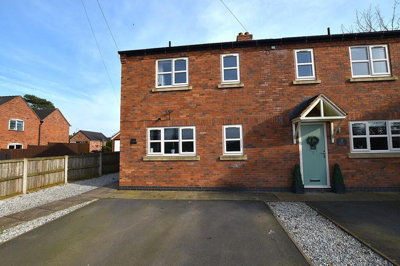
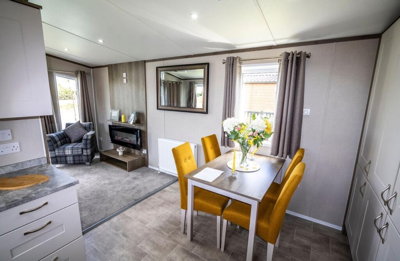
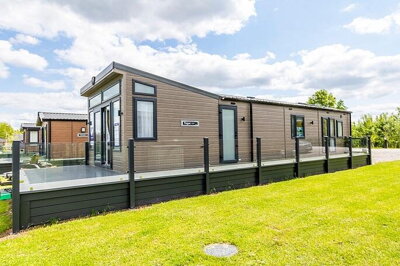
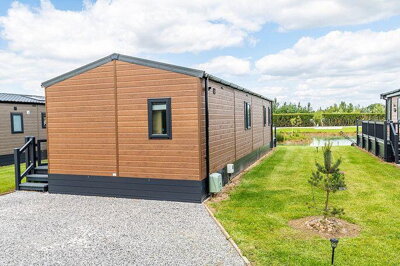
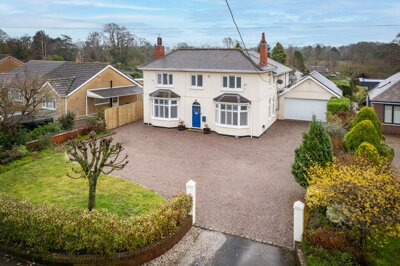
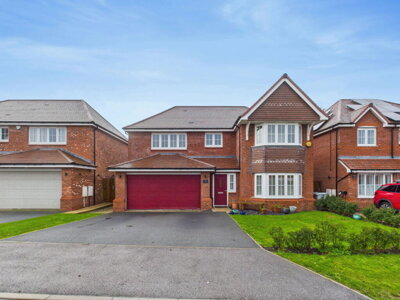
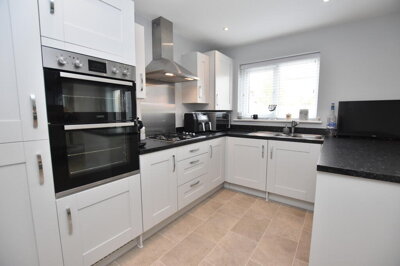
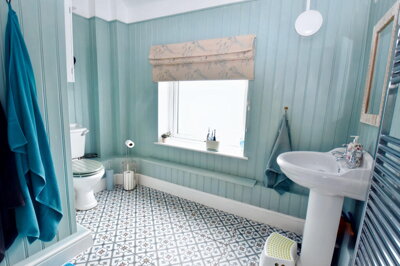
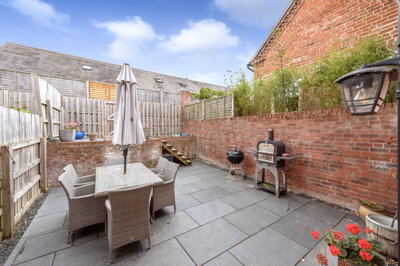
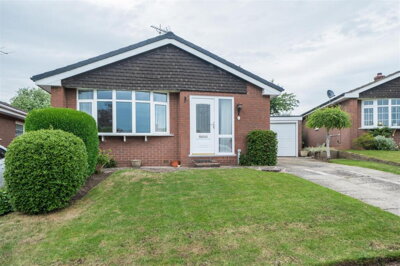
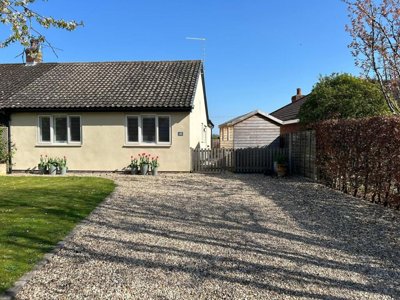
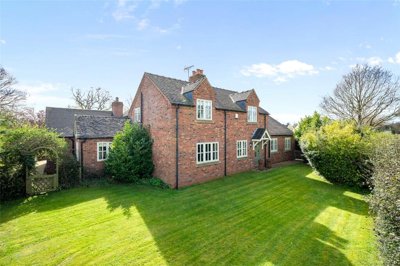
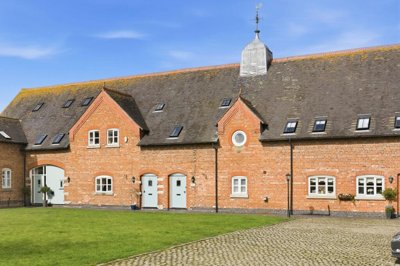
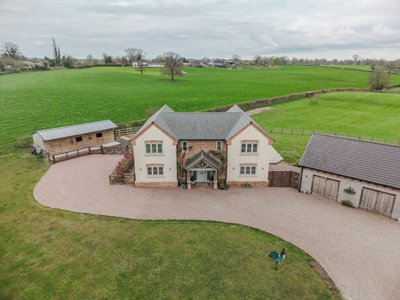
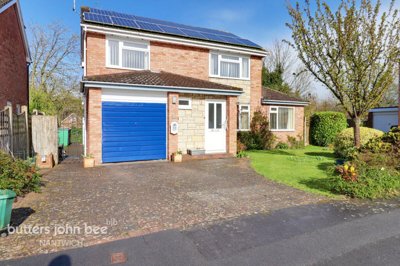
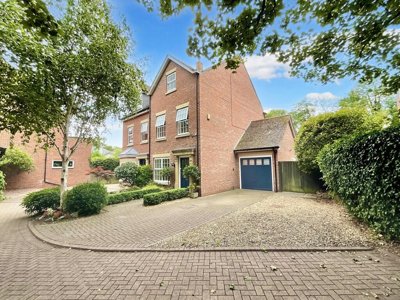
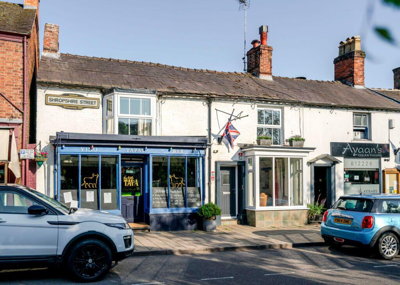
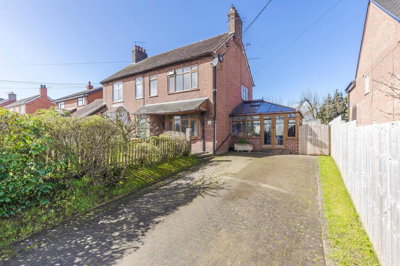
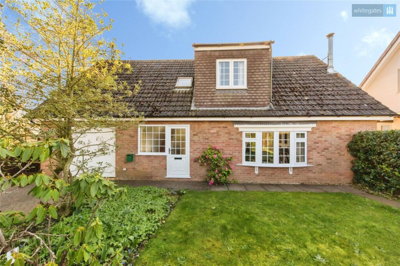
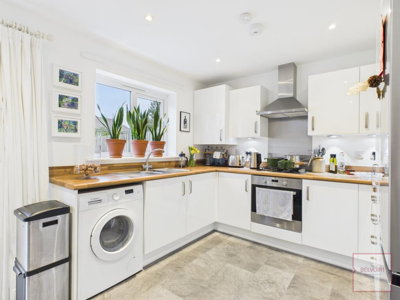
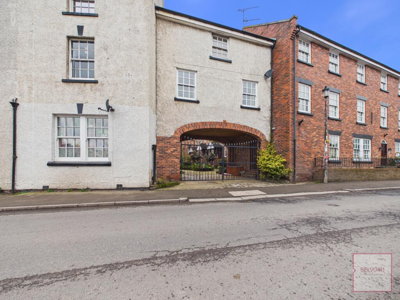
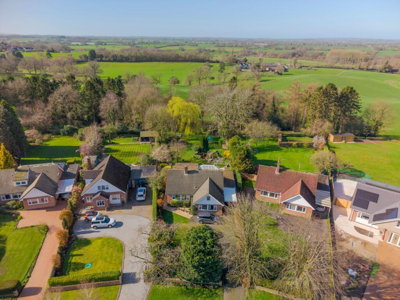
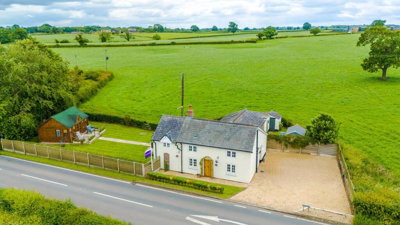
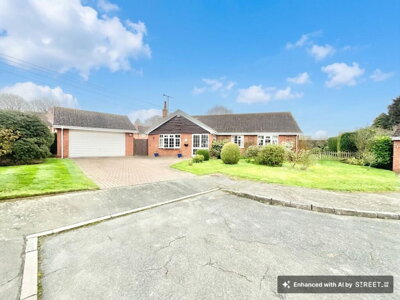
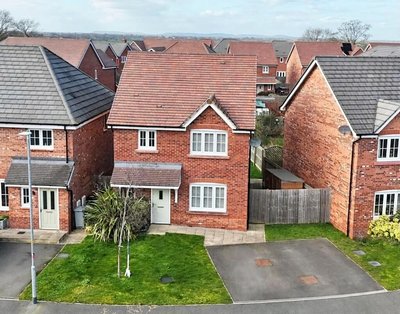
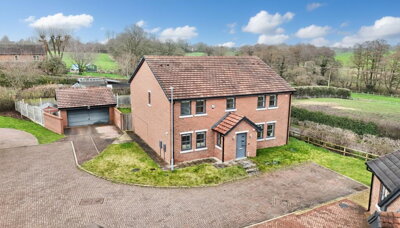
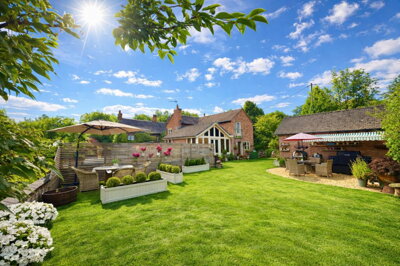
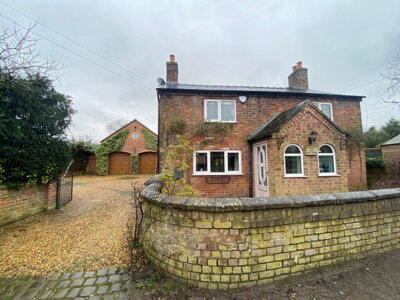
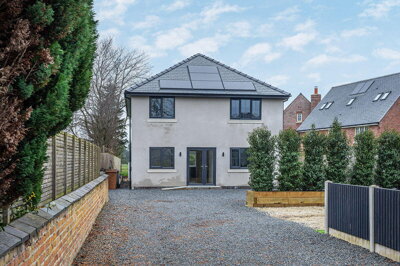
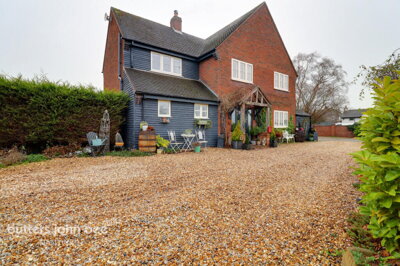
Browse 91 homes for sale in Audlem, Cheshire East from local estate agents.
£415k
35
1
105
Source: home.co.uk
Source: home.co.uk
Detached
15 listings
Avg £596,667
House
7 listings
Avg £835,000
Semi-Detached
3 listings
Avg £295,833
Character Property
2 listings
Avg £575,000
Not Specified
2 listings
Avg £657,000
Semi-Detached Bungalow
2 listings
Avg £320,000
Bungalow
1 listings
Avg £220,000
End of Terrace
1 listings
Avg £71,250
Flat
1 listings
Avg £117,000
Terraced
1 listings
Avg £195,000
Source: home.co.uk
Source: home.co.uk
Audlem's property market has experienced a notable correction in recent months, with prices sitting 14% below the previous year and 11% below the 2023 peak of £440,831. This adjustment presents opportunities for buyers who may have been priced out during the peak market. Zoopla records an overall average sold price of £400,200 for the village, slightly higher than the moving annual average, suggesting stable values at this slightly elevated level. Despite this correction, Audlem remains a healthy market with strong buyer interest driven by the village's exceptional character and quality of life.
A significant new development is proposed for the village, with Muller Property Group submitting an outline planning application (reference 25/2194/OUT) for 127 homes on land to the west of Moorsfield Avenue and Tollgate Drive. This scheme would deliver 39 affordable dwellings (30% affordable housing provision) alongside a mix of one and two-bedroom apartments, two and three-bedroom mews and semi-detached homes, and larger three, four and five-bedroom detached properties. If approved, the development would represent the most substantial addition to the village housing stock in decades, though prices for these new homes are not yet available as construction has not commenced.
The village's housing stock is predominantly houses rather than flats, with local records indicating approximately 1,042 houses compared to just 51 flats. This strong predominance of houses reflects Audlem's character as a village rather than a town, with properties typically offering more space and garden areas than would be found in urban settings. Our team has surveyed properties across the village and can confirm the variety available, from compact terraced cottages near the canal to substantial detached homes on the village periphery.

Audlem is a civil parish with a population of approximately 1,832 residents according to the 2021 Census, though the wider electoral ward encompasses around 5,312 people across 2,289 households. The village derives much of its character from the Shropshire Union Canal, which passes through the parish and contributed to the village's growth during the Georgian and Victorian eras. The canal remains a focal point for residents and visitors, with narrowboats and barges adding colour to the waterway throughout the year. The village has been designated an Audlem Conservation Area covering its historic heart, as well as an additional Woore Road Conservation Area, protecting the architectural heritage that makes the village so distinctive.
The local economy has evolved considerably from its agricultural roots, with agriculture no longer a significant employer in the village. Instead, residents benefit from a range of local businesses including Audlem Mill, a beloved canal-side shop, and Williams of Audlem, a traditional village retailer. Healthcare roles feature prominently among local employers, with Welford Healthcare, Audlem Medical Practice, Boots pharmacy, and Aceso Home Care all providing employment opportunities. The demographic profile indicates that 49.8% of the local population fall into the Affluent Achievers group, with high rates of home ownership reflecting the village's prosperity and the quality of its housing stock.
Community life in Audlem is active and engaged, with the village hall hosting regular events and the local pub serving as a social hub for residents. The Shropshire Union Canal towpath provides excellent walking routes, connecting Audlem to neighbouring villages and offering scenic journeys for boaters and pedestrians alike. Local amenities include a post office, village stores, and several cafes where residents gather for morning coffee or afternoon tea. The combination of rural charm and practical amenities makes Audlem an ideal location for those seeking a balanced lifestyle in the Cheshire countryside.

Families considering a move to Audlem will find educational provision within the village itself. Audlem's primary school serves young children from the village and surrounding countryside, with a good reputation for pastoral care and academic achievement. Several primary schools are available in the surrounding villages, providing options for families who prefer faith-based education or smaller class sizes. Parents are advised to research current catchment areas and admissions criteria, as these can change and may influence school placement decisions. The village's rural setting means school transport arrangements are worth investigating before committing to a purchase.
Secondary education options in the wider Cheshire East area include well-regarded comprehensives such as Malbank School and Sixth Form College in Nantwich, which serves students from across South Cheshire. Parents seeking grammar school education will find selective schools in nearby towns, with entrance determined by the 11-plus examination. For those considering private education, there are independent schools in the region offering both primary and secondary provision. Our team has worked with families relocating to Audlem and can confirm that the quality of educational options in the surrounding area makes the village attractive to buyers with school-age children.
For those pursuing further and higher education, the village benefits from proximity to larger towns where additional educational facilities are available. Sixth form provision exists at nearby secondary schools, while colleges of further education can be found in surrounding towns including Nantwich and Crewe. Reaseheath College in Nantwich offers a range of vocational courses, while the University of Chester and University of Keele are both accessible for those seeking undergraduate and postgraduate programmes. The village's position in South Cheshire means that educational pathways from primary through to higher education are well supported within reasonable travelling distance.

Audlem is well positioned for commuters, with the village situated approximately 6 miles from the market town of Nantwich and offering connections to the wider transport network. The A51 runs nearby, providing access to Chester and Stoke-on-Trent, while the M6 motorway is accessible within reasonable driving distance for those who need to travel further afield. Local bus services operate connecting Audlem with surrounding villages and towns, though frequency may be limited compared to urban areas, making car ownership practical for most residents.
Rail connections are available at nearby stations, with services to major cities including Manchester, Birmingham and London accessible from stations in the surrounding area. Crewe station provides direct links to London Euston in around 90 minutes, making day trips or business travel to the capital straightforward. Nantwich station offers connections to Chester and Crewe, while bus services link Audlem to these rail hubs. The strategic position of Audlem in South Cheshire means that Liverpool John Lennon and Manchester airports are both within reasonable driving distance for international travel, typically around an hour's journey.
Cyclists will find the flat Cheshire countryside relatively accessible, though the village's position off major cycling routes means leisure cycling is more practical than daily commuting by bicycle for most residents. The canal towpath provides traffic-free cycling opportunities between Audlem and neighbouring villages, while the wider Cheshire countryside offers scenic routes for weekend rides. For those working from home, superfast broadband is available in most of the village, enabling remote working without the need for a daily commute.

Explore property listings on Homemove, research the local property market, and understand the character of different neighbourhoods within Audlem. The village has distinct areas from the historic conservation heart around St James' Church to more modern developments on the periphery. Consider whether you prefer the character of period properties near the canal or the convenience of more recently constructed homes.
Contact lenders or brokers to obtain an Agreement in Principle before viewing properties. With average prices around £393,109, most buyers will need mortgage finance. Having this in place demonstrates seriousness to sellers and helps you understand your budget. Several local and national mortgage brokers operate in the Cheshire area and can advise on the best products for your circumstances.
Visit properties that match your criteria, paying attention to construction materials, property condition and any signs of maintenance needs. Older properties with timber framing or sandstone construction may have different maintenance requirements than modern brick-built homes. We recommend viewing properties at different times of day and in various weather conditions to assess factors such as natural light and drainage.
Before completing your purchase, arrange for a Level 2 Survey (formerly HomeBuyer Report) on the property. With Audlem's significant older housing stock and clay geology presenting potential shrink-swell risks, a professional survey is essential to identify any structural or environmental concerns. Our inspectors are experienced in assessing properties across Audlem and understand the specific issues that can affect homes in this area.
Appoint a solicitor to handle the legal aspects of your purchase, including searches, contracts and registration. Your solicitor will liaise with the seller's representatives and manage the transfer of ownership through the Land Registry. Given Audlem's conservation areas and listed buildings, legal work may involve additional considerations around permitted development rights and listing requirements.
Once all legal enquiries are satisfactory and finance is confirmed, your solicitor will exchange contracts and agree a completion date. On completion day, the remaining funds are transferred and you receive the keys to your new Audlem home. We recommend arranging buildings insurance from this date and planning your move carefully, particularly if you are relocating from a distance.
Prospective buyers should be aware of several area-specific considerations when purchasing property in Audlem. The village's geology presents particular challenges, with glacial deposits of clay, sand and gravel underlying the area. The Upper and Lower Boulder Clay present in the local geology creates a potential shrink-swell risk, where soils expand when wet and contract during dry periods. This movement can affect foundations, particularly in older properties, and a thorough survey should check for signs of subsidence or foundation movement. Properties showing cracks in walls, uneven floors or misaligned doors should be investigated further.
Flood risk is another consideration for Audlem properties. The River Weaver flows west of the village and has recorded levels reaching 2.87m, significantly above the usual range of 0.11m to 2.00m. The Shropshire Union Canal also passes through the parish, adding to the water-related considerations. Buyers should check flood risk for specific properties and consider arranging appropriate insurance. The presence of brine deposits indicated by Brinepits Farm to the north of Audlem may have implications for local ground conditions in that area.
Given that Audlem has 25 listed buildings including two Grade I structures (St James' Church and Moss Hall dating from 1616) and one Grade II* listed building (The Old Grammar School from 1647-55), buyers should understand the implications of purchasing period properties. Listed building consent may be required for alterations, and standard renovation projects may face additional restrictions within conservation areas. Properties featuring traditional construction such as timber framing with brick infill or sandstone walls may require specialist maintenance knowledge and incur higher upkeep costs than modern equivalents.
Our inspectors frequently encounter common issues in Audlem's older properties during surveys. Structural movement related to foundation subsidence is a recurring concern, particularly in homes built on clay soils that have experienced long periods of dry weather. Roofing problems are also prevalent in period properties, with aging tiles, worn flashing and inadequate insulation commonly identified. Dampness can affect properties of any age, often manifesting in ground floor rooms, basements or areas with poor ventilation. Outdated electrical systems are another frequent finding, especially in homes that have not been updated for several decades.

Audlem's buildings reflect a variety of construction methods that have evolved over several centuries. Historic structures such as St James' Church are built of local sandstone, a characteristic building material in the area that provides excellent durability but may require repointing over time. The village's older residential properties include timber-framed buildings with brick infill, a traditional construction technique that can be susceptible to timber decay if maintenance is neglected. Our team has inspected numerous timber-framed properties in Audlem and can identify the signs of woodworm, wet rot and dry rot that buyers should watch for.
Brick construction became more prevalent from the Georgian period onwards, with properties built during the Victorian era and later often featuring solid brick walls with lime mortar. The Shropshire Union Canal brought increased prosperity to Audlem in the 1830s, leading to the construction of distinctive Georgian and Victorian buildings that remain a feature of the village today. Many former grammar schools, farmhouses and canal-side structures were built using local brick, which may display different characteristics from modern bricks. We check the condition of brickwork carefully during surveys, noting any signs of spalling, cracking or mortar deterioration.
Some Audlem properties feature pebbledash or rendered finishes applied over brick or stone substrate. These finishes can hide underlying defects and may require specialist removal for inspection. Our inspectors use tools and techniques to assess rendered walls without causing damage, identifying areas of hollow rendering or moisture penetration. Newer properties in the village, including any from future phases of development, typically use modern brickwork with recessed mortar joints and stone sills, reflecting contemporary building standards while paying homage to local vernacular traditions.

The average house price in Audlem over the last year was £393,109 according to Land Registry data. Detached properties average £434,676, semi-detached homes around £305,667, and terraced properties approximately £227,500. Zoopla records an overall average sold price of £400,200. The market has seen a correction recently, with prices 14% down on the previous year and 11% below the 2023 peak of £440,831, creating potential opportunities for buyers. This price adjustment has brought some properties within reach of buyers who may have found the market unaffordable during the peak period.
Properties in Audlem fall under Cheshire East Council's jurisdiction for council tax purposes. Banding varies by property value and age, with Band A being the lowest council tax charge and Band H the highest. Specific bands depend on the individual property's assessed value, which was determined when the property was first built or significantly altered. Period properties in Audlem, including listed buildings, may have been rebanded following previous sales. Prospective buyers should check the Council Tax band for any specific property through the Valuation Office Agency website or request this information during the conveyancing process.
Audlem has a local primary school serving the village and surrounding area, with a strong reputation for providing quality education within a village setting. The village falls within the catchment area for secondary schools in the Cheshire East system, with Malbank School and Sixth Form College in nearby Nantwich being a popular choice for local families. Grammar schools in Crewe and surrounding towns provide selective education options, with places allocated based on 11-plus examination results. Parents should research current admissions policies and consider that school transport arrangements may apply for schools not within walking distance. Nearby towns including Nantwich offer additional educational options at secondary and sixth form level, including independent schooling for those seeking private education.
Audlem has limited public transport options, with bus services connecting the village to surrounding towns and villages, though service frequency may be restricted compared to urban areas. The village is approximately 6 miles from Nantwich, where additional bus and rail connections are available. For commuting to major cities, residents typically rely on car travel to reach motorway connections or railway stations in the surrounding area. Liverpool John Lennon and Manchester Airports are both accessible within approximately one hour's drive, making international travel straightforward for residents.
Audlem offers several factors that may appeal to property investors. The village's proximity to major employers in Cheshire, its strong community spirit, and the proposed 127-home development by Muller Property Group indicate continued interest in the area. The village's conservation status and historic character help preserve property values, while the significant proportion of older housing stock suggests ongoing demand from buyers seeking period properties. However, investors should consider the limited rental market in a village of this size and factor in potential void periods when calculating returns. Properties suitable for families and those seeking rural character tend to attract the most interest in Audlem's market.
Stamp Duty Land Tax (SDLT) rates from 2024-25 apply as follows: 0% on the first £250,000 of purchase price, 5% on the portion from £250,001 to £925,000, 10% on £925,001 to £1.5 million, and 12% on any amount above £1.5 million. First-time buyers benefit from relief on the first £425,000 (0% rate), with 5% applying between £425,001 and £625,000. Given Audlem's average price of £393,109, most buyers would pay no SDLT or minimal amounts, though higher-value detached properties averaging £434,676 will incur greater charges. Always verify current thresholds as these can change with government policy.
When purchasing property in Audlem, buyers should budget for several costs beyond the purchase price itself. The primary cost for most buyers will be Stamp Duty Land Tax (SDLT), though at Audlem's average price of £393,109, many buyers will find this charge minimal or non-existent under current thresholds. For first-time buyers purchasing properties up to £425,000, SDLT is charged at 0%, meaning no tax is due on the first £425,000 of the purchase price. Those buying at or near the village average would therefore typically pay no SDLT at all.
Beyond SDLT, buyers should budget for survey costs, with a RICS Level 2 Survey typically ranging from £400 to £1,000 depending on property size and complexity. Given Audlem's prevalence of older properties with potential structural considerations arising from the local clay geology, investing in a thorough survey is particularly wise. Solicitors' fees for conveyancing typically start from around £499 for standard transactions, though complex purchases involving listed buildings or unusual tenure arrangements may cost more. Search fees, land registry fees and other administrative costs typically add several hundred pounds to the legal bill.
Additional costs to factor in include removal expenses, potential estate agent fees if you are selling simultaneously, and mortgage arrangement fees which can range from free to 2% of the loan amount depending on the lender. Buildings insurance must be in place from the day of completion, and buyers purchasing flats should budget for service charges and ground rent which can vary significantly between developments. Setting aside around 3-5% of the purchase price for these additional costs is a prudent approach when buying in Audlem. We recommend obtaining quotes from several solicitors and surveyors to ensure competitive pricing for these essential services.
From £400
A detailed inspection of the property condition, ideal for most homes in Audlem
From £600
A comprehensive building survey recommended for older or period properties
From £80
Energy performance certificate required for all property sales
From £499
Legal services for your property purchase
From 3.89%
Competitive mortgage rates for Audlem buyers
Properties for Sale In London

Properties for Sale In Plymouth

Properties for Sale In Liverpool

Properties for Sale In Glasgow

Properties for Sale In Sheffield

Properties for Sale In Edinburgh

Properties for Sale In Coventry

Properties for Sale In Bradford

Properties for Sale In Manchester

Properties for Sale In Birmingham

Properties for Sale In Bristol

Properties for Sale In Oxford

Properties for Sale In Leicester

Properties for Sale In Newcastle

Properties for Sale In Leeds

Properties for Sale In Southampton

Properties for Sale In Cardiff

Properties for Sale In Nottingham

Properties for Sale In Norwich

Properties for Sale In Brighton

Properties for Sale In Derby

Properties for Sale In Portsmouth

Properties for Sale In Northampton

Properties for Sale In Milton Keynes

Properties for Sale In Bournemouth

Properties for Sale In Bolton

Properties for Sale In Swansea

Properties for Sale In Swindon

Properties for Sale In Peterborough

Properties for Sale In Wolverhampton

Enter your details to see if this property is within your budget.
Loans, cards, car finance
Estimated property budget
Borrowing + deposit
You could borrow between
Typical borrowing
Monthly repayment
Est. at 4.5%
Loan-to-value
This is an estimate only. Your actual budget may vary depending on interest rates, credit history, and personal circumstances. For an accurate affordability assessment, speak to one of our free mortgage advisors.
This calculator provides estimates for illustrative purposes only and does not constitute financial advice. Your home may be repossessed if you do not keep up repayments on your mortgage. Estimates based on 4.5% interest rate, repayment mortgage. Actual rates depend on your circumstances.
Homemove is a trading name of HM Haus Group Ltd (Company No. 13873779, registered in England & Wales). Homemove Mortgages Ltd (Company No. 15947693) is an Appointed Representative of TMG Direct Limited, trading as TMG Mortgage Network, which is authorised and regulated by the Financial Conduct Authority (FRN 786245). Homemove Mortgages Ltd is entered on the FCA Register as an Appointed Representative (FRN 1022429). You can check registrations at NewRegister or by calling 0800 111 6768.

We use cookies to show you personalised content and improve your experience of our website. Find out more in our Privacy policy and Cookie policy.