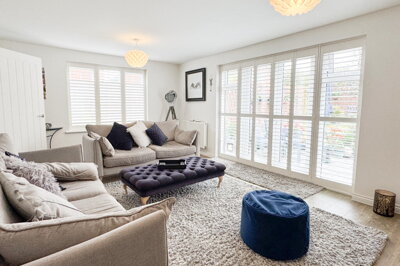
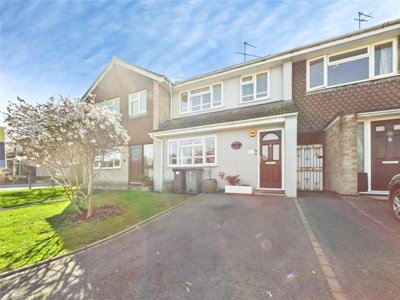
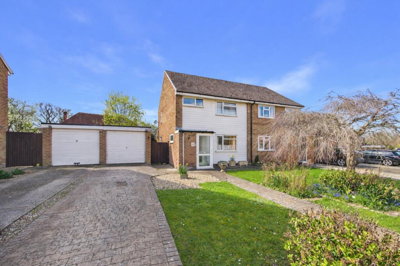
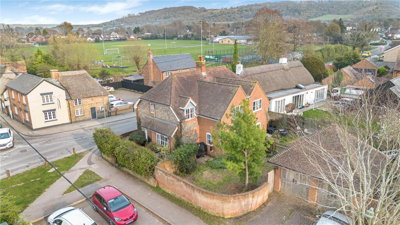
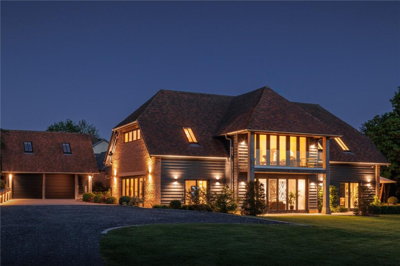
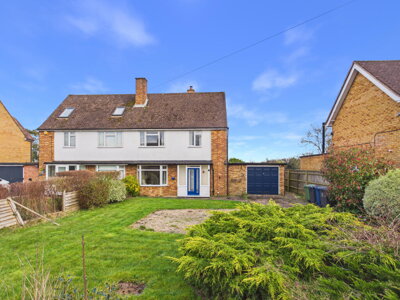
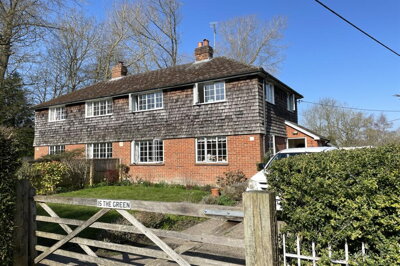
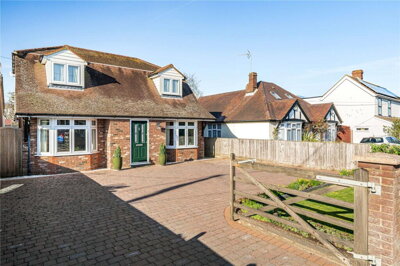
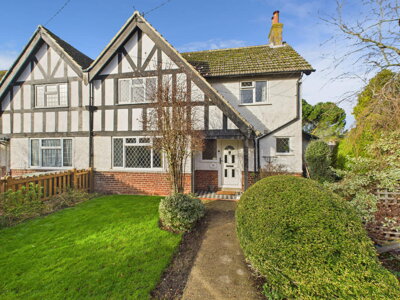
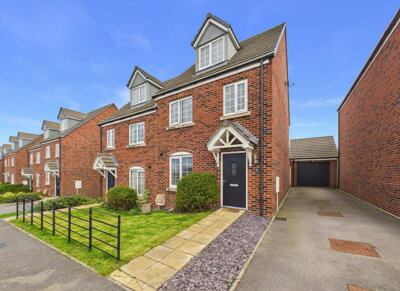
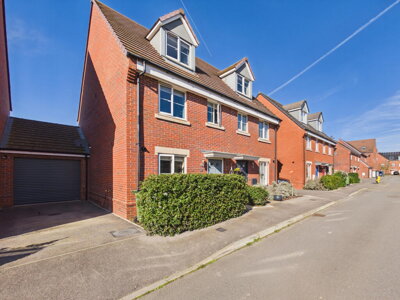
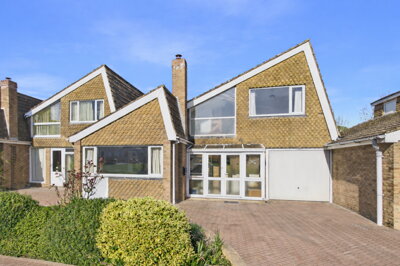
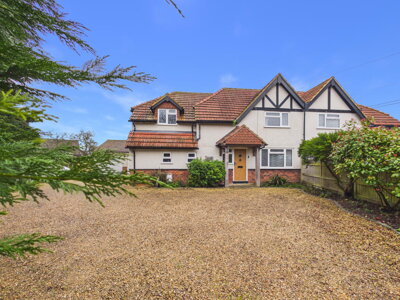
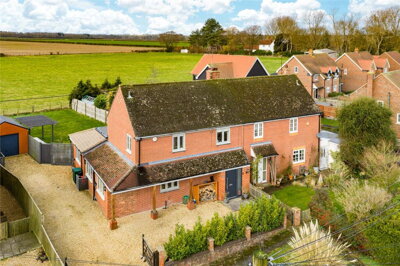
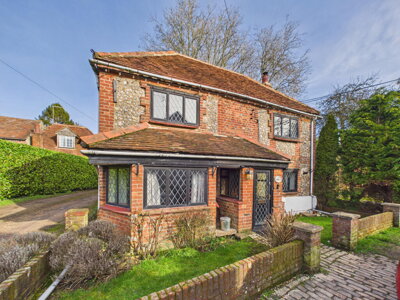
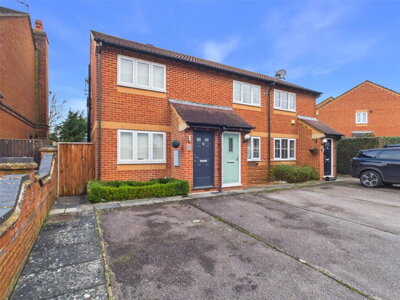
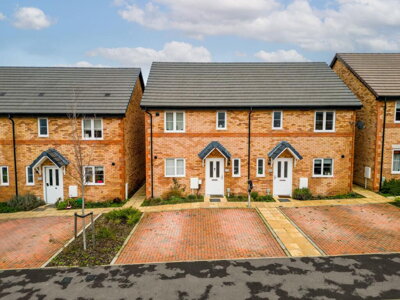
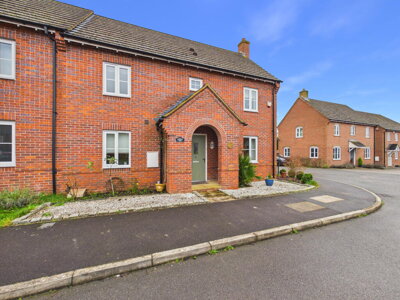
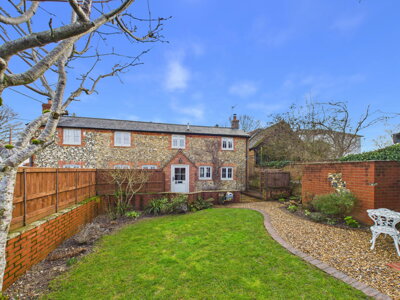
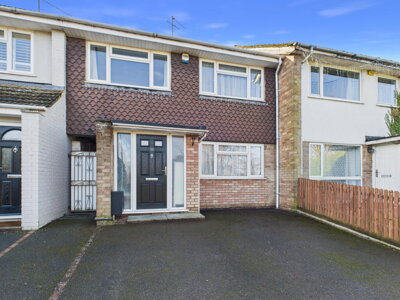
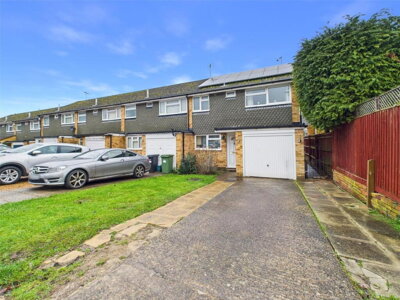
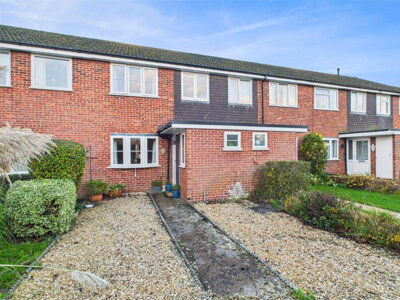
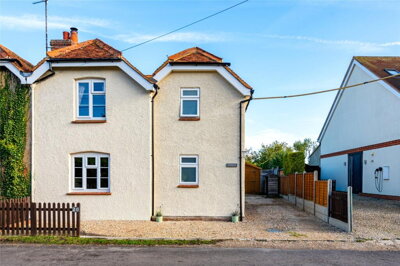
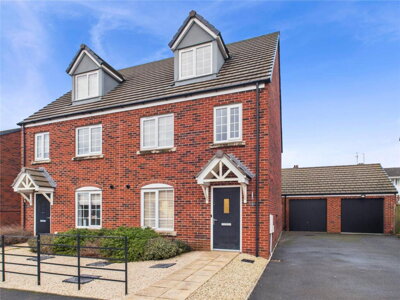
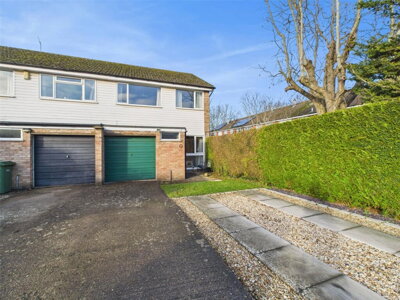
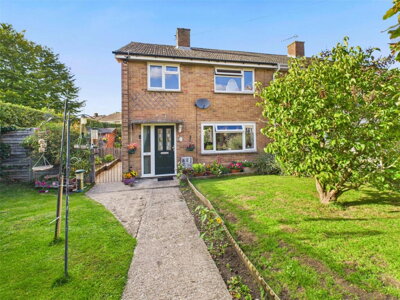
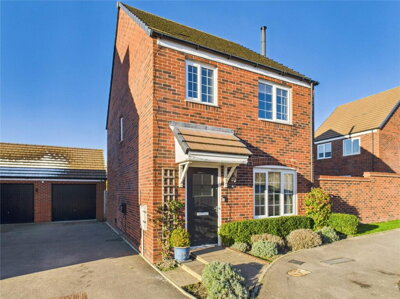
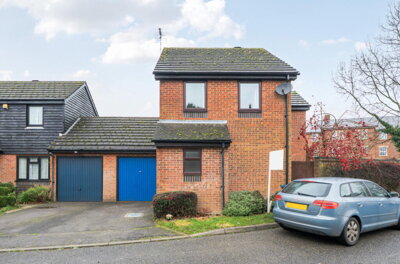
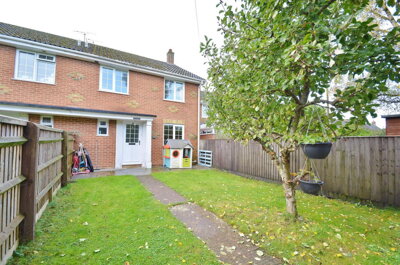
Browse 43 homes for sale in Aston Rowant from local estate agents.
Three bedroom properties represent a significant portion of the Aston Rowant housing market, offering space for families with multiple reception rooms and gardens in many cases. Browse detached, semi-detached, and terraced options ranging from period character homes to contemporary developments.
Aston Rowant occupies a distinctive position within the Oxfordshire property market, characterised by limited supply and consistently strong demand from buyers seeking rural village life. The average property price stands at £825,000 as of February 2026, reflecting the premium nature of this sought-after location within the Heart of Oxfordshire Housing Market Area. Detached properties command the highest values, with typical prices around £1,050,000 reflecting the generous plot sizes and traditional construction methods found throughout the village. Semi-detached homes offer more accessible entry points at approximately £600,000, while terraced properties starting from £450,000 represent the most affordable route into this exclusive market.
Property prices in Aston Rowant have demonstrated resilience despite broader market fluctuations, recording a modest decline of 1.2% over the twelve-month period. This stability compares favourably with some neighbouring areas and reflects the enduring appeal of village locations within the Chiltern Hills AONB. The village forms part of South Oxfordshire district, positioning it alongside affluent neighbouring communities including Watlington, Chinnor, and the larger settlement of Thame. Notably, the absence of flat developments in Aston Rowant ensures that the village maintains its predominantly residential character without the apartment-style housing more commonly found in urban centres.
New build activity remains extremely limited within the Aston Rowant postcode area, with no verified developments currently underway or recently completed in the immediate vicinity. This scarcity of new supply means that prospective buyers are primarily considering the existing housing stock, which predominantly features pre-1919 construction alongside properties from the mid-twentieth century and later decades. The village's planning authority maintains strict controls consistent with its Chiltern Hills AONB designation, meaning future development opportunities will remain constrained and any new homes are likely to command significant premiums reflecting their rarity value.
The housing stock composition in Aston Rowant reflects its rural character and historical development patterns. Detached properties form the majority of family homes, often sitting on plots exceeding 0.25 acres with mature gardens and outbuildings. The semi-detached properties typically date from the interwar period or later, offering more modest proportions while retaining the characterful construction methods typical of the area. Terraced properties are relatively scarce in the village, with most dating from the Victorian or Edwardian era and often forming part of small clusters of workers' cottages near the village centre or along the main road through the village.

Life in Aston Rowant revolves around the rhythms of rural English living, with the village offering an enviable combination of natural beauty, historical character, and practical accessibility. The village pub provides a focal point for community gatherings and offers traditional fare in an intimate setting, while the village hall serves as a venue for clubs, events, and activities throughout the year. Aston Rowant House and numerous period cottages and barns contribute to the village's architectural heritage, many constructed from the distinctive local brick and flint typical of the Chilterns region. With a population of 301 across 120 households according to the 2021 Census, the village maintains an intimate scale while offering the lifestyle amenities that discerning buyers increasingly prioritise.
The surrounding Chiltern Hills Area of Outstanding Natural Beauty provides an extraordinary backdrop to daily life, with extensive public footpaths and bridleways offering immediate access to some of England's most beautiful countryside. The Phoenix Trail, a former railway line now converted to a traffic-free path, connects Aston Rowant with the nearby towns of Watlington and Chinnor, providing safe routes for cycling and walking to additional amenities. Theajah Woods and numerous other local beauty spots offer woodland walks through beech forests, while the chalk downland supports diverse wildlife and plant species that attract nature enthusiasts throughout the seasons.
The local economy reflects Aston Rowant's position as a predominantly residential community, with residents typically commuting to employment centres in Oxford, Bicester, or Reading. The proximity to junction 6 of the M40 motorway, located just a short drive from the village centre, enables straightforward access to these larger employment hubs and the wider motorway network. Local employment opportunities within the village and surrounding area include agricultural work, small businesses serving the rural community, and tourism-related activities associated with the AONB. The area attracts professionals who value the quality of life offered by village living while maintaining careers in the region's major towns and cities.
Community life in Aston Rowant centres on traditional village institutions and informal networks that have developed over generations. The parish council meets regularly to discuss matters affecting the village, while the village hall hosts events ranging from quiz nights to craft fairs and seasonal celebrations. The Church of St Peter and St Paul plays an active role in village life, not only through Sunday services but also through social gatherings and charitable activities. For new residents, integrating into this close-knit community is typically straightforward, with the village's small scale ensuring that newcomers are quickly recognised and welcomed into local social circles.

Families considering a move to Aston Rowant will find a selection of educational options available within reasonable travelling distance of the village. Primary education is served by several local schools in nearby villages and towns, with St Mary's Church of England Primary School in Watlington providing education for children up to age 11. This school, situated approximately 3 miles from Aston Rowant, serves families from the surrounding villages and has established a reputation for quality teaching within a supportive community environment. Parents should verify current catchment areas and admissions policies, as these can change and may influence school allocations for specific addresses.
Secondary education options in the area include the Royal Oak School in Chinnor, a secondary school serving students from Year 7 onwards, and nearby grammar schools in Buckinghamshire accessible to those residing within the appropriate catchment zones. The Buckinghamshire grammar school system includes notable institutions such as Aylesbury Grammar School and High Wycombe Royal Grammar School, though places for out-of-county students are limited and competition for spaces can be intense. Students seeking sixth form education may consider facilities in Oxford, Bicester, or High Wycombe, where broader subject choices and extracurricular opportunities are available at larger institutions.
For families requiring early years childcare, several settings operate within the local area, including preschool and nursery facilities in neighbouring villages. The South Oxfordshire area maintains a network of childcare providers, though availability can vary seasonally and parents are advised to register interest well in advance of any planned move. Transport arrangements for school-age children typically involve private vehicles or local bus services, and families should factor these logistics into their decision-making when considering properties in Aston Rowant and the surrounding villages.
Private education options are available for families seeking alternative educational approaches, with several independent schools serving the wider South Oxfordshire and Buckinghamshire area. Notable institutions include Abinghart School and St Helen and St Katharine in Abingdon, both of which have established reputations for academic excellence and broad curricula. The proximity to good independent schools, combined with the strong state options available, makes Aston Rowant attractive to families with varying educational preferences and budgets.
Aston Rowant enjoys excellent connectivity despite its rural village setting, with the M40 motorway providing the primary artery linking the village to the wider region. Junction 6 of the M40 is located approximately 3 miles from the village centre, offering direct access northward to Bicester and London beyond, and southward to Oxford and the M40's junction with the M25. This strategic positioning means that the village sits within comfortable commuting distance of major employment centres, with journey times to Oxford city centre typically taking 30-40 minutes by car depending on traffic conditions.
Public transport options serving Aston Rowant include local bus services connecting the village to surrounding towns and railway stations. The nearest National Rail stations are located in Bicester, offering connections to London Marylebone and Birmingham, and in Oxford, providing services to London Paddington via Reading and direct trains to various destinations. These railway connections complement the motorway access, providing commuters with flexibility to choose between driving and rail travel depending on their destination and preferences. The X8 bus service operated by the Oxford Bus Company links local villages with Oxford, serving as a lifeline for residents without private vehicles.
Cycling represents a practical and enjoyable option for shorter journeys, with the Phoenix Trail providing a safe, traffic-free route connecting Aston Rowant with Watlington and Chinnor. The trail continues beyond these towns, eventually reaching Oxford for those wishing to cycle to the city, though this longer route requires a reasonable level of fitness. The Chiltern Hills themselves offer challenging terrain for recreational cyclists, with quiet country lanes providing routes through the outstanding natural landscape. For commuters considering Aston Rowant, the combination of motorway access and rail connections at nearby stations creates a viable proposition for those working in London or the wider South East.
For air travel, Birmingham Airport is accessible via the M40 and M42 motorways, typically taking around 90 minutes by car from Aston Rowant. London Heathrow and London Luton airports are also within reasonable driving distance, offering international connections for both business and leisure travel. The accessibility to multiple airports ensures that residents can easily reach destinations across the UK and internationally without significant additional journey time from the village.
Before committing to a purchase in Aston Rowant, take time to understand the local property market dynamics. The village has a limited sales history with only 4 transactions in the past year, so establishing realistic expectations regarding property values and availability is essential. Visit the area at different times of day and week to assess the village atmosphere, and speak with current residents to understand what daily life is truly like here. Consider the seasonal variations in access and the availability of local services throughout the year.
Given the premium property values in Aston Rowant, with detached homes typically exceeding £1,000,000, securing mortgage finance is a critical first step. Contact lenders to obtain an Agreement in Principle before beginning property viewings, as this demonstrates your financial credibility to sellers and estate agents. Aston Rowant falls within South Oxfordshire, and lenders familiar with this area will understand the property values and lending criteria applicable to homes here. Given the higher property values, consider speaking with a specialist broker who has experience arranging mortgages for rural village properties.
Properties in Aston Rowant sell quickly when they become available, and many sales may occur off-market or through private arrangements. Register your interest with local estate agents covering the village and surrounding area, including those in Watlington and Chinnor, to ensure you receive early notification of new instructions. Being proactive and responsive will be essential when a suitable property does come to market. Building relationships with agents who understand the village's unique market dynamics can provide valuable insights and early access to properties before they appear on mainstream portals.
When suitable properties become available, arrange viewings promptly and approach them systematically. Given the age of many properties in Aston Rowant, pay particular attention to construction quality, maintenance history, and any signs of structural issues. Properties within the Conservation Area or those that are Listed Buildings may have restrictions on alterations and will require specialist surveys. View properties in various weather conditions to assess how they perform, particularly regarding drainage and access.
The substantial number of older properties in Aston Rowant makes a RICS Level 2 Survey particularly valuable before purchase. For a property valued around £800,000, survey costs would typically range from £600-900 depending on size and complexity. The survey will identify defects common to traditional construction, including potential issues with damp, timber condition, and the clay-related shrink-swell risk present in parts of the village. For listed buildings or properties in poor condition, consider upgrading to a full RICS Level 3 Building Survey for more comprehensive assessment.
Once your offer is accepted, instruct a solicitor experienced in Oxfordshire property transactions to handle the legal work. Your solicitor will conduct searches, handle land registry checks, and manage the exchange and completion process. For a village with Aston Rowant's character, searches should confirm the Conservation Area status, any planning conditions affecting the property, and flood risk assessments for the specific location. Given the age of many properties, additional searches regarding mining, contamination, and drainage may also be warranted.
Properties in Aston Rowant present unique considerations that prospective buyers should carefully evaluate before proceeding with a purchase. The village's geological setting within the Chiltern Hills means that many properties sit on clay-with-flints deposits, creating a potential shrink-swell risk that can affect foundations over time. This risk is particularly relevant where mature trees stand close to properties, as their root systems can draw moisture from the clay substrate during dry periods, causing the ground to contract and potentially damaging foundations. A thorough survey should investigate these risks, and buyers should examine walls for any cracking that might indicate past or present movement.
Flood risk in Aston Rowant requires careful assessment, as while the risk from rivers and the sea remains low, surface water flooding can affect certain areas during periods of heavy rainfall. Low-lying areas and properties located near natural drainage paths may be more susceptible to surface water accumulation, and buyers should review the government flood risk maps for any specific property under consideration. Properties within the Conservation Area, which encompasses much of the historic village core, may be subject to planning restrictions affecting permitted development rights and external alterations. These controls help preserve the village's character but can limit future modification options for owners.
The construction materials used in Aston Rowant properties reflect the local building traditions of the Chilterns area, with many homes featuring brick and flint walls that require specific maintenance approaches. This traditional construction can provide excellent durability when properly maintained, but buyers should be aware that specialist knowledge may be required for repairs and renovations. Properties with rendered exteriors should be checked for signs of damp penetration behind the render, while timber-framed elements found in older buildings will require inspection for woodworm and rot. Given the prevalence of listed buildings in the village, any property carrying Listed status will require Listed Building Consent for certain works, adding complexity and potential cost to any future renovations.
The age of the housing stock in Aston Rowant means that electrical wiring, plumbing, and heating systems often require careful assessment. Properties built before the 1960s may still contain original or early wiring that would not meet current standards and could require complete rewiring. Similarly, plumbing systems in older properties may use materials no longer considered best practice, and heating systems may be inefficient by modern standards. Budget for the possibility of essential upgrades when assessing the true cost of purchasing an older property, and factor these potential costs into your offer price negotiations.
Understanding the traditional construction methods used in Aston Rowant properties is essential for any prospective buyer. The Chilterns area has a distinctive building heritage characterised by the use of local materials, particularly the combination of brick and flint that appears throughout the village. This construction method involves flints, sourced from the local chalk geology, set within mortar and often combined with brick quoins and detailing. The resulting walls are characterful and durable, but they require specialist repair techniques that differ from modern masonry construction.
Many properties in Aston Rowant feature timber-framed elements, particularly the barns and agricultural buildings that have been converted to residential use over the years. These structures typically employ oak or other hardwood frames, with infill panels of brick, wattle and daub, or render. The timber frames require regular inspection and maintenance to ensure structural integrity, and buyers should look for signs of movement, rot, or insect damage in exposed timbers. Specialist surveyors experienced with historic buildings can provide detailed assessments of these construction types.
Roof construction in Aston Rowant properties typically features pitched roofs with coverings of clay tile or slate, depending on the age and style of the property. Traditional lime mortar should be used for any repair work to historic roofs, as cement-based mortars can cause damage to the covering materials. Lead flashing is commonly found at junctions and penetrations, and this should be inspected for signs of deterioration or theft. The condition of roof structures is particularly important in older properties, where timber rafters and purlins may show signs of movement or decay over time.
The average property price in Aston Rowant stands at £825,000 as of February 2026, according to Rightmove data. Detached properties command the highest values at approximately £1,050,000, while semi-detached homes typically sell for around £600,000 and terraced properties from £450,000. The market is characterised by limited supply, with only 4 property sales recorded in the twelve months to February 2026, and prices have shown a modest decline of 1.2% over this period. Given the village's location within the Chiltern Hills AONB and its proximity to major employment centres, this pricing reflects the sustained demand for rural properties in this exceptional location.
Properties in Aston Rowant fall within South Oxfordshire District Council's jurisdiction, and council tax bands vary depending on the property's valuation and characteristics. Given the village's premium property values, most homes fall within Bands E through H, with larger detached properties often assessed at Band F, G, or H. The current South Oxfordshire District Council tax rates for Band H properties are among the highest in Oxfordshire, reflecting the significant value of homes in this sought-after village. Prospective buyers should check the specific band for any property they are considering, as council tax forms part of the ongoing costs of homeownership alongside mortgage repayments, maintenance expenses, and utility bills.
Local primary education options include St Mary's Church of England Primary School in nearby Watlington, approximately 3 miles from Aston Rowant, which serves children up to Year 6 and has earned positive reports from Ofsted. Secondary education is available at Royal Oak School in Chinnor, with additional grammar school options in Buckinghamshire including Aylesbury Grammar School and Royal Grammar School High Wycombe for those within appropriate catchment areas. Parents should verify current admissions policies and catchment boundaries, as these can change and may significantly impact school allocations for specific addresses within the Aston Rowant postal area. Private schooling options in the wider area include several notable independent schools, though these involve additional fees beyond those considered in this guide.
Aston Rowant is served by local bus services connecting to surrounding towns, with the X8 service providing regular links to Oxford and nearby villages including Watlington and Chinnor. The nearest National Rail stations are located in Bicester Village, offering direct services to London Marylebone in approximately 45 minutes, and Oxford, providing services to London Paddington via Reading and direct trains to various regional destinations. The village's proximity to M40 junction 6, approximately 3 miles away, provides excellent road connectivity for those with access to private vehicles, making the village particularly suitable for commuters who drive to nearby railway stations before continuing their journey by train. Cycling via the Phoenix Trail provides an alternative to motorised transport for reaching local amenities.
Aston Rowant offers several characteristics that appeal to property investors and homebuyers seeking long-term value in a premium location. The village's location within the Chiltern Hills Area of Outstanding Natural Beauty ensures strong ongoing demand from buyers seeking rural lifestyles, while the limited supply of properties means that available homes rarely remain on the market for extended periods. The proximity to the M40 motorway and commuter rail connections at nearby stations maintains accessibility to major employment centres in Oxford, Bicester, Reading, and London, supporting demand from professionals. However, the premium property values and constrained supply may limit capital growth potential compared to more affordable areas, and investors should consider the costs of maintaining older, traditional properties when calculating potential returns. Rental demand in the village is likely to be modest given the limited stock and the preference for owner-occupation among buyers in this price bracket.
Stamp Duty Land Tax rates for residential properties purchased in England from April 2025 start at zero for the first £250,000 of property value, rising to 5% on the portion between £250,001 and £925,000. For a property priced at the Aston Rowant average of £825,000, this would result in SDLT of £28,750 after accounting for the nil-rate threshold and higher rate bands. First-time buyers may benefit from relief on the first £425,000 of value, reducing their SDLT liability, though this relief is not available for properties above £625,000 and cannot be claimed by those who have previously owned property anywhere in the world. Buyers should consult current HMRC guidance as rates and thresholds can change with each budget statement, and professional advice is recommended for complex situations involving additional properties or non-resident status.
Aston Rowant occupies a particularly desirable position on the scarp slope of the Chiltern Hills, with properties enjoying panoramic views across the Oxfordshire plain that are unmatched by villages in the flatter surrounding countryside. The village's position within the Chiltern Hills AONB provides formal protection for the landscape, ensuring that the rural character and natural beauty are preserved for future generations. Unlike larger villages in the area, Aston Rowant has remained deliberately small and unspoiled, with no significant modern development to detract from its historic character. The concentration of Listed Buildings, including Aston Rowant House and several important cottages and barns, reflects the village's historical significance within the local area.
When viewing properties in Aston Rowant, pay particular attention to the condition of traditional construction elements including brick and flint walls, timber-framed features, and period windows. Look for signs of damp, particularly in older properties with solid walls and limited ventilation, and check the condition of roofs, gutters, and downpipes. Given the clay-with-flints geology, examine walls for cracking that might indicate past or present ground movement, and assess the proximity of mature trees to the property. For listed buildings, consider the implications of any alterations or additions that have been made over the years, and review what works may require Listed Building Consent in the future. Always commission a thorough survey before proceeding with a purchase.
From 4.5%
Specialist mortgage advice for Aston Rowant properties from £4.5%
From £499
Conveyancing solicitors experienced in South Oxfordshire transactions
From £450
RICS Level 2 Survey for Aston Rowant properties
From £800
Comprehensive building survey for older properties
Purchasing a property in Aston Rowant involves several costs beyond the purchase price itself, and understanding these expenses upfront will help you budget effectively for your move. Stamp Duty Land Tax represents the most significant additional cost, and for a property at the current average price of £825,000, buyers should budget approximately £28,750 in SDLT under standard rates. This calculation applies the nil-rate threshold of £250,000, followed by 5% on the portion of value between £250,001 and £925,000. First-time buyers may benefit from reduced rates, with the nil-rate threshold extended to £425,000 and 5% applying only between £425,001 and £625,000, though no relief is available for properties above £625,000.
Survey costs merit particular attention given the age and construction characteristics of properties in Aston Rowant. A RICS Level 2 Survey, suitable for most properties in conventional condition, would typically cost between £450 and £900 depending on the property size and value. For older properties, those in poor condition, or buildings with historical significance, a more comprehensive RICS Level 3 Building Survey may be advisable despite its higher cost of £800-1,500 or more. Given the prevalence of traditional construction methods, listed buildings, and the geological considerations present in the Chiltern Hills, investing in a thorough survey represents money well spent before committing to a purchase.
Legal and conveyancing costs for a property transaction in South Oxfordshire typically range from £500 to £2,000 or more, depending on the complexity of the transaction and whether the property is freehold or leasehold. Search fees, including local authority searches, drainage and water searches, and environmental searches, usually total £250-400. Additional costs to factor into your budget include mortgage arrangement fees, which can range from zero to 2% of the loan amount depending on the lender, and removal costs for moving your belongings. Buildings insurance must be in place from the point of completion, and you should also budget for any immediate repairs or renovations identified during the survey process.
Ongoing costs of ownership in Aston Rowant include council tax, typically at Bands E through H given property values, utility bills that may be higher in older properties with less insulation, and maintenance costs that can exceed those for modern homes. Ground rent and service charges may apply to any leasehold properties, though freehold houses predominate in the village. Budgeting for a maintenance reserve equivalent to 1-2% of the property value annually is advisable for older traditional properties, where unexpected repairs can arise from the aging building fabric and traditional construction methods.
Properties for Sale In London

Properties for Sale In Plymouth

Properties for Sale In Liverpool

Properties for Sale In Glasgow

Properties for Sale In Sheffield

Properties for Sale In Edinburgh

Properties for Sale In Coventry

Properties for Sale In Bradford

Properties for Sale In Manchester

Properties for Sale In Birmingham

Properties for Sale In Bristol

Properties for Sale In Oxford

Properties for Sale In Leicester

Properties for Sale In Newcastle

Properties for Sale In Leeds

Properties for Sale In Southampton

Properties for Sale In Cardiff

Properties for Sale In Nottingham

Properties for Sale In Norwich

Properties for Sale In Brighton

Properties for Sale In Derby

Properties for Sale In Portsmouth

Properties for Sale In Northampton

Properties for Sale In Milton Keynes

Properties for Sale In Bournemouth

Properties for Sale In Bolton

Properties for Sale In Swansea

Properties for Sale In Swindon

Properties for Sale In Peterborough

Properties for Sale In Wolverhampton

Enter your details to see if this property is within your budget.
Loans, cards, car finance
Estimated property budget
Borrowing + deposit
You could borrow between
Typical borrowing
Monthly repayment
Est. at 4.5%
Loan-to-value
This is an estimate only. Your actual budget may vary depending on interest rates, credit history, and personal circumstances. For an accurate affordability assessment, speak to one of our free mortgage advisors.
This calculator provides estimates for illustrative purposes only and does not constitute financial advice. Your home may be repossessed if you do not keep up repayments on your mortgage. Estimates based on 4.5% interest rate, repayment mortgage. Actual rates depend on your circumstances.
Homemove is a trading name of HM Haus Group Ltd (Company No. 13873779, registered in England & Wales). Homemove Mortgages Ltd (Company No. 15947693) is an Appointed Representative of TMG Direct Limited, trading as TMG Mortgage Network, which is authorised and regulated by the Financial Conduct Authority (FRN 786245). Homemove Mortgages Ltd is entered on the FCA Register as an Appointed Representative (FRN 1022429). You can check registrations at NewRegister or by calling 0800 111 6768.

We use cookies to show you personalised content and improve your experience of our website. Find out more in our Privacy policy and Cookie policy.