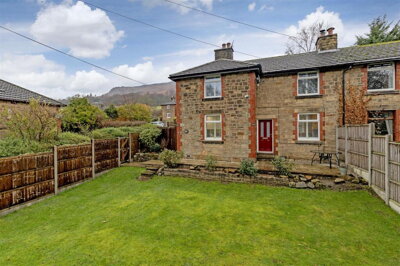
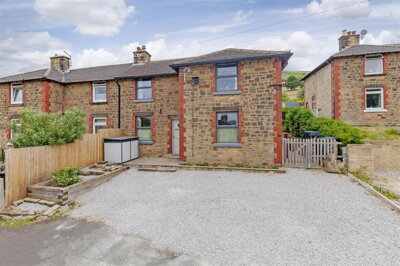
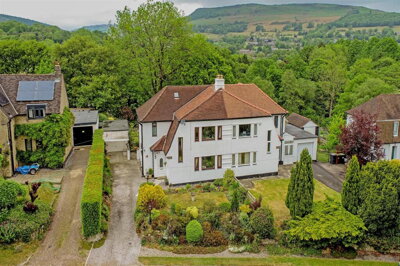
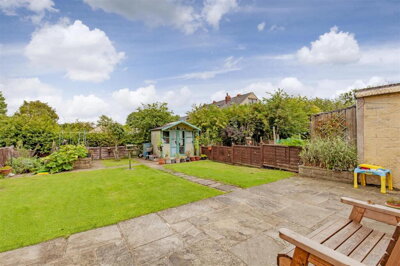
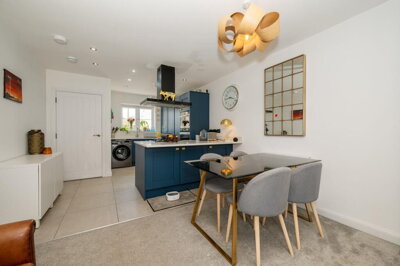
Browse 10 homes for sale in Aston from local estate agents.
Three bedroom properties represent a significant portion of the Aston housing market, offering space for families with multiple reception rooms and gardens in many cases. Browse detached, semi-detached, and terraced options ranging from period character homes to contemporary developments.
The Aston, High Peak property market has demonstrated strong resilience and growth, with house prices increasing by 11% over the last 12 months according to Rightmove data. Our listings currently feature properties across all main categories, with detached homes commanding the highest prices at an average of £525,000, reflecting the desirability of generous space and privacy in this rural setting. Semi-detached properties average around £310,000, offering an accessible entry point to village life for families and first-time buyers seeking more square footage than urban terraces provide. The terraced housing stock, predominantly consisting of traditional stone cottages, averages approximately £280,000 and represents excellent value for those prioritising character and location over extensive garden space.
Recent transaction data shows approximately 10 property sales completed in the Aston area over the past year, indicating a relatively tight market with limited turnover typical of small hamlets. New build development within the Aston postcode itself remains minimal, with any new homes more likely found in neighbouring villages such as Hope and Hathersage. This scarcity of new supply has contributed to sustained demand for existing properties, particularly those offering modern amenities within period facades. Buyers should note that properties in Aston often feature solid stone construction, original features such as exposed beams and fireplaces, and private gardens that take full advantage of the surrounding countryside.
The village housing stock skews heavily towards older properties, with the majority of homes pre-dating 1919. This includes traditional stone farmhouses, double-fronted cottages, and converted agricultural buildings that showcase the craftsmanship of Peak District builders working with local materials. A smaller proportion of properties date from the mid-20th century through to the 1980s, typically offering more modern layouts while retaining the external stone appearance. Flats are exceptionally rare in Aston, as the hamlet's character lends itself to houses rather than apartment conversions, making cottage properties particularly sought-after when they appear on the market.

Understanding the traditional construction methods used in Aston, High Peak is essential for any prospective buyer. Properties here predominantly feature solid wall construction, typically double-leaf stone walls built with local gritstone or limestone and finished with lime mortar pointing. Unlike modern cavity wall construction, solid stone walls are typically 300-450mm thick and rely on their mass and the breathability of lime mortar to manage moisture. This traditional approach requires different maintenance considerations compared to modern houses, as the walls need to be able to "breathe" to prevent moisture build-up within the fabric.
Roofing on Aston's older properties commonly features natural slate or stone flags, materials that were locally sourced and remain characteristic of the Peak District skyline. The timber roof structures in these older buildings are often hand-cut and assembled using traditional carpentry joints, which can be susceptible to decay if ventilation is poor or if the roof covering has deteriorated over time. When inspecting traditional stone properties, our surveyors pay particular attention to the condition of the parapet details, valley gutters, and lead flashing, as these are frequent sources of penetrating damp in properties of this age and construction type.
The geology of the Aston area, situated on Carboniferous Limestone and Millstone Grit formations, generally provides stable foundations for property construction. Clay soils associated with high shrink-swell movement are less prevalent in this gritstone and limestone dominated landscape, meaning significant ground movement is less common than in other parts of Derbyshire. However, localised pockets of superficial deposits can exist, and the history of lead mining in the wider Peak District means that older properties may sit above shallow bell pits or old workings. We recommend a mining search for any property purchase in Aston, as these historical workings can occasionally cause ground instability or drainage issues that affect the structure above.
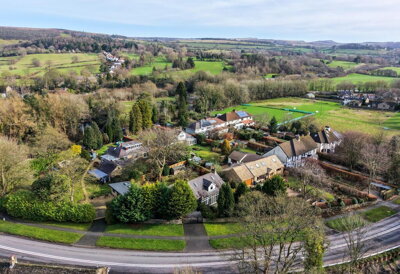
Aston, High Peak embodies the quintessential English countryside village experience, situated within the Peak District National Park where strict planning controls preserve the area's natural beauty and historic character. The hamlet features several listed buildings, including the notable Aston Hall, alongside traditional farmhouses and cottages that showcase the local gritstone and limestone construction methods passed down through generations. The village atmosphere is enhanced by a strong community spirit, with local events and traditions that bring residents together throughout the year. The surrounding landscape offers immediate access to some of Derbyshire's most spectacular scenery, including rolling moorlands, secluded valleys, and the nearby River Noe.
The local economy in Aston and the wider High Peak area is driven by tourism, agriculture, and light industry, with many residents also commuting to larger employment centres in Sheffield, Manchester, and Chesterfield. Daily amenities can be found in nearby villages, while larger shopping centres and healthcare facilities are accessible in surrounding towns. Outdoor pursuits are a major draw for residents, with walking, cycling, climbing, and fishing all popular activities on the doorstep. The proximity to the Peak District National Park is a significant factor supporting property values in Aston, as demand for homes in this protected landscape consistently outstrips supply, making it both a wonderful place to live and a sound long-term property investment.
The River Noe runs through the valley adjacent to Aston, contributing to the picturesque setting but also introducing flood risk considerations for certain properties. Properties immediately adjacent to the river or its tributaries should be researched carefully using Environment Agency flood maps before purchase. Surface water flooding can also occur in areas where drainage systems are overwhelmed during heavy rainfall, particularly given the rural nature of the village infrastructure. Understanding these flood risk factors is an important part of the buying due diligence process for Aston properties.

Families considering a move to Aston, High Peak will find a selection of primary and secondary schools within reasonable distance in the surrounding Hope Valley and High Peak area. Primary education is available at local village schools in nearby communities, which typically serve small cohorts and offer a personal, community-focused approach to early years learning. For secondary education, pupils often travel to schools in Hope, Hathersage, or Chapel-en-le-Frith, with several schools in these areas offering strong academic records and good Ofsted ratings. Parents should research specific catchment areas, as admission policies can be competitive in popular rural locations.
Secondary options in the wider area include Hope Valley College in Hope, which serves students from across the valley and surrounding villages, providing secondary education up to sixth form. For families seeking grammar school places, the nearest grammars are located in broader Derbyshire, and competition for places can be significant. Higher education facilities are readily accessible in Sheffield, Manchester, and Derby, making Aston an attractive base for families with older children pursuing university or further education. The rural setting also offers excellent opportunities for outdoor education and activities, complementing traditional academic curricula.
Transport to schools from Aston typically involves a combination of walking for younger children to local village schools, with dedicated school bus services operating to secondary schools in Hope and Hathersage. These arrangements should be factored into family relocation plans, particularly for those with children at secondary school age who may have longer journeys than would be typical in an urban setting. Some families choose to relocate to Aston when children are younger, benefiting from the primary school years before the logistics of secondary school transport become a consideration.
Aston, High Peak benefits from surprisingly good transport connections despite its rural village setting, making it practical for commuters and those who enjoy regular access to larger towns and cities. The Hope Valley railway line runs through the area, providing regular train services connecting to Sheffield, Manchester, and Manchester Airport, with stations in nearby Hope and Bamford offering convenient access from Aston. Journey times to Sheffield typically range from 30 to 45 minutes by train, while Manchester is accessible in approximately one hour, making dual-city commuting feasible for those working in either direction. Bus services operate throughout the Hope Valley, connecting Aston with neighbouring villages and larger towns for daily amenities.
Road connections are equally important for residents, with the A6187 and A625 providing access to the wider road network, connecting to the A6 and eventually the M1 motorway for travel further afield. Driving to Sheffield city centre takes approximately 45 minutes under normal traffic conditions, while Manchester can be reached in around one hour. Parking provision varies throughout the village, with some properties offering off-street parking while others rely on on-road parking typical of historic settlements. Cycling is popular in the area, with dedicated routes and scenic lanes attracting both recreational riders and commuters who prefer two wheels for shorter journeys.
For those working from home, broadband connectivity in Aston can be variable depending on the specific location within the hamlet. Some properties may benefit from faster fibre connections available via the village cabinet, while more remote properties may rely on slower ADSL services or mobile broadband solutions. Prospective buyers who require reliable high-speed internet for work purposes should verify the available options at their specific property of interest before completing a purchase. Mobile phone signal can similarly vary, with some networks providing better coverage than others in this valley location.
Start by exploring property listings in Aston, High Peak on Homemove to understand current prices, property types, and availability. Given the limited stock in this small hamlet, set up property alerts to be notified when new homes are listed. Research the village character, local amenities, and transport options to confirm Aston is the right fit for your lifestyle and commuting needs. Understanding the seasonal nature of rural property markets can also be advantageous, as some properties may come to market during the summer months when viewing conditions are better.
Before arranging viewings, contact a mortgage broker or lender to obtain an Agreement in Principle. This demonstrates to sellers that you are a serious buyer with financing in place, which is particularly important in a competitive market where properties may receive multiple offers. Our mortgage partners at Homemove can connect you with competitive rates and expert advice tailored to your circumstances. For properties in the higher price brackets typical of Aston's detached homes, securing adequate lending is essential before falling in love with a particular property.
Once you have identified properties of interest, contact the listed estate agents to arrange viewings. We recommend viewing multiple properties in Aston to compare the condition, character, and value of different options. Pay attention to construction materials, potential maintenance requirements, and proximity to the River Noe for any flood risk considerations. Viewing properties at different times of day can reveal variations in light, noise from the surrounding countryside, and any traffic passing through the village.
Before finalising your purchase, arrange for a RICS Level 2 Survey (HomeBuyer Report) on the property. Given that many homes in Aston are traditional stone buildings dating from the 19th century or earlier, a professional survey is essential to identify any structural issues, damp problems, roof defects, or outdated services. Survey costs in the High Peak area typically range from £400 to £800 depending on property size and value. For listed buildings or properties with obvious structural concerns, a more comprehensive RICS Level 3 Building Survey may be advisable to fully assess the condition of traditional construction.
Choose a conveyancing solicitor to handle the legal aspects of your purchase. Your solicitor will conduct searches, review contracts, and manage the transfer of ownership. We recommend obtaining quotes from several conveyancers, with typical costs starting from around £499 for standard transactions. Ensure your solicitor has experience with properties in the Peak District National Park, as there may be specific planning considerations including listed building requirements and national park planning policies that affect property ownership.
Once all searches are satisfactory and financing is confirmed, you will exchange contracts and pay your deposit. Completion typically follows within two to four weeks, after which you will receive the keys to your new Aston home. Register your ownership with the Land Registry and update your address with relevant utility providers and local authorities. Factor in time to set up services such as broadband, which may require longer lead times in rural village locations compared to urban areas.
Properties in Aston, High Peak require careful consideration of several area-specific factors before purchase. The majority of homes are traditional stone-built properties using local gritstone or limestone, which require different maintenance approaches compared to modern brick-built houses. Prospective buyers should look for signs of damp, which can be common in older properties without modern damp-proof courses, and check the condition of roofs, as slipped slates and lead flashing issues are frequently encountered in the local housing stock. Electrical wiring and plumbing systems in period properties may also require updating to meet current standards, so factor potential renovation costs into your budget.
Flood risk is an important consideration in Aston, given its location near the River Noe and other watercourses that pass through the village. Properties immediately adjacent to rivers may be at higher risk of fluvial flooding during periods of heavy rainfall, and buyers should review Environment Agency flood maps and ask sellers about any previous flooding incidents. The village's location within the Peak District National Park means planning restrictions apply to many properties, particularly listed buildings, which may limit permitted development rights and require listed building consent for alterations. If purchasing a listed property, budget for specialist surveys and ensure any planned works comply with heritage protection requirements.
The history of lead mining in the wider Peak District means that some Aston properties may sit above or near historical mining workings. While major coal mining is not typical of this area, bell pits and shallow lead mining excavations can occasionally be found, which may affect ground stability in localised areas. We recommend ordering a mining search as part of your conveyancing process, particularly for properties on or near elevated ground or where historical maps suggest potential workings. Properties with subsidence or settlement issues may require specialist structural engineering assessment before mortgage lenders will approve lending.
Understanding the distinction between freehold and leasehold ownership is essential, as most houses in Aston will be freehold while any flats or converted properties may have leasehold arrangements. Check ground rent terms and service charges carefully for leasehold properties, as these ongoing costs can vary significantly. The village setting also means some properties may have limited broadband speeds or mobile phone signal strength, so investigate connectivity before committing to purchase if these factors are important for your household.
When purchasing a property in Aston, High Peak, understanding the full cost of buying beyond the purchase price is essential for budgeting effectively. Stamp Duty Land Tax is calculated on a tiered basis, with standard rates of 0% on the first £250,000, rising to 5% on amounts between £250,001 and £925,000. For a typical Aston property priced at the area average of £392,000, a buyer would pay approximately £7,100 in stamp duty. First-time buyers benefit from increased thresholds, paying 0% on the first £425,000 and 5% on the next £200,000, meaning many first-time purchasers in Aston may pay no stamp duty at all on properties at or below average prices.
Legal costs for conveyancing typically start from around £499 for straightforward transactions, though more complex purchases involving listed buildings or properties in the Peak District National Park may cost more due to additional searches and specialist requirements. Survey costs should also be factored in, with RICS Level 2 Surveys in the High Peak area typically ranging from £400 to £800 depending on property size and value. Given the age of many Aston properties, a thorough survey is money well spent to identify any structural issues, damp problems, or necessary repairs before you commit to purchase. Other costs to budget for include removal expenses, Land Registry fees for registration, and potential renovation works if the property requires updating.
The average house price in Aston, High Peak and the surrounding Hope Valley area is approximately £392,000 according to recent Rightmove data. Property prices vary significantly by type, with detached homes averaging around £525,000, semi-detached properties at approximately £310,000, and terraced cottages around £280,000. House prices have increased by 11% over the past 12 months, indicating strong ongoing demand for properties in this desirable Peak District location. The limited supply of properties in this small hamlet, combined with consistent buyer interest from those seeking rural lifestyle options, continues to support values across all property types.
Properties in Aston, High Peak fall under High Peak Borough Council. Most traditional stone cottages and family homes in the village typically fall within council tax bands B through E, though the specific band depends on the property's valuation. Prospective buyers should check the exact band with the listing agent or during the conveyancing process, as bands can affect annual running costs which typically range from £1,400 to £2,200 per year for residential properties in this area. Properties with higher valuations, particularly larger detached homes and period farmhouses, may fall into higher bands.
Primary education near Aston is served by local village schools in the Hope Valley, with good Ofsted-rated options available in nearby Hope and Hathersage. Hope Valley College provides secondary education up to sixth form and serves students from across the wider area including Aston. Families should verify specific catchment areas and admission arrangements, as school places in popular rural areas can be competitive. Transport arrangements to schools may involve dedicated bus services operating from Aston to nearby villages, and parents should factor these travel times into family relocation planning.
Aston enjoys good public transport connections via the Hope Valley railway line, with train stations at Hope and Bamford providing regular services to Sheffield (30-45 minutes), Manchester (approximately 1 hour), and Manchester Airport. Bus services operate throughout the Hope Valley, connecting Aston with neighbouring villages for daily amenities. The A6187 and A625 roads provide access to the wider road network, with the M1 motorway reachable within approximately 30 minutes for those travelling further afield. Many residents find that the train services make commuting to Sheffield or Manchester entirely practical on a daily basis.
Aston, High Peak represents a solid property investment opportunity due to its location within the Peak District National Park, where strict planning controls limit new development and sustain demand. Property values have shown consistent growth, with an 11% increase recorded over the past year, and the hamlet's character properties consistently attract buyers seeking rural lifestyle options. Long-term prospects are supported by excellent transport links to major cities, making Aston popular with commuters who wish to work in Sheffield or Manchester while enjoying countryside living. The relative scarcity of properties coming to market in this small hamlet also means that well-presented homes tend to retain their value well.
Stamp Duty Land Tax rates for residential properties purchased in England are 0% on the first £250,000, 5% on £250,001 to £925,000, 10% on £925,001 to £1.5 million, and 12% on amounts above £1.5 million. First-time buyers qualify for relief on the first £425,000, paying 5% on the portion between £425,001 and £625,000. Given Aston's average property price of £392,000, a typical buyer would pay £7,100 in stamp duty (or nothing if a first-time buyer), though higher-value detached properties may incur additional charges.
Properties in Aston should be checked against Environment Agency flood maps, particularly those situated near the River Noe which flows through the valley adjacent to the hamlet. Fluvial flooding from the river and surface water flooding during periods of heavy rainfall can affect properties in low-lying areas near watercourses. We recommend asking sellers about any historical flooding incidents and reviewing the relevant flood risk data during the conveyancing process. Properties at higher elevation within the village generally face lower flood risk, though surface water can pool in unexpected locations given the local topography.
Aston contains several listed buildings including Aston Hall and various historic farmhouses and cottages that are protected for their architectural and historical significance. Listed building consent is required for most alterations, extensions, or significant repairs, and works must typically use sympathetic traditional materials and methods. If you are considering a listed property, factor in the additional costs of specialist surveys and potentially longer timescales for obtaining necessary consents. The maintenance of listed buildings can be more costly than modern properties, but grants may be available for certain heritage restoration works through Historic England or the Peak District National Park Authority.
The wider Peak District has a history of lead mining, and while Aston itself is not a primary mining area, bell pits and shallow historical workings may exist beneath or near some properties. We recommend ordering a mining search as part of your conveyancing process, particularly for properties built on or near elevated ground where workings may be more likely. Mining-related issues can occasionally affect foundations or drainage, and mortgage lenders may require a mining report or indemnity insurance depending on the search results. Your solicitor can advise on appropriate precautions based on the specific property location and search findings.
Properties for Sale In London

Properties for Sale In Plymouth

Properties for Sale In Liverpool

Properties for Sale In Glasgow

Properties for Sale In Sheffield

Properties for Sale In Edinburgh

Properties for Sale In Coventry

Properties for Sale In Bradford

Properties for Sale In Manchester

Properties for Sale In Birmingham

Properties for Sale In Bristol

Properties for Sale In Oxford

Properties for Sale In Leicester

Properties for Sale In Newcastle

Properties for Sale In Leeds

Properties for Sale In Southampton

Properties for Sale In Cardiff

Properties for Sale In Nottingham

Properties for Sale In Norwich

Properties for Sale In Brighton

Properties for Sale In Derby

Properties for Sale In Portsmouth

Properties for Sale In Northampton

Properties for Sale In Milton Keynes

Properties for Sale In Bournemouth

Properties for Sale In Bolton

Properties for Sale In Swansea

Properties for Sale In Swindon

Properties for Sale In Peterborough

Properties for Sale In Wolverhampton

Enter your details to see if this property is within your budget.
Loans, cards, car finance
Estimated property budget
Borrowing + deposit
You could borrow between
Typical borrowing
Monthly repayment
Est. at 4.5%
Loan-to-value
This is an estimate only. Your actual budget may vary depending on interest rates, credit history, and personal circumstances. For an accurate affordability assessment, speak to one of our free mortgage advisors.
This calculator provides estimates for illustrative purposes only and does not constitute financial advice. Your home may be repossessed if you do not keep up repayments on your mortgage. Estimates based on 4.5% interest rate, repayment mortgage. Actual rates depend on your circumstances.
Homemove is a trading name of HM Haus Group Ltd (Company No. 13873779, registered in England & Wales). Homemove Mortgages Ltd (Company No. 15947693) is an Appointed Representative of TMG Direct Limited, trading as TMG Mortgage Network, which is authorised and regulated by the Financial Conduct Authority (FRN 786245). Homemove Mortgages Ltd is entered on the FCA Register as an Appointed Representative (FRN 1022429). You can check registrations at NewRegister or by calling 0800 111 6768.

We use cookies to show you personalised content and improve your experience of our website. Find out more in our Privacy policy and Cookie policy.