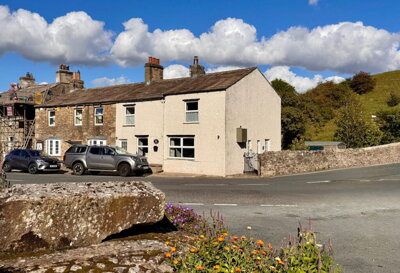
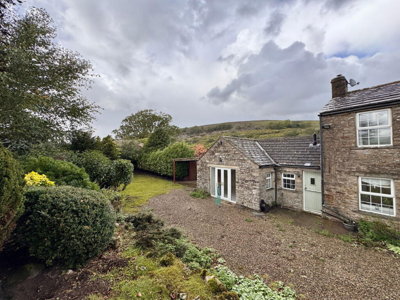
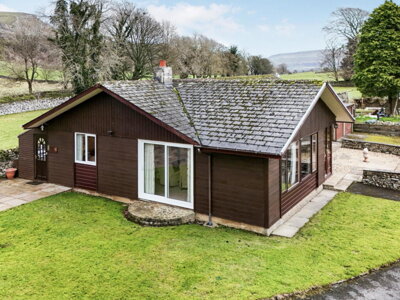
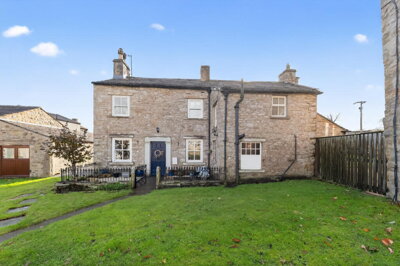
Browse 7 homes for sale in Askrigg, North Yorkshire from local estate agents.
Three bedroom properties represent a significant portion of the Askrigg housing market, offering space for families with multiple reception rooms and gardens in many cases. Browse detached, semi-detached, and terraced options ranging from period character homes to contemporary developments.
£450k
1
0
196
Source: home.co.uk
Showing 1 results for 3 Bedroom Houses for sale in Askrigg, North Yorkshire. The median asking price is £450,000.
Source: home.co.uk
Detached
1 listings
Avg £450,000
Source: home.co.uk
Source: home.co.uk
The Askrigg property market reflects the character of the village itself - modest in volume but rich in quality. Our data shows the current average property price stands at £316,500, with detached properties commanding premium prices of around £420,000 reflecting their rarity and the generous plots they typically occupy. Semi-detached homes in the village average £250,000, offering an accessible entry point to Dales village life without compromising on the area's distinctive architectural character. Terraced properties, which form a significant portion of the village's housing stock, average £280,000 and often feature the characteristic stone facades and slate roofs that define the local vernacular.
Over the past 12 months, the market has experienced a slight softening, with prices decreasing by approximately 1.5 percent. This modest correction follows national trends and may present opportunities for buyers who have been watching the market. The village has seen 4 property sales in the past year, a figure that underscores the limited turnover typical of small rural communities where properties change hands infrequently. New build activity in the immediate postcode area remains minimal, as the conservation area status and national park planning restrictions limit new development. Those seeking modern conveniences within an historic setting will find that existing properties have been carefully maintained and updated over the years, often blending original features with contemporary comforts.

Life in Askrigg revolves around the rhythms of the seasons and the generous landscapes of the Yorkshire Dales. The village sits on Carboniferous Limestone bedrock, creating the distinctive white-grey pavements and cliffs that attract walkers and naturalists from across the country. The River Ure flows through the valley below the village, its waters supporting a thriving ecosystem of native wildlife including brown trout and the occasional sighting of herons along its banks. The surrounding moors and meadows burst into colour during spring and summer, with meadows rich in wildflowers and the distinctive purple of heather covering the higher ground in late summer months.
The local economy centres on agriculture and tourism, with several working farms continuing to operate in the parish and surrounding area. Tourism plays a vital role in village life, with visitors drawn by the spectacular scenery, excellent walking routes including stretches of the Pennine Journey and Coast to Coast paths, and the authentic Dales atmosphere that has been preserved over generations. The village benefits from a traditional pub, a village shop stocking daily essentials, and a selection of artisan craft shops that showcase local talent. The presence of holiday lets and second homes reflects the area's popularity as a retreat destination, though this also influences the overall character and demand within the local property market.
Askrigg has featured prominently in literary and television history, most notably as a filming location for the BBC adaptation of James Herriot's All Creatures Great and Small, which brought the village's traditional veterinary practice and rural Yorkshire life to millions of viewers. This cultural heritage adds another dimension to the village's appeal, with visitors often recognising the distinctive street layout and traditional buildings from their screens. The village hall serves as a community focal point, hosting regular events and gatherings that maintain the strong social fabric typical of Dales communities.

Families considering a move to Askrigg will find educational provision organised around the structure typical of small Yorkshire Dales communities. The village is served by Askrigg and Burton Primary School, a small rural school that has served the community for generations and provides education for children from reception through to Year 6. The school maintains strong connections with the local community and benefits from the natural classroom offered by the surrounding countryside, where outdoor learning forms a key part of the curriculum. For secondary education, pupils typically travel to nearby Hawes, where Upper Wharfedale School provides comprehensive secondary education for the wider network of Dales villages.
For families seeking broader educational options, the market town of Leyburn offers secondary schooling facilities and a range of extracurricular activities. Independent schools in the wider region provide alternatives for those seeking specialist education, with several preparatory and senior schools within comfortable driving distance. Transport arrangements for secondary pupils involve school bus services that connect the village with schools across the Dales network, with journey times varying depending on the school and location. Parents are advised to check current catchment areas and admission policies, as these can change and may influence school placement availability in any given year.
Access to Askrigg follows the traditional pattern of Yorkshire Dales villages, with road connections forming the primary means of reaching the village and the surrounding area. The village sits on the B6255, connecting northward to the market town of Hawes and southward through the scenic valley routes toward Leyburn and the A1 corridor beyond. The journey to the nearest major town with full amenities typically involves a drive of 20-30 minutes, with Penrith and Darlington accessible within approximately one hour for those seeking larger shopping centres, hospitals, and railway stations with broader national connections.
Public transport options reflect the rural nature of the area, with bus services operating on a limited timetable that connects Askrigg with neighbouring villages and market towns. The nearest railway stations are located in Garsdale Head on the Settle-Carlisle line and in Leyburn, providing access to regional rail connections with changing points to reach major cities including Leeds, Carlisle, and Manchester. The Settle-Carlisle line itself is renowned among railway enthusiasts for its spectacular engineering through the Ribblesdale valley, and the twice-daily service from Garsdale Head provides a viable option for occasional travel to the north. For commuters working from home or maintaining flexible working arrangements, the village benefits from improving broadband connectivity, though speeds can vary depending on exact location within the parish. Those considering regular commuting should carefully assess the practical realities of rural travel patterns and factor these into their property search criteria.
Before committing to a purchase in Askrigg, spend time exploring the village across different seasons and times of day. Understanding the local community, identifying the nearest amenities, and familiarising yourself with the surrounding landscape will help ensure the lifestyle matches your expectations. The village's conservation area status and proximity to the River Ure will influence what you can and cannot do with any property you purchase.
Contact local and national mortgage brokers to arrange an agreement in principle before beginning property viewings. Given the unique nature of many properties in Askrigg, including listed buildings and historic stone cottages, some lenders may have specific requirements. Having your mortgage in principle demonstrates seriousness to sellers and estate agents while giving you a clear budget to work within.
Work with our platform to arrange viewings of properties that match your criteria. Take time to examine the condition of traditional stone construction, check for signs of damp common in older properties, and assess the roof condition. Given the prevalence of listed buildings and the village's conservation area status, viewings are an essential opportunity to understand any planning restrictions that may affect your plans.
For properties in Askrigg, a RICS Level 2 Survey (HomeBuyer Report) is strongly recommended. The village's predominantly older housing stock means common issues include damp in solid-wall constructions, timber defects, slate roof deterioration, and outdated electrical systems. A professional survey will identify these concerns before you commit to purchase.
Once your offer is accepted, instruct a solicitor with experience in rural and listed property transactions. Conveyancing for properties within conservation areas and those with listed building status requires specific expertise to ensure all legal requirements are properly addressed. Your solicitor will handle searches, title checks, and the registration process with the Land Registry.
After satisfactory survey results and completion of legal processes, you will exchange contracts and agree a completion date with the seller. On completion day, the remaining funds are transferred, and you receive the keys to your new home in Askrigg. Allow time for the transition and consider the practicalities of moving to a rural location with limited local services.
Properties in Askrigg require careful inspection given the village's historic character and the age of much of its housing stock. The predominant building material is traditional Yorkshire stone, typically limestone or gritstone, constructed using lime mortar rather than modern cement. This affects how properties breathe and manage moisture, making it essential to check for signs of penetrating or rising damp, particularly in properties that may have had inappropriate modern repairs using cement-based mortars or renders. The solid-wall construction common in pre-1919 properties offers excellent thermal mass but requires different approaches to insulation and ventilation compared with modern cavity-wall homes.
The proximity of Askrigg to the River Ure means flood risk must be carefully considered when evaluating properties. River flooding has occurred in parts of the village during periods of heavy rainfall, and surface water pooling can affect lower-lying areas. Prospective buyers should request flood risk information from the Environment Agency and consider the history of any specific property they are interested in purchasing. Properties near watercourses may require specialist insurance, and this ongoing cost should be factored into your overall budget calculations for the property.
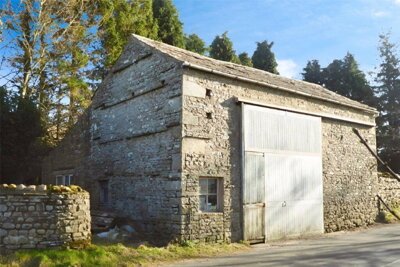
As a designated Conservation Area, any significant alterations to properties in Askrigg will require consent from the Yorkshire Dales National Park Authority planning department. This includes extensions, significant external changes, and even some internal alterations to listed buildings. The village contains numerous listed buildings spanning Grade I, Grade II*, and Grade II designations, each carrying different levels of restriction. Before purchasing, establish whether your intended property is listed and what limitations this places on future plans. Outbuildings and barns may offer conversion potential under permitted development rights, though this varies and professional advice is essential.
The Yorkshire Dales has a documented history of lead mining activity in nearby areas such as Swaledale and Arkengarthdale. While Askrigg itself was not a major mining centre, the potential for historical mining activity in the broader region warrants appropriate searches during conveyancing. Local geology is generally stable, with Carboniferous Limestone providing solid foundations, though properties should be checked for any signs of underground voids or historic shaft locations that might affect ground stability. Our inspectors pay particular attention to these regional factors when surveying properties in the village.
Understanding the traditional construction methods used in Askrigg properties is essential for any prospective buyer. The village's building heritage reflects centuries of local craftsmanship, with limestone quarried from nearby outcrops providing the primary walling material for most properties. Traditional lime mortar, which has been used for hundreds of years in the Dales, allows buildings to breathe and move slightly with temperature changes. Modern cement-based products can trap moisture within these historic walls, leading to deterioration of both the masonry and timbers. Our surveyors always note whether inappropriate modern materials have been used in past repairs, as this can indicate ongoing maintenance issues.
Slate roofing, sourced originally from quarries throughout the Dales, dominates the village skyline and requires specialist knowledge to assess properly. slipped slates, deteriorated leadwork around chimneys and valleys, and timber decay in roof structures are all common findings during surveys of Askrigg properties. The pitch of traditional Dales roofs is often steeper than modern equivalents, reflecting the need to shed heavy rainfall quickly, and this can affect options for loft conversions or the installation of solar panels. Any proposed roof alterations would require careful consideration of the property's listed status and the visual impact on the Conservation Area.
Traditional features you may encounter in Askrigg properties include flagged stone floors, exposed beam ceilings, inglenook fireplaces, and bread ovens - all characteristic of Dales vernacular architecture. These features contribute significantly to the charm and value of village properties but may require specialist restoration techniques that understand historic building methods. Properties that have been sympathetically updated often represent the best of both worlds, retaining character while incorporating modern plumbing, heating, and electrical systems that meet current standards.
The current average property price in Askrigg stands at £316,500 according to recent market data. Detached properties average around £420,000, semi-detached homes are priced at approximately £250,000, and terraced properties average £280,000. The market has seen a modest 1.5 percent decrease over the past 12 months, and only 4 property sales were recorded in the village during this period, reflecting the limited turnover typical of small rural communities.
Properties in Askrigg fall under the South Lakeland District Council jurisdiction, covering the northern reaches of the Yorkshire Dales. Most traditional stone cottages and older properties in the village are likely to fall within bands A through C, though specific properties should be verified through the local council tax database as values can vary based on property size and historical assessments. The rural location and age of many properties generally means council tax bills remain reasonable compared with urban centres.
Askrigg and Burton Primary School serves the village and surrounding area for primary education, providing classes from reception through Year 6 in a small rural setting. Secondary pupils typically attend Upper Wharfedale School in Hawes or travel to schools in Leyburn, with school transport arrangements connecting the village to these options. Parents are advised to check current admission policies and catchment boundaries, as these can change and may affect placement availability.
Public transport in Askrigg reflects its status as a small rural village, with bus services operating on limited timetables that connect the village with neighbouring communities and market towns. The nearest railway stations are in Garsdale Head on the Settle-Carlisle line and in Leyburn, providing access to regional rail networks with connections to Leeds, Carlisle, and beyond. Daily commuting to major employment centres is practical only for those with flexible working arrangements, as journey times to larger towns are measured in tens of minutes rather than minutes.
Askrigg and the wider Yorkshire Dales property market has demonstrated resilience over time, with the combination of limited supply, strong demand from buyers seeking rural lifestyles, and the protections afforded by national park status supporting values. The presence of holiday lets and second homes in the village indicates continued demand, though prospective investors should be aware of planning restrictions that may affect short-term rental potential. As with any property investment, thorough research into rental yields, occupancy rates, and local demand is recommended before committing to purchase.
Askrigg's location near the River Ure means properties in certain parts of the village carry a risk of river flooding, particularly during periods of heavy rainfall when water levels rise significantly. Surface water flooding can also affect lower-lying areas of the village after intense precipitation. The village is not subject to coastal flooding given its inland position. Prospective buyers should obtain detailed flood risk information for any specific property from the Environment Agency and factor potential insurance costs into their budget planning.
Stamp Duty Land Tax (SDLT) applies to all property purchases in England. For standard purchases, there is no SDLT on the first £250,000 of the purchase price, with 5 percent charged on amounts between £250,001 and £925,000. First-time buyers benefit from relief on the first £425,000, with 5 percent charged between £425,001 and £625,000. Given the average property price in Askrigg of £316,500, most buyers would pay no SDLT under current thresholds, though higher-value properties would attract charges at the standard rates.
Stone properties in Askrigg require attention to several specific areas during any survey. Check the condition of lime mortar pointing, as deteriorated mortar allows water penetration that can cause significant damage to both walls and internal timbers. Examine external walls for signs of cracking, bulging, or previous repairs with inappropriate materials. Inside the property, look for evidence of damp at low levels, particularly in properties without modern damp-proof courses. Roof inspections should assess slate condition, leadwork around chimneys, and the state of timber rafters and purlins. Our surveyors are experienced in assessing traditional Dales construction and will identify any issues specific to this type of historic building.
Understanding the full costs of purchasing property in Askrigg extends beyond the advertised asking price. The current SDLT thresholds for residential purchases in England are set at zero percent for the first £250,000 of property value, with 5 percent applied to the portion between £250,001 and £925,000. Given that the average property price in Askrigg stands at £316,500, many buyers purchasing at or near this price point would incur SDLT charges on the amount exceeding £250,000. For a property priced at £316,500, this would result in SDLT of approximately £3,325. Those purchasing higher-value detached properties averaging around £420,000 would pay SDLT of approximately £8,500.
First-time buyers benefit from enhanced SDLT relief, with zero percent applying to the first £425,000 of purchase price and 5 percent charged on amounts between £425,001 and £625,000. This relief is available only to those who have never previously owned property anywhere in the world and who do not intend to own any property in the future at the time of purchase. Properties above £625,000 do not qualify for any first-time buyer relief. Beyond SDLT, buyers should budget for solicitor fees typically ranging from £800 to £2,500 depending on complexity, search fees around £250-500, and disbursements including Land Registry fees and mortgage arrangement costs.
A RICS Level 2 Survey, strongly recommended given the age and construction type of properties in Askrigg, typically costs between £400 and £800 depending on property size and value. Buildings insurance must be in place from the point of exchange, and removals costs should also be factored into your overall moving budget. For properties in the village, additional costs may include specialist insurance for flood risk or properties near watercourses, and any surveys recommended for listed buildings may require additional specialist input. Budgeting for a contingency of at least 10 percent above the purchase price is advisable to cover unexpected issues that may arise with historic properties.
From £400
A detailed inspection of the property condition, ideal for traditional stone homes in Askrigg
From £500
A comprehensive building survey for older or complex properties
From £80
Energy performance certificate required for all sales
From £499
Solicitors experienced in rural and listed property transactions
From 4.5% APR
Competitive mortgage deals for Askrigg properties
Properties for Sale In London

Properties for Sale In Plymouth

Properties for Sale In Liverpool

Properties for Sale In Glasgow

Properties for Sale In Sheffield

Properties for Sale In Edinburgh

Properties for Sale In Coventry

Properties for Sale In Bradford

Properties for Sale In Manchester

Properties for Sale In Birmingham

Properties for Sale In Bristol

Properties for Sale In Oxford

Properties for Sale In Leicester

Properties for Sale In Newcastle

Properties for Sale In Leeds

Properties for Sale In Southampton

Properties for Sale In Cardiff

Properties for Sale In Nottingham

Properties for Sale In Norwich

Properties for Sale In Brighton

Properties for Sale In Derby

Properties for Sale In Portsmouth

Properties for Sale In Northampton

Properties for Sale In Milton Keynes

Properties for Sale In Bournemouth

Properties for Sale In Bolton

Properties for Sale In Swansea

Properties for Sale In Swindon

Properties for Sale In Peterborough

Properties for Sale In Wolverhampton

Enter your details to see if this property is within your budget.
Loans, cards, car finance
Estimated property budget
Borrowing + deposit
You could borrow between
Typical borrowing
Monthly repayment
Est. at 4.5%
Loan-to-value
This is an estimate only. Your actual budget may vary depending on interest rates, credit history, and personal circumstances. For an accurate affordability assessment, speak to one of our free mortgage advisors.
This calculator provides estimates for illustrative purposes only and does not constitute financial advice. Your home may be repossessed if you do not keep up repayments on your mortgage. Estimates based on 4.5% interest rate, repayment mortgage. Actual rates depend on your circumstances.
Homemove is a trading name of HM Haus Group Ltd (Company No. 13873779, registered in England & Wales). Homemove Mortgages Ltd (Company No. 15947693) is an Appointed Representative of TMG Direct Limited, trading as TMG Mortgage Network, which is authorised and regulated by the Financial Conduct Authority (FRN 786245). Homemove Mortgages Ltd is entered on the FCA Register as an Appointed Representative (FRN 1022429). You can check registrations at NewRegister or by calling 0800 111 6768.

We use cookies to show you personalised content and improve your experience of our website. Find out more in our Privacy policy and Cookie policy.