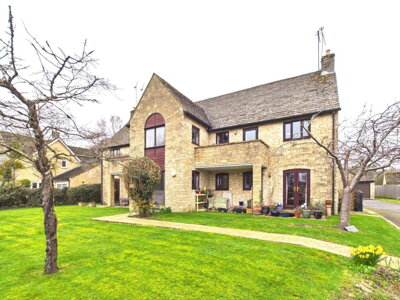
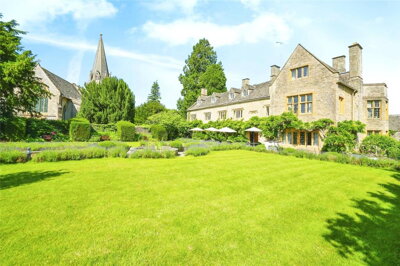
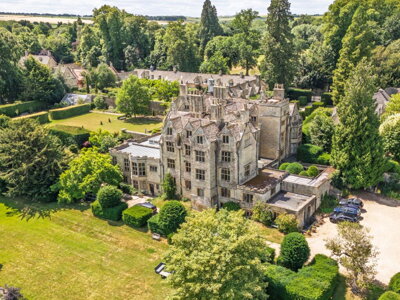
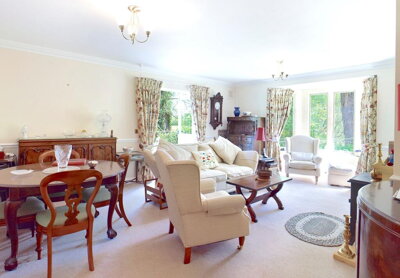
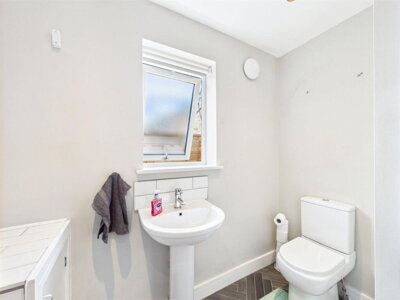
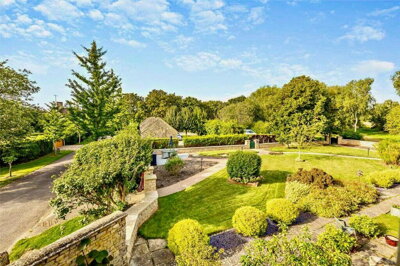
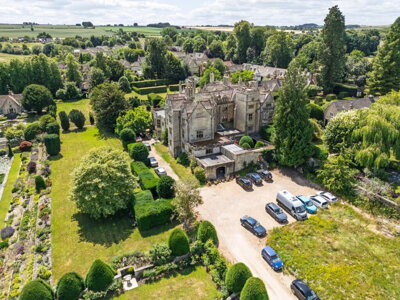
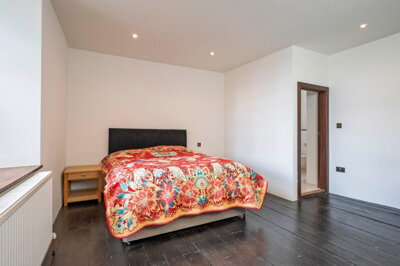
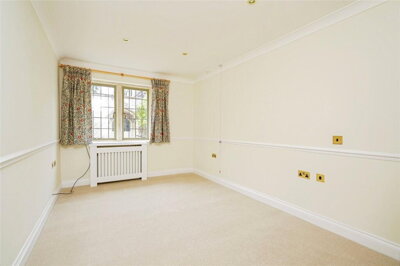
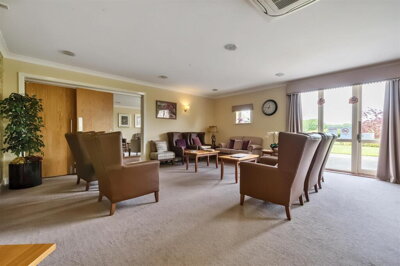
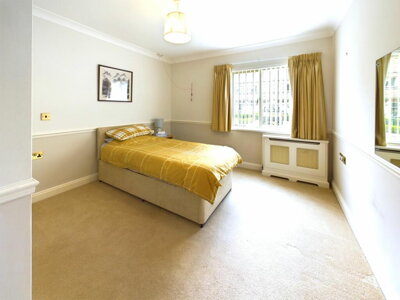
Browse 11 homes for sale in Ascott-under-Wychwood from local estate agents.
Studio apartments feature open-plan living spaces without separate bedrooms, incorporating sleeping, living, kitchen, and bathroom facilities. The Ascott Under Wychwood studio market includes properties in modern apartment complexes, converted Victorian and Georgian buildings, and purpose-built developments.
The Corton property market presents a compelling picture for buyers in 2026. According to recent data, the overall average house price stands at approximately £265,000, with property prices showing relative stability over the past twelve months with a marginal -0.5% change. This makes Corton an attractive option for first-time buyers and families looking to establish themselves in coastal Suffolk without the premium prices found in more metropolitan areas. The market benefits from a range of property types, from affordable terraced homes priced around £190,000 to substantial detached properties reaching £330,000.
Detached properties command the highest prices in Corton, with the average currently sitting at £330,000. These homes typically offer generous living spaces, private gardens, and often feature views across the surrounding countryside or glimpses of the coast. Properties in this category include substantial family homes along Sandy Lane and the newer detached bungalows that have been added to the village stock in recent decades. Semi-detached properties provide excellent value at an average of £220,000, making them popular among families seeking more space than a terraced property can offer while remaining within a reasonable budget. The semi-detached housing stock is concentrated around the newer developments built during the post-war expansion period, particularly along names that connect the village centre to the coast.
Terraced homes in the village average £190,000, offering an accessible entry point for first-time buyers or those seeking a smaller property footprint. These properties are often found in the older parts of Corton, particularly within or near the conservation area where traditional Victorian and Edwardian terraces line the streets. Flats in Corton represent the most affordable segment of the market, with average prices around £120,000. These properties are often found as conversions or in small purpose-built blocks near the coastal areas of the village, offering an affordable route onto the property ladder or a potential investment opportunity for landlords. The village has seen limited new build activity in recent years, with most developments occurring in neighbouring Lowestoft and Hopton-on-Sea.

Corton is a village that rewards those who appreciate coastal living and community spirit. With a population of 1,132 residents according to the 2021 Census, the village maintains an intimate scale that allows neighbours to know one another while still offering the anonymity that comes with modern life. The village centre features local amenities including a convenience store, traditional pub, and village hall where community events take place throughout the year. The proximity to the coast means residents enjoy easy access to beach walks, fishing spots, and the therapeutic sound of the sea. The nearby Corton Woods provides a scenic backdrop for daily walks and connects residents to the broader Suffolk Coast Path.
The local economy in Corton is shaped by its relationship with nearby Lowestoft, Suffolk's most easterly town. Lowestoft serves as the local employment hub, offering jobs in the offshore energy sector, commercial fishing port operations, and food processing industries. The energy sector has grown significantly in recent years, with the Greater Wash and East Anglia offshore wind farms creating skilled engineering jobs that attract workers to the region. Tourism also plays a significant role in the regional economy, with several holiday parks in the Corton area providing seasonal employment opportunities. Healthcare and retail sectors in Lowestoft further expand the employment options available to Corton residents who commute the short distance for work.
The character of Corton is defined by its mix of architectural periods and building styles. The village features a core of historic properties from the Victorian and Edwardian eras, particularly concentrated around the conservation area near St Bartholomew's Church. These older properties, many built using traditional red and gault brick, give the village its distinctive appearance and contribute to its charm. The Grade II listed Corton Windmill, built in the 1830s, stands as a reminder of the village's agricultural past and is visible from several vantage points in the area. Post-war development expanded the village during the 1945-1980 period, adding semi-detached and detached houses that accommodate families seeking more modern layouts. More recent infill developments have continued to add to the housing stock, though at a modest pace that has preserved the village atmosphere.

Families considering a move to Corton will find educational provision centred primarily in the nearby town of Lowestoft, which lies just a short drive or bus journey from the village. Primary education is available through several schools in the surrounding area, with schools serving the villages of Corton, Blundeston, and surrounding communities. These primary schools typically serve their immediate catchment areas and are accessible to Corton residents through the local school transport network or for families willing to accompany younger children on short journeys. The journey to primary schools in the Lowestoft area typically takes around 10-15 minutes by car, with school buses serving the village for those who qualify under transport policies.
Secondary education in the area is provided by schools in Lowestoft, including options that cater to students from Corton and surrounding villages. The travel time to secondary schools is approximately 15-20 minutes by car, with dedicated school transport services operating during term time. Sixth form provision is available for older students seeking A-level qualifications, with colleges in Lowestoft offering a range of academic and vocational courses. Parents are advised to research current catchment areas and admissions criteria, as these can influence school placement decisions. The coordinated admissions process managed through Suffolk County Council means that applications for school places are processed centrally, with preferences ranked according to published oversubscription criteria.
For families with younger children, early years provision includes nurseries and pre-schools in the surrounding area, offering flexible childcare options for working parents. These settings range from school-based nurseries attached to primary schools to private day nurseries offering extended hours. Special educational needs provision is coordinated through Suffolk County Council, with specialist resources available for children requiring additional support. Ofsted inspection reports for schools in the Lowestoft area are publicly available and provide valuable insight into educational quality for families evaluating their options. Higher education facilities are accessible in the nearby city of Norwich, approximately 35 miles away, which hosts the University of East Anglia and Norwich University of the Arts, alongside further education colleges offering vocational courses and apprenticeships.
Corton benefits from its position on the Suffolk coast, offering residents a choice of transport options for commuting and travel. The village sits close to the A12 trunk road, which provides a direct connection to Ipswich to the south and Great Yarmouth to the north. This road artery forms the main route for residents who travel by car for work or leisure, connecting Corton to the wider East Anglia road network. Journey times by car to Ipswich typically take around one hour, while Norwich is approximately one hour fifteen minutes to the north-west. The A146 provides a more direct route to Norwich, passing through Beccles and offering an alternative to the A12 for those heading north-west.
Rail connections are available from Lowestoft, which offers direct train services to Norwich with journey times of approximately 30-40 minutes. From Norwich, passengers can connect to the wider national rail network, including services to London Liverpool Street which take around one hour forty minutes. Lowestoft railway station is easily accessible from Corton by car or local bus services, making it feasible for residents to commute by train to employment centres in Norwich or beyond. The station also provides connections to Ipswich and Cambridge for those travelling further afield. Weekend services and off-peak frequencies should be checked before committing to a rail-based commute, as service patterns may vary throughout the day.
Local bus services connect Corton with Lowestoft town centre, providing an essential service for residents without access to a car. Bus route 63 operates between Corton and Lowestoft, providing regular connections to the town centre, retail parks, and healthcare facilities. These services run at regular intervals throughout the day, allowing access to Lowestoft's shopping facilities, healthcare services, and other amenities. For international travel, Norwich International Airport offers domestic and European flights, while London Stansted Airport provides connections to worldwide destinations. Cyclists will find that Corton is linked to local cycling routes, with the National Cycle Network Route 1 passing nearby and connecting the village to Lowestoft and the broader Suffolk coastal cycling infrastructure.
Start by exploring property listings in Corton and understanding current market conditions. With average prices around £265,000 and a variety of property types available, research which areas of the village match your requirements and budget. Consider the differences between properties in the conservation area, which offer character but face planning restrictions, and newer developments that may offer more modern layouts but less historic charm.
Before arranging viewings, obtain a mortgage agreement in principle from a lender. This demonstrates your buying position to estate agents and sellers, giving you a competitive edge when you find your ideal property in Corton. Given Corton's property price range, many buyers will find that their mortgage requirements fall within favourable loan-to-value brackets, potentially securing competitive interest rates.
Visit properties that match your criteria, taking time to assess the neighbourhood, nearby amenities, and the condition of the property itself. Pay particular attention to the property age, building materials, and any signs of maintenance issues that might require further investigation. For coastal properties in Corton, look specifically for signs of damp, timber decay, or coastal weathering that may indicate more significant problems.
Once you have an offer accepted, arrange a RICS Level 2 Survey to assess the property condition. Given Corton's coastal position and mix of older properties, surveys typically cost between £400 and £700 depending on property size and type. Our team can connect you with qualified local surveyors who understand the specific challenges of Suffolk coastal properties and the common defects found in local housing stock.
Appoint a solicitor to handle the legal aspects of your purchase, including property searches, contract review, and registration with HM Land Registry. Local knowledge of Suffolk properties is valuable for identifying any area-specific concerns such as flood risk, conservation area restrictions, or coastal erosion boundaries that may affect your property.
Once all searches are satisfactory and finances are confirmed, your solicitor will exchange contracts and set a completion date. On completion day, you will receive the keys to your new Corton home. Our team will remain available to assist with any questions about your purchase or the local area as you settle into your new property.
Purchasing a property in Corton requires careful consideration of the village's unique characteristics and potential challenges. The coastal location brings specific considerations that buyers should investigate thoroughly. Properties situated near the cliff edge face potential coastal erosion risks, and anyone considering such properties should review historical erosion data and any coastal management plans affecting the area. A thorough survey is essential for these properties to assess structural integrity and any remedial work that might be required to address coastal exposure issues. The Environment Agency provides detailed mapping tools that show historical erosion rates and projected future coastline positions that can inform your decision.
The local geology presents another important consideration for Corton buyers. The underlying Crag Group formations, containing sand, silt, and clay, create a moderate to high shrink-swell risk that can affect property foundations. Properties built before modern building regulations may have shallower foundations that are more susceptible to ground movement during periods of extreme weather. We have seen survey reports identify subsidence and heave issues in Corton properties where the clay-rich substrate has responded to prolonged wet or dry conditions. A RICS Level 2 Survey can identify signs of subsidence or heave that might indicate foundation issues requiring attention or negotiation with the seller.
Buyers should also be aware of the Corton Conservation Area, which encompasses parts of the village particularly around the historic church and older core. Properties within this designated area are subject to stricter planning controls that may affect permitted development rights and any future alterations or extensions you might wish to undertake. Listed buildings in the village, including St Bartholomew's Church and Corton Windmill, require special consideration and Listed Building Consent for any significant works. These properties may require more detailed surveys and potentially a RICS Level 3 Building Survey to assess their complex historic construction. Our survey team can advise on whether a standard Level 2 or the more comprehensive Level 3 survey would be appropriate for your intended purchase.
Flood risk assessment is another essential step for Corton buyers. While the village currently has no active flood warnings, the coastal position means tidal flooding and coastal erosion represent long-term risks, particularly for properties in lower-lying areas near the sea. Surface water flooding can also occur during heavy rainfall when drainage infrastructure is overwhelmed. Reviewing Environment Agency flood maps and understanding the property's position relative to flood risk areas will help you make an informed decision and ensure appropriate insurance is in place. Buildings insurance for coastal properties may carry higher premiums, and we recommend obtaining insurance quotes before completing your purchase to budget accurately for ongoing costs.
The age of Corton's housing stock means that many properties will have construction features that differ from modern standards. Traditional solid wall construction is common in pre-1919 properties, which lack the cavity insulation of later homes and may show higher energy costs. Outdated electrical systems and plumbing are frequently encountered in properties built before the 1980s, with potential issues including old fuse boards, dated wiring, and in some cases, remaining lead pipes. Our inspectors routinely identify these issues during surveys and can provide cost estimates for remediation, giving you negotiating leverage or helping you plan future renovation work.
The average house price in Corton is approximately £265,000 according to recent market data. Detached properties average £330,000, semi-detached homes around £220,000, terraced properties at £190,000, and flats approximately £120,000. Property prices have shown relative stability over the past twelve months with a marginal -0.5% change, making Corton an affordable option within the East Suffolk coastal market. This price stability contrasts with some nearby areas where coastal premiums have driven more significant price fluctuations in recent years.
Properties in Corton fall under East Suffolk Council's jurisdiction for council tax purposes. Specific bands vary by property depending on valuation, with typical residential properties in the village ranging from Band A through to Band D for more substantial detached homes. Most terraced properties and smaller semi-detached homes in Corton fall into Bands A or B, while larger detached properties may be assessed in Bands C or D. Prospective buyers should check the specific property's council tax band through the Valuation Office Agency website or request this information during the conveyancing process, as this forms part of the standard pre-contract information.
Corton village itself has limited primary schools, with primary education typically accessed through schools in nearby Lowestoft. Schools serving the Corton catchment area include several Good and Outstanding Ofsted-rated primaries that welcome applications from village residents. Secondary education is available at schools in Lowestoft, with sixth form provision for older students seeking A-level qualifications. Parents should research current catchment boundaries and review Ofsted reports to identify the most suitable options for their children's education needs, as school place availability can be competitive in popular catchment areas.
Corton is served by local bus routes connecting the village to Lowestoft town centre, where the main railway station is located. Bus services operate throughout the day, providing access to Lowestoft's shopping facilities, healthcare services, and employment opportunities. From Lowestoft, train services run to Norwich with journey times of 30-40 minutes, offering connections to London and the national rail network. The A12 road passes nearby, providing road connections to Ipswich and Great Yarmouth. For air travel, Norwich Airport is approximately one hour's drive away, offering domestic and European flights.
Corton offers potential for property investment given its relatively affordable prices compared to other coastal areas in East Anglia. The village benefits from its coastal location and proximity to Lowestoft, which serves as a regional employment centre with growing offshore energy and service sector jobs. Rental demand may exist from workers employed in Lowestoft's offshore energy and service sectors, particularly those seeking quieter residential locations away from town centre living. However, buyers should consider factors such as coastal erosion risk, potential insurance costs, and the limited new build supply when evaluating investment potential. The conservation area restrictions also affect what modifications landlords can make to rental properties.
Stamp duty Land Tax rates for residential properties purchased in England are 0% on the first £250,000, 5% on the portion from £250,001 to £925,000, 10% on the portion from £925,001 to £1.5 million, and 12% on any amount above £1.5 million. First-time buyers qualify for relief on the first £425,000, paying 5% on amounts between £425,001 and £625,000. Given Corton's average price of £265,000, many buyers may pay no stamp duty or only a minimal amount under current thresholds. Our team can provide a detailed calculation based on your specific circumstances and property type.
The primary risks associated with coastal properties in Corton include coastal erosion, tidal flooding, and the effects of salt air on building materials. Properties on or near the cliff edge require particular scrutiny regarding their long-term structural stability, and we recommend reviewing Environment Agency coastal erosion data and any local coastal management plans before purchasing such properties. The local geology with clay content presents shrink-swell risks that can affect foundations, particularly during extended periods of wet or dry weather. Prospective buyers should commission thorough surveys, review Environment Agency flood risk data, and ensure buildings insurance adequately covers coastal risks before completing a purchase.
A RICS survey is essential before purchasing any property in Corton due to the village's coastal position, mix of older property ages, and local geological conditions. Our inspectors regularly identify issues specific to Corton properties, including damp related to coastal exposure, timber defects in properties with poor ventilation, and signs of foundation movement caused by the shrink-swell behaviour of local clay soils. For older properties in the conservation area, surveys can reveal maintenance issues that might not be apparent during viewings. Survey findings can provide valuable negotiating leverage or highlight costs that should be factored into your budget, potentially saving thousands of pounds in unexpected repair bills after purchase.
🏠
A detailed condition report ideal for modern properties and conventional construction. From £400
🔍
Comprehensive structural survey recommended for older, larger, or unconventional properties. From £600
📋
Energy performance certificate required for all property sales. From £85
⚖️
Legal services for your property purchase. From £499
Understanding the full costs of buying a property in Corton goes beyond the purchase price itself. Stamp duty Land Tax represents one of the most significant additional costs, though at Corton's average price of £265,000, many buyers will find this expense more manageable than in higher-priced areas. Standard residential rates apply 0% stamp duty on the first £250,000 of the purchase price, meaning a property at the village average would attract no stamp duty at all under current thresholds. This zero-rate threshold provides significant savings for Corton buyers compared to those purchasing in areas where average prices exceed £250,000.
First-time buyers purchasing properties up to £425,000 can benefit from first-time buyer relief, paying no stamp duty on the first £425,000. This means that first-time buyers purchasing at Corton's average price of £265,000 would pay zero stamp duty in full. The first-time buyer relief applies to the entire purchase if the price remains below £425,000, making Corton particularly accessible for those taking their first step onto the property ladder. For those purchasing above £425,000, a 5% rate applies on the portion between £425,001 and £625,000. These thresholds remain fixed until March 2025 and apply to all purchases in England including Corton.
Beyond stamp duty, buyers should budget for solicitor conveyancing costs which typically range from £500 to £1,500 depending on the complexity of the transaction and whether the property is freehold or leasehold. Search fees form part of the conveyancing costs and in a coastal area like Corton may include specific environmental searches related to flood risk and coastal erosion. Survey costs for a RICS Level 2 Survey in Corton typically range from £400 to £700, with the price reflecting property size, age, and complexity. Given Corton's mix of older properties and coastal exposure, investing in a thorough survey is particularly valuable to identify any structural concerns before purchase.
Additional costs to factor into your budget include mortgage arrangement fees, which can range from zero to around £2,000 depending on the lender and product chosen. Some lenders offer fee-free mortgages but compensate with slightly higher interest rates, so comparing the overall cost across the mortgage term is advisable. Land Registry fees for registering your ownership will be handled by your solicitor and typically cost around £150 to £200. Buildings insurance should be arranged from the point of completion, with coastal properties potentially attracting higher premiums due to flood and erosion risks. We recommend obtaining buildings insurance quotes before completion to ensure adequate cover is in place from day one of ownership.
Properties for Sale In London

Properties for Sale In Plymouth

Properties for Sale In Liverpool

Properties for Sale In Glasgow

Properties for Sale In Sheffield

Properties for Sale In Edinburgh

Properties for Sale In Coventry

Properties for Sale In Bradford

Properties for Sale In Manchester

Properties for Sale In Birmingham

Properties for Sale In Bristol

Properties for Sale In Oxford

Properties for Sale In Leicester

Properties for Sale In Newcastle

Properties for Sale In Leeds

Properties for Sale In Southampton

Properties for Sale In Cardiff

Properties for Sale In Nottingham

Properties for Sale In Norwich

Properties for Sale In Brighton

Properties for Sale In Derby

Properties for Sale In Portsmouth

Properties for Sale In Northampton

Properties for Sale In Milton Keynes

Properties for Sale In Bournemouth

Properties for Sale In Bolton

Properties for Sale In Swansea

Properties for Sale In Swindon

Properties for Sale In Peterborough

Properties for Sale In Wolverhampton

Enter your details to see if this property is within your budget.
Loans, cards, car finance
Estimated property budget
Borrowing + deposit
You could borrow between
Typical borrowing
Monthly repayment
Est. at 4.5%
Loan-to-value
This is an estimate only. Your actual budget may vary depending on interest rates, credit history, and personal circumstances. For an accurate affordability assessment, speak to one of our free mortgage advisors.
This calculator provides estimates for illustrative purposes only and does not constitute financial advice. Your home may be repossessed if you do not keep up repayments on your mortgage. Estimates based on 4.5% interest rate, repayment mortgage. Actual rates depend on your circumstances.
Homemove is a trading name of HM Haus Group Ltd (Company No. 13873779, registered in England & Wales). Homemove Mortgages Ltd (Company No. 15947693) is an Appointed Representative of TMG Direct Limited, trading as TMG Mortgage Network, which is authorised and regulated by the Financial Conduct Authority (FRN 786245). Homemove Mortgages Ltd is entered on the FCA Register as an Appointed Representative (FRN 1022429). You can check registrations at NewRegister or by calling 0800 111 6768.

We use cookies to show you personalised content and improve your experience of our website. Find out more in our Privacy policy and Cookie policy.