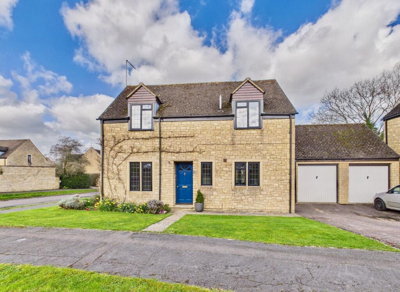
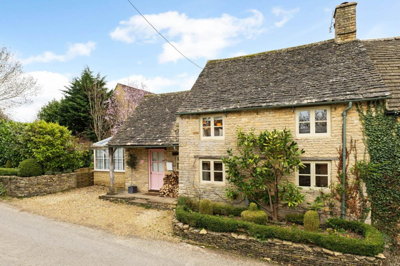
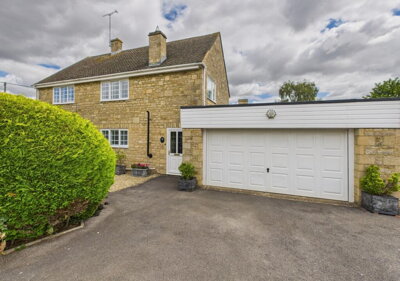
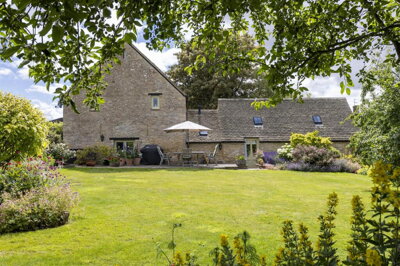
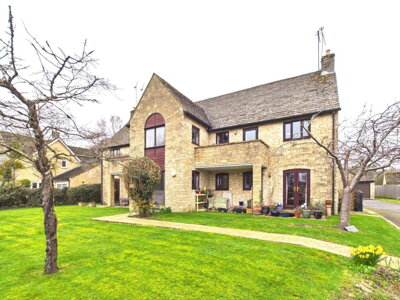
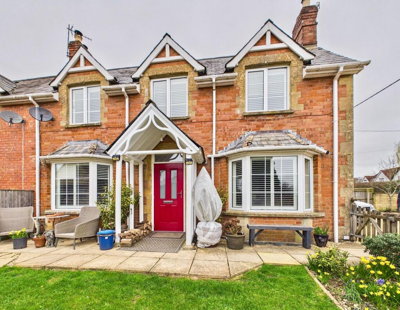
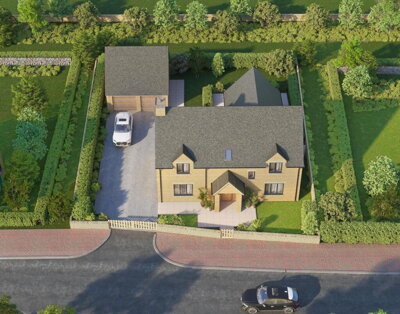
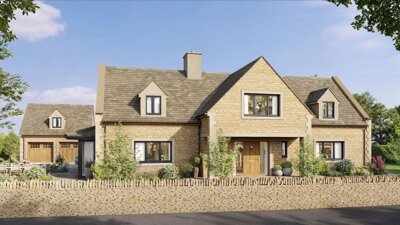
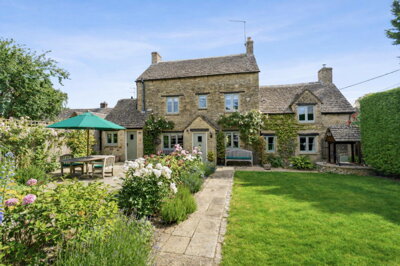
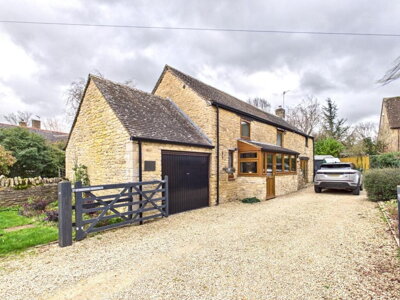
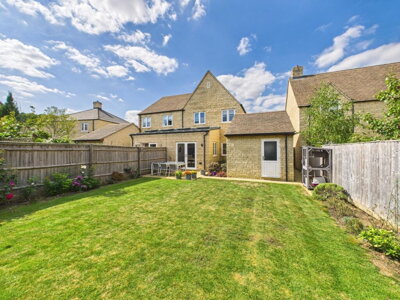
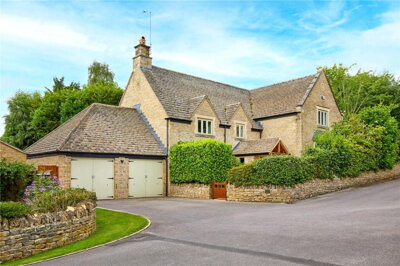
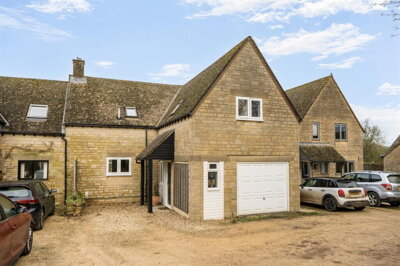
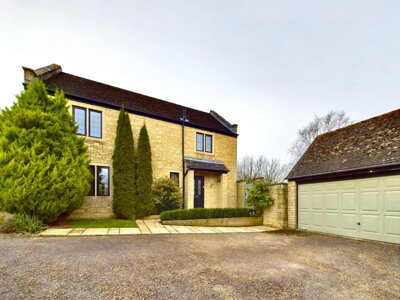
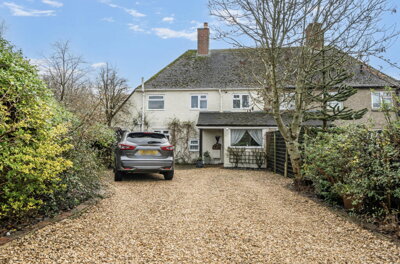
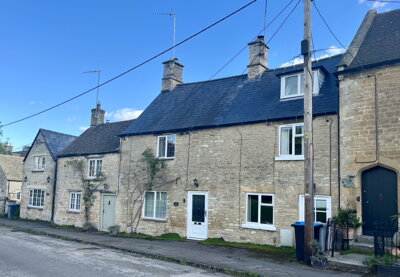
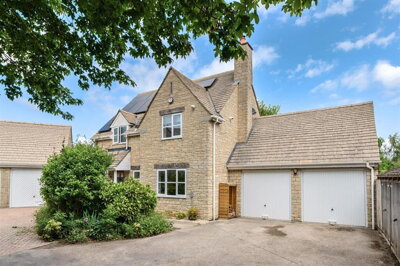
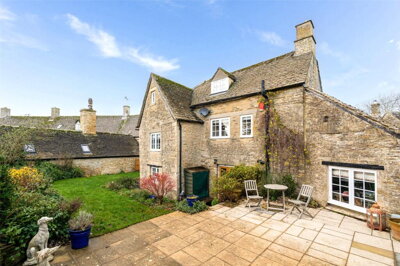
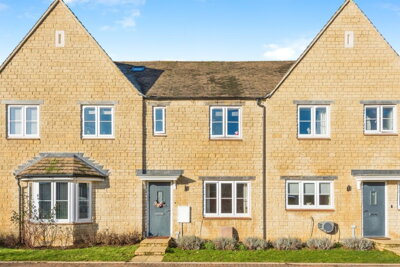
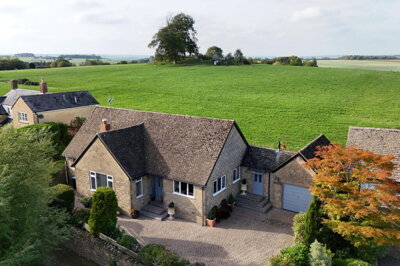
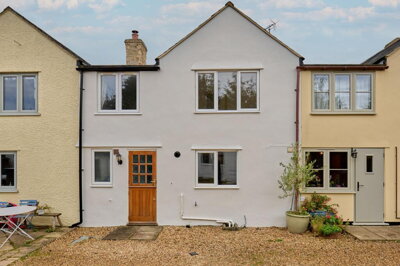
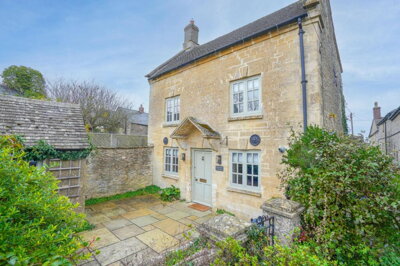
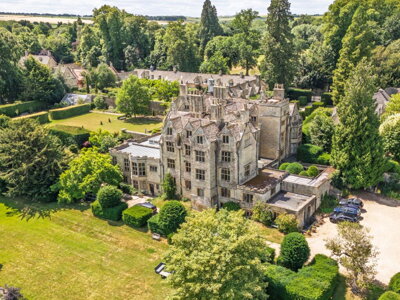
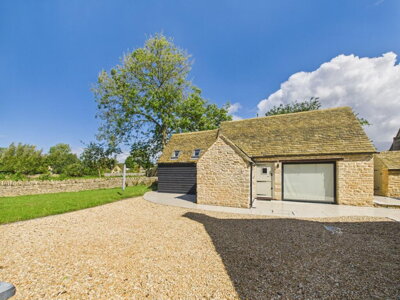
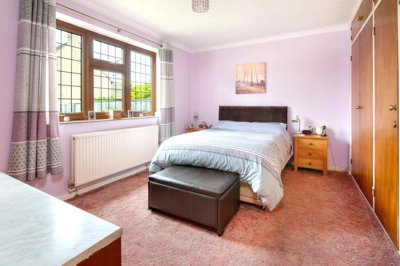
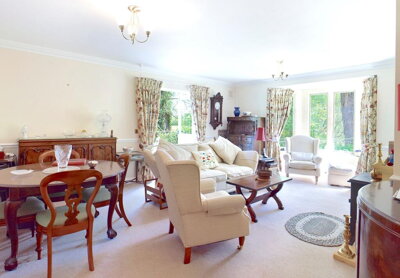
Browse 48 homes for sale in Ascott-under-Wychwood from local estate agents.
The Corton property market reflects its village character, offering a range of property types to suit different buyer requirements. Detached houses command the highest prices, averaging around £330,000 to £390,000 depending on size and condition. Semi-detached properties provide excellent value at approximately £220,000 to £258,000, making them popular among families seeking more space than a terraced home offers without the premium of a detached property. The housing stock in Corton includes approximately 253 detached households, 176 semi-detached properties, and 107 terraced homes, reflecting the village's mix of traditional and more recent development.
Terraced properties in Corton are typically priced from £190,000, representing the most affordable entry point to the local housing market. Flats, though less common in this village setting, start from around £120,000 and can be found as conversions or purpose-built units near the coastal areas. Historical data shows that sold prices in Corton have experienced some correction recently, with values sitting approximately 21% below the 2021 peak of £322,148, creating potential opportunities for buyers who act decisively in the current market conditions. The village sits within the Corton Conservation Area, which protects the architectural character of the older village core and encompasses traditional brick cottages, Victorian terraces, and Edwardian homes.
Properties in Corton span multiple construction periods, from pre-1919 Victorian and Edwardian homes in the older village core to post-1980 infill developments. Traditional brick construction, predominantly using red and gault brick typical of Suffolk, characterises the older housing stock, while properties from the mid-20th century often feature solid wall construction. Cavity wall construction became standard from the early 20th century onwards. Understanding the construction type and age of your potential property is important for assessing maintenance requirements, insulation standards, and potential defects that may affect your purchase decision or future renovation plans.

Corton nestles on the Suffolk coastline between Lowestoft and Great Yarmouth, offering residents a peaceful village lifestyle with convenient access to larger town amenities. The village maintains approximately 540 households across a population of around 1,181 residents, creating an intimate community where neighbours often know one another by name. The local economy is bolstered by tourism from nearby holiday parks and coastal attractions, while proximity to Lowestoft provides employment opportunities in sectors including offshore energy, healthcare, and retail. Several holiday parks in the surrounding area draw visitors throughout the year, supporting local businesses and hospitality sector employment.
The village centre centres around the historic St Bartholomew's Church, a listed building that anchors the community's heritage alongside Corton Windmill, built in the 1830s and Grade II listed, which stands as a distinctive local landmark. The Corton Conservation Area protects the architectural character of the older village core, encompassing traditional brick cottages, Victorian terraces, and Edwardian homes that give the settlement its distinctive Suffolk coastal appearance. Residents enjoy access to local pubs, village services, and the natural beauty of the surrounding coastline, with the Broads National Park situated a short distance inland for recreational activities including boating, walking, and wildlife watching.
The village provides essential local services including a village shop and post office facility, while several traditional pubs serve as social hubs for community gatherings and events. For larger shopping requirements, Lowestoft town centre offers comprehensive retail options, supermarkets, and services within easy reach via regular bus services or a short car journey. The surrounding countryside provides excellent walking opportunities, with public footpaths crossing farmland and coastal routes offering views across the North Sea and towards the Broads. Community events throughout the year, including village fetes and seasonal celebrations, contribute to the strong sense of community that characterises village life in Corton.

Families considering a move to Corton will find a selection of educational options within reasonable travelling distance. Primary education is available at nearby schools in the Lowestoft area, with several establishments serving the wider community and bus services connecting the village to these facilities. Corton Primary School serves the immediate village area, providing education for children from early years through to Key Stage 2. The village also hosts a preschool facility for younger children, enabling families to access early years education without travelling to larger settlements. Several primary schools in the surrounding Lowestoft area have received Good ratings from Ofsted, providing parents with options when choosing accommodation in Corton.
Secondary education options in the wider Lowestoft area provide broader curriculum choices and extracurricular activities for older children. The town's secondary schools offer a range of academic and vocational pathways, with facilities for sports, arts, and technology that reflect the diverse interests of students. Parents should research specific catchment areas and admissions policies when considering properties in Corton, as school places are allocated based on proximity and other criteria that can vary between academic years. School transport arrangements connect Corton to secondary schools in Lowestoft, though journey times and bus routes should be verified before committing to a property purchase.
Sixth form and further education facilities are readily accessible in Lowestoft, offering A-level courses and vocational qualifications for students continuing their education beyond GCSE level. East Suffolk College provides further education opportunities with courses ranging from vocational training to professional qualifications, serving students from Corton and the surrounding area. For families prioritising educational provision, arranging school visits and understanding current admissions criteria before purchasing property in Corton is strongly recommended, as catchment boundaries can change and demand for popular schools often exceeds available places.
Connectivity from Corton is anchored by the nearby town of Lowestoft, which offers mainline rail services connecting to Norwich and the wider national rail network. Lowestoft station provides regular services to Norwich, typically taking around 30-40 minutes, from where connections to Cambridge, London, and other major destinations are readily available. The village sits along the A12 corridor, providing road access north to Great Yarmouth and south towards Ipswich and the A14 trunk route that connects to the Midlands and the north of England.
Bus services link Corton with Lowestoft town centre, enabling residents without private vehicles to access shopping, healthcare, and other essential services. Local bus routes connect to Lowestoft's rail station, enabling multimodal journeys for commuters and visitors alike. For those travelling by car, the journey to Norwich takes approximately 40-50 minutes, making day trips and commuting feasible for those working in the city. The proximity to the A47 provides additional routes towards the Norfolk coast and onwards to King's Lynn, opening up recreational destinations and further employment opportunities.
Parking availability within the village is generally adequate for a settlement of its size, though visitors during peak summer months may find spaces more limited near coastal access points and popular walking routes. The village's position on the Suffolk coast makes it popular with day-trippers during summer, particularly when the weather encourages visits to local beaches and coastal paths. For commuters working in Norwich or beyond, the rail connection from Lowestoft provides a practical alternative to driving, with off-peak parking at the station typically more available than during peak summer season.
Purchasing property in Corton requires careful consideration of several area-specific factors that distinguish this coastal village from inland locations. The geology of the area features sand and gravel superficial deposits over Crag Group bedrock, which contains significant clay content. This geological profile presents a moderate to high shrink-swell risk that can affect foundations, particularly during periods of extreme weather. Properties with older or shallow foundations may show signs of movement, and a thorough structural survey is strongly recommended before committing to a purchase. Our inspectors frequently identify subsidence or heave issues in properties with traditional shallow foundations when conducting surveys in this part of Suffolk.
Coastal erosion and flood risk merit careful evaluation for any property near the cliffs or in lower-lying areas of the village. While current flood warnings are not active, residents should be aware of long-term risks from tidal flooding, surface water accumulation, and the ongoing coastal erosion process that affects parts of the Suffolk coastline. Properties within the Corton Conservation Area face additional planning restrictions designed to preserve the village's historic character, and any modifications or extensions will require consent from the local planning authority. Building materials in the village predominantly feature traditional brick construction, with red and gault brick giving many properties their characteristic Suffolk appearance.
The age of properties in Corton varies significantly, with a substantial proportion built before 1980 and many dating to the Victorian or Edwardian periods. Older properties frequently exhibit defects common to their construction era, including damp issues arising from inadequate damp-proof courses, roof deterioration, and outdated electrical systems that may not comply with current safety standards. We recommend that buyers commission a thorough survey before proceeding, particularly for properties showing signs of neglect or those built using traditional methods that may have specific maintenance requirements. Timber defects such as woodworm or rot can affect floor joists, roof timbers, and other structural elements, especially in properties where ventilation has been compromised or maintenance deferred.
Start by exploring current property listings in Corton and surrounding areas. Understand the local price ranges for different property types, from terraced cottages around £190,000 to detached homes reaching £330,000 or more. Consider whether you need proximity to the conservation area, coastal access points, or the village centre when narrowing your search. Attending open viewings and speaking with local estate agents can provide valuable insights into the local market conditions and upcoming listings.
Contact local mortgage brokers or online lenders to obtain an agreement in principle before making viewings. This strengthens your position when making offers and demonstrates serious intent to sellers. Given Corton's average property prices of around £265,000, most buyers will find mortgage requirements fall within standard lending criteria, though speaking with a broker familiar with Suffolk properties can help identify the most suitable products. Having your finance arranged before making offers puts you in a stronger competitive position in what can be an active market.
Visit multiple properties to compare condition, location within the village, and proximity to amenities. Pay particular attention to property age and any signs of damp, roof issues, or structural movement given the local geology. We recommend viewing properties at different times of day and in varying weather conditions to assess how the property performs and whether any issues become more apparent. Take photographs and notes to help compare properties after viewings, as memory can become confused when viewing multiple homes.
For most properties, particularly those over 50 years old, commission a comprehensive RICS Level 2 Survey before committing to a purchase. Our team of qualified surveyors understand the common defects found in Corton properties, including those arising from the local clay geology, coastal exposure, and traditional construction methods. In Corton, these surveys typically cost between £400 and £700 depending on property size and type. The survey report will identify any issues requiring attention, negotiation with the seller, or further specialist investigation before you proceed.
Choose a conveyancing solicitor with experience in Suffolk property transactions to handle legal searches, surveys, and the transfer of ownership. Your solicitor will conduct searches including local authority checks, environmental searches to assess flood and erosion risks, and investigate any planning constraints affecting the property. Given the conservation area designation and coastal location of many Corton properties, searches can reveal information relevant to your purchase decision, including any historical flooding or planning permissions that affect the property.
Once all searches are satisfactory and finances are arranged, proceed to exchange contracts and complete your purchase, taking ownership of your new Corton home. We recommend arranging building insurance before completion and notifying utility companies of your moving date. Consider arranging a follow-up survey or snagging inspection for new build properties, and document the condition of your new property thoroughly on moving day for insurance purposes. Our team can recommend local tradespeople and service providers to help with any immediate requirements after you take ownership.
The average house price in Corton sits at approximately £265,000 based on recent market data. Detached properties average around £330,000 to £390,000, semi-detached homes cost roughly £220,000 to £258,000, and terraced properties typically start from £190,000. Flat prices begin from approximately £120,000. Market conditions have seen prices settle approximately 21% below the 2021 peak of £322,148, creating opportunities for buyers in the current market who may find better value than during the previous peak period.
Properties in Corton fall under East Suffolk Council's jurisdiction and are subject to council tax based on property value assessments. Council tax bands range from A through H, with the majority of village homes typically falling in bands A through D given the more modest property values compared to larger towns. Exact bands can be verified through the East Suffolk Council website or your solicitor during the conveyancing process, as band assignments are based on the property's assessed value rather than its sale price.
Corton village itself has a primary school serving the immediate community, with preschool facilities also available for younger children. Primary and secondary education is available in the nearby town of Lowestoft, accessible via school bus services that connect the village to surrounding schools. Parents should check current Ofsted ratings and catchment area boundaries when choosing a property, as these can affect school placement eligibility and may change between academic years. Several Good-rated primary schools in the wider Lowestoft area serve the Corton community, with transport arrangements varying by school and year group.
Bus services connect Corton with Lowestoft town centre, providing access to rail services on the mainline to Norwich and beyond. The A12 road passes nearby, connecting to Great Yarmouth in one direction and Ipswich in the other, while the A47 provides additional routes towards the Norfolk coast. Lowestoft railway station offers regular services to Norwich, typically taking 30-40 minutes, with connections to Cambridge and London. For residents without private vehicles, the combination of bus services and rail connections provides practical access to regional employment centres and amenities.
Corton offers potential for investors seeking coastal property at accessible price points. The village benefits from proximity to Lowestoft's growing offshore energy sector and consistent tourism demand from holiday parks and coastal attractions. Rental demand exists from workers seeking affordable accommodation near employment centres, with rental yields potentially attractive given the lower purchase prices compared to larger towns. However, investors should carefully consider coastal erosion risks in certain locations, maintenance costs for older properties with traditional construction, and the seasonal nature of some local employment when calculating returns and planning property management arrangements.
Standard SDLT rates apply for purchases in Corton: 0% on the first £250,000, 5% on £250,001 to £925,000, 10% on £925,001 to £1.5 million, and 12% above £1.5 million. First-time buyers benefit from relief on the first £425,000 at 0%, with 5% on £425,001 to £625,000. Given Corton's average prices, most properties fall within the lower tax bands, making purchase costs relatively straightforward for qualifying buyers. Properties priced at or below £250,000 for standard buyers, or up to £425,000 for first-time buyers, attract no stamp duty at all on the qualifying portion.
From 4.5%
Compare mortgage rates from leading lenders
From £499
Expert property solicitors for your Corton purchase
From £400
Professional property survey tailored to Corton homes
From £85
Energy performance certificate for your new property
Budgeting for your Corton purchase requires careful consideration of all associated costs beyond the property price itself. Stamp Duty Land Tax represents a significant upfront cost, though most buyers in Corton will benefit from lower rates due to the village's average property values falling primarily within the first two tax bands. First-time buyers purchasing properties up to £425,000 pay zero stamp duty on that portion, providing meaningful savings compared to higher-value markets. Standard rate buyers enjoy nil SDLT on the first £250,000, with only 5% applying between £250,001 and £925,000.
Additional purchase costs include solicitor fees typically ranging from £500 to £1,500 depending on complexity, mortgage arrangement fees of 0-0.5% of the loan amount, and surveyor fees for a RICS Level 2 HomeBuyer Report which cost between £400 and £700 in the Corton area. Search fees, Land Registry registration costs, and stamp duty bring total additional costs to approximately 2-5% of the property price. For a typical £265,000 property in Corton, expect to budget around £7,000 to £15,000 for these additional costs depending on your circumstances and whether you are a first-time buyer.
Properties for Sale In London

Properties for Sale In Plymouth

Properties for Sale In Liverpool

Properties for Sale In Glasgow

Properties for Sale In Sheffield

Properties for Sale In Edinburgh

Properties for Sale In Coventry

Properties for Sale In Bradford

Properties for Sale In Manchester

Properties for Sale In Birmingham

Properties for Sale In Bristol

Properties for Sale In Oxford

Properties for Sale In Leicester

Properties for Sale In Newcastle

Properties for Sale In Leeds

Properties for Sale In Southampton

Properties for Sale In Cardiff

Properties for Sale In Nottingham

Properties for Sale In Norwich

Properties for Sale In Brighton

Properties for Sale In Derby

Properties for Sale In Portsmouth

Properties for Sale In Northampton

Properties for Sale In Milton Keynes

Properties for Sale In Bournemouth

Properties for Sale In Bolton

Properties for Sale In Swansea

Properties for Sale In Swindon

Properties for Sale In Peterborough

Properties for Sale In Wolverhampton

Enter your details to see if this property is within your budget.
Loans, cards, car finance
Estimated property budget
Borrowing + deposit
You could borrow between
Typical borrowing
Monthly repayment
Est. at 4.5%
Loan-to-value
This is an estimate only. Your actual budget may vary depending on interest rates, credit history, and personal circumstances. For an accurate affordability assessment, speak to one of our free mortgage advisors.
This calculator provides estimates for illustrative purposes only and does not constitute financial advice. Your home may be repossessed if you do not keep up repayments on your mortgage. Estimates based on 4.5% interest rate, repayment mortgage. Actual rates depend on your circumstances.
Homemove is a trading name of HM Haus Group Ltd (Company No. 13873779, registered in England & Wales). Homemove Mortgages Ltd (Company No. 15947693) is an Appointed Representative of TMG Direct Limited, trading as TMG Mortgage Network, which is authorised and regulated by the Financial Conduct Authority (FRN 786245). Homemove Mortgages Ltd is entered on the FCA Register as an Appointed Representative (FRN 1022429). You can check registrations at NewRegister or by calling 0800 111 6768.

We use cookies to show you personalised content and improve your experience of our website. Find out more in our Privacy policy and Cookie policy.