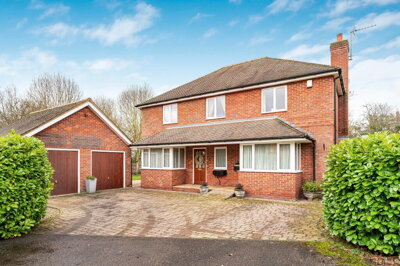
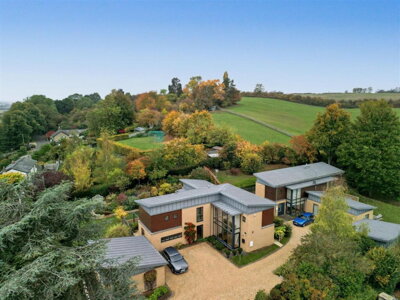
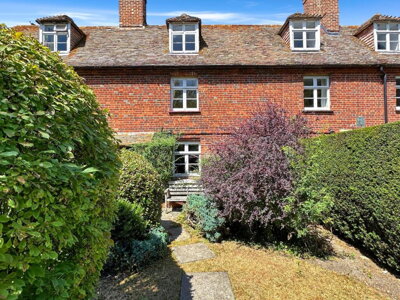
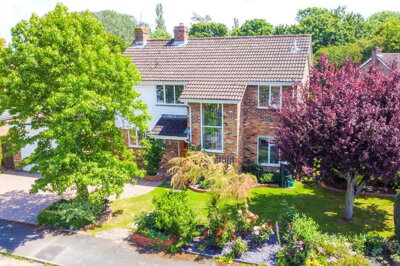
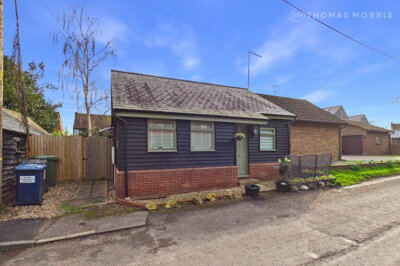
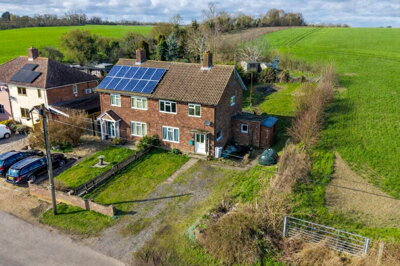
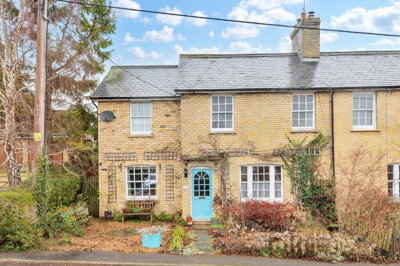
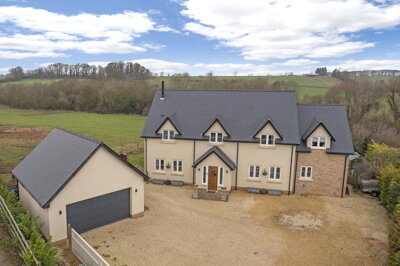
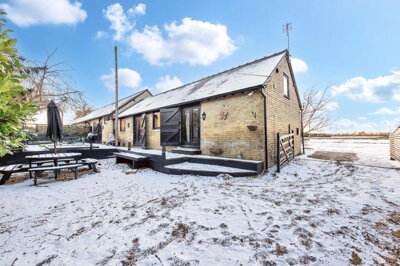
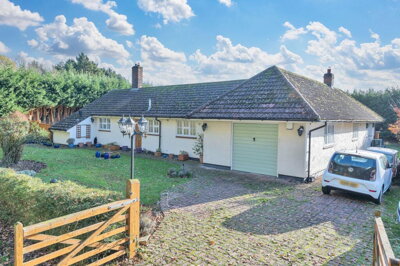
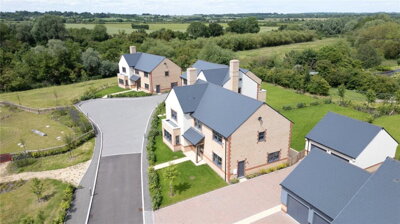
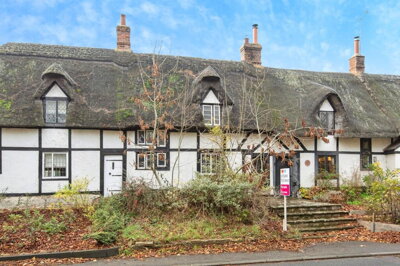
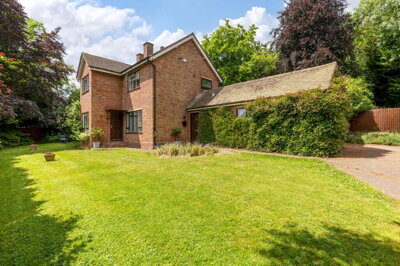
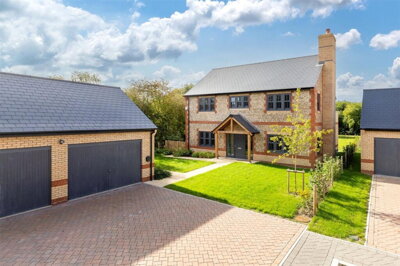
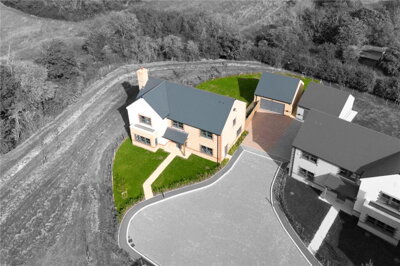
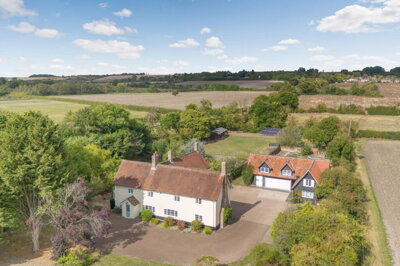
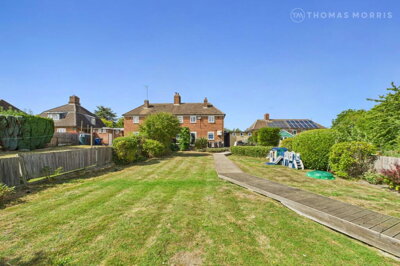
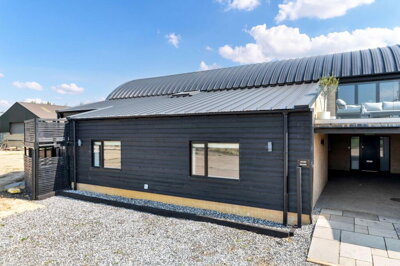
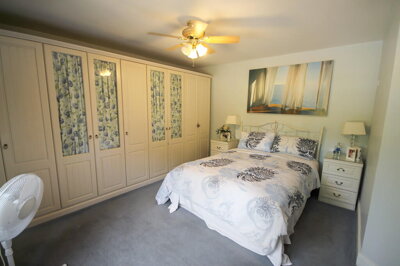
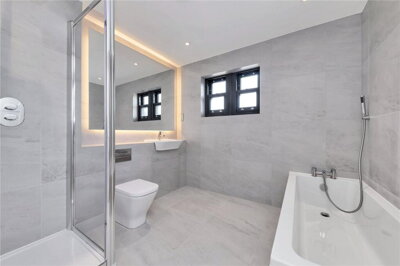
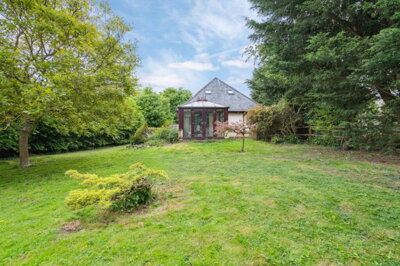
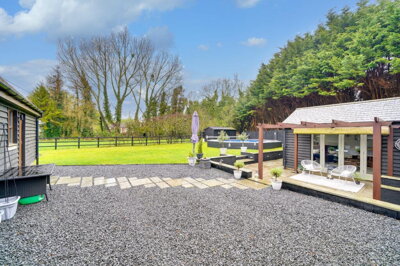
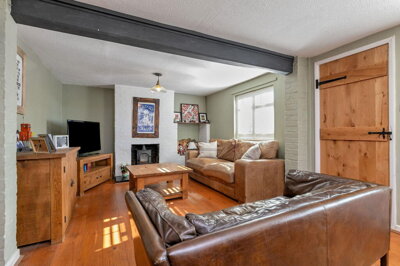
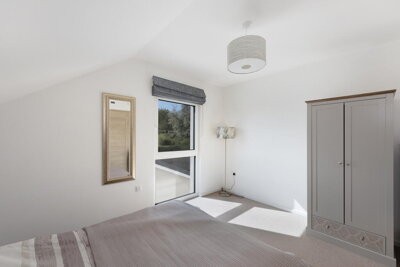
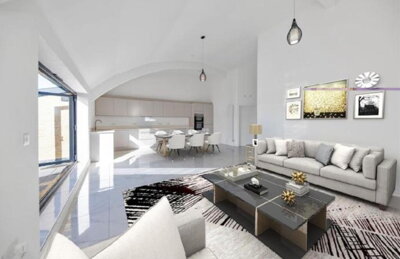
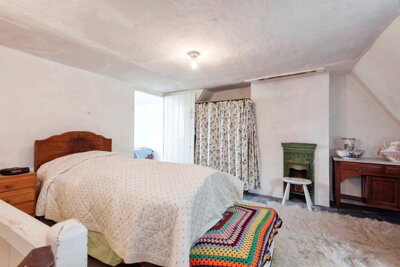
Browse 26 homes for sale in Arrington, South Cambridgeshire from local estate agents.
The Arrington property market offers detached, semi-detached, and terraced houses spanning various price ranges and neighbourhoods. Each listing includes detailed property information, photographs, and direct contact with the marketing agent.
£885k
4
0
203
Source: home.co.uk
Showing 4 results for Houses for sale in Arrington, South Cambridgeshire. The median asking price is £885,000.
Source: home.co.uk
Detached
3 listings
Avg £956,667
Terraced
1 listings
Avg £195,000
Source: home.co.uk
Source: home.co.uk
The Hammoon property market operates within the broader DT10 postcode area centred on Sturminster Newton, where recorded property sales provide useful market context. Individual transactions in the village itself are infrequent due to limited stock, making each new listing notable. One Ramblers Cottage sold for £345,000 in June 2021, representing the more accessible entry point to the local market, while other recorded sales demonstrate the substantial values achievable for properties with river frontage or extended grounds. Prospective buyers should expect that properties in Hammoon rarely appear on the open market, and when they do, they often attract considerable interest from buyers seeking the village's unique combination of rural character and river access.
Properties in Hammoon typically consist of traditional Dorset construction including timber-framed cottages, rendered farmhouses, and period manor houses. Hammoon Manor House stands as a Grade II* listed C16 property constructed of ashlar and rubble with distinctive thatched roofing, illustrating the quality of heritage properties found in the village. The construction materials used in significant local properties reflect the vernacular building traditions of North Dorset, with local stone, handmade bricks, and traditional lime mortars all featuring in the village's older buildings. The predominance of older construction means that many homes will require considered maintenance, with traditional building methods requiring specialist knowledge from surveyors and contractors familiar with historic properties.
The wider North Dorset area contains 48 conservation areas and over 2,500 listed buildings, many constructed using the same traditional methods found in Hammoon. If you are considering purchasing a period property in the village, understanding the implications of listed status or conservation area designation is essential. Properties may require specialist insurance coverage, and any works to historic buildings must comply with listed building regulations. The age and construction type of most Hammoon properties means that surveys such as a RICS Level 2 Survey become particularly valuable for identifying defects common in older buildings, from timber decay to outdated plumbing systems.
Hammoon occupies a tranquil position within the Upper Stour valley, offering residents a genuinely rural lifestyle away from the pressures of urban living. The village takes its name from its location beside the River Stour, with the waterway forming an integral part of the local landscape and character. The surrounding countryside comprises rolling farmland, meadows, and historic hedgerows, providing excellent walking routes and wildlife habitats throughout the year. The Stour Valley Path passes through the area, offering long-distance walking opportunities connecting Hammoon to other villages along the river. The village itself maintains a small, tight-knit community character typical of North Dorset settlements, with residents enjoying the peace and natural beauty that define life in this part of Dorset.
Census data for the combined Manston and Hammoon area indicates 26.1% of households consist of either single occupants aged 66 or over, or couples and families where all members are aged 66 or over, suggesting an established resident community with long-term ties to the area. Employment data shows 44.6% of working residents are employed in high-skill occupations, with 48.5% in intermediate-skill roles, indicating a workforce engaged in professional, managerial, and skilled trades positions. The area skill profile suggests that residents are likely employed in professional services, healthcare, education, and skilled trades rather than heavy industry or manufacturing. This demographic and economic profile suggests Hammoon attracts buyers seeking quality of life over commutability, valuing the village's character and natural environment over proximity to major employment centres.
The River Stour itself provides opportunities for fishing, canoeing, and riverside walks, though its presence also means that flood risk considerations apply to properties in lower-lying areas of the village. The Upper Stour from Gillingham to Hammoon forms part of the Environment Agency flood warning system, with property flooding possible when river levels exceed 2.90m at the Hammoon gauging station. Residents have learned to live with these occasional flood risks, and many properties include appropriate flood resilience measures. The community atmosphere in Hammoon is strengthened by its small size, with local events and gatherings bringing residents together throughout the year.

Properties in Hammoon reflect the traditional building methods of North Dorset, with construction techniques passed down through generations of local builders and craftspeople. The notable presence of Hammoon Manor House, a Grade II* listed C16 property, demonstrates the quality of historic construction found throughout the village. Buildings of this era were constructed using locally sourced materials including ashlar stone, rubble limestone, and timber framing, all of which remain characteristic of the village's built environment. Partially rendered exteriors with protective lime plasters were common, helping to shelter the underlying timber frames from the damp Dorset climate.
The traditional construction methods used in Hammoon properties create homes of considerable character but also require ongoing maintenance to ensure their longevity. Thatched roofs, while visually appealing and historically authentic, demand specialist knowledge for proper maintenance and eventual replacement. Timber-framed walls with wattle and daub or lath and plaster infill panels require careful attention to prevent moisture ingress that could lead to structural timber decay. Lime-based mortars and renders, rather than modern cement products, are the appropriate materials for repairs to historic buildings, as cement can trap moisture and cause deterioration of traditional fabric.
Many properties in Hammoon feature handmade bricks fired in local kilns, which may show signs of age-related weathering or spalling in areas exposed to persistent wet weather. Stone lintels and window surrounds, common features above windows and doors in traditional Dorset properties, should be inspected for signs of movement or deterioration. The combination of traditional construction materials and the age of many properties means that prospective buyers should budget for ongoing maintenance costs that may exceed those for modern buildings. A thorough RICS Level 2 Survey can identify specific issues with traditional construction that might not be apparent during a casual viewing, helping buyers understand the true condition of a historic property before completing a purchase.

Families considering a move to Hammoon will find primary education available at schools in surrounding villages and towns, with the nearest primary schools typically located within a short drive in villages such as Child Okeford, Hazelbury Bryan, or the market town of Sturminster Newton. Child Okeford Primary School serves the northern part of the surrounding area and benefits from a strong reputation for both academic achievement and community involvement. Hazelbury Bryan Primary School provides education for families in the western direction from Hammoon, while the Primrose School in Sturminster Newton offers primary education within the nearest market town. These village primary schools serve their local communities and often benefit from strong parent engagement and smaller class sizes that support individual pupil development.
Secondary education options include primary and grammar schools in nearby towns, with students typically travelling to schools in Sturminster Newton, Shaftesbury, or Gillingham. St Mary's School in Shaftesbury and other established secondary schools in the area offer good academic provision and extracurricular activities. Gillingham School, one of the largest secondary schools in North Dorset, provides comprehensive secondary education with extensive facilities and a broad curriculum. For families prioritising educational choice, researching Ofsted ratings and examining school performance data for Key Stage 4 and A-level results will help inform decisions about which schools best suit your children's needs. The rural nature of Hammoon's location means that school transport arrangements or family taxi sharing are common considerations for secondary-age children.
Sixth form and further education provision is available at schools and colleges in the wider Dorset area, with Dorset College in Salisbury and other institutions offering vocational and academic courses for post-16 students. Parents should verify current catchment areas and admissions policies with Dorset Council, as school placements can be competitive in popular rural locations. The travel times involved in reaching schools from Hammoon should factor into any decision about purchasing property in the village, particularly for families with children who will require daily transport to educational establishments.
Transport connections from Hammoon reflect its rural village character, with residents relying primarily on private vehicles for daily commuting and larger shopping trips. The village sits within reasonable driving distance of the A350 and A357 roads that connect North Dorset to larger centres including Blandford Forum, Poole, and Salisbury. The A350 provides a strategic north-south route through Dorset, connecting to the M27 motorway near Southampton for those commuting further afield. Journey times by car to Sturminster Newton typically take around 10-15 minutes, while reaching Shaftesbury requires approximately 20-25 minutes. These distances mean that access to larger towns for work, shopping, and services requires car ownership.
Public transport options are limited, as is typical for small Dorset villages, with bus services operating on routes between surrounding towns providing occasional connectivity for those without vehicles. The Dolphin buses service connects Sturminster Newton with surrounding villages on specified days, though frequency is significantly reduced compared to urban routes. The nearest railway stations are located at Gillingham and Templecombe, offering South Western Railway services connecting to London Waterloo, Bristol, and the south coast. Gillingham station is approximately 15 minutes by car from Hammoon, while Templecombe offers similar journey times. Both stations provide parking facilities for residents who commute by train.
For commuters working in professional roles in Bournemouth, Salisbury, or further afield, the practical reality of rural living means that driving is typically necessary for most daily activities. Bournemouth, with its international airport and range of employment opportunities, is accessible via the A350 in approximately 45 minutes during off-peak periods. Salisbury, with its concentration of public sector employers and healthcare facilities, can be reached in around 30 minutes via the A30 and A354. Those considering relocation to Hammoon should factor in these driving requirements and ensure that private vehicle ownership is feasible for all household members who will need to commute regularly.
Begin by exploring available properties through Homemove and understanding recent sale prices in the Hammoon area. Given limited stock, patience is often required as suitable properties become available infrequently. Register with local estate agents operating in the DT10 area and set up property alerts to ensure you are notified promptly when new listings appear. Attending village viewings and building relationships with agents familiar with the North Dorset rural market can provide valuable early access to properties before they appear on major portals.
Arrange a mortgage agreement in principle before viewing properties. Lenders familiar with rural Dorset properties can advise on valuations for period homes and properties near flood risk areas like the River Stour. Given property values in Hammoon often exceed £500,000, buyers should ensure their mortgage arrangements can accommodate higher-value properties with potentially complex construction. Specialist valuers may be required for unusual properties, heritage homes, or those with non-standard construction methods. Factor in additional costs including stamp duty, solicitor fees, survey costs, and moving expenses when calculating your total budget.
Visit properties that match your requirements and assess their condition, surroundings, and proximity to the river. Consider how seasonal flooding might affect access and property use, particularly for homes in lower-lying areas near the River Stour. View properties at different times of day and, if possible, during different seasons to understand how the local environment changes throughout the year. Pay particular attention to the condition of traditional construction elements including thatched roofs, timber frames, and stone walls that may require specialist maintenance.
A RICS Level 2 Survey is recommended for most properties to identify any structural issues or defects, particularly important for older traditional buildings common in Hammoon. The survey will assess the property's condition, identify urgent defects requiring immediate attention, and highlight issues that may affect value or require future investment. For Grade II listed properties or those with significant heritage features, a RICS Level 3 Building Survey may be more appropriate to provide the detailed assessment that historic properties require. Survey costs typically range from £400 to £1,000 depending on property size and value.
Appoint a conveyancing solicitor with experience in rural Dorset property transactions to handle legal work, searches, and coordinate with your mortgage lender. Your solicitor will conduct local authority searches, environmental searches, and drainage searches that will reveal information about flood risk, planning history, and any other matters affecting the property. Given the age of properties in Hammoon and the presence of listed buildings in the area, additional specialist searches may be required to ensure all relevant information is disclosed before purchase completes.
Once all checks are satisfactory and your solicitor confirms everything is in order, you can proceed to exchange contracts and complete your purchase of your new Hammoon home. At exchange of contracts, the deposit (typically 10% of the purchase price) becomes payable, and the completion date is fixed. On completion day, the remaining balance is transferred and keys are collected from the estate agent. We recommend arranging buildings insurance to commence from the date of contract exchange, particularly for older properties that may be more vulnerable to damage.
Prospective buyers in Hammoon should be aware of the village's location within a medium flood risk zone from the River Stour. The Environment Agency flood warning areas covering Hammoon include the Upper Stour from Gillingham to Hammoon, with property flooding possible when river levels exceed 2.90m at the Hammoon gauging station. The village's position in the Upper Stour valley means that groundwater flooding can also occur during periods of sustained rainfall when water tables rise. Any buyer should obtain specific flood risk assessments for the property, review its flood history, and consider what flood resilience measures are in place. Properties near the river or in lower-lying areas may face higher insurance premiums or limited insurer choice.
The presence of Grade II* listed properties like Hammoon Manor House indicates that heritage considerations may affect nearby homes, with the wider North Dorset area containing 48 conservation areas and over 2,500 listed buildings. If your chosen property has listed status or lies within a conservation area, you should understand the additional permissions required for alterations, extensions, or even routine maintenance work. Listed Building Consent is required separately from planning permission, and works carried out without appropriate consents can result in enforcement action. The age of most Hammoon properties means that buyers should budget for the possibility that any works, even straightforward maintenance, may require additional consents that add time and cost to projects.
Common defects in older properties like those found in Hammoon include damp and moisture problems, roof defects, structural cracks and movement, poor insulation, electrical system concerns, timber decay and pest damage, and drainage and plumbing issues. Rising damp caused by failed or missing damp-proof courses is common in period properties, while penetrating damp can affect walls where traditional lime mortar has been replaced with cement renders. Roof condition should be carefully assessed, particularly for thatched roofs that require specialist knowledge to evaluate properly. A thorough survey by a surveyor experienced in historic properties will identify any potential issues with older construction methods and help buyers understand the true cost of maintaining a traditional Dorset home.
Specific aggregated average price data for Hammoon is not published due to the village's small size and infrequent transactions, with typically only a handful of sales recorded each year. However, recorded sales provide useful market context: 1 Ramblers Cottage sold for £345,000 in 2021, a property on Hammoon Lane achieved £560,000 in 2022, and larger properties such as Hammoon House have sold for over £3 million. Properties in the DT10 postcode around Sturminster Newton provide additional comparable data for the local market, though Hammoon properties typically command a premium due to the village's sought-after riverside location and unspoiled character. Buyers should expect to pay a premium for Hammoon properties given their rarity and the village's desirable position in North Dorset.
Properties in Hammoon fall under Dorset Council (formerly North Dorset District Council) for council tax purposes, and the council provides online services for checking current bandings and making payments. Banding depends on the property's assessed value as of 1991, and rural Dorset properties, particularly older period homes, farmhouses, and manor houses common in Hammoon, may be placed in higher bands due to their size and character. A detached period farmhouse with multiple bedrooms and significant grounds would typically fall into a higher banding than a modest cottage. Prospective buyers should check the specific banding with Dorset Council or on the Valuation Office Agency website before purchasing, as council tax costs form part of ongoing ownership expenses.
Primary education near Hammoon is available at village schools in Child Okeford, Hazelbury Bryan, and Primrose School in Sturminster Newton, with each offering education for children aged 4-11. For secondary education, families typically consider Gillingham School, St Mary's School in Shaftesbury, and other schools in the surrounding towns, with many using school transport or driving due to the rural distances involved. Parents should verify current admissions criteria, catchment boundaries, and Ofsted ratings directly with schools and Dorset Council, as these can change and vary for rural areas. The travel times from Hammoon to schools in surrounding towns should be factored into family decisions, with secondary school journeys typically requiring 15-30 minutes by car.
Public transport connections from Hammoon are limited, consistent with its status as a small rural village where car ownership is effectively essential for daily living. Occasional bus services connect to nearby towns including Sturminster Newton and Shaftesbury, but these operate at low frequency and may not be suitable for regular commuting or school transport needs. The nearest railway stations at Gillingham and Templecombe provide South Western Railway services to London Waterloo, Bristol, and the south coast, with approximately 15-20 minutes driving time to reach either station from Hammoon. For those working in Bournemouth or Salisbury, driving to a railway station or commuting by car remains the primary option given the absence of frequent bus services.
Hammoon's appeal as a riverside village in North Dorset with outstanding natural beauty suggests potential for stable long-term property values, though the village's small size creates both advantages and limitations for investors. The premium attached to rural village properties with character and river frontage tends to support values over time, and the village's unspoiled nature means new development is unlikely to increase housing supply significantly. However, investors should consider that properties may take longer to sell due to restricted buyer pools, and rental demand in Hammoon itself is likely very limited given the village's small resident population. Flood risk and the age of local housing stock may affect certain buyers' interest and should be factored into any investment assessment.
Stamp Duty Land Tax applies to purchases in England at standard rates: 0% on the first £250,000, 5% on £250,001 to £925,000, 10% on £925,001 to £1.5 million, and 12% above £1.5 million. First-time buyers receive relief on the first £425,000 at 0% and the next £200,000 at 5%, but no relief applies above £625,000, meaning most Hammoon purchases will attract standard rates. Given property values in Hammoon often exceed £425,000, many buyers will pay standard rates, and your solicitor will calculate the exact amount based on purchase price and your buyer status. For example, a £560,000 purchase would incur approximately £15,500 in stamp duty at the standard rate, calculated as 5% on the amount above £250,000.
When viewing properties in Hammoon, pay particular attention to the condition of traditional construction elements including thatched roofs, timber-framed walls, stone foundations, and period windows that are characteristic of the village's older properties. Check for signs of damp including musty odours, discoloured walls, and lifting floor coverings, as traditional buildings are more susceptible to moisture issues than modern construction. Ask about the property's flood history and any flood resilience measures that have been installed, particularly for homes in lower-lying areas near the River Stour. For listed properties, verify what permissions have been obtained for previous works and understand what future works might require Listed Building Consent from Dorset Council.
From 4.5%
Finding the right mortgage for your Hammoon property purchase
From £499
Expert solicitors for your property transaction
From £350
Thorough inspection of your potential Hammoon home
From £60
Energy performance certificate for your property
Purchasing a property in Hammoon involves several costs beyond the purchase price, with Stamp Duty Land Tax being a significant consideration for buyers acquiring properties at the values typically seen in this village. The current thresholds for standard buyers in England are 0% on the first £250,000, rising to 5% on amounts between £250,001 and £925,000, 10% on £925,001 to £1.5 million, and 12% above £1.5 million. Given that Hammoon properties frequently exceed £500,000, buyers should budget for SDLT at the 5% rate on the portion above £250,000. For a property priced at £560,000, this would mean approximately £15,500 in stamp duty, calculated as 5% of £310,000.
First-time buyers may qualify for increased thresholds, paying 0% on the first £425,000 and 5% on the next £200,000, but this relief phases out entirely for purchases above £625,000. The threshold for first-time buyer relief has been temporarily increased but may change in future budgets, so buyers should verify current thresholds with their solicitor before completing a purchase. Additional purchase costs include solicitor fees, typically ranging from £500 to £1,500 depending on complexity and whether the property is freehold or leasehold. For leasehold properties, notice fees and deed preparation costs may add to the legal bill.
Survey costs for a RICS Level 2 Survey average around £455 nationally, though prices vary based on property size and value, with larger or more complex historic properties potentially requiring higher fees. Buyers should also budget for mortgage arrangement fees, which can range from £0 to £2,000 depending on the lender and product chosen, search fees covering local authority, environmental, and drainage searches, and moving costs including van hire or removal company fees. Buildings insurance should be arranged from the date of contract exchange to protect your investment. When calculating the total expenditure involved in purchasing property in Hammoon, adding a contingency of around 5-10% for unexpected costs is advisable, particularly for older properties where issues may be discovered during the conveyancing process.
Properties for Sale In London

Properties for Sale In Plymouth

Properties for Sale In Liverpool

Properties for Sale In Glasgow

Properties for Sale In Sheffield

Properties for Sale In Edinburgh

Properties for Sale In Coventry

Properties for Sale In Bradford

Properties for Sale In Manchester

Properties for Sale In Birmingham

Properties for Sale In Bristol

Properties for Sale In Oxford

Properties for Sale In Leicester

Properties for Sale In Newcastle

Properties for Sale In Leeds

Properties for Sale In Southampton

Properties for Sale In Cardiff

Properties for Sale In Nottingham

Properties for Sale In Norwich

Properties for Sale In Brighton

Properties for Sale In Derby

Properties for Sale In Portsmouth

Properties for Sale In Northampton

Properties for Sale In Milton Keynes

Properties for Sale In Bournemouth

Properties for Sale In Bolton

Properties for Sale In Swansea

Properties for Sale In Swindon

Properties for Sale In Peterborough

Properties for Sale In Wolverhampton

Enter your details to see if this property is within your budget.
Loans, cards, car finance
Estimated property budget
Borrowing + deposit
You could borrow between
Typical borrowing
Monthly repayment
Est. at 4.5%
Loan-to-value
This is an estimate only. Your actual budget may vary depending on interest rates, credit history, and personal circumstances. For an accurate affordability assessment, speak to one of our free mortgage advisors.
This calculator provides estimates for illustrative purposes only and does not constitute financial advice. Your home may be repossessed if you do not keep up repayments on your mortgage. Estimates based on 4.5% interest rate, repayment mortgage. Actual rates depend on your circumstances.
Homemove is a trading name of HM Haus Group Ltd (Company No. 13873779, registered in England & Wales). Homemove Mortgages Ltd (Company No. 15947693) is an Appointed Representative of TMG Direct Limited, trading as TMG Mortgage Network, which is authorised and regulated by the Financial Conduct Authority (FRN 786245). Homemove Mortgages Ltd is entered on the FCA Register as an Appointed Representative (FRN 1022429). You can check registrations at NewRegister or by calling 0800 111 6768.

We use cookies to show you personalised content and improve your experience of our website. Find out more in our Privacy policy and Cookie policy.