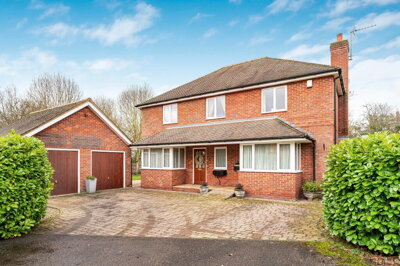
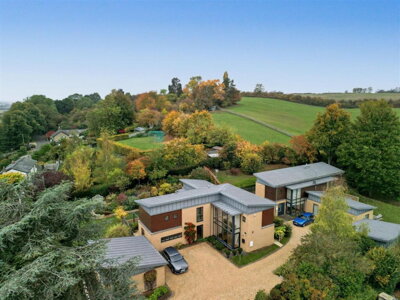
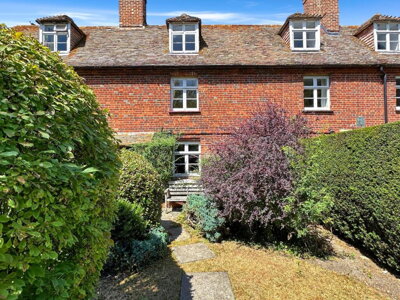
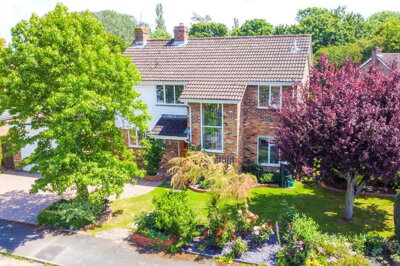
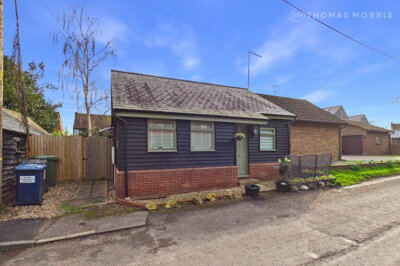
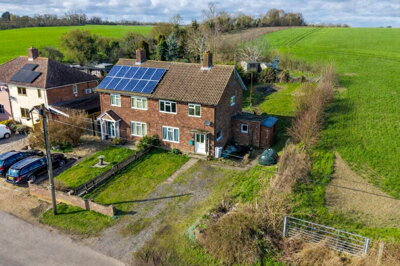
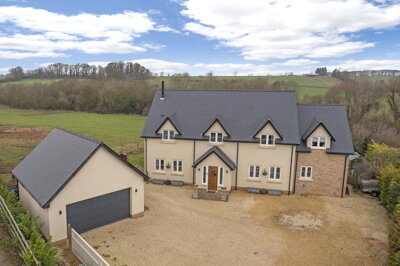
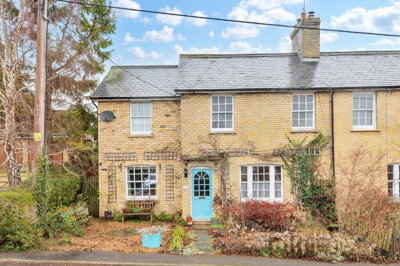
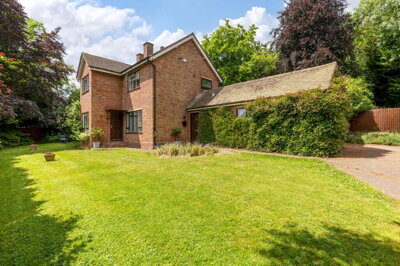
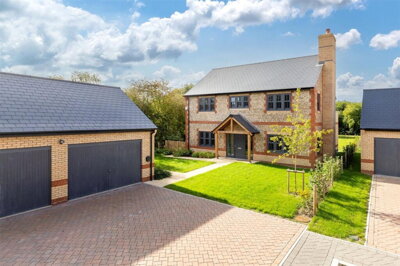
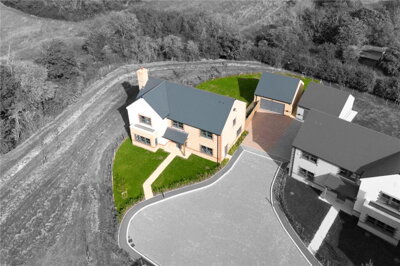
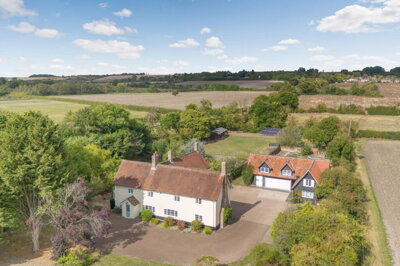
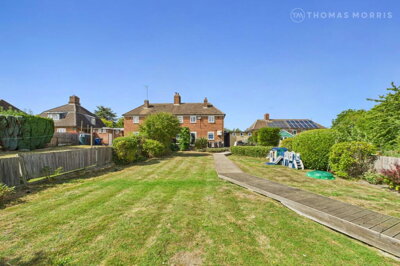
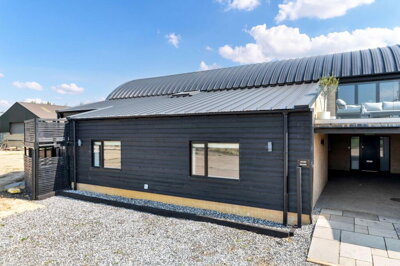
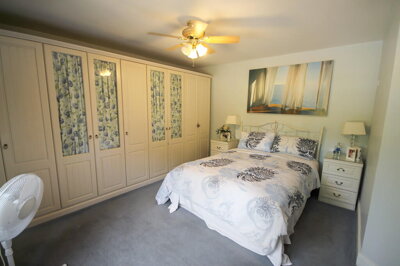
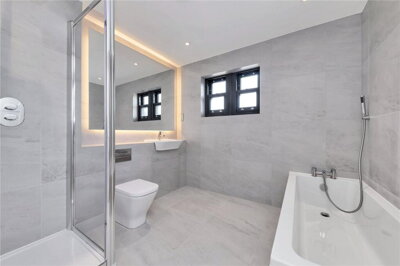
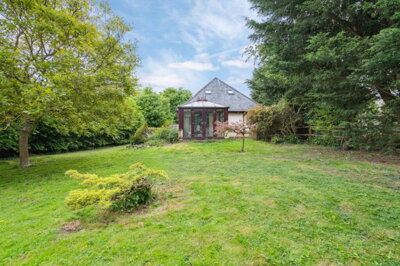
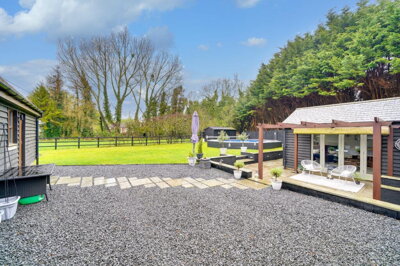
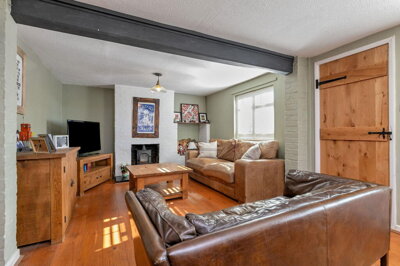
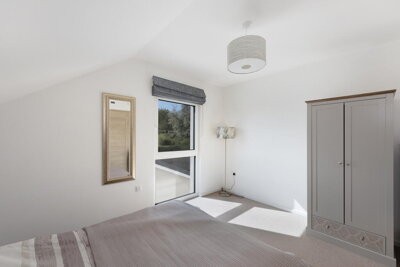
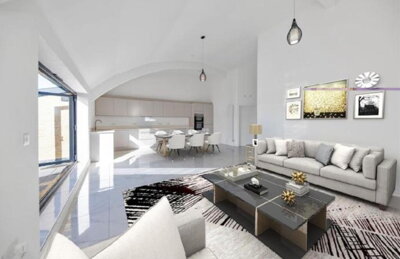
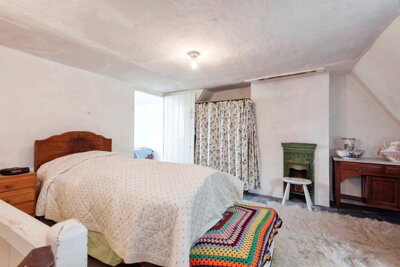
Browse 26 homes for sale in Arrington, South Cambridgeshire from local estate agents.
£588k
6
0
226
Source: home.co.uk
Source: home.co.uk
Detached
3 listings
Avg £956,667
Bungalow
1 listings
Avg £275,000
Cottage
1 listings
Avg £300,000
Terraced
1 listings
Avg £195,000
Source: home.co.uk
Source: home.co.uk
The Hammoon property market reflects its status as an exclusive rural village where homes rarely come to market. When properties do become available, they tend to attract considerable attention from buyers across the South West and beyond. Recorded sales in the village include a property on Hammoon Lane achieving £560,000 in mid-2022, while the landmark sale of Hammoon House for over £3 million in 2021 demonstrated the premium that exceptional period properties command in this sought-after location.
The surrounding DT10 postcode area around Sturminster Newton offers broader market context, with a range of property types available from traditional stone cottages to substantial detached family homes. Properties in Hammoon itself typically consist of older, characterful dwellings constructed using traditional methods including ashlar stone, rubble, and timber framing, often with thatched roofs. The limited supply of new-build properties in the immediate area means buyers seeking modern specifications may need to consider nearby villages or accept that any available stock will require varying degrees of modernisation.
One nearby development worth noting is St Marys Barns on Church Hill in Sturminster Newton, with guide prices ranging from £450,000 to £750,000 for new properties in the DT10 postcode area. However, Hammoon itself has no active new-build developments, meaning that buyers specifically seeking a new property within the village itself are unlikely to find suitable stock. The wider North Dorset area has 48 conservation areas and over 2,500 listed buildings, reflecting the district's commitment to preserving its architectural heritage, which directly influences the character and value of properties in villages like Hammoon.
Understanding current market conditions is essential for making informed decisions in this unique village market. The combination of limited supply, high demand from buyers seeking rural Dorset lifestyles, and the inherent quality of period properties means that competitive situations arise frequently. Our local market intelligence can help you time your search effectively and position yourself favourably when suitable properties become available.

Hammoon sits within a picturesque valley formed by the River Stour, creating a landscape of water meadows, traditional farmland, and pockets of woodland that define the Blackmore Vale character. The village itself maintains a genuinely rural feel with scattered farms, historic cottages, and the impressive Hammoon Manor House, a Grade II* listed building that anchors the community's heritage. The census data for the combined Manston and Hammoon area shows a population of just over 100 working residents, reflecting the village's intimate scale and the predominance of smaller households, with over 26% of households consisting of residents aged 66 or over.
The local economy shows a skilled population profile, with approximately 45% of residents employed in high-skill occupations and 49% in intermediate skilled roles. This suggests a community of professionals who have chosen to live in Hammoon for its quality of life while maintaining careers, likely commuting to larger employment centres. Local amenities are centred around nearby Sturminster Newton, which hosts a weekly market, selection of independent shops, pubs, and restaurants. The surrounding countryside offers extensive footpaths, bridleways, and access to Dorset's Area of Outstanding Natural Beauty, making the village ideal for walkers, cyclists, and outdoor enthusiasts.
The village's heritage extends beyond individual buildings to the landscape itself, which has been shaped by centuries of farming and settlement. The River Stour, which runs through the heart of the village, creates the water meadows that form such a distinctive feature of the Blackmore Vale landscape. These meadows, with their characteristic pattern of pasture and wetland, support diverse wildlife and form an integral part of what makes Hammoon so visually appealing to prospective residents. The hamlet's position within this landscape offers residents daily encounters with the natural world that city or suburban living simply cannot provide.

Families considering a move to Hammoon will find educational provision centred in nearby Sturminster Newton and the surrounding villages. The primary school in Sturminster Newton serves the local community, with additional primary options available in surrounding villages including Thompson's Primary School and St Mary's Church of England Primary School. Parents are encouraged to visit potential schools, meet with staff, and understand current admission arrangements before committing to a property purchase, as catchment boundaries can affect placement decisions.
Secondary education is typically accessed through schools in the wider North Dorset area, with transport arrangements in place for families living in more rural settlements like Hammoon. The nearest secondary schools include Sturminster Newton High School and Gillingham School, both of which serve the surrounding villages with dedicated school transport. Families should factor school transport routes and journey times into their property search, particularly if children are at secondary school age and will need reliable daily transportation.
For families seeking private education, several independent schools operate in Dorset, with preparations typically beginning in the primary years. Port Regis School in Motcombe offers preparatory education, while Hanford School near Childe Okeford provides an independent secondary option set within the Dorset countryside. Boarding and weekly boarding arrangements are available at some independent schools, which can reduce daily transport requirements for families living in more remote locations.
The village's location means that school transport arrangements and journey times form an important consideration when evaluating properties, particularly for secondary-age children. Parents are advised to research current catchment areas, admissions policies, and any specific transport services operating from Hammoon to nearby educational establishments. School performance data and Ofsted ratings for specific institutions should be verified through official channels as these can change and may vary across year groups. Our local team can provide guidance on schools that serve the Hammoon area and share insights from other families who have navigated the education system from this rural location.
Transport connectivity from Hammoon relies primarily on road networks, with the village positioned within reasonable reach of major routes connecting Dorset to Somerset and Wiltshire. The A357 provides access towards Blandford Forum and onwards to the south coast, while connections to the A303 trunk road offer routes towards London and the South East. For air travel, Bournemouth Airport is approximately 45 minutes drive away, providing access to UK and European destinations including seasonal charter flights to popular holiday destinations.
Rail services are available from Sturminster Newton station, which sits on the Swanage Railway heritage line offering seasonal tourist services between Swanage and Norden. For mainline rail connections, commuters typically travel to Gillingham, Templecombe, or Dorchester South stations, which provide services towards London Waterloo, Bristol, and the south coast. Templecombe station offers the fastest London connections with journey times of approximately two and a half hours to the capital, making it the preferred option for regular commuters who need to travel to the city.
Bus services connecting Hammoon to nearby towns operate on limited timetables typical of rural Dorset, making car ownership effectively essential for daily commuting and errand running. The scenic beauty of the surrounding roads makes driving in the area pleasurable, though narrow lanes and single-track sections require careful navigation, particularly for drivers unfamiliar with country roads. Many residents find that the minor inconveniences of rural transport are more than offset by the quality of life benefits that living in Hammoon provides.
For those working from home, Hammoon offers a peaceful environment with the telecommunications infrastructure necessary for modern business. Superfast broadband is available in the village, though speeds can vary depending on exact location and the property's connection to the local cabinet. We recommend checking specific broadband speeds at any property under consideration, particularly if home working is a significant part of your routine.
Spend time exploring Hammoon and the surrounding villages to understand what each location offers. Given the limited property supply, being prepared before properties come to market gives buyers a significant advantage in this sought-after village. Register with local estate agents and set up property alerts to ensure you are among the first to know when homes become available.
Once suitable properties appear, arrange viewings promptly as homes in Hammoon tend to sell quickly. Consider visiting at different times of day and in various weather conditions to fully assess the property and its surroundings, including flood risk areas. Pay particular attention to the condition of access roads and how the property performs during periods of heavy rain when rural lanes can become difficult to traverse.
Secure a mortgage agreement in principle from a lender to strengthen your position when making an offer. Given the premium nature of property in this area, ensure your financial arrangements are robust and your borrowing capacity is clearly established. Specialist rural mortgage brokers can often secure better terms for properties with unusual characteristics, such as those with thatched roofs or located in flood risk zones.
For older properties in Hammoon, a RICS Level 2 Survey is essential to identify any defects common in traditional construction, including thatch roofing, timber framing, and any signs of damp or structural movement. A Level 3 Building Survey may be advisable for particularly old or complex properties. Given the prevalence of listed buildings and period properties in Hammoon, we strongly recommend that buyers invest in a thorough survey before committing to purchase.
Appoint a conveyancing solicitor with experience in rural Dorset properties to handle the legal aspects of your purchase, including any local search requirements and flood risk assessments specific to the River Stour. Rural properties often involve additional considerations such as rights of way, agricultural drainage, and septic tank regulations that require specialist knowledge.
Once all surveys, searches, and legal work are satisfactory, proceed to exchange contracts and set a completion date. Be prepared for the process to move quickly once a sale is agreed given the competitive nature of the Hammoon market. Having all your paperwork in order and funds ready for transfer will help ensure a smooth completion without unnecessary delays.
Properties in Hammoon require careful inspection due to their age and traditional construction methods. Many homes feature timber-framed structures, thatched roofs, and original stone walls that demand specialist maintenance knowledge. When viewing properties, look for signs of damp in walls and floors, particularly in properties without modern damp proof courses. The traditional construction methods used in older Dorset properties, including ashlar stone and rubble work, can perform excellently when maintained but require understanding of their specific needs.
Roof conditions warrant close attention as thatch and traditional tile roofs have specific maintenance requirements and limited lifespans compared to modern materials. Thatched roofs, while visually appealing, typically require re-rendering every 20-30 years and may be subject to specialist insurance requirements. Look for signs of sagging rooflines, slipped tiles, or moss growth that might indicate underlying issues. The weight of traditional clay tiles on older properties can sometimes cause structural problems, particularly if the roof has been re-tiled using heavier modern materials than the original covering.
The flood risk from the River Stour represents a significant consideration for prospective buyers. Properties in low-lying areas near the river should be assessed for flood resilience measures, historical flood events, and the availability of appropriate insurance. The Environment Agency flood warning system covers the Upper Stour area including Hammoon, providing advance notice when river levels rise at the Hammoon gauging point when levels exceed 2.90 metres. Buyers should request copies of any previous flood damage records and verify that appropriate building insurance is obtainable at reasonable cost.
Given the village's heritage character, many properties may be affected by planning restrictions relating to listed building status or conservation area designations in the wider North Dorset district. Hammoon Manor House itself is Grade II* listed, setting a precedent for the level of attention given to heritage in the village. Permissions for alterations, extensions, or even maintenance work on listed properties require approval from North Dorset District Council, adding complexity to any future renovation plans. These designations also help protect the village's character and can positively influence property values over time, making them as much a benefit as a constraint.
Electrical and plumbing systems in older properties may require updating to meet current standards. Look for dated consumer units, visible wiring, and the location of stopcocks and water mains. A thorough survey will identify these issues, but being aware of potential costs during viewings allows for informed negotiation on price. Properties that have been sympathetically modernised while retaining period features often command premiums in villages like Hammoon, reflecting the skill and investment required to achieve the right balance.
Specific aggregated average house price data for Hammoon itself is not published, though recorded sales provide useful benchmarks. A property on Hammoon Lane sold for £560,000 in 2022, while the sale of Hammoon House achieved over £3 million. Properties in the surrounding DT10 postcode area around Sturminster Newton show broader market activity, with individual cottages and period homes typically ranging from £300,000 to over £500,000 depending on size, condition, and location. The premium location and limited supply mean that Hammoon properties generally command higher prices than equivalent properties in larger towns. New properties in nearby St Marys Barns on Church Hill range from £450,000 to £750,000, illustrating the premium for modern construction in the wider area.
Properties in Hammoon fall under North Dorset District Council for council tax purposes. Specific band allocations depend on the property's valuation and characteristics, with typical valuations for traditional Dorset cottages and farmhouses ranging across bands A through F. Given the property values in Hammoon, most period homes fall into bands D to F, with larger detached properties potentially in higher bands. Buyers should verify the current council tax band for any specific property through the Valuation Office Agency website or their solicitor during the conveyancing process, as bands can change following alterations or revaluations.
Primary education is available at schools in Sturminster Newton and nearby villages, with families typically choosing based on catchment areas and current Ofsted ratings. Thompson's Primary School and St Mary's Church of England Primary School both serve the Sturminster Newton area and are within reasonable travelling distance of Hammoon. Secondary education options include Sturminster Newton High School and Gillingham School, with dedicated school transport serving pupils from rural villages. For private schooling, several independent options exist in Dorset including Port Regis School in Motcombe and Hanford School near Childe Okeford. Families are advised to research current school performance data, admission arrangements, and transport logistics specific to their circumstances.
Public transport connectivity in Hammoon reflects its rural nature, with limited bus services connecting the village to nearby towns on set timetables. Sturminster Newton railway station operates on the Swanage Railway heritage line with seasonal services between Swanage and Norden, primarily serving tourists rather than daily commuters. Mainline rail access requires travel to stations such as Gillingham, Templecombe, or Dorchester South, with Templecombe offering the fastest London Waterloo connections at approximately two and a half hours. Most residents rely on private vehicles for daily commuting and essential travel, with the village's position requiring car ownership as a practical necessity rather than an option.
Hammoon offers potential for property investment given its desirable rural location, limited supply of available homes, and strong demand from buyers seeking the Dorset countryside lifestyle. The village's heritage character, access to countryside amenities, and relative proximity to employment centres in Dorset and Wiltshire support long-term demand. Properties requiring renovation may offer value opportunities for buyers willing to invest in improvements, though planning restrictions relating to listed buildings and conservation areas, together with flood risk considerations from the River Stour, should be factored into any investment calculation. The North Dorset area's 48 conservation areas and 2,500-plus listed buildings demonstrate the district's commitment to preserving character, which tends to support property values in villages like Hammoon.
Hammoon has a medium flood risk from the River Stour, with properties potentially affected when river levels exceed 2.90 metres at the Hammoon gauging point. The Environment Agency issues flood warnings covering the Upper Stour area, including the Upper Stour from Gillingham to Hammoon, Upper Stour and tributaries, and Middle Stour from Hammoon to Sturminster Marshall. The high water table in the area adds to flood risk concerns, with groundwater flooding possible in addition to river flooding. Properties in flood-risk zones require appropriate building insurance and may benefit from flood resilience measures. Prospective buyers should request information about historical flooding, verify insurance availability, and consider the elevation and flood history of any specific property before purchasing.
Stamp duty applies at standard rates for purchases in Hammoon as there is no relief specific to this location. The current thresholds mean no stamp duty is payable on properties up to £250,000, with 5% charged on the portion between £250,001 and £925,000, 10% on amounts from £925,001 to £1.5 million, and 12% on anything above that. First-time buyers benefit from relief on the first £425,000 of a purchase, paying 5% on the amount between £425,001 and £625,000. Given that most Hammoon properties exceed £400,000, most purchases will attract stamp duty charges at the higher thresholds, making the total purchase cost significantly higher than the advertised price. A £500,000 property would attract £17,500 in stamp duty for a non-first-time buyer.
There are no active new-build developments within Hammoon itself, as the village maintains its historic character through planning restrictions and heritage designations. The nearest new-build options are in the surrounding area, such as St Marys Barns in Sturminster Newton where properties range from £450,000 to £750,000. Buyers seeking modern construction and energy efficiency standards may need to consider these surrounding areas or accept that any available stock in Hammoon will require varying degrees of modernisation. The trade-off for choosing Hammoon itself is the opportunity to own a property in an established rural village with genuine community spirit and unspoiled character.
From 4.5%
Expert mortgage advice tailored to rural Dorset properties, including specialist lenders for thatched and listed homes
From £499
Conveyancing solicitors experienced in rural Dorset property transactions, including flood risk and drainage searches
From £350
Comprehensive survey covering traditional construction methods common in Hammoon, including timber framing and thatch
From £80
Energy Performance Certificate required for all property sales in England
Purchasing a property in Hammoon involves several costs beyond the purchase price itself. Stamp duty, currently set at 0% on the first £250,000 of a property value, increases to 5% on amounts between £250,001 and £925,000, with further bands at 10% and 12% for higher-value properties. Given that many Hammoon properties exceed £400,000, buyers should budget for stamp duty charges of several thousand pounds. A buyer purchasing a £560,000 property (similar to the recent Hammoon Lane sale) would pay £17,500 in stamp duty, significantly adding to the total purchase cost.
Additional purchasing costs include solicitor fees typically ranging from £500 to £2,000 depending on complexity, with rural properties involving additional searches such as flood risk and drainage assessments potentially adding to this. Survey costs for a RICS Level 2 survey range from £350 to £1,000, while a detailed Level 3 Building Survey for a complex period property can cost £1,000 or more. Search fees of around £250 to £400 cover local authority and environmental searches, with additional specialist searches potentially required for properties near watercourses or in flood risk areas.
Mortgage arrangement fees vary by lender but commonly range from £500 to £2,000, while valuation fees add a further £150 to £500 depending on property value. Life insurance and buildings insurance should be arranged from exchange of contracts, with specialist insurers familiar with thatched properties and rural homes potentially offering better terms. Buyers should ensure they have additional funds available beyond their mortgage deposit to cover these costs, typically budgeting an extra 3-5% of the purchase price to cover associated expenses. For a £500,000 property, this additional cost could amount to £15,000-£25,000 on top of the deposit.
Properties for Sale In London

Properties for Sale In Plymouth

Properties for Sale In Liverpool

Properties for Sale In Glasgow

Properties for Sale In Sheffield

Properties for Sale In Edinburgh

Properties for Sale In Coventry

Properties for Sale In Bradford

Properties for Sale In Manchester

Properties for Sale In Birmingham

Properties for Sale In Bristol

Properties for Sale In Oxford

Properties for Sale In Leicester

Properties for Sale In Newcastle

Properties for Sale In Leeds

Properties for Sale In Southampton

Properties for Sale In Cardiff

Properties for Sale In Nottingham

Properties for Sale In Norwich

Properties for Sale In Brighton

Properties for Sale In Derby

Properties for Sale In Portsmouth

Properties for Sale In Northampton

Properties for Sale In Milton Keynes

Properties for Sale In Bournemouth

Properties for Sale In Bolton

Properties for Sale In Swansea

Properties for Sale In Swindon

Properties for Sale In Peterborough

Properties for Sale In Wolverhampton

Enter your details to see if this property is within your budget.
Loans, cards, car finance
Estimated property budget
Borrowing + deposit
You could borrow between
Typical borrowing
Monthly repayment
Est. at 4.5%
Loan-to-value
This is an estimate only. Your actual budget may vary depending on interest rates, credit history, and personal circumstances. For an accurate affordability assessment, speak to one of our free mortgage advisors.
This calculator provides estimates for illustrative purposes only and does not constitute financial advice. Your home may be repossessed if you do not keep up repayments on your mortgage. Estimates based on 4.5% interest rate, repayment mortgage. Actual rates depend on your circumstances.
Homemove is a trading name of HM Haus Group Ltd (Company No. 13873779, registered in England & Wales). Homemove Mortgages Ltd (Company No. 15947693) is an Appointed Representative of TMG Direct Limited, trading as TMG Mortgage Network, which is authorised and regulated by the Financial Conduct Authority (FRN 786245). Homemove Mortgages Ltd is entered on the FCA Register as an Appointed Representative (FRN 1022429). You can check registrations at NewRegister or by calling 0800 111 6768.

We use cookies to show you personalised content and improve your experience of our website. Find out more in our Privacy policy and Cookie policy.