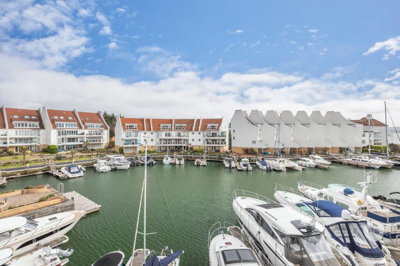
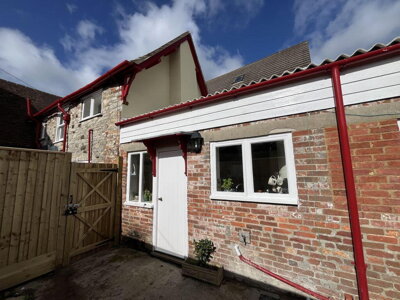
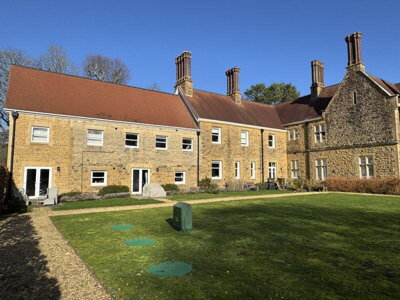
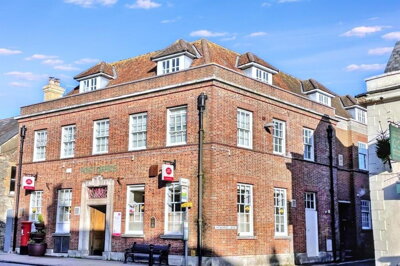
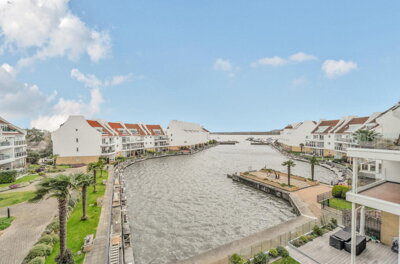
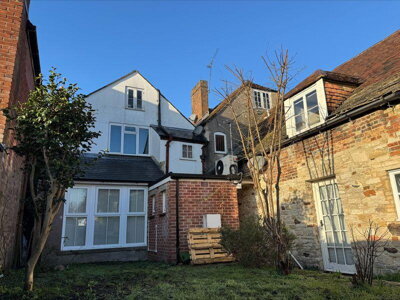
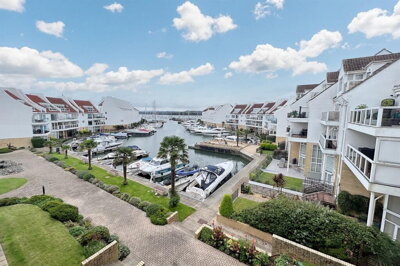
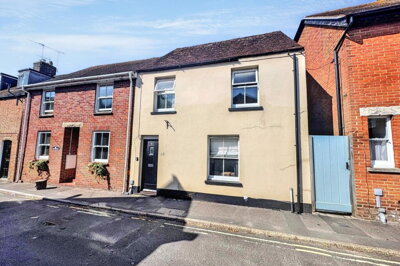
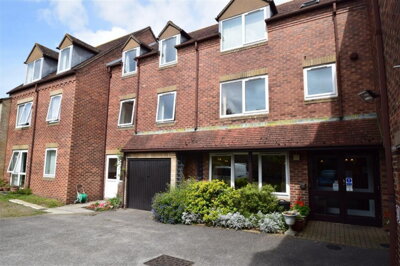
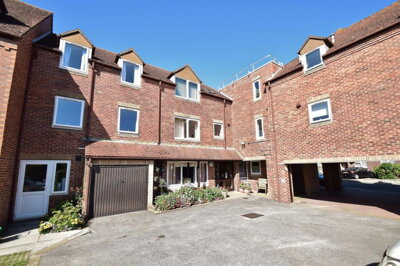
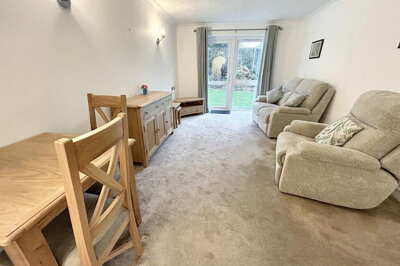
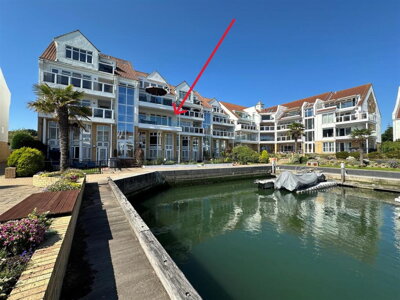
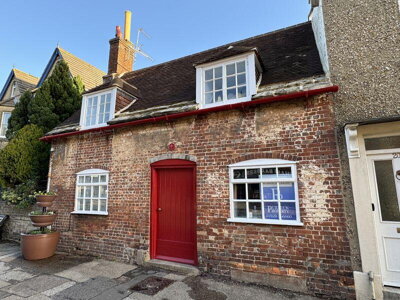
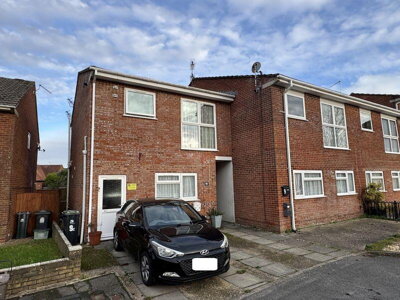
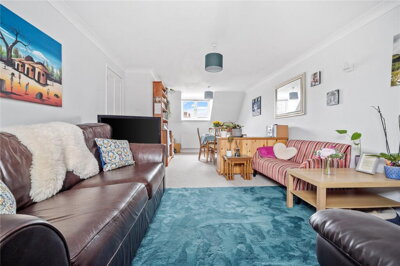
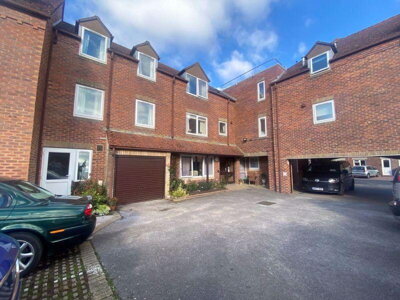
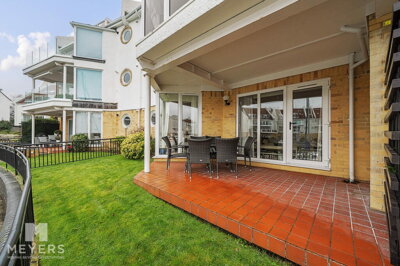
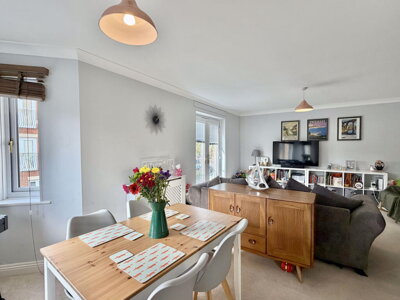
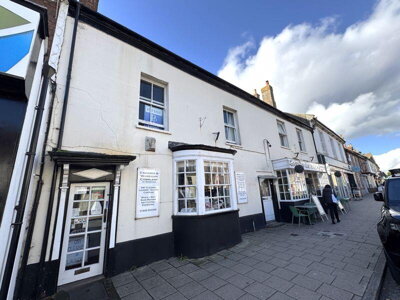
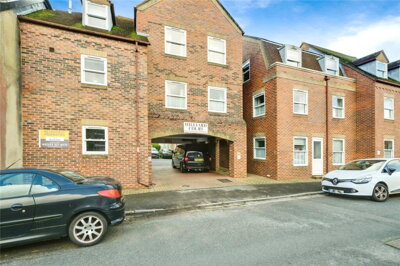
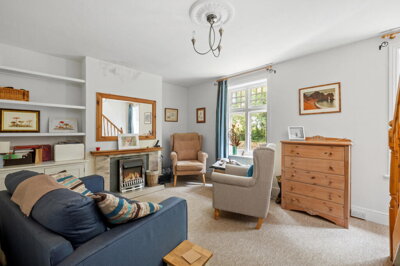
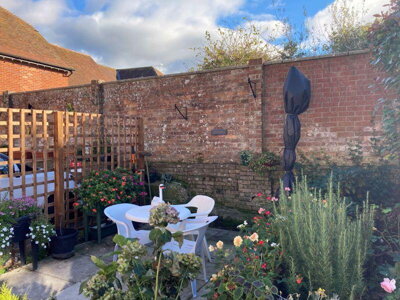
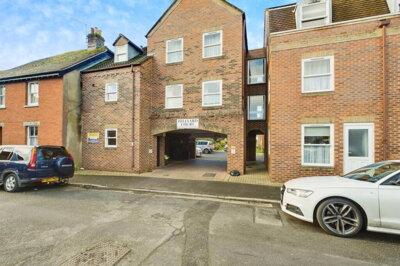
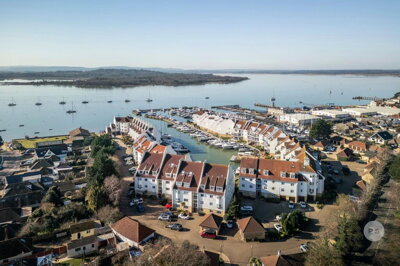
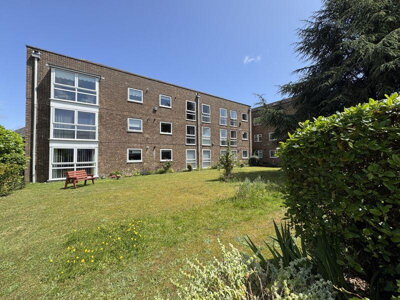
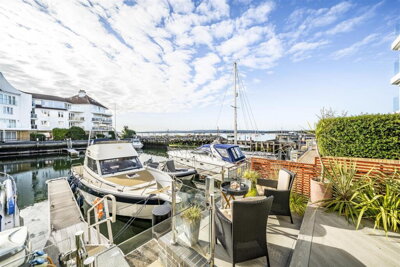
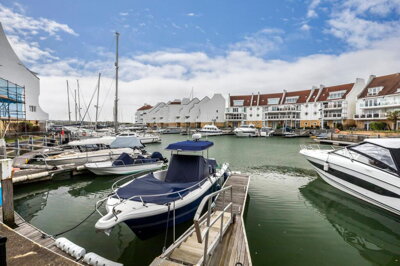
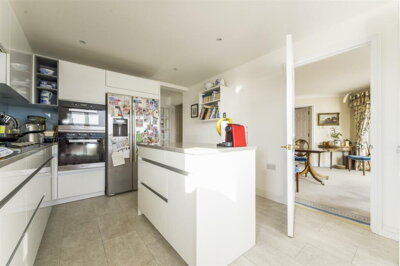
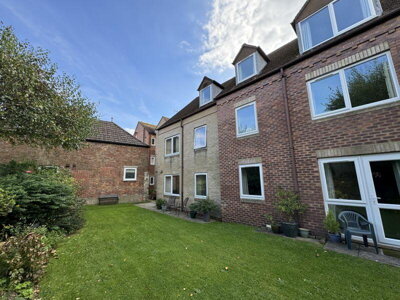
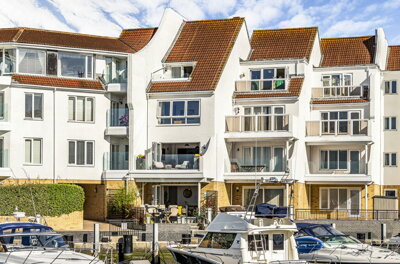
Browse 30 homes for sale in Arne, Dorset from local estate agents.
Studio apartments feature open-plan living spaces without separate bedrooms, incorporating sleeping, living, kitchen, and bathroom facilities. The Arne studio market includes properties in modern apartment complexes, converted Victorian and Georgian buildings, and purpose-built developments.
£0k
0
0
0
Source: home.co.uk
Showing 0 results for Studio Flats for sale in Arne, Dorset.
The Thorncombe property market reflects the broader trends affecting rural Dorset, with average house prices standing at approximately £543,333 according to recent Rightmove data, though the median price based on actual Land Registry sales sits at £206,000 when looking across all historical transactions. PropertyResearch.uk records a median sale price of £430,000 across three recorded sales in 2025, indicating that while transaction volumes are modest due to the village's small size, properties that do come to market command serious prices. Over the past twelve months, prices have shown a slight softening of around 2.3% to 6% depending on the data source, which may present a window of opportunity for buyers who have been watching the market. This gentle correction follows a period of sustained interest in village properties across Dorset as more buyers seek space and tranquility following shifts in working patterns.
The housing stock in Thorncombe is predominantly characterised by period properties that showcase traditional West Country craftsmanship. Detached homes represent the premium segment of the market, with recent sales achieving a median price of £602,500, reflecting the desirability of generous plot sizes and rural settings. Semi-detached properties offer more accessible entry points to the village market, typically ranging around £175,000 to £300,000 depending on condition and location. Terraced cottages, some dating back to the early Georgian period, remain popular with buyers seeking authentic character features combined with more manageable garden spaces. Flats are rare in this village setting, with most stock consisting of houses and bungalows that suit a variety of purchasing requirements.

Thorncombe is a village that rewards those who appreciate the quieter rhythms of English rural life. The community is tight-knit and welcoming, with the kind of local spirit that makes new residents feel genuinely at home. The village centre typically features essential amenities including a village hall, which serves as a hub for community events, and proximity to nearby settlements provides access to further shops, pubs, and services. The surrounding countryside offers miles of footpaths and bridleways that wind through rolling farmland, meadows, and woodland, making it ideal for dog walkers, families, and anyone who treasures outdoor recreation. The nearby Blackdown Hills Area of Outstanding Natural Beauty lies within easy reach, offering additional spectacular landscapes to explore throughout the seasons.
The character of Thorncombe is shaped by its traditional West Country architecture, with many properties built using cobb and stone construction methods typical of this part of Dorset. Thatched roofs are a distinctive feature of the village skyline, lending properties an enchanting appearance that has been carefully preserved over generations. Some properties have been sympathetically modernised to include contemporary comforts while retaining their period charm, while others remain largely unchanged, offering projects for those with renovation ambitions. The village is home to several Grade II listed buildings, including notable properties like Holway Cottage in Synderford, which reflect the historical significance of the area. Living in Thorncombe means becoming part of a community that values its heritage while embracing modern village life.
Understanding the traditional building methods used in Thorncombe is essential for any buyer considering a property in this Dorset village. The predominant construction style uses cobb, a building material made from earth and straw, combined with local stone for structural elements and foundations. Properties built with cobb walls often feature rendered elevations to protect against the West Dorset weather, with some homes having original lime-based renders that allow the walls to breathe. This breathability is crucial for the long-term health of cobb construction, as modern cement-based renders can trap moisture and cause deterioration of the underlying structure. Buyers should look for signs of cracking, crumbling, or damp penetration when viewing cobb properties, as these can indicate more serious structural issues.
Thatched roofing remains a defining feature of properties throughout Thorncombe and the surrounding Blackmore Vale area. Properties may feature either straw thatch or combed wheat reed, with the latter becoming increasingly common in modern restoration work. A well-maintained thatched roof can last up to 60 years, while repairs typically cost between £3,000 and £8,000 depending on the extent of work required. Insurance costs for thatched properties tend to be higher than standard homes, and specialist insurers should be consulted before purchasing. The combed wheat reed roofs seen on several period properties in the Synderford area require particular expertise from thatchers who understand traditional techniques. Regular maintenance of ridge work, clearing of vegetation from chimney stacks, and attention to flashing details all contribute to extending the life of a thatched roof.
Beyond cobb and thatch, some properties in Thorncombe were constructed using local limestone and sandstone, particularly the larger farmhouses and manor houses that date from the Georgian period. These properties often feature thick walls of 18 to 24 inches, providing excellent thermal mass but requiring attention to window replacement and insulation approaches. A small number of post-war bungalows in the village were built using pre-fabricated concrete methods, which require different maintenance considerations including checking for cracking, spalling, and any signs of reinforcement corrosion. Your solicitor should confirm the construction type and any relevant listed building status during the conveyancing process, as this information affects both renovation potential and ongoing maintenance costs.
Properties in Thorncombe, given their age and traditional construction methods, present specific defect patterns that buyers should understand before committing to a purchase. Damp is the most frequently encountered issue in cobb and stone properties, particularly where original lime-based mortars and renders have been replaced with modern cement products. Rising damp occurs when moisture travels up through solid walls lacking damp-proof courses, while penetrating damp often affects walls where pointing has deteriorated or rendering has cracked. Timber elements including floor joists, wall plates, and original window frames are particularly vulnerable to prolonged damp exposure, leading to woodworm infestation and wet rot. A thorough survey will identify the extent of any damp issues and recommend appropriate remediation using traditional breathable materials.
Thatched roofs, while beautiful, require specialist knowledge to assess properly. Common defects include slipped or missing ridge thatch, damage from nesting birds particularly rooks and pigeons, and deterioration where chimney stacks or rooflights interrupt the thatch surface. The condition of the sarking beneath the thatch, typically either traditional lime mortar and reed or modern bitumen felt, determines whether repairs can be carried out locally or whether a full re-thatch is required. Properties in the Synderford Road area have been subject to insurance claims related to thatch damage, so checking the property's insurance history is advisable. Electrical systems in period properties often predate modern safety standards, with original wiring frequently inadequate for contemporary household demands. A qualified electrician should inspect all visible wiring and consumer units before purchase, with rewiring costs potentially ranging from £5,000 to £12,000 for a typical three-bedroom cottage.
Structural movement can affect properties built on the clay soils common throughout West Dorset. The shrink-swell behaviour of clay subsoils causes seasonal movement that may manifest as cracking to walls, particularly in properties with shallow foundations. Properties in the village centre near the stream may be affected by historic flooding or high groundwater levels, and a drainage and water search will reveal any recorded incidents. Foundation depths vary considerably across older properties, with some having been built directly on the natural ground and others on shallow stone footings. Your surveyor will assess any existing cracks and movement patterns to determine whether they represent ongoing structural concerns or historic issues that have stabilised.
Families considering a move to Thorncombe will find a selection of educational options within reasonable reach. The village is served by primary schools in surrounding villages, with several Good and Outstanding rated schools located in the broader area. For secondary education, pupils typically travel to schools in nearby towns such as Chard, where Colyton Grammar School and other respected institutions are accessible. The presence of grammar schools in the region makes this an attractive option for families with academically gifted children, and transport arrangements are well-established for village pupils. Many parents in rural Dorset choose to supplement school transport with carpooling arrangements, creating a natural community network among local families.
Early years education is well catered for in the surrounding area, with nurseries and pre-schools operating in nearby villages and towns. For families seeking private education, several independent schools are located within a reasonable commute, offering alternative educational pathways. The local library service provides homework clubs and reading schemes that support children's learning outside school hours. Further education opportunities are available in the nearby towns of Yeovil and Exeter, which offer sixth form colleges and specialist training providers. Researching specific school catchments before purchasing is advisable, as admissions criteria can be competitive in popular village locations where school places are limited.
Transport connections from Thorncombe reflect its rural village character, with residents relying primarily on car travel for daily commuting and larger shopping trips. The A358 provides access to the county town of Taunton to the north, while the A30 connects to Exeter and the south coast. For those working in larger cities, the train stations at Axminster and Crewkerne offer regular services to Exeter, Bristol, and London Waterloo, with journey times to the capital typically around two and a half to three hours. Many residents who work remotely have found Thorncombe particularly suitable, as the village internet connections have improved significantly in recent years, supporting modern working arrangements. Bus services connect Thorncombe to nearby towns on a limited timetable, making a car essential for most residents.
The proximity of Thorncombe to the Jurassic Coast at Lyme Regis makes the village an attractive base for those who enjoy coastal activities without the premium property prices of seaside towns. The journey to Lyme Regis takes approximately 30 minutes by car, while the historic port of Bridport offers another excellent option for shopping, dining, and beach visits. Cyclists will find both challenging routes through the rolling Dorset countryside and more gentle options along the valley bottoms. For air travel, Exeter International Airport is approximately 40 minutes away by car, offering domestic and international flights. Bristol Airport is also accessible within approximately 90 minutes, providing additional travel options for business and leisure.
Start by exploring our listings and understanding the local property market. Thorncombe's village character and traditional housing stock make viewing several properties essential before making a decision. Take time to walk the village, visit local amenities, and speak to residents about what makes living in Thorncombe special. Pay particular attention to different property types including cobb cottages, stone farmhouses, and any thatched properties, as each requires different considerations.
Before arranging viewings, obtain a mortgage agreement in principle from a lender. This strengthens your position when making an offer and demonstrates to sellers that you are a serious buyer. Rural properties in desirable villages like Thorncombe can attract competitive interest, and having your finances confirmed gives you an advantage when bidding against other buyers.
Contact estate agents to arrange viewings of properties that meet your criteria. Our platform links directly to local agent listings. Consider viewing properties in different conditions, as village homes range from fully renovated to those requiring modernisation. Viewing at least four or five properties allows you to compare construction types, maintenance requirements, and overall value before making an offer.
Once you have had an offer accepted, we recommend booking a RICS Level 2 Survey, particularly for period properties with cobb construction or thatched roofs. This will identify any structural issues or repairs needed before you commit to the purchase. For older or listed properties, a RICS Level 3 Building Survey may be more appropriate given the complexity of traditional construction.
Choose a conveyancing solicitor to handle the legal aspects of your purchase. They will conduct searches, handle contracts, and ensure a smooth transfer of ownership. Local solicitors familiar with Dorset properties and the Blackmore Vale area can be particularly helpful, especially for properties with listed building status or those in conservation areas.
Your solicitor will guide you through the final stages of the transaction. On completion day, you will receive the keys to your new Thorncombe home and can begin settling into your new village community. Ensure you have arranged buildings insurance effective from the completion date, particularly important for period properties with thatched roofs.
Purchasing a property in Thorncombe requires careful attention to the specific characteristics of traditional West Country homes. Many properties in the village are constructed using cobb and stone methods, which require different maintenance approaches compared to modern brick-built houses. Thatched roofs, while beautiful and traditional, require specialist knowledge and regular maintenance from experienced thatchers. When viewing properties, look for signs of damp, particularly in older properties where breathability of walls is essential. Timber-framed elements and original windows may need upgrading to meet modern energy standards, so factor potential renovation costs into your budget accordingly.
The presence of Grade II listed buildings in and around Thorncombe means that planning restrictions may apply to neighbouring properties or even apply to your purchase if the property itself is listed. Listed building consent may be required for certain alterations or improvements, which can affect future renovation plans. Conservation area considerations may also apply within the village, so your solicitor should confirm the status of any property you are considering. Service charges and maintenance arrangements for shared elements should be clearly understood, particularly for any converted properties. Flood risk in Thorncombe should be checked with the Environment Agency, though the village's inland position generally means lower risk than coastal locations in Dorset.

Average prices in Thorncombe vary between sources, with Rightmove reporting approximately £543,333 as the overall average, while Land Registry data shows a median price of around £206,000 based on historical sales. More recent transactions in 2025 indicate a median sale price of £430,000 across three recorded sales. Detached properties typically command premium prices of around £602,500, while semi-detached homes start from approximately £175,000. The market has shown a slight softening of 2-6% over the past twelve months, which may present buying opportunities for those who have been waiting to enter this desirable village market.
Properties in Thorncombe fall under South Somerset District Council for council tax purposes. Bands range from A to H depending on property value, with most traditional cottages and period homes typically falling into bands B to D given their assessed values. You can check the specific band for any property through the Valuation Office Agency website or by asking your solicitor during the conveyancing process. Council tax in this part of Dorset remains competitive compared to larger towns and cities, with band D properties currently paying around £1,800 to £2,000 annually depending on specific property characteristics and any exemptions that may apply.
Thorncombe is served by primary schools in surrounding villages, with several Good-rated schools within a reasonable driving distance. Marshwood CofE Primary School, located in the nearby village of Marshwood, serves many Thorncombe families and has received positive Ofsted reports. For secondary education, Colyton Grammar School is a notable option for academically gifted pupils, consistently achieving excellent examination results and accessible from the Thorncombe area. Many families use school transport arrangements or informal carpooling to access schools further afield, as the rural nature of the area means longer journeys are common. We recommend visiting schools and checking current Ofsted ratings before purchasing, as catchment areas and admissions criteria can change and places in popular schools can be limited.
Public transport options from Thorncombe are limited, reflecting its rural village character. Bus services connect to nearby towns including Chard and Crewkerne on a limited timetable, making car travel essential for most residents. Axminster railway station, approximately 15 miles away, and Crewkerne station, around 8 miles distant, offer regular train services to Exeter, Bristol, and London Waterloo. Journey times to London Waterloo from Axminster typically take around three hours. Exeter Airport is approximately 40 minutes away by car, providing domestic and international flights to European destinations. Many residents work from home using improved broadband connections, with the village now benefiting from superfast broadband availability in most areas.
We strongly recommend booking a survey before purchasing any property in Thorncombe, particularly given the age and traditional construction methods prevalent in the village. A RICS Level 2 Survey costs from £350 and provides a thorough assessment of condition suitable for most properties. For older properties, those with thatched roofs, or any listed building, a RICS Level 3 Building Survey offers more detailed analysis of construction and defects. Common issues identified in Thorncombe properties include damp in cobb walls, thatch deterioration, timber defects, and outdated electrical systems. The investment in a survey typically costs a fraction of the price of unexpected repairs uncovered after purchase, making it essential due diligence for any buyer in this Dorset village.
Thorncombe offers appeal for both lifestyle buyers and property investors seeking long-term returns in the Dorset property market. The village's character properties, traditional construction, and limited supply of available homes help maintain values over time, with the Blackmore Vale area remaining consistently popular with buyers seeking rural locations. Rental demand exists from those seeking to experience village life without committing to purchase, though the market is smaller than urban areas and tenant demand tends to be for longer-term lets rather than short-term rentals. Properties with development potential or renovation requirements may offer additional value opportunities for investors willing to undertake works, particularly those with planning permission for extensions or conversions. Always research rental yields and demand before investing, and factor in the higher insurance and maintenance costs associated with period properties including those with thatched roofs.
Stamp duty rates from April 2025 require no tax on properties up to £250,000, with 5% charged between £250,000 and £925,000. For properties between £925,000 and £1.5 million, the rate is 10%, rising to 12% for properties above £1.5 million. First-time buyers benefit from relief on properties up to £625,000, paying no duty on the first £425,000 and 5% on the portion between £425,000 and £625,000. At current Thorncombe price levels, most buyers will fall into the 5% bracket. For a typical Thorncombe property priced at around £430,000, a standard buyer would pay £9,000 in stamp duty, while qualifying first-time buyers would pay just £250 on the portion between £425,000 and the purchase price.
Understanding the full cost of purchasing a property in Thorncombe goes beyond the asking price alone. Stamp duty land tax applies to all purchases above £250,000 at standard rates, with first-time buyer relief available for qualifying purchasers on properties up to £625,000. For a typical Thorncombe property priced at around £430,000, a standard buyer would pay £9,000 in stamp duty. First-time buyers would pay £250 on the portion between £425,000 and £430,000, resulting in just £250 total. Your solicitor will calculate the exact amount due based on your circumstances and advise on payment timing, which must be settled within 14 days of contract completion.
Additional purchase costs include solicitor fees, which typically range from £500 to £1,500 depending on the complexity of the transaction and the property type. For listed buildings or properties with complex title issues, costs may be higher. Search fees for local authority, drainage, and environmental searches usually total around £250 to £400. Survey costs should be budgeted at £350 or more for a comprehensive RICS Level 2 Survey, particularly important given the age and construction type of many Thorncombe properties. A RICS Level 3 Building Survey for more complex period properties typically costs from £600 depending on property size. Mortgage arrangement fees vary by lender but can range from zero to £2,000 or more, so comparing deals carefully is worthwhile.
Removal costs, disconnection and reconnection fees for utilities, and potential renovation costs should all be factored into your overall budget before committing to a purchase in this beautiful Dorset village. Properties requiring renovation may also face additional costs for specialist tradespeople familiar with traditional construction methods, particularly for thatch repairs or cobb wall remediation. Buildings insurance costs for period properties, especially those with thatched roofs, tend to be higher than standard home insurance, so obtaining quotes before completion is advisable. Setting aside a contingency fund of around 10-15% of the purchase price for unexpected works is a prudent approach for anyone buying an older village property.
From 4.5%
Professional mortgage advice and competitive rates for your Thorncombe purchase
From £499
Solicitors specialising in Dorset property transactions
From £350
Comprehensive survey for your Thorncombe property
From £600
Detailed building survey for period properties
From £60
Energy performance certificate for your property
Properties for Sale In London

Properties for Sale In Plymouth

Properties for Sale In Liverpool

Properties for Sale In Glasgow

Properties for Sale In Sheffield

Properties for Sale In Edinburgh

Properties for Sale In Coventry

Properties for Sale In Bradford

Properties for Sale In Manchester

Properties for Sale In Birmingham

Properties for Sale In Bristol

Properties for Sale In Oxford

Properties for Sale In Leicester

Properties for Sale In Newcastle

Properties for Sale In Leeds

Properties for Sale In Southampton

Properties for Sale In Cardiff

Properties for Sale In Nottingham

Properties for Sale In Norwich

Properties for Sale In Brighton

Properties for Sale In Derby

Properties for Sale In Portsmouth

Properties for Sale In Northampton

Properties for Sale In Milton Keynes

Properties for Sale In Bournemouth

Properties for Sale In Bolton

Properties for Sale In Swansea

Properties for Sale In Swindon

Properties for Sale In Peterborough

Properties for Sale In Wolverhampton

Enter your details to see if this property is within your budget.
Loans, cards, car finance
Estimated property budget
Borrowing + deposit
You could borrow between
Typical borrowing
Monthly repayment
Est. at 4.5%
Loan-to-value
This is an estimate only. Your actual budget may vary depending on interest rates, credit history, and personal circumstances. For an accurate affordability assessment, speak to one of our free mortgage advisors.
This calculator provides estimates for illustrative purposes only and does not constitute financial advice. Your home may be repossessed if you do not keep up repayments on your mortgage. Estimates based on 4.5% interest rate, repayment mortgage. Actual rates depend on your circumstances.
Homemove is a trading name of HM Haus Group Ltd (Company No. 13873779, registered in England & Wales). Homemove Mortgages Ltd (Company No. 15947693) is an Appointed Representative of TMG Direct Limited, trading as TMG Mortgage Network, which is authorised and regulated by the Financial Conduct Authority (FRN 786245). Homemove Mortgages Ltd is entered on the FCA Register as an Appointed Representative (FRN 1022429). You can check registrations at NewRegister or by calling 0800 111 6768.

We use cookies to show you personalised content and improve your experience of our website. Find out more in our Privacy policy and Cookie policy.