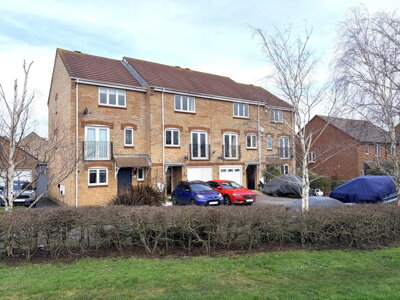
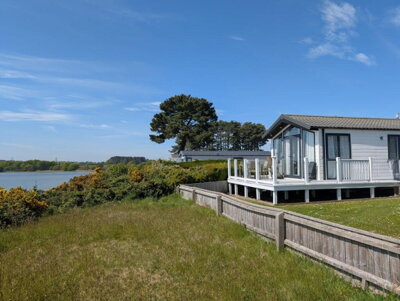
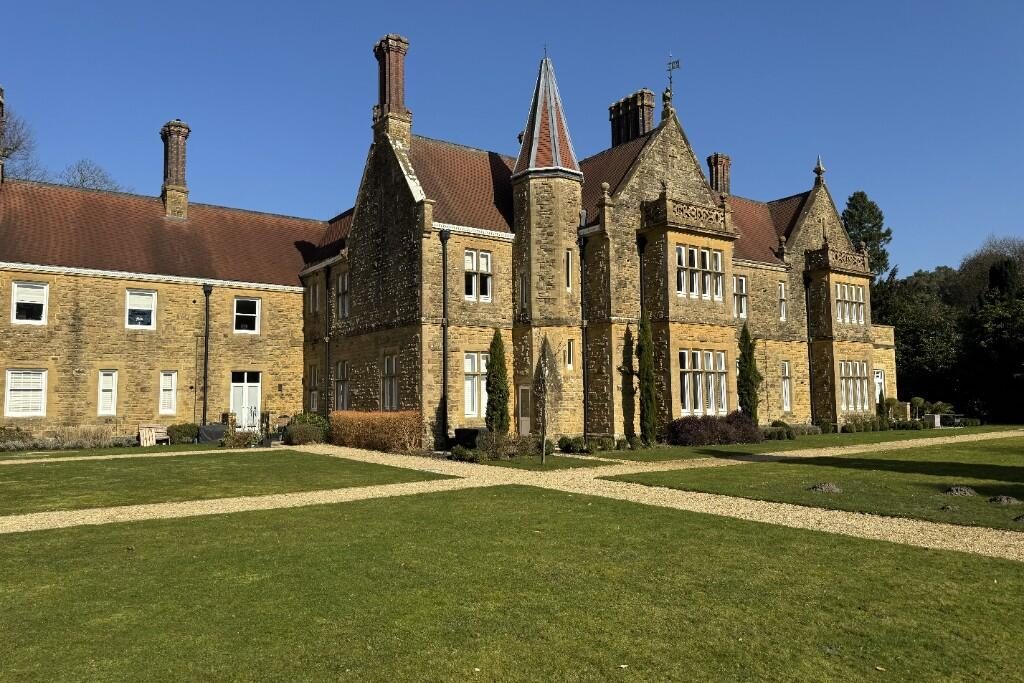
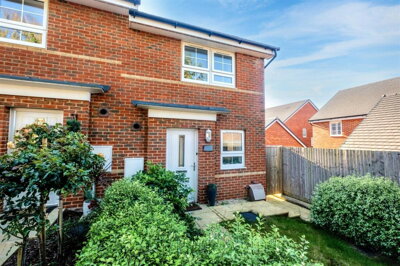
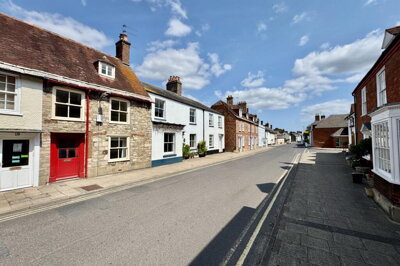
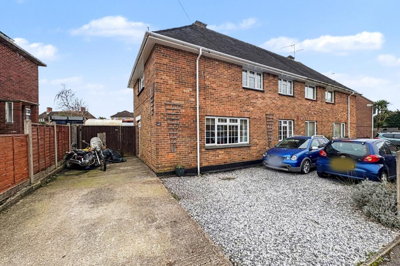
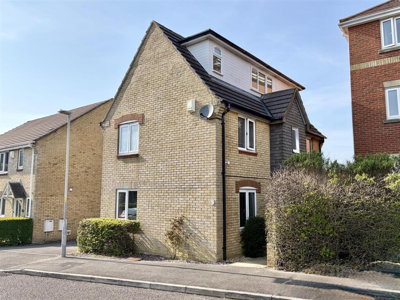
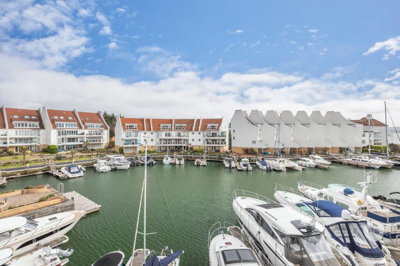
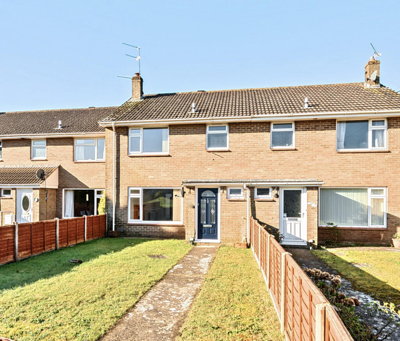
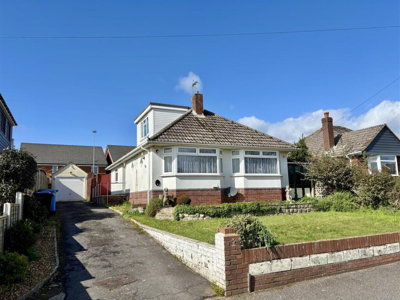
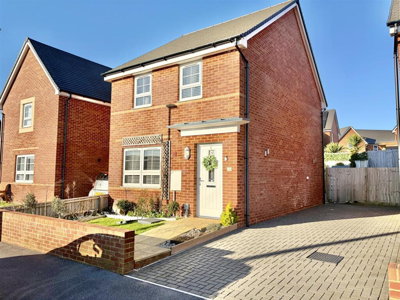
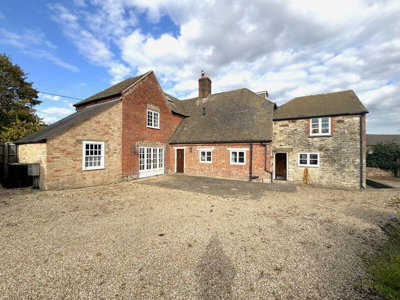
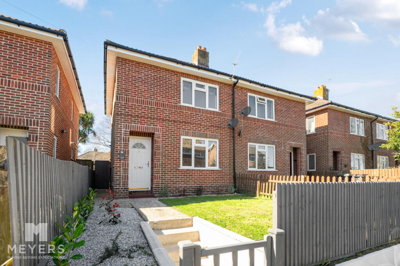
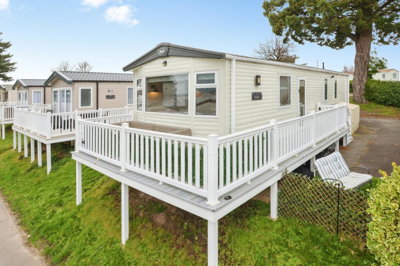
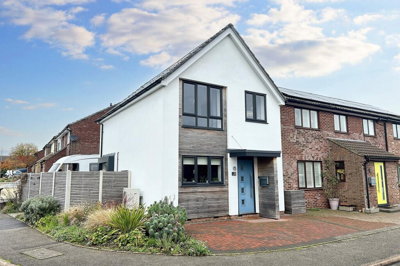
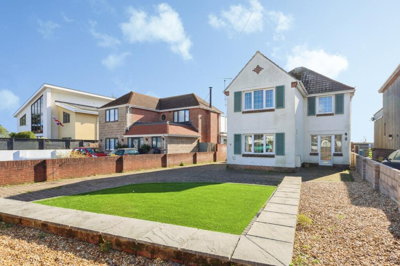
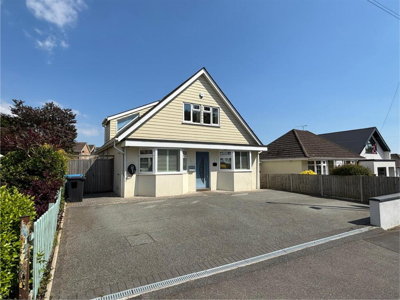
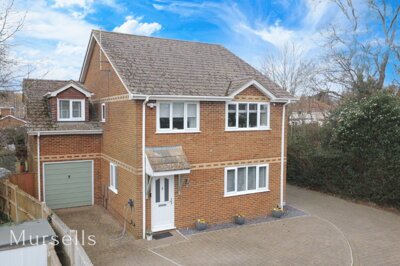
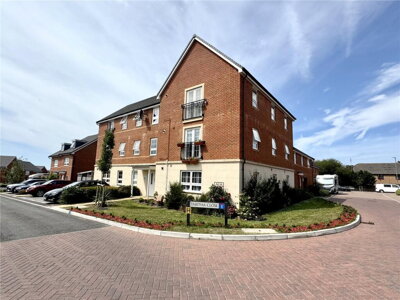
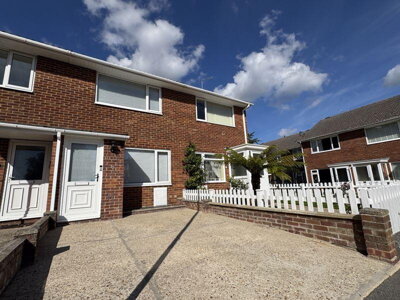
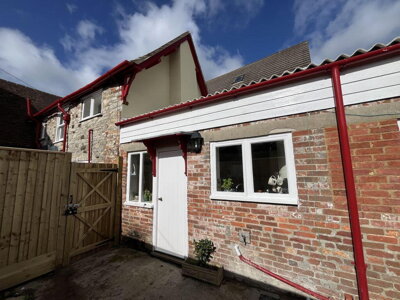
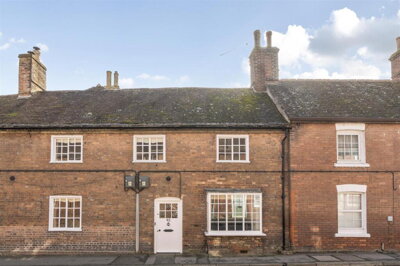
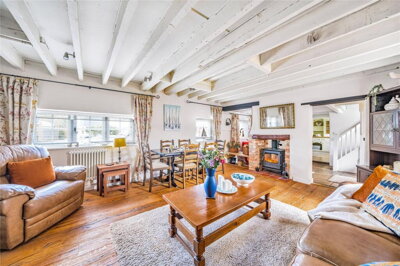
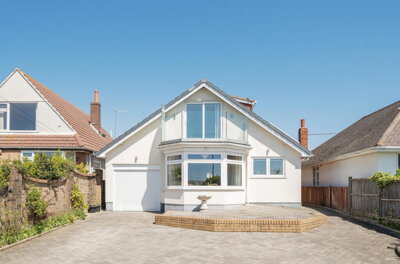
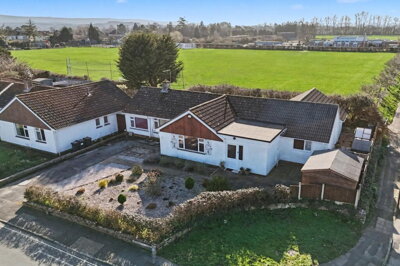
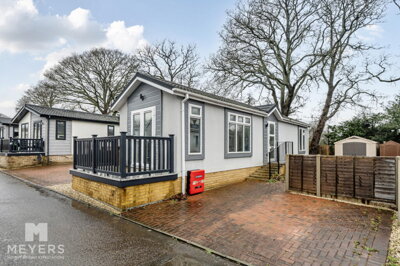
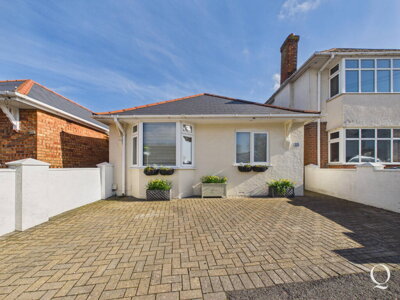
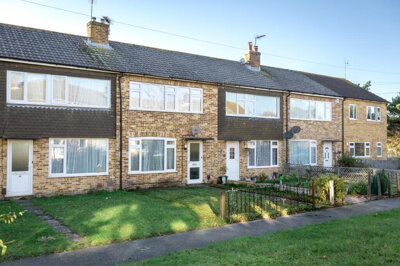
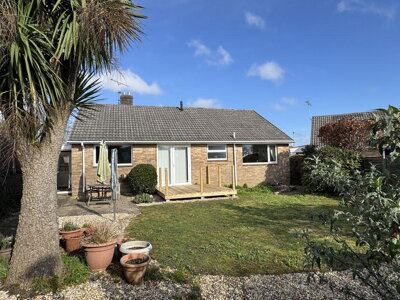
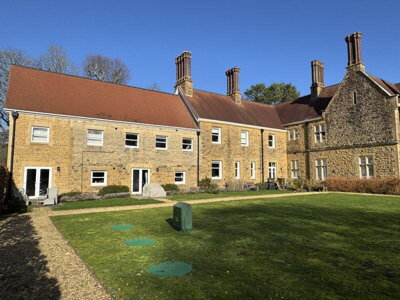
Browse 182 homes for sale in Arne, Dorset from local estate agents.
£638k
12
1
178
Source: home.co.uk
Source: home.co.uk
Detached
5 listings
Avg £772,000
Cottage
1 listings
Avg £899,950
Detached Bungalow
1 listings
Avg £160,000
End of Terrace
1 listings
Avg £625,000
Park Home
1 listings
Avg £289,950
Semi-Detached
1 listings
Avg £525,000
detached
1 listings
Avg £1.50M
end-of-terrace
1 listings
Avg £899,000
Source: home.co.uk
Source: home.co.uk
The Thorncombe property market demonstrates the characteristics typical of rural Dorset villages, with property prices showing modest adjustments over the past twelve months. According to PropertyResearch.uk data based on Land Registry information, the median sale price stands at approximately £430,000 across recent sales, while Rightmove reports an overall average of £543,333 over the past year. This variation reflects differences in methodology and the limited transaction volume in this small village community. Overall prices have softened by approximately 2-6% compared to the previous year, creating potential opportunities for buyers who were previously priced out of this desirable area.
Property types in Thorncombe reflect the village's historical development, with detached homes commanding the highest prices at a median of around £602,500 based on recent sales data. These substantial properties often feature generous gardens and traditional construction methods that appeal to families seeking space and character. Semi-detached homes typically achieve around £175,000, while terraced properties, including charming period cottages, average approximately £300,000. The market also includes a handful of flats and bungalows, with flats historically selling for around £96,000. New build activity in the village remains extremely limited, with most available properties being established homes that have contributed to the village's distinctive character over many decades.
Transaction volumes in Thorncombe reflect the village's small scale, with only a handful of sales recorded in recent years. This scarcity of available properties means that buyers may need to act quickly when suitable homes come to market. The prevalence of period properties means that many homes will have been constructed using traditional methods that differ significantly from modern building standards, requiring specific knowledge when evaluating condition and maintenance requirements.
£430,000
Median Sale Price
£602,500
Detached Homes
£300,000
Terraced/Cottage
£175,000
Semi-Detached
-2 to -6%
12-Month Change
TA20
Postcode Area
Thorncombe embodies the quintessential English village experience, offering residents a close-knit community set against the beautiful backdrop of West Dorset countryside. The village name derives from its situation at a crossroads marked by a thorn tree, a heritage reflected in the community's strong connection to its rural surroundings. Local residents enjoy access to village amenities including a popular pub, community facilities, and scenic footpaths that crisscross the surrounding farmland and hedgerows. The area is particularly prized by those who appreciate outdoor pursuits, with walking, cycling, and horse riding all popular activities among the village population.
The predominant housing stock in Thorncombe consists of period properties constructed using traditional West Country building methods. Many homes feature cobb and stone construction with rendered elevations, often topped with thatched or slate roofs that contribute to the village's architectural character. The presence of early Georgian farmhouses and Listed buildings, including Grade II protected properties such as Holway Cottage in nearby Synderford, underscores the historical significance of the built environment. A fascinating attached Grade II Listed Period Family Home is also featured in local property listings, demonstrating the variety of heritage properties available in this area.
The village demographics tend toward families and retired couples who are drawn by the quality of life offered by rural Dorset, away from the pressures of larger towns while remaining accessible to necessary services. A thriving village atmosphere characterises the community, with residents participating in local events and supporting village amenities that continue to serve the area despite its small scale. The proximity to Chard provides access to everyday shopping and services, while the stunning Jurassic Coast at Lyme Regis lies approximately 12 miles to the south, offering world-class coastal walks and recreational opportunities.

Understanding the construction methods used in Thorncombe properties is essential for any buyer considering this rural Dorset village. The predominant building materials reflect centuries of local tradition, with cobb and stone construction featuring prominently throughout the village and surrounding countryside. Cobb, a building material made from earth and straw, has been used in West Dorset for generations and offers excellent thermal mass, though it requires understanding of appropriate maintenance to ensure longevity. Stone construction using local limestone adds to the architectural character, with many properties featuring attractive coursed or random rubble stonework.
Rendered elevations are common throughout Thorncombe, with many properties combining stone or cobb walls with a protective render coat. This rendering serves both aesthetic and practical purposes, sealing the underlying structure from weather exposure. However, render can mask underlying issues if not properly maintained, and our inspectors frequently note the importance of checking render condition during any property assessment. The thatched and slate roofs common throughout the village contribute significantly to the character of the area, but each carries specific maintenance requirements and insurance considerations that buyers should understand before purchase.
Some properties in the village represent more recent construction, including pre-fabricated concrete bungalows that offer an alternative to traditional building methods. These post-war properties provide different characteristics in terms of thermal performance and maintenance needs compared to period properties. Properties constructed using concrete systems built between the 1950s and 1980s may present specific issues related to their original build method, including potential for cracking or deterioration that would be identified during a thorough building survey.
Properties in Thorncombe are predominantly of period construction, which brings specific defect considerations that buyers should understand before committing to a purchase. Given the prevalence of older buildings constructed before modern building regulations, damp issues represent one of the most common concerns our inspectors encounter in this area. Rising damp, where moisture travels up through porous building materials from the ground, can affect cobb and stone walls if original damp-proof courses have failed or were never installed. Penetrating damp, often visible around roof junctions, window openings, or where render has cracked, allows weather water to enter the structure.
Timber defects pose significant risks in period properties throughout Thorncombe. The combination of older construction, potential damp issues, and the presence of thatched or traditional timber-framed roofs creates conditions where woodworm and wet or dry rot can establish if properties have been poorly maintained. Our inspectors carefully assess roof timbers, floor joists, and structural timber throughout the building, looking for signs of active infestation or historic damage that may require treatment. Properties with thatched roofs require specialist assessment, as the traditional materials used can harbour insects and may have deteriorated over time.
Given the potential for clay geology in West Dorset, understanding ground conditions is advisable before completing a purchase in Thorncombe. While specific geological data for the village was not readily available in our research, properties in this region may be subject to shrink-swell risk associated with clay soils, which can affect foundations over time as moisture levels fluctuate seasonally. Signs of subsidence or foundation movement, including cracking to walls or doors that stick, should be investigated by a qualified surveyor before purchase. A thorough RICS Level 2 Survey will identify any signs of movement that might require attention or further investigation by a structural engineer.
Families considering a move to Thorncombe will find educational provision available at primary level within the wider area, with several well-regarded schools serving the village and surrounding communities. The local primary schools typically serve children from reception through to Year 6, providing a solid foundation in core subjects within a village school environment. The TA20 postcode area encompasses several villages, and school catchment areas may vary depending on exact property location, making it important for families to verify school allocations before purchasing.
Secondary education is available in nearby market towns, with students generally travelling to schools in Crewkerne, Chard, or Axminster depending on their specific location and catchment area. The journey times from Thorncombe to these secondary schools can be significant, and school transport arrangements are an important consideration for families with secondary-age children. Many parents choose to supplement state education with private schooling options, with several independent schools accessible within reasonable driving distance across Dorset and Somerset. For families prioritising academic excellence, selective grammar schools in nearby towns serve students who meet the entrance criteria through the 11-plus examination.
Sixth form provision is available at secondary schools in the wider catchment area, with further education colleges accessible in Yeovil and surrounding towns for students pursuing vocational or A-level qualifications. The village setting means that school transport arrangements are an important consideration for families, with bus services connecting Thorncombe to secondary schools in nearby towns. Parents are advised to research specific catchment areas and admission policies, as these can significantly impact school allocations in rural locations. Visiting potential schools and understanding their specific admission arrangements is strongly recommended before committing to a property purchase.
Transport connectivity from Thorncombe reflects its position in the Dorset/Somerset border countryside, with the village sitting approximately 4 miles from the market town of Chard. The A358 road provides primary access to the area, connecting residents to Taunton to the north and the A303 corridor for broader regional travel towards Exeter and Southampton. This makes Thorncombe reasonably accessible by car, though the winding country lanes leading to the village require careful driving, particularly in adverse weather conditions. The village position means that a car is generally considered necessary for day-to-day convenience, though the scenic country lanes are popular with cyclists and walkers during leisure hours.
For commuters working in larger towns or cities, the nearest railway stations are located in Axminster approximately 8 miles distant and Crewkerne, both offering connections to Exeter, Bristol, and London Waterloo. The journey to London from Axminster takes approximately 3 hours by train, making regular commuting challenging but occasional office attendance feasible for hybrid workers. Direct services from Axminster connect to Exeter St David's and beyond, providing access to the wider rail network for those needing to travel further afield for work. Bristol Airport and Exeter Airport are both accessible within approximately 90 minutes drive, offering international destinations and domestic connections.
Local bus services connect Thorncombe to surrounding villages and towns, providing essential access for residents without private vehicles. However, service frequencies in rural areas are typically modest compared to urban routes, so residents should check current timetables carefully. Parking within the village is typically unrestricted, in contrast to urban areas where parking availability can significantly impact property desirability. The proximity to the Jurassic Coast, approximately 12 miles distant at Lyme Regis, provides easy access to coastal amenities and the stunning natural beauty of this World Heritage Site for leisure and recreation.
Begin by exploring the Thorncombe property market through Homemove, reviewing available listings and understanding price trends in this rural Dorset location. Given the village's character properties and traditional construction methods, research the specific property types that interest you, whether period cottages with thatched roofs, converted cobb farmhouses, or modern bungalows. Understanding the difference between Rightmove averages and Land Registry median prices will help you set realistic expectations for property costs in this area.
Before arranging viewings, obtain a mortgage agreement in principle from a lender. This strengthens your position when making offers and demonstrates to sellers that you are a serious buyer with financing in place. Rural properties sometimes require specialist mortgage arrangements, particularly for non-standard construction methods like cobb or for Listed buildings where additional lender requirements may apply. Given the period properties common in Thorncombe, your lender may require a more detailed valuation before proceeding.
Schedule viewings of properties that match your requirements, taking time to assess the village atmosphere, property condition, and proximity to local amenities. Pay particular attention to construction materials and the condition of period features, as traditional buildings often require different maintenance considerations compared to modern properties. Viewing properties at different times of day can help you understand the community atmosphere and any potential issues such as noise or access problems.
Once you have found your ideal property, arrange a RICS Level 2 Survey to assess the condition of the building. Given the prevalence of older period properties in Thorncombe, including cobb and stone construction and thatched roofs, a thorough survey is essential to identify any potential issues before purchase. Our inspectors are experienced in assessing traditional West Country construction and will identify common defects associated with period properties in this area.
Appoint a conveyancing solicitor to handle the legal aspects of your purchase. Your solicitor will conduct local searches, check the property title, and manage the transfer of ownership. Rural properties may require additional searches related to rights of way, agricultural covenants, conservation area restrictions, or Listed Building status. Properties in Thorncombe may be subject to specific conditions that your solicitor will need to investigate thoroughly.
Once all surveys and searches are satisfactory, your solicitor will agree a completion date with the seller's representatives. On completion day, the remaining funds are transferred, and you receive the keys to your new Thorncombe home. Register your ownership with the Land Registry and notify relevant utility companies of your move. Take time to familiarise yourself with the property's maintenance requirements and any Listed Building obligations that may apply.
Purchasing a property in Thorncombe requires careful consideration of the unique characteristics that define this rural Dorset village. The prevalence of period properties means that many homes will have been constructed using traditional methods that differ significantly from modern building standards. Cobb and stone construction, common throughout West Dorset, requires understanding of how these materials behave over time and what maintenance requirements they may present. Thatched roofs, while beautiful and traditional, carry specific insurance considerations and require specialist contractors for maintenance and repair. Prospective buyers should factor these ongoing costs into their budgeting alongside the purchase price.
The presence of Listed buildings in and around Thorncombe adds another dimension to the purchasing process. Grade II listed properties like Holway Cottage in nearby Synderford and other heritage homes found in the village are protected for their historical significance, meaning that alterations, extensions, or significant renovations may require Listed Building Consent from the local planning authority. This restriction can affect your ability to make changes to the property, though it also protects the character and value of these special homes. Our surveyors are experienced in assessing Listed buildings and will identify any issues relevant to heritage properties during the inspection process.
Given the potential for clay geology in West Dorset, understanding ground conditions is advisable before completing a purchase in Thorncombe. While specific geological data for the village was not readily available, properties in this area may be subject to shrink-swell risk associated with clay soils, which can affect foundations over time. Our inspectors will look for signs of subsidence, cracking, or movement that might indicate foundation issues requiring attention. Flood risk in this inland village is generally low, though buyers should check Environment Agency maps for specific flood zone designations affecting any property of interest.
The average house price in Thorncombe varies depending on data sources and property types, with Rightmove reporting an overall average of £543,333 over the past year while Land Registry data shows a median sale price of approximately £430,000. This variation reflects differences in calculation methodology and the limited transaction volume in this small village community. Detached homes typically sell for around £602,500, semi-detached properties for £175,000, and terraced homes for approximately £300,000. House prices in the village have shown a modest reduction of 2-6% over the past twelve months, potentially creating opportunities for buyers who were previously priced out of this desirable area. The village market remains active, though transaction volumes reflect the limited size of the community.
Properties in Thorncombe fall under South Somerset District Council administration for council tax purposes, with the village being located in this district despite its proximity to the Dorset border. Bands range from A through H, with most period cottages and smaller properties typically falling in bands A-C, while larger detached homes and converted farmhouses may be in higher bands. The presence of Grade II Listed buildings in the area may also affect council tax considerations, so prospective buyers should check specific bandings with the local authority or on the Valuation Office Agency website before proceeding with a purchase.
The Thorncombe area offers good primary education provision through several village and small town schools serving the local community across the TA20 postcode area. Secondary education is available in nearby towns including Crewkerne, Chard, and Axminster, with access to grammar schools for students meeting the entrance criteria in nearby towns. Families should research specific catchment areas and admission policies, as these can vary significantly depending on exact location within the rural postcode. Private schooling options are available at several independent schools within reasonable driving distance across Dorset and Somerset, providing options for families seeking alternative educational provision.
Thorncombe has limited public transport provision, reflecting its rural village location approximately 4 miles from Chard. Local bus services connect the village to surrounding communities and market towns, but frequencies are typically modest compared to urban areas, making private transport advisable for daily needs. The nearest railway stations at Axminster and Crewkerne offer mainline services to Exeter, Bristol, and London Waterloo, with Axminster providing the most convenient option at around 8 miles distance. The village position offers good access to the A358 and A303 corridors for regional travel by car, though journey times to major employment centres will be longer than from more urban locations.
Thorncombe offers several characteristics that appeal to property investors and those seeking a rural lifestyle, including the village's position in desirable West Dorset and the limited new build development that helps maintain property values. Period properties with traditional features attract buyers seeking character homes, while the scarcity of available properties can support prices in the longer term. However, rental demand in the village is likely modest due to limited local employment opportunities, and any investment should be considered alongside specific property condition, ongoing maintenance requirements for period construction, and any Listed Building obligations that may affect future saleability.
Stamp Duty Land Tax rates from April 2024 apply 0% on the first £250,000 of residential property purchases, 5% on £250,001 to £925,000, 10% on £925,001 to £1.5 million, and 12% above £1.5 million. First-time buyers receive relief on the first £425,000, with 5% applied between £425,001 and £625,000. For a typical Thorncombe property at the median price of £430,000, standard buyers would pay approximately £9,000 in SDLT, while first-time buyers would pay £250. Always verify your SDLT liability with a solicitor or use the HMRC calculator before proceeding with your purchase.
From £350
A thorough inspection of the property condition, ideal for period homes in Thorncombe
From £500
Comprehensive structural survey for older or complex properties including Listed buildings
From £60
Energy Performance Certificate required for all property sales
From £499
Solicitors to handle your legal work from offer to completion
From 4.5%
Competitive mortgage rates for Thorncombe purchases
Understanding the full costs of purchasing property in Thorncombe is essential for budgeting effectively. Beyond the property price, buyers should budget for Stamp Duty Land Tax, solicitor fees, survey costs, and various other expenses that together can add several thousand pounds to the total outlay. For a property priced at the current median of £430,000, standard buyers pay SDLT at 5% on the portion above £250,000, equating to £9,000. First-time buyers benefit from relief on the first £425,000 when purchasing a sole residence, reducing this to just £250. These costs should be accounted for in your financial planning before proceeding with a purchase.
Solicitor fees for conveyancing in Thorncombe typically range from £500 to £1,500 depending on complexity and whether the property involves freehold or leasehold ownership. Additional costs include local authority searches (approximately £200-£400), land registry fees, and bank transfer charges, with total legal costs often reaching £1,500-£2,500. A RICS Level 2 Survey costs approximately £350-£600 for a standard family home, though larger or more complex period properties with traditional construction may incur higher fees. Given the prevalence of older construction in Thorncombe, including cobb and stone buildings and thatched properties, a thorough survey is money well spent to identify any defects before completion.
An Energy Performance Certificate is also required before sale, typically costing £60-£120 depending on property size. Factor in removal costs, potential mortgage arrangement fees, and a contingency fund for any issues discovered during the survey process. For Listed buildings, additional specialist surveys may be required, and consent fees for any planned works should be budgeted for separately. Our recommended surveyors are experienced in assessing period properties throughout West Dorset and can provide detailed reports that help you understand the true condition of your potential new home in Thorncombe.

Properties for Sale In London

Properties for Sale In Plymouth

Properties for Sale In Liverpool

Properties for Sale In Glasgow

Properties for Sale In Sheffield

Properties for Sale In Edinburgh

Properties for Sale In Coventry

Properties for Sale In Bradford

Properties for Sale In Manchester

Properties for Sale In Birmingham

Properties for Sale In Bristol

Properties for Sale In Oxford

Properties for Sale In Leicester

Properties for Sale In Newcastle

Properties for Sale In Leeds

Properties for Sale In Southampton

Properties for Sale In Cardiff

Properties for Sale In Nottingham

Properties for Sale In Norwich

Properties for Sale In Brighton

Properties for Sale In Derby

Properties for Sale In Portsmouth

Properties for Sale In Northampton

Properties for Sale In Milton Keynes

Properties for Sale In Bournemouth

Properties for Sale In Bolton

Properties for Sale In Swansea

Properties for Sale In Swindon

Properties for Sale In Peterborough

Properties for Sale In Wolverhampton

Enter your details to see if this property is within your budget.
Loans, cards, car finance
Estimated property budget
Borrowing + deposit
You could borrow between
Typical borrowing
Monthly repayment
Est. at 4.5%
Loan-to-value
This is an estimate only. Your actual budget may vary depending on interest rates, credit history, and personal circumstances. For an accurate affordability assessment, speak to one of our free mortgage advisors.
This calculator provides estimates for illustrative purposes only and does not constitute financial advice. Your home may be repossessed if you do not keep up repayments on your mortgage. Estimates based on 4.5% interest rate, repayment mortgage. Actual rates depend on your circumstances.
Homemove is a trading name of HM Haus Group Ltd (Company No. 13873779, registered in England & Wales). Homemove Mortgages Ltd (Company No. 15947693) is an Appointed Representative of TMG Direct Limited, trading as TMG Mortgage Network, which is authorised and regulated by the Financial Conduct Authority (FRN 786245). Homemove Mortgages Ltd is entered on the FCA Register as an Appointed Representative (FRN 1022429). You can check registrations at NewRegister or by calling 0800 111 6768.

We use cookies to show you personalised content and improve your experience of our website. Find out more in our Privacy policy and Cookie policy.