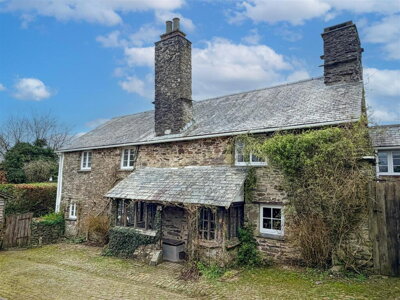
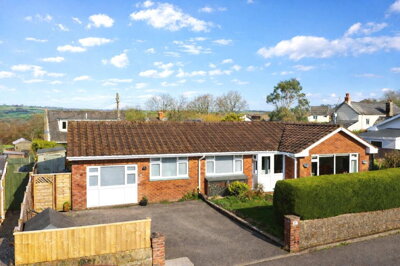
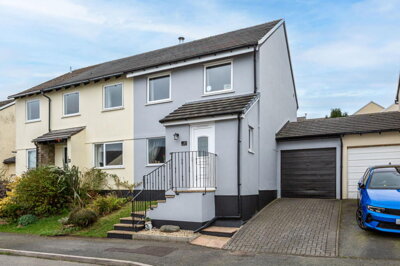
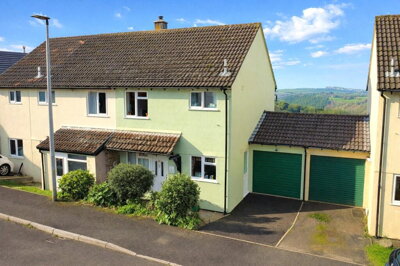
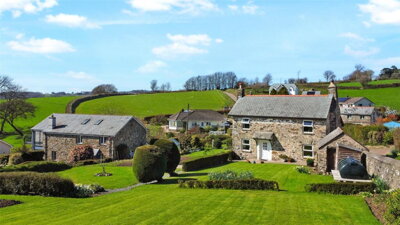
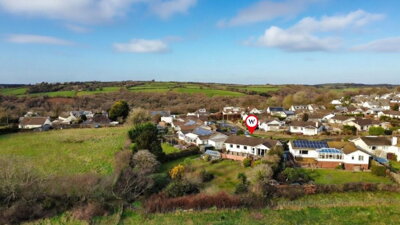
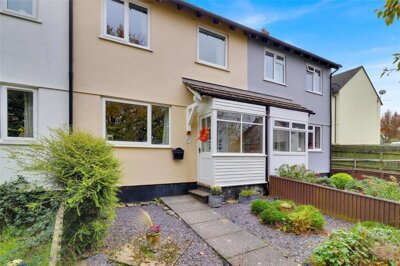
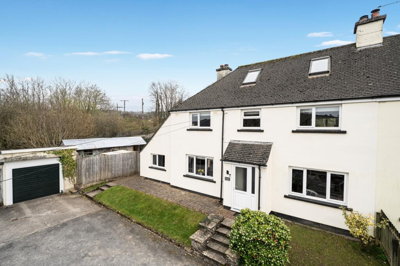
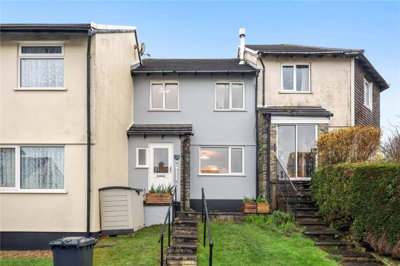
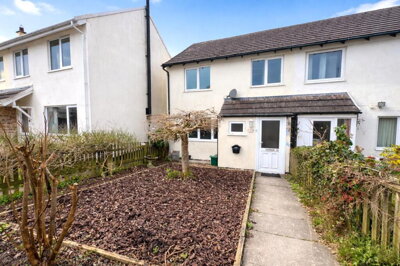
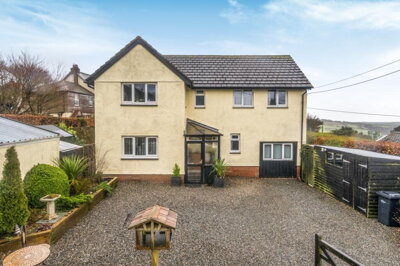
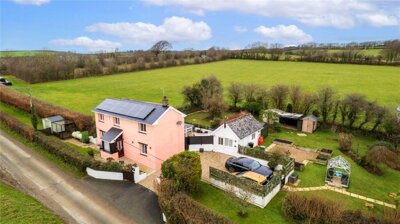
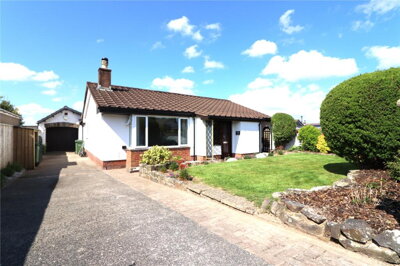
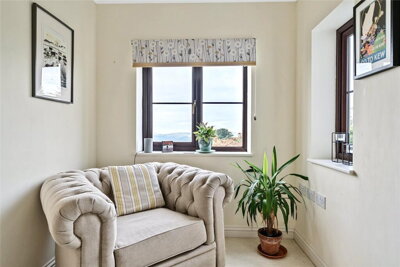
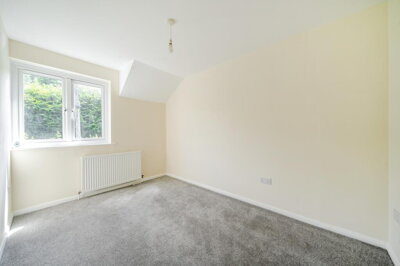
Browse 15 homes for sale in Arlington from local estate agents.
Three bedroom properties represent a significant portion of the Arlington housing market, offering space for families with multiple reception rooms and gardens in many cases. Browse detached, semi-detached, and terraced options ranging from period character homes to contemporary developments.
The North Devon property market has demonstrated resilience through recent economic fluctuations, with the area maintaining stable values across most property types. Detached properties command the highest prices in the region, averaging around £433,000, which reflects the strong demand for spacious family homes with rural views and garden space. Semi-detached properties in North Devon have shown particular strength over the past year, with prices rising by 1.9% to reach approximately £290,000. This increase suggests continued buyer confidence in the area as a long-term residential location rather than merely a holiday destination. Terraced properties, which make up a significant proportion of sales across Devon County at 33.5%, average around £230,000, offering more accessible entry points into the local property market for first-time buyers or those seeking a smaller footprint.
Within Arlington specifically, the property stock skews toward the older and more distinctive. The presence of listed buildings, including a notable Grade II Listed farmhouse within the village, means that period properties form the backbone of the local market rather than modern developments. New build activity in Arlington remains limited, with no active developments identified within the village itself. Across Devon County, new homes represent only 2.5% of total sales, with an average price of £374,000, so buyers seeking newly constructed properties may need to consider surrounding towns or accept that Arlington's charm lies in its historic architecture. The broader Devon market saw 15,500 property sales in the twelve months to December 2025, though this represented a 15.6% decrease compared to the previous year, suggesting a normalisation following the heightened activity of recent years.
The sales data for Devon County reveals the type of properties that dominate the local market. Detached homes account for 28.7% of all sales, with semi-detached properties making up 22.8% and flats representing 14.9% of transactions. In Arlington itself, the proportion of detached properties and period homes is significantly higher than these county averages would suggest, since the village lacks the flat developments found in larger towns. Understanding these proportions helps buyers calibrate their expectations when searching for property in the area, particularly if they are relocating from urban areas where different property types predominate.

Arlington occupies a tranquil position in the heart of North Devon, surrounded by rolling farmland and close to Exmoor National Park. The village takes its name from its historic connection to the Arlington estate, with Arlington Court standing as the jewel in the area's heritage crown. This National Trust property, set in extensive grounds, draws visitors throughout the year and provides local residents with easy access to formal gardens, woodland walks, and a glimpse into centuries of regional history. The presence of such a significant historic property helps maintain Arlington's character as a place that has preserved its traditional architecture and landscape, rather than succumbing to the modern development that has altered so many other rural locations across England.
The village itself, while small, maintains an active community spirit with connections to nearby towns for everyday amenities. Residents typically travel to surrounding towns such as South Molton, Barnstaple, or Tiverton for larger shopping trips, schools, and medical facilities, while local pubs and farm shops serve the immediate community. The surrounding countryside offers exceptional walking and riding, with the Two Moors Way and numerous other public footpaths crisscrossing the farmland and moorland edges. North Devon's coastline, including the beaches of Saunton, Woolacombe, and Croyde, lies within reasonable driving distance, making Arlington a practical base for those who enjoy coastal recreation alongside rural living. The pace of life here reflects the unhurried nature of the landscape, with community events and local traditions continuing to bind residents together in the way that village life should.
The local economy around Arlington revolves primarily around agriculture, tourism linked to Arlington Court and the wider Exmoor area, and service industries serving the resident population. Small holdings and farms in the surrounding parish contribute to the agricultural character of the area, with livestock farming particularly evident in the rolling fields visible from the village. Local farm shops and markets provide opportunities to purchase fresh, locally produced food, supporting both the rural economy and the sense of community that characterises village life in this part of North Devon.
Community facilities in Arlington itself remain modest, as befits a village of its size, but the essential services are accessible. The nearest primary school is located in a neighbouring village, and the post office and shop facilities in nearby South Molton serve the wider parish. For healthcare, residents typically register with practices in the market towns, with the North Devon District Hospital in Barnstaple providing hospital services for the area. The sense of belonging that comes from living in a small, established community often compensates for the need to travel for larger services, and many residents find this trade-off entirely worthwhile.

Education provision for Arlington residents centres on nearby primary schools in the surrounding villages and towns, with families typically travelling short distances to reach their chosen school. Primary aged children in the area often attend schools in villages such as East Down, Filleigh, or the market town of South Molton, where several primary schools serve the local population with good reputations for pastoral care and academic progress. The rural nature of the catchment areas means that school transport arrangements are well established, with Devon County Council providing routes that connect village communities to their designated schools. Parents buying property in Arlington should verify current catchment boundaries and admissions policies with the local education authority, as these can change and may influence which schools serve specific addresses.
Secondary education in North Devon centres on the market town of Barnstaple, which hosts several secondary schools including some with sixth form provision. Schools in Barnstaple serve a wide catchment area spanning the entire district, and Arlington falls within their sphere of influence for secondary placement. For families considering private education, limited options exist within North Devon itself, though several well-regarded preparatory schools serve the wider region. Families moving to Arlington from further afield often cite the quality of North Devon state schools as a pleasant surprise, with the area offering a more personal educational experience than larger towns while maintaining solid academic standards. University options include the nearby University of Exeter and University of Plymouth, both accessible for day travel or as residential bases for older students.
The travel time to secondary schools in Barnstaple from Arlington typically ranges from 20 to 35 minutes by car, depending on the specific school and traffic conditions. This journey forms part of the daily routine for many Arlington families with secondary aged children, and school transport may be available for those who qualify. The schools in Barnstaple have established reputations for strong results at GCSE and A-Level, with some offering a broader range of extracurricular activities than smaller rural schools can provide. For families prioritising educational outcomes alongside rural living, this combination of primary school accessibility in nearby villages and secondary provision in a thriving market town represents a practical arrangement.
Arlington's position in North Devon means that private transport forms the primary means of travel for most residents, with the village located along country lanes that connect to the A361 and subsequently to the wider road network. The A361, known as the North Devon Link Road, provides the main artery connecting the district to Junction 27 of the M5 motorway near Tiverton, placing Birmingham and the Midlands within approximately three hours by car. Exeter lies roughly 50 miles to the east, accessible via the A361 and subsequently the M5, making it feasible for occasional commuting or access to international rail connections at Exeter St Davids. The journey time to Exeter by car typically takes around an hour and a quarter, though this naturally varies with traffic conditions on the rural sections of the route.
Public transport options serving Arlington are limited, reflecting the reality for most small North Devon villages. Bus services operate on routes connecting surrounding villages to market towns, though frequencies mean that reliance on private vehicles remains advisable for daily practicalities. The nearest railway stations are at Barnstaple (for the Tarka Line to Exeter) and more distant stations on the mainline network at Tiverton Parkway or Exeter St Davids. For those working remotely or with flexible arrangements, Arlington's rural location becomes less of a constraint, and many residents appreciate the separation from urban pressures that the location provides. Cyclists and walkers benefit from the extensive public rights of way network, while the proximity to Exmoor opens up opportunities for longer rides and hikes without needing to drive to the starting point.
The road network surrounding Arlington requires some consideration for prospective buyers. Country lanes leading to and from the village may be narrow in places, with passing points, and can be affected by the seasonal increase in traffic from tourism and agricultural vehicles. During winter months, some rural roads may be affected by weather conditions more significantly than major routes, though the A361 generally remains accessible throughout the year. Those considering a move to Arlington should factor car ownership into their planning, as it represents a practical necessity for most residents rather than a luxury.
Begin by exploring current listings for Arlington and the surrounding North Devon villages on Homemove. Understand the price points for different property types in the area, from period cottages to farmhouses. Given Arlington's heritage properties and listed buildings, factor in the additional considerations these may bring, including survey requirements and potential planning restrictions.
Before arranging viewings, obtain a mortgage agreement in principle from a lender. This confirms your budget and demonstrates to sellers that you are a serious buyer. For Arlington properties, which may include older constructions with non-standard features, ensure your mortgage advisor is aware of the property type you are considering. First-time buyers should also understand which SDLT relief they may qualify for.
View properties that match your criteria, paying attention to the condition of older constructions, the presence of any listed building status, and the practical aspects of rural living. Ask estate agents about the history of the property, any recent works undertaken, and the typical costs of maintaining properties of that age and construction. Take time to visit the village at different times of day to gauge the community atmosphere.
Once you have agreed a purchase, arrange a RICS Level 2 Survey (Homebuyer Report) for modern properties, or consider a RICS Level 3 Building Survey for older, historic, or listed properties in Arlington. Given the presence of period farmhouses and Grade II Listed buildings in the village, a thorough structural survey is particularly advisable to identify any issues with the fabric of older buildings.
Choose a conveyancing solicitor with experience in rural North Devon properties to handle your legal work. They will conduct searches with the local authority, deal with the Land Registry transfer, and coordinate with your mortgage lender if applicable. For listed buildings, your solicitor should flag any specific requirements related to listed building consent or conservation area regulations.
Once all searches are satisfactory and finances are confirmed, you will exchange contracts and pay your deposit. Completion typically follows within a few weeks, at which point you will receive the keys to your new Arlington home. Allow time for setting up utilities and registering with local services, and enjoy becoming part of the village community.
Properties in Arlington typically date from the 18th and 19th centuries, reflecting the village's agricultural heritage and long history as a settled community. The presence of Arlington Court and other historic properties indicates that listed buildings form part of the local housing stock, meaning buyers should investigate whether their potential new home carries listed status. Grade II Listed buildings are subject to certain planning restrictions regarding alterations and extensions, and owners must obtain consent for significant works even for routine maintenance. These constraints are not prohibitive but require awareness and planning. Older properties in North Devon were often constructed with traditional methods and materials that differ significantly from modern building standards, so understanding the construction and condition of walls, roofs, and foundations becomes essential before committing to a purchase.
Damp represents one of the most common issues identified in older properties across North Devon. Properties built before the widespread use of damp-proof courses can suffer from rising damp, particularly where ground levels have been raised over the years or where ventilation beneath suspended floors has been compromised. Penetrating damp may affect roofs and walls exposed to prevailing weather, and surveyors conducting assessments on Arlington properties typically examine these areas carefully. The stone and cob construction common to the region, while durable, requires regular maintenance of pointing and rendering to prevent water ingress that can lead to structural concerns over time.
Roof conditions frequently require attention on period properties in the Arlington area. Traditional thatch roofing, once common on cottages in North Devon, demands specialist knowledge for maintenance and replacement, with costs significantly exceeding those for conventional slate or tile roofs. Many properties have been re-roofed over the years using different materials, creating junctions and details that may be prone to leaks if not properly executed. The structural integrity of roof timbers should be assessed for signs of beetle activity, fungal decay, or movement that might indicate underlying problems. Given the age of properties in Arlington, a thorough roof inspection by a qualified surveyor forms a crucial part of any purchase assessment.
Electrical systems and plumbing in older properties often require updating to meet modern standards and accommodate contemporary usage patterns. Rewiring a period property represents a significant expense but may be necessary where original installations have deteriorated or where they cannot safely serve modern appliances and heating systems. Similarly, older heating systems based on solid fuel or oil may be less efficient than modern alternatives, and conversion to mains gas (where available) or installation of a heat pump system could form part of a renovation programme. A comprehensive survey should identify the condition and adequacy of these essential services before you commit to a purchase.
Rural properties in Arlington require consideration of practical matters that may not apply in urban settings. Septic tanks and private water supplies are possibilities for some properties away from mains services, bringing maintenance responsibilities and potential costs. Gardens and land, which attract many buyers to Arlington, require ongoing maintenance and may have implications for Council Tax banding. The age of many village properties means that electrical systems, plumbing, and heating installations may require updating to modern standards, and a thorough survey should identify any areas of concern. Flood risk in Arlington itself appears limited based on available data, though the proximity to watercourses and the nature of the local terrain means that properties at lower elevations or near streams should be investigated carefully. Insurance costs for older properties can exceed those for modern equivalents, and some specialist insurers offer products designed for listed buildings and period homes.
When viewing properties in Arlington, pay particular attention to the quality of original features that contribute to the character and value of period homes. Original sash windows, exposed beam ceilings, open fireplaces, and flagstone floors all add to the appeal of historic properties but may require ongoing maintenance to preserve them. Modern replacements, while potentially more energy efficient, can detract from the authenticity of a period property and may affect its listed status if not carefully chosen. Discuss any plans for alterations with your surveyor and, for listed properties, with the local planning authority before proceeding.
The orientation and natural light of a property can significantly affect the enjoyment of a home in Arlington. Many traditional cottages face east or west, providing good natural light at different times of day, while larger farmhouses may have a more formal south-facing aspect. The surrounding landscape, including trees and neighbouring properties, can cast shadows that affect particular rooms, particularly in winter when the sun is lower. These factors are worth assessing during viewings at different times of day and in different seasons where possible.
While specific sales data for Arlington itself is limited due to the village's small size, the broader North Devon market shows an average house price of approximately £287,000 as of December 2025. Detached properties average around £433,000, semi-detached homes approximately £290,000, and terraced properties around £230,000. Properties in Arlington itself, given their period character and larger plots, often sit toward the higher end of these ranges. The market has shown remarkable stability over the past year with minimal price movement, making it a predictable environment for buyers concerned about purchasing at a volatile time.
Properties in Arlington fall under North Devon District Council, which administers Council Tax for the area. Council Tax bands for Arlington properties vary depending on the property's valuation, with period farmhouses and larger detached homes typically falling into higher bands (D through H) while smaller cottages may be in bands A through C. You can check the specific band for any property on the Valuation Office Agency website using the property address. The local Council Tax rate for North Devon District is set annually and forms part of the ongoing cost of owning property in the area. Band D properties in North Devon currently pay around £2,000 annually, though this figure should be verified with the council as it may change.
Primary schools in nearby villages and towns serve Arlington families, with several Good or Outstanding rated schools within easy travelling distance. For secondary education, schools in Barnstaple attract students from across North Devon, and several have strong reputations for academic achievement and extracurricular provision. The area offers a genuinely community-focused educational experience with smaller class sizes than urban alternatives. Parents should verify current Ofsted ratings and admissions criteria, as these can change and directly affect school placement eligibility for specific addresses.
Arlington is best served by private vehicle, as are most small villages in North Devon. Limited bus services connect surrounding villages to market towns, though frequencies are low and may not suit daily commuting needs. The nearest railway station is in Barnstaple, on the Tarka Line connecting to Exeter. For travel further afield, Tiverton Parkway station (on the mainline to London and the North) is approximately 45 minutes away by car. Most Arlington residents accept that car ownership is necessary for practical daily living, while appreciating the trade-off for rural peace and privacy.
Arlington offers several factors that appeal to property investors and buyers seeking long-term value. The stability of the North Devon market, with its modest price fluctuations, suggests that values are unlikely to experience dramatic downturns. The relative scarcity of properties coming to market in such a small village means that demand for available homes tends to remain consistent. Holiday let potential exists given North Devon's tourism appeal, though anyone considering this should understand the relevant planning permissions and tax implications. For owner-occupiers, the quality of life offered by Arlington and its surrounding countryside provides intangible value that defies purely financial measurement.
Stamp Duty Land Tax (SDLT) applies to all purchases in England, including Arlington. Standard rates start at 0% on the first £250,000 of the purchase price, then 5% on the portion from £250,001 to £925,000. Properties priced above £925,000 attract higher rates of 10% and 12% on the remaining value. First-time buyers relief raises the nil-rate threshold to £425,000, with 5% applying between £425,001 and £625,000. Given the prices typical for Arlington's period properties, most purchases will attract some SDLT, and buyers should factor this into their overall budget alongside survey, legal, and moving costs.
From 3.8%
Expert mortgage advice tailored to North Devon properties, including specialist lending for period and listed homes
From £499
Conveyancing solicitors experienced in rural North Devon property transactions
From £350
Comprehensive condition report ideal for modern properties and standard period homes
From £600
Detailed structural survey recommended for older, historic, or listed properties in Arlington
Buying a property in Arlington involves several costs beyond the purchase price itself, and understanding these from the outset helps you budget accurately. Stamp Duty Land Tax represents the most significant additional cost for most buyers, and the rates applicable depend on the property price, your purchasing history, and whether you qualify as a first-time buyer. For a typical Arlington property priced at, say, £400,000, a standard buyer would pay no SDLT on the first £250,000 and then 5% on the remaining £150,000, totalling £7,500. First-time buyers on the same purchase would pay no SDLT, as the entire amount falls within the £425,000 threshold for first-time buyer relief. At higher price points, such as a period farmhouse at £600,000, standard buyers would pay £12,500 in SDLT, while first-time buyers would pay £8,750.
Survey costs should also be factored into your buying budget, particularly for Arlington's older properties. A RICS Level 2 Survey (Homebuyer Report) typically starts from around £350 for smaller properties and provides a thorough assessment of condition, highlighting any defects that require attention. For the older, potentially listed properties common in Arlington, a RICS Level 3 Building Survey may prove more appropriate despite its higher cost, as it provides a more detailed examination of structural issues and construction methods specific to period buildings. Conveyancing fees for a property purchase in North Devon generally start from around £500 to £1,000 depending on complexity, with additional costs for local authority searches, Land Registry fees, and disbursements. Buildings insurance must be in place from the point of exchange, and you should also budget for moving costs and any immediate repairs or improvements you plan to undertake once in your new home.
Local authority searches with North Devon District Council and Devon County Council form a standard part of the conveyancing process and typically cost between £200 and £400 in total. These searches investigate planning history, building control records, highways and environmental matters, and any conservation area or listed building designations that apply to the property. For properties in Arlington, the search results may reveal information about Arlington Court or other local heritage assets that could affect the property or its surroundings. Additional search packs may be required depending on the specific location of the property, with drainage and water searches typically completed through the relevant utility companies.
Properties for Sale In London

Properties for Sale In Plymouth

Properties for Sale In Liverpool

Properties for Sale In Glasgow

Properties for Sale In Sheffield

Properties for Sale In Edinburgh

Properties for Sale In Coventry

Properties for Sale In Bradford

Properties for Sale In Manchester

Properties for Sale In Birmingham

Properties for Sale In Bristol

Properties for Sale In Oxford

Properties for Sale In Leicester

Properties for Sale In Newcastle

Properties for Sale In Leeds

Properties for Sale In Southampton

Properties for Sale In Cardiff

Properties for Sale In Nottingham

Properties for Sale In Norwich

Properties for Sale In Brighton

Properties for Sale In Derby

Properties for Sale In Portsmouth

Properties for Sale In Northampton

Properties for Sale In Milton Keynes

Properties for Sale In Bournemouth

Properties for Sale In Bolton

Properties for Sale In Swansea

Properties for Sale In Swindon

Properties for Sale In Peterborough

Properties for Sale In Wolverhampton

Enter your details to see if this property is within your budget.
Loans, cards, car finance
Estimated property budget
Borrowing + deposit
You could borrow between
Typical borrowing
Monthly repayment
Est. at 4.5%
Loan-to-value
This is an estimate only. Your actual budget may vary depending on interest rates, credit history, and personal circumstances. For an accurate affordability assessment, speak to one of our free mortgage advisors.
This calculator provides estimates for illustrative purposes only and does not constitute financial advice. Your home may be repossessed if you do not keep up repayments on your mortgage. Estimates based on 4.5% interest rate, repayment mortgage. Actual rates depend on your circumstances.
Homemove is a trading name of HM Haus Group Ltd (Company No. 13873779, registered in England & Wales). Homemove Mortgages Ltd (Company No. 15947693) is an Appointed Representative of TMG Direct Limited, trading as TMG Mortgage Network, which is authorised and regulated by the Financial Conduct Authority (FRN 786245). Homemove Mortgages Ltd is entered on the FCA Register as an Appointed Representative (FRN 1022429). You can check registrations at NewRegister or by calling 0800 111 6768.

We use cookies to show you personalised content and improve your experience of our website. Find out more in our Privacy policy and Cookie policy.