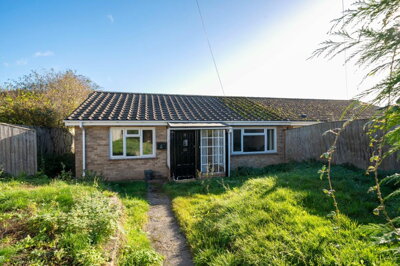
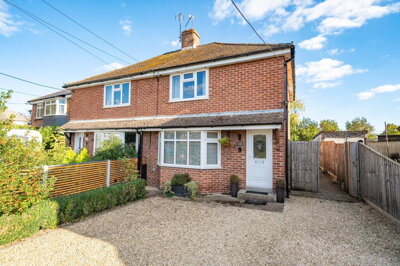
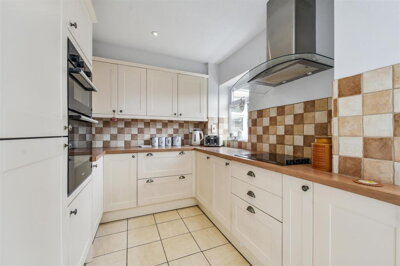
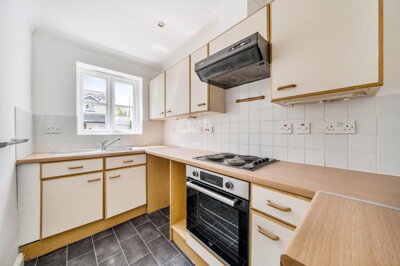
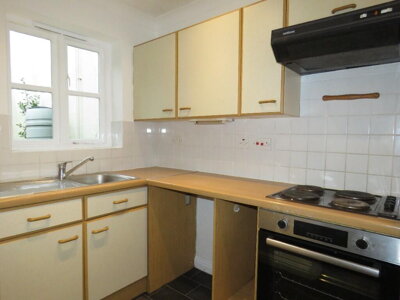
Browse 9 homes for sale in Appleshaw, Test Valley from local estate agents.
The 2 bed house market features detached, semi-detached, and terraced properties with two separate bedrooms plus living spaces. Properties in Appleshaw range from Victorian and Edwardian period homes to modern new builds, with pricing varying across different neighbourhoods.
£425k
1
0
18
Source: home.co.uk
Showing 1 results for 2 Bedroom Houses for sale in Appleshaw, Test Valley. The median asking price is £425,000.
Source: home.co.uk
Semi-Detached
1 listings
Avg £425,000
Source: home.co.uk
Source: home.co.uk
The Appleshaw property market demonstrates steady growth and resilience, with property values increasing by 6.25% over the past 12 months in the SP11 9 postcode area. This performance outpaces the broader SP11 region, which recorded a more modest 0.3% increase during the same period, indicating strong demand for homes specifically within this village setting. The market benefits from limited supply, with only 4 property transactions completing in the village over the past year, creating competitive conditions for prospective buyers who appreciate the area's unique character.
Property types in Appleshaw skew heavily towards detached and semi-detached homes, reflecting the village's rural character and generous plot sizes. Detached properties command an average price of £750,000, offering substantial living space and gardens that appeal to families seeking room to grow. Semi-detached homes average £450,000, providing an accessible entry point to village life without sacrificing the quality of life that Appleshaw offers. Terraced properties average £350,000, though these are less common in the village's predominantly spacious housing stock. The broader SP11 area, including nearby Andover, shows more varied pricing with detached homes at £525,116, semi-detached at £317,766, terraced at £260,865, and flats at £165,856.
New build activity within Appleshaw village itself remains limited, as development opportunities in this Conservation Area are tightly controlled to preserve the village's historic character. Prospective buyers interested in newer construction may wish to broaden their search to the wider SP11 area, particularly around Andover, where larger developments offer contemporary homes with modern specifications. However, for buyers prioritising authentic rural charm and heritage, the existing period properties in Appleshaw represent an exceptional opportunity to acquire a home with genuine character and history.
The village's proximity to the A303 corridor makes it particularly attractive to commuters who work in Southampton, Basingstoke, or the wider Hampshire region but prefer countryside living. This strategic location, combined with the village's Conservation Area status and limited supply of available properties, continues to support strong pricing and competitive market conditions for homes in Appleshaw.

Appleshaw is a village that has preserved its traditional English character while offering residents a comfortable, modern lifestyle. With a population of approximately 487 people according to the 2011 census, the community maintains an intimate, village atmosphere where neighbours know one another and local events bring the community together. The village density of just 19 people per square kilometre reflects the generous spacing and green spaces that define this peaceful corner of Hampshire. This low density contributes to the sense of tranquillity that makes Appleshaw particularly attractive to families and those seeking a slower pace of life away from urban congestion.
The local amenities in Appleshaw include a primary school serving young families, a village hall that hosts community events and activities, and a traditional public house where residents gather for social occasions. The Walnut Tree pub, a Grade II listed building, represents the kind of historic establishment that anchors community life in English villages. Just two miles away, Hilliers food hall and garden centre provides additional shopping opportunities and draws visitors from across the region to its renowned plant selection and quality produce. The village sits on the border of the North Wessex Downs Area of Outstanding Natural Beauty, offering residents immediate access to some of Hampshire's most spectacular rolling countryside, walking trails, and rural pursuits.
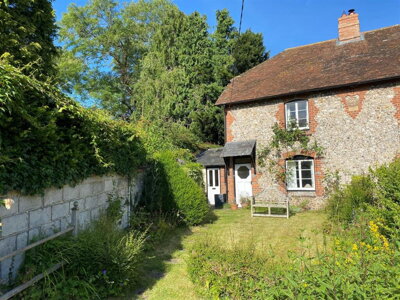
The architecture throughout Appleshaw showcases the traditional building methods that have defined Hampshire villages for centuries. Properties commonly feature brick and flint walls, often with thatched or slate roofs that lend the village its characteristic appearance. The village contains several notable historic buildings, including St. Peter's Church dating from the 12th century, Park Farm House from the 16th century, and The Old Rectory from the mid-18th century. Buildings such as Orchard House, Hillside House, Queen Anne Cottage, and James I Cottage showcase external exposed timber beams and other period features that reflect the craftsmanship of earlier generations. The presence of these historic structures throughout the village creates an environment where architectural heritage is valued and protected through Conservation Area designation.
The hamlet of Ragged Appleshaw, situated within the wider parish, represents a quieter pocket of residential development that offers additional housing options for those drawn to the area's rural character. Post-war construction in the hamlet provides a contrast to the older period properties, offering practical family homes without the maintenance considerations associated with listed buildings or historic structures. Residents of both the main village and the hamlet benefit from the same access to community facilities and the outstanding natural landscape of the surrounding countryside.
Education provision in Appleshaw centres on the village primary school, which serves families with children of primary school age and provides a strong foundation for young learners in a supportive, community-focused environment. The small class sizes typical of village schools allow teachers to provide individual attention and support, helping children develop both academically and socially. Parents frequently cite the nurturing environment and strong pastoral care as key advantages of village primary schools over larger urban alternatives. For families considering a move to Appleshaw, the presence of a local primary school within walking distance adds significant convenience and reinforces the village's appeal as a family-friendly location.
Secondary education options require travel to nearby towns, with Andover offering several secondary schools serving the Appleshaw catchment area. Families should research specific school catchments and admission arrangements, as these can vary and may influence property values in particular streets or neighbourhoods. The nearby towns also provide access to grammar schools for families whose children meet the selection criteria, offering an alternative educational pathway for academically able students. Transport arrangements to secondary schools are well established, with school bus services connecting Appleshaw to secondary schools in the surrounding area.
For families considering higher education, Appleshaw's location provides reasonable access to sixth form colleges and further education institutions in Andover, Basingstoke, and Winchester. The village's road connections also facilitate travel to universities in Southampton, Portsmouth, and Reading, making it feasible for older students to commute from home while pursuing undergraduate degrees. Families moving to Appleshaw from further afield should note that school admissions in Hampshire operate on a catchment area basis, and early research into local school provision is advisable before committing to a property purchase.
When evaluating schools for children, parents should consult the latest Ofsted reports and performance data available through the government website. Hampshire's education authority maintains detailed information about school capacities, admission cut-off distances, and transport arrangements that can help families make informed decisions about where to focus their property search within the Appleshaw area.
Appleshaw enjoys excellent road connectivity that makes commuting and accessing regional amenities straightforward for residents with private vehicles. The village sits near the A303, one of Hampshire's most important arterial routes, providing direct access to the M3 motorway at junction 8 near Basingstoke. This connection opens routes to London, Southampton, and the south coast, making Appleshaw a viable base for professionals who work in larger towns or cities but prefer countryside living. Journey times to major employment centres are competitive, with the south of England accessible within reasonable driving distances.
Public transport options in this rural village are limited compared to urban areas, reflecting the nature of village life in the Hampshire countryside. Bus services connect Appleshaw to Andover, providing access to the town's railway station, shops, and additional amenities. Andover railway station offers connections to major destinations including London Waterloo, with journey times of approximately 75 minutes to the capital. Residents without private vehicles should carefully consider public transport availability when planning a move to Appleshaw and factor in the practicalities of accessing services that require travel to neighbouring towns.
For those who cycle, the Hampshire countryside offers scenic routes through village lanes and connecting paths, though the undulating terrain requires varying fitness levels. Walking is popular for local journeys, with many residents walking to the village pub, school, and community facilities rather than driving. The proximity to the North Wessex Downs provides extensive walking opportunities for recreation, with trails crossing farmland, through woodland, and across chalk downland that showcase the natural beauty of the region.
The A303 corridor that serves Appleshaw provides access to a wide range of employment opportunities, retail centres, and leisure facilities throughout the region. Residents regularly travel to Basingstoke for shopping and entertainment, to Southampton for its maritime facilities and cultural attractions, and to Winchester for its historic city centre and additional rail connections. The strategic positioning of Appleshaw makes it an ideal location for those who wish to enjoy rural living without sacrificing access to urban employment and amenities.
Before viewing properties, spend time in Appleshaw at different times of day and week to understand the village atmosphere, noise levels, and community spirit. Visit local amenities including the village pub, school, and community hall to gauge whether the area suits your lifestyle. Consider factors such as your daily commute requirements and proximity to family and friends. Walk the village lanes to appreciate the architectural character and note the proximity of neighbouring properties to any homes you are considering.
Obtain a mortgage agreement in principle from a lender before beginning your property search. This demonstrates your seriousness to sellers and estate agents and helps you understand your budget. Factor in additional costs including Stamp Duty, solicitor fees, survey costs, and moving expenses when calculating how much you can afford to spend on your new home. For properties at the Appleshaw average of £637,500, a standard buyer would pay approximately £19,375 in Stamp Duty, while first-time buyers would pay around £10,625 under current thresholds.
Use Homemove to browse all available properties in Appleshaw, setting up alerts to be notified when new homes matching your criteria come to market. Work with local estate agents who have knowledge of the village and surrounding area, as properties in small villages often sell through local connections rather than national portals. Given the limited supply of just 4 property sales in the past year, acting quickly when a suitable property becomes available is advisable in this competitive market.
Once you find a property you love, arrange a viewing and visit at least twice to see the home in different conditions and light. For any property you seriously consider, commission a RICS Level 2 Survey to identify any structural issues or defects. Given Appleshaw's mix of historic and modern properties, surveys are particularly important for period homes that may have hidden defects related to age, construction type, or environmental factors. A thorough survey will assess the condition of brick and flint walls, thatched or slate roofs, and potential issues arising from the clay soils present in parts of Hampshire.
Appoint a conveyancing solicitor with experience in Hampshire property transactions to handle the legal aspects of your purchase. Your solicitor will conduct searches, handle contracts, and coordinate with your mortgage lender to ensure a smooth transaction. Given the number of listed buildings and Conservation Area restrictions in Appleshaw, ensure your solicitor is familiar with the implications of these designations. On completion, you will receive the keys to your new home in Appleshaw.
Properties in Appleshaw require careful inspection due to the village's mix of historic and modern construction. Many homes feature traditional building methods including brick and flint walls, thatched or slate roofs, and exposed timber beams that form part of the property's charm but may require specialist maintenance. When viewing period properties, look carefully for signs of damp, particularly in older buildings that may lack modern damp-proof courses. Roof conditions warrant close attention, as thatched roofs have limited lifespans and replacement costs can be substantial. Outdated electrical wiring and plumbing are common concerns in older properties and should be assessed by qualified professionals.
The presence of clay soils in parts of Hampshire means that some properties in the Appleshaw area may be susceptible to shrink-swell movement, which can cause subsidence or heave if foundations are inadequate or drainage is poor. Look for signs of cracking in walls, sticking doors or windows, and uneven floors that might indicate structural movement. A thorough RICS Level 2 Survey will identify these issues and help you negotiate an appropriate price adjustment or require the seller to address defects before completion. The chalk bedrock prevalent in the North Wessex Downs area is generally stable, but localised variations in soil conditions warrant professional assessment.
Appleshaw is designated as a Conservation Area, and many properties are Grade II listed, meaning any alterations or extensions require planning permission and potentially Listed Building Consent from Test Valley Borough Council. Before purchasing, understand the implications of these designations for your plans for the property. Restrictions may apply to external paint colours, window replacements, and modifications to preserve the village's historic character. Factor these considerations into your decision-making process, particularly if you anticipate wanting to modernise or extend your home in the future. Specialist surveys for listed buildings may be advisable given the unique construction and historical significance of these properties.
The village's historic buildings, including those dating from the 12th, 16th, and 18th centuries, represent a significant part of Appleshaw's character but bring specific maintenance considerations. Properties with external exposed timber beams, for example, require regular inspection and treatment to prevent rot or woodworm infestation. Flint walls, while highly durable, can be susceptible to crumbling in areas where mortar has deteriorated. Understanding these construction characteristics and their implications for ongoing maintenance costs is essential before committing to a purchase in Appleshaw's heritage properties.
The average property value in Appleshaw (SP11 9) stands at £637,500 as of February 2026, with property values increasing by 6.25% over the past 12 months. Detached properties average £750,000, semi-detached homes command around £450,000, and terraced properties average approximately £350,000. The broader SP11 postcode area shows lower averages due to the inclusion of Andover town properties, with detached homes at £525,116 and flats at £165,856. The strong performance of Appleshaw prices compared to the wider area reflects the premium buyers place on village character and the limited supply of properties in this sought-after location.
Properties in Appleshaw fall under Test Valley Borough Council, which sets council tax rates for the village. Council tax bands in Hampshire range from Band A for lower-value properties up to Band H for the highest-value homes. Given the village's property prices and the prevalence of larger detached homes, many properties in Appleshaw fall into Bands E through G. You can check the specific band for any property through the Valuation Office Agency website using the property address.
Appleshaw has a local primary school serving young families, providing education for children up to approximately age 11 in a village setting with small class sizes and strong community involvement. Secondary school options are available in nearby Andover, with several secondary schools serving the Appleshaw catchment area and providing transport for village residents. Families should research specific school catchments, Ofsted ratings, and admission arrangements when considering a move to Appleshaw, as school performance and catchment boundaries can influence both education quality and property values.
Public transport options in Appleshaw reflect its rural village status, with bus services providing connections to Andover where residents can access the railway station for services to London Waterloo. Andover station offers journey times of approximately 75 minutes to the capital, making it feasible for some commuters to travel by rail. However, residents without private vehicles should carefully consider the practicalities of relying on public transport for daily commuting and essential journeys, as services may be less frequent than in urban areas.
Appleshaw presents a compelling case for property investment, with values increasing by 6.25% over the past 12 months, outpacing the broader SP11 area. The village's Conservation Area status and limited development opportunities help maintain property values by preserving the village's character and restricting new supply. The strong demand for rural homes with good access to major road networks supports capital growth potential. However, buyers should note that the small village size means limited rental demand compared to larger towns, making Appleshaw more suitable for those planning to live in the property rather than generate rental income.
Stamp Duty Land Tax rates for residential properties (2024-25) are 0% on the first £250,000, 5% on £250,001 to £925,000, 10% on £925,001 to £1.5 million, and 12% on amounts above £1.5 million. First-time buyers benefit from relief on the first £425,000, with 5% charged between £425,001 and £625,000. For an average Appleshaw property at £637,500, a standard buyer would pay £19,375 in Stamp Duty, while a first-time buyer would pay £10,625. Always verify current rates with HMRC or your solicitor, as thresholds may change in future Budgets.
Appleshaw benefits from a very low risk of river and sea flooding, making it a relatively safe location for property purchase from a flooding perspective. The village has a low risk of surface water flooding, though this can vary by specific location within the parish. We recommend checking the Gov.uk flood risk maps for any specific property address and reviewing the Environment Agency's flood warnings for the area. A RICS Survey will also flag any specific flood-related concerns for individual properties.
As a designated Conservation Area, Appleshaw has specific planning controls that affect what owners can do with their properties. External modifications, including changes to windows, doors, roof materials, and exterior paint colours, may require planning permission from Test Valley Borough Council. Many properties in the village are also Grade II listed, which imposes additional requirements for Listed Building Consent before any alterations to the building's character or structure. These designations protect the village's historic appearance but mean that renovation projects require careful planning and potentially longer approval timescales than in non-designated areas.
Period properties in Appleshaw, including those with brick and flint construction, exposed timber beams, and thatched or slate roofs, require ongoing maintenance that differs from modern homes. Thatched roofs typically last 15-40 years depending on materials and maintenance, with replacement representing a significant cost that should be factored into purchase decisions. Properties lacking modern damp-proof courses may show signs of rising damp, particularly in solid brick walls. Timber-framed buildings require vigilance for woodworm and rot in exposed beams. Flint wall maintenance involves repointing crumbling mortar to prevent water ingress. A thorough survey by a qualified professional experienced in historic properties is essential before purchasing any period home in Appleshaw.
From 4.5% APR
Expert mortgage advice tailored to your circumstances
From £499
Specialist solicitors for your Appleshaw property purchase
From £400
Essential survey for properties in Appleshaw
From £85
Energy performance certificate for your new home
Beyond the property purchase price, buyers in Appleshaw should budget for additional costs that can significantly impact the total investment required. Stamp Duty Land Tax represents the largest additional cost, with rates of 0% on the first £250,000, rising to 5% on the portion between £250,001 and £925,000. For the average Appleshaw property at £637,500, a standard buyer would pay £19,375 in Stamp Duty. First-time buyers benefit from increased thresholds, paying 0% on the first £425,000 and 5% on amounts between £425,001 and £625,000, resulting in Stamp Duty of £10,625 for an average-priced home.
Professional costs typically include conveyancing fees of £500 to £1,500 depending on the complexity of the transaction, with additional disbursements for searches, Land Registry fees, and title registration. A RICS Level 2 Survey costs between £400 and £1,000 depending on property size and value, while an Energy Performance Certificate is mandatory and typically costs £85 to £120. Moving costs, including removal services, can add £500 to £2,000 depending on the volume of belongings and distance moved. Building insurance must be in place from the point of completion, and buyers should factor in ongoing maintenance costs for period properties.
Financial preparation is essential before beginning your Appleshaw property search. We recommend obtaining a mortgage agreement in principle before viewing properties, as this demonstrates your buying capacity and strengthens your position when making an offer. Mortgage arrangement fees typically range from £0 to £2,000 depending on the lender and product chosen, though many brokers offer fee-free mortgages. For properties in this price range, a deposit of at least 15% to 25% will secure the most competitive mortgage rates, with larger deposits often resulting in better deals. Budget carefully and consult with a financial advisor to ensure you understand the full cost of purchasing your new home in Appleshaw.

Properties for Sale In London

Properties for Sale In Plymouth

Properties for Sale In Liverpool

Properties for Sale In Glasgow

Properties for Sale In Sheffield

Properties for Sale In Edinburgh

Properties for Sale In Coventry

Properties for Sale In Bradford

Properties for Sale In Manchester

Properties for Sale In Birmingham

Properties for Sale In Bristol

Properties for Sale In Oxford

Properties for Sale In Leicester

Properties for Sale In Newcastle

Properties for Sale In Leeds

Properties for Sale In Southampton

Properties for Sale In Cardiff

Properties for Sale In Nottingham

Properties for Sale In Norwich

Properties for Sale In Brighton

Properties for Sale In Derby

Properties for Sale In Portsmouth

Properties for Sale In Northampton

Properties for Sale In Milton Keynes

Properties for Sale In Bournemouth

Properties for Sale In Bolton

Properties for Sale In Swansea

Properties for Sale In Swindon

Properties for Sale In Peterborough

Properties for Sale In Wolverhampton

Enter your details to see if this property is within your budget.
Loans, cards, car finance
Estimated property budget
Borrowing + deposit
You could borrow between
Typical borrowing
Monthly repayment
Est. at 4.5%
Loan-to-value
This is an estimate only. Your actual budget may vary depending on interest rates, credit history, and personal circumstances. For an accurate affordability assessment, speak to one of our free mortgage advisors.
This calculator provides estimates for illustrative purposes only and does not constitute financial advice. Your home may be repossessed if you do not keep up repayments on your mortgage. Estimates based on 4.5% interest rate, repayment mortgage. Actual rates depend on your circumstances.
Homemove is a trading name of HM Haus Group Ltd (Company No. 13873779, registered in England & Wales). Homemove Mortgages Ltd (Company No. 15947693) is an Appointed Representative of TMG Direct Limited, trading as TMG Mortgage Network, which is authorised and regulated by the Financial Conduct Authority (FRN 786245). Homemove Mortgages Ltd is entered on the FCA Register as an Appointed Representative (FRN 1022429). You can check registrations at NewRegister or by calling 0800 111 6768.

We use cookies to show you personalised content and improve your experience of our website. Find out more in our Privacy policy and Cookie policy.