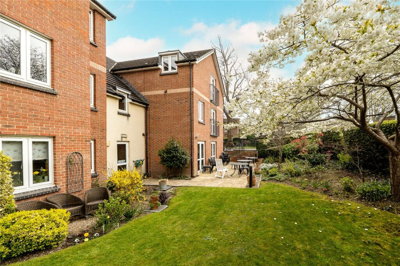
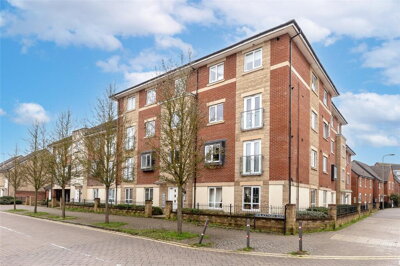
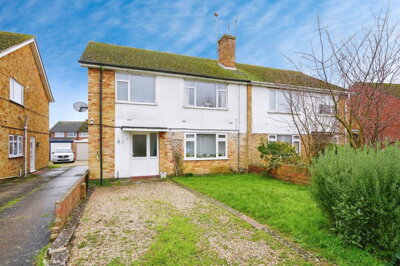
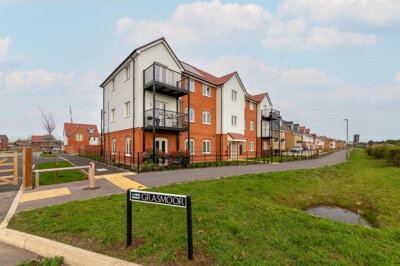
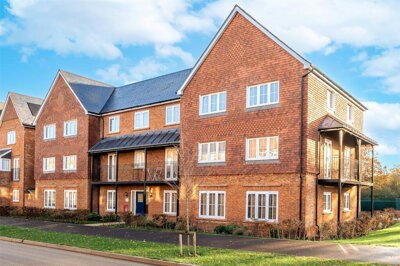
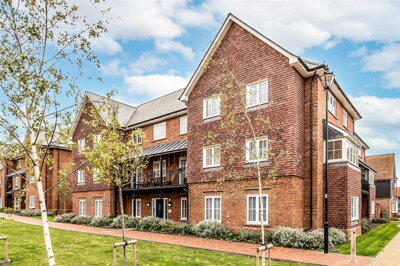
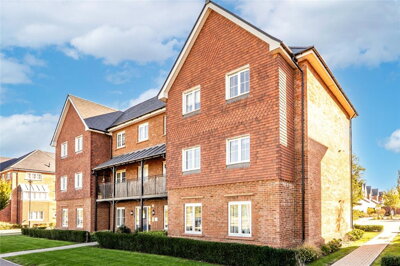
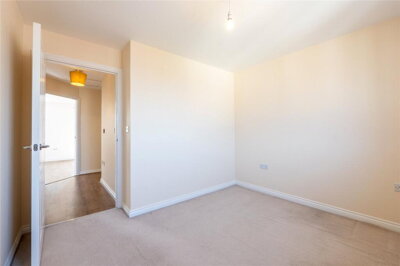
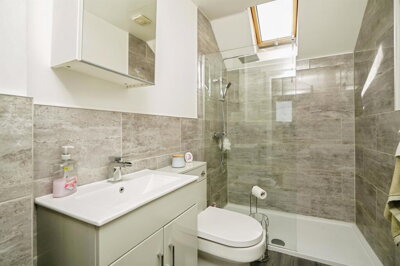
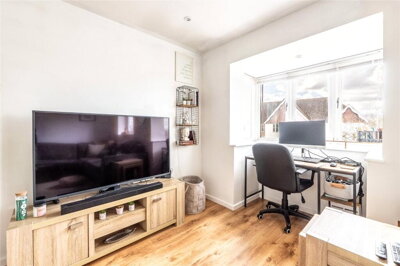
Browse 13 homes for sale in Appleford-on-Thames from local estate agents.
The 2 bed flat sector typically includes two separate bedrooms, dedicated living areas, and bathroom facilities. Properties in Appleford On Thames span purpose-built blocks, converted period houses, and modern apartment complexes on various floors.
The Appleford-on-Thames property market has experienced notable price corrections in recent years, creating opportunities for buyers who are patient and well-informed. House prices in the village were 15% down on the previous year and sit 57% below the 2020 peak of £1,086,250, according to recent market analysis. This adjustment has brought properties more within reach for first-time buyers and growing families who previously found the market beyond their budget. Our data shows detached properties averaging £495,000, while semi-detached homes have sold at an average of £635,536 since 2018, though Rightmove records for the Appleford Station area show semi-detached prices closer to £502,500. Terraced properties in the village average £393,000, offering a more accessible entry point to this desirable Thameside location.
New build activity directly within Appleford-on-Thames remains limited, with most development concentrated in nearby towns such as Didcot and Harwell. While national housebuilders like David Wilson Homes and Taylor Wimpey reference the Appleford area in their marketing, their active developments are typically located in neighbouring communities. The nearest new build options can be found in areas like Harwell and Didcot, where larger housing developments offer modern construction and energy-efficient designs. For buyers specifically seeking new build properties within the village itself, the market may require patience or consideration of off-plan opportunities as planning applications progress through the local authority.
The housing stock in Appleford-on-Thames reflects its historic character, with a significant proportion of properties dating from the 18th and 19th centuries alongside more recent additions. Traditional construction methods including brick and tile are common for residential properties, while the older listed buildings showcase the craftsmanship of earlier builders. The presence of cob walls, particularly notable at properties near Manor Farmhouse, indicates the use of traditional earth-building techniques that are characteristic of the Thames Valley region. These older properties often feature generous room sizes and high ceilings compared to modern constructions, though they may require more maintenance and specialist care.

Life in Appleford-on-Thames revolves around the rhythms of a traditional English village, where community spirit and rural tranquility define daily existence. The population of 353 residents creates an intimate atmosphere where neighbours recognise one another and local events bring the community together. The village hall serves as a focal point for gatherings, from parish council meetings to village celebrations and private hire events. The Women's Institute maintains an active programme of talks, crafts, and social evenings, providing regular opportunities for residents to connect and build lasting friendships. The Carpenter's Arms public house offers a welcoming environment for casual dining and a focal point for village social life, with its traditional setting and locally sourced menu reflecting the best of Oxfordshire hospitality.
The village's position on the south bank of the River Thames shapes both its character and the lifestyle available to residents. The Thames Path passes through the village, offering scenic walks along the riverbank that attract visitors from across the region, particularly during the summer months when the waterway comes alive with kayakers, rowers, and pleasure boats. Appleford's history as a ford crossing point on the Thames has given the village its distinctive name and a heritage that is celebrated in local accounts and reflected in the architecture of the older properties. The presence of numerous listed buildings, including cottages dating back centuries with their cob walls and thatched roofs, creates a streetscape of considerable charm that has been carefully preserved through successive generations. Historic buildings like Manor Farmhouse, The Tythe Barn, and Eyston Barn showcase the village's agricultural past and ongoing commitment to heritage conservation, with their preservation reflecting the community's dedication to maintaining its distinctive character.
Day-to-day life in Appleford-on-Thames benefits from the proximity to larger towns while maintaining its village identity. Residents typically travel to Didcot for primary shopping needs, including supermarkets, pharmacies, and high street banking services. Abingdon, approximately 4 miles away, offers additional amenities including a weekly market, independent shops, and a wider range of dining options. The nearby towns also provide access to healthcare facilities, with GP surgeries and dental practices in Didcot and Abingdon serving the village population. For more comprehensive retail therapy or entertainment, Oxford city centre is accessible by train or car, offering theatres, museums, and major shopping centres that complement the local provision.

Families considering a move to Appleford-on-Thames will find a selection of educational options available in the surrounding area, with primary and secondary schools within reasonable travelling distance. The village falls within the catchment area for schools in the Vale of White Horse district, and parents should research individual school allocations when considering specific properties. Primary education is available at nearby village schools, with several outstanding and good-rated primaries located within a short drive of Appleford. The Church of England Primary School in nearby Sutton Courtenay serves families seeking a faith-based education, while community primaries in Didcot and Abingdon provide additional options for families who are prepared to travel or require before and after-school transport arrangements.
Secondary education options in the area include comprehensive schools in Didcot, Abingdon, and surrounding towns, with several offering sixth form provision for students continuing their education post-16. Didcot School provides secondary education with strong academic programmes, while Abingdon School and Larkmead School in Abingdon offer alternative options for families seeking different educational approaches. For parents considering private education, Oxfordshire has several well-regarded independent schools, with St Edward's School and Dragon School in Oxford being notable options for families willing to make the commute. Families should always verify current school performance data, catchment areas, and admissions policies through Oxfordshire County Council and the individual school websites, as these can change and may influence property values in specific streets or neighbourhoods.
For families with younger children, nursery and preschool facilities in the surrounding villages and towns provide early years education from a young age. Several village primaries in the area offer their own reception classes, while private nurseries in Didcot provide full-time and part-time childcare options for working parents. The availability of wraparound care, including breakfast clubs and after-school clubs, varies by school and can be an important factor for families where both parents work or where extended childcare is required. Parents should visit potential schools in person and speak to staff about the specific provision available, as this can significantly impact daily routines and logistics when moving to Appleford-on-Thames.
Appleford railway station provides direct rail connections that make this village an attractive option for commuters working in Oxford, Reading, or London. Services from Appleford station run to Oxford station, where connections are available to the wider rail network, and journey times to London Paddington can be achieved via the interchange at Didcot Parkway. Didcot Parkway, located approximately 4 miles from Appleford, offers a more comprehensive range of services including direct trains to London Paddington that complete the journey in approximately 45-50 minutes. This makes Didcot a valuable secondary station option for Appleford residents, particularly during peak hours when additional services are available. The station at Didcot also provides connections to Bristol, Birmingham, and the South West, opening employment opportunities across a wide geographic area.
Road transport connections from Appleford-on-Thames benefit from the village's position near the A4130, which provides access to Didcot and onward connections to the A34, Oxford's main arterial route. The A34 offers dual carriageway access to Oxford city centre to the north and Newbury and the M4 motorway to the south, making it a key route for residents commuting by car. Local bus services operated by Stagecoach and other providers connect Appleford with Didcot and Abingdon, offering alternatives to car travel for those who prefer not to drive. For cycling enthusiasts, the flat terrain along the Thames corridor and dedicated cycle paths in the surrounding area make cycling a viable option for shorter journeys, particularly to nearby towns where parking can be limited or expensive.
Commuters should be aware that Appleford station has limited parking facilities, which can make driving to the station problematic during peak periods. Many residents who commute by rail choose to drive to Didcot Parkway, where larger car parks are available, or use the bus services that connect the village to the mainline station. For those working flexibly or part-time from home, the village's broadband infrastructure, while adequate for most requirements, should be verified with individual providers as service quality can vary within smaller communities. The combination of rail, road, and cycling options means that Appleford-on-Thames offers genuine flexibility for commuters who need to access employment in major centres while enjoying village life.
Spend time exploring Appleford-on-Thames at different times of day and week to understand the neighbourhood character, noise levels from the railway, and the atmosphere during peak commuting periods. Visit local amenities including The Carpenter's Arms, the village hall, and nearby shops in Didcot to confirm the area matches your lifestyle expectations. Use Homemove to browse current listings and set up property alerts so you are notified immediately when new homes matching your criteria become available.
Before viewing properties, obtain a mortgage agreement in principle from a lender or mortgage broker to confirm your budget and demonstrate your seriousness to sellers. With average prices around £469,500 in Appleford-on-Thames, most buyers will require a mortgage, and having finance in place significantly strengthens your offer when competing with other purchasers. Consider speaking to an independent mortgage advisor who can compare rates across multiple lenders and find the most suitable product for your circumstances.
Book viewings through Homemove or directly with estate agents listing properties in the area. Prepare a checklist for each viewing that includes checking for signs of damp, the condition of the roof, window frames, and any alterations that may require building regulations approval. Given the number of listed buildings in Appleford-on-Thames, pay particular attention to the condition of original features and any restrictions that listed status may place on future modifications.
Once you have had an offer accepted, arrange a RICS Level 2 survey to assess the condition of the property and identify any issues that may require negotiation with the seller. With many older properties in the village, including those with cob walls and thatched roofs, a thorough survey is essential to understand the true condition of the property and budget for any necessary repairs. For listed buildings or particularly old properties, consider a RICS Level 3 survey which provides a more detailed structural assessment.
Choose a conveyancing solicitor who is experienced in Oxfordshire property transactions and can handle the legal aspects of your purchase efficiently. Your solicitor will conduct searches with South Oxfordshire District Council, including local authority searches, drainage and water searches, and environmental searches that may reveal flooding risk given Appleford's position on the Thames floodplain. Exchange contracts once all enquiries are resolved, and complete your purchase with the support of your legal team.
Properties in Appleford-on-Thames present both opportunities and considerations that buyers should evaluate carefully before committing to a purchase. The village's position on the south bank of the River Thames means that flood risk is a factor that warrants investigation, particularly for properties located at lower elevations near the riverbank. Requesting a flood risk report and reviewing the Environment Agency's flood maps for the area will provide clarity on potential exposure. Properties with gardens extending toward the river or in areas identified as flood zones may require specialist insurance, and buyers should factor these potential additional costs into their budget calculations. The standard searches conducted by your solicitor will include drainage and water searches that may reveal relevant information about flood risk and drainage systems serving the property.
The number of listed buildings in Appleford-on-Thames, including the Grade II listed Church of St Peter and St Paul and several historic cottages and farm buildings, indicates a significant proportion of older properties in the village. These heritage properties often feature traditional construction methods such as cob walls, thatch roofing, and lime mortar pointing that require specific maintenance approaches and specialist knowledge. When viewing older properties, look for signs of structural movement, cracks in walls, damp penetration, and the condition of original features such as windows and doors. Listed status imposes obligations on owners regarding maintenance and alterations, and any significant works may require Listed Building Consent from South Oxfordshire District Council. Understanding these requirements before purchase will help you avoid unexpected complications and costs during your ownership.
Transport considerations extend beyond the convenience of Appleford station to include the impact of railway operations on daily life. Properties located near the railway line may experience noise from passing trains, particularly freight services that operate during anti-social hours. Visiting the area at different times, including evenings and weekends, will help you assess the true impact of railway noise. Road parking in the village may also be limited in certain areas, and buyers who require parking for multiple vehicles should confirm availability with the local parish council or check whether properties include dedicated parking spaces. The condition of local roads and the distances to supermarkets, doctors' surgeries, and other essential services in Didcot and Abingdon are practical factors that should inform your property search.
The average house price in Appleford-on-Thames is currently £469,500 based on recent sales data, with Zoopla reporting a similar average sold price of £466,000 over the last 12 months. Detached properties average £495,000, semi-detached homes average around £502,500 to £635,536 depending on the source and time period, and terraced properties average £393,000. The market has experienced a correction, with prices 15% down on the previous year and 57% below the 2020 peak of £1,086,250. This price adjustment has created more accessible entry points for buyers who are looking to enter this desirable Thameside village market.
Properties in Appleford-on-Thames fall under South Oxfordshire District Council, and council tax bands range from A to H depending on the property's assessed value. Most standard family homes in the village typically fall into bands C to E, while larger detached properties and those with significant value may be placed in higher bands. You can check the specific band for any property through the Valuation Office Agency website using the property address. Council tax funds local services provided by South Oxfordshire District Council and Oxfordshire County Council, including refuse collection, highway maintenance, and local policing.
Appleford-on-Thames is a small village without its own school, so families rely on schools in the surrounding area. The village falls within catchment areas for primary schools in nearby villages and towns, with several good and outstanding primaries available within a short drive in Didcot and Abingdon. Secondary education is available at schools in Didcot and Abingdon, with sixth form provision at several local institutions. Families should verify current catchment areas and admissions policies through Oxfordshire County Council, as these can change and vary depending on the specific property address. Private education options in Oxfordshire include several well-regarded independent schools accessible by car or public transport.
Appleford railway station provides direct rail services connecting the village to Oxford, with onward connections available to the wider rail network. For journeys to London, residents typically use Didcot Parkway station approximately 4 miles away, which offers direct services to London Paddington in around 45-50 minutes. Local bus services operated by Stagecoach connect Appleford with Didcot and Abingdon, providing regular services for those who prefer not to drive. The village's position near the A4130 and A34 provides road connections to Oxford, Newbury, and the M4 motorway, making car travel practical for residents with longer-distance commuting requirements.
Appleford-on-Thames offers several factors that make it attractive to property investors, including its village character, scenic Thames-side location, and transport connections to major employment centres. The village's small population and limited new build development suggest that demand for property is likely to remain stable given the finite supply of homes. However, the 57% decline from the 2020 peak highlights the market's vulnerability to broader economic conditions and price corrections. Buyers investing in the area should consider the potential for rental demand from commuters working in Oxford or London who prefer village living, though they should also factor in the costs associated with flood risk for riverside properties and the obligations that come with owning listed buildings.
Stamp Duty Land Tax (SDLT) applies at standard England rates for properties in Appleford-on-Thames as the area is not within a designated relief zone. For properties purchased at the current average price of £469,500, you would pay 0% on the first £250,000 and 5% on the remaining £219,500, giving a total SDLT bill of £10,975. First-time buyers may qualify for relief on properties up to £425,000, reducing their SDLT to £2,225 on a property at the average price. Additional 3% SDLT applies for buy-to-let purchases or second homes. Always verify current rates with HMRC or a tax advisor, as thresholds can change with each Budget announcement.
Given Appleford-on-Thames's location on the south bank of the River Thames, flood risk is a legitimate consideration for prospective buyers. Properties at lower elevations near the riverbank face greater exposure to river flooding, particularly during periods of heavy rainfall or when Thames water levels are high. Your solicitor will conduct environmental searches as part of the conveyancing process, and you can separately request a detailed flood risk report from the Environment Agency. Properties within identified flood zones may require specialist insurance, which can be more expensive than standard policies. It is worth noting that most properties in the village have not historically experienced flooding, and the community has lived alongside the river for centuries with appropriate precautions in place.
Appleford-on-Thames contains numerous Grade II listed buildings, including the Church of St Peter and St Paul, Manor Farmhouse, and several historic cottages with cob walls and thatched roofs. If you are considering purchasing a listed property, you should be aware that listed status brings both privileges and responsibilities. Any alterations, extensions, or significant repairs may require Listed Building Consent from South Oxfordshire District Council, and standard building regulations may not apply in the same way as for unlisted properties. Maintenance costs for listed buildings can be higher due to the need for specialist materials and craftspeople. However, listed properties also benefit from protection that preserves their character and can make them highly desirable to buyers who appreciate historic homes.
Understanding the full costs of buying a property in Appleford-on-Thames is essential for budgeting effectively and avoiding financial surprises during your purchase. Beyond the property price, buyers should budget for Stamp Duty Land Tax (SDLT), which applies at standard England rates for properties in this Oxfordshire village. For a typical home at the village average price of £469,500, SDLT would be calculated as 0% on the first £250,000 plus 5% on the remaining £219,500, resulting in a tax liability of £10,975. First-time buyers purchasing properties up to £425,000 can benefit from relief that reduces their SDLT to just £2,225 on a property at the village average price. Buy-to-let investors and those purchasing second homes should budget for the additional 3% SDLT supplement on top of standard rates.
Solicitors' fees for conveyancing typically range from £499 to £1,500 depending on the complexity of the transaction and whether the property is freehold or leasehold. Your solicitor will conduct essential searches including local authority searches with South Oxfordshire District Council, drainage and water searches, and environmental searches that are particularly important in Appleford given the village's position on the Thames floodplain. These searches typically cost between £200 and £400 in total. Survey costs should also be factored in, with RICS Level 2 surveys averaging around £455 nationally and RICS Level 3 structural surveys costing more for older or more complex properties. Additional costs include mortgage arrangement fees, valuation fees, Land Registry fees for registering your ownership, and moving costs, which together can add several thousand pounds to your budget.
From 4.5% APRC
Compare mortgage rates from leading lenders to find the best deal for your Appleford-on-Thames purchase
From £499
Expert solicitors to handle your property purchase in Oxfordshire
From £455
Professional property survey tailored to homes in the Appleford-on-Thames area
From £600
Detailed structural survey for older or listed properties in Appleford-on-Thames
From £85
Energy performance certificate for your new Appleford-on-Thames home
Properties for Sale In London

Properties for Sale In Plymouth

Properties for Sale In Liverpool

Properties for Sale In Glasgow

Properties for Sale In Sheffield

Properties for Sale In Edinburgh

Properties for Sale In Coventry

Properties for Sale In Bradford

Properties for Sale In Manchester

Properties for Sale In Birmingham

Properties for Sale In Bristol

Properties for Sale In Oxford

Properties for Sale In Leicester

Properties for Sale In Newcastle

Properties for Sale In Leeds

Properties for Sale In Southampton

Properties for Sale In Cardiff

Properties for Sale In Nottingham

Properties for Sale In Norwich

Properties for Sale In Brighton

Properties for Sale In Derby

Properties for Sale In Portsmouth

Properties for Sale In Northampton

Properties for Sale In Milton Keynes

Properties for Sale In Bournemouth

Properties for Sale In Bolton

Properties for Sale In Swansea

Properties for Sale In Swindon

Properties for Sale In Peterborough

Properties for Sale In Wolverhampton

Enter your details to see if this property is within your budget.
Loans, cards, car finance
Estimated property budget
Borrowing + deposit
You could borrow between
Typical borrowing
Monthly repayment
Est. at 4.5%
Loan-to-value
This is an estimate only. Your actual budget may vary depending on interest rates, credit history, and personal circumstances. For an accurate affordability assessment, speak to one of our free mortgage advisors.
This calculator provides estimates for illustrative purposes only and does not constitute financial advice. Your home may be repossessed if you do not keep up repayments on your mortgage. Estimates based on 4.5% interest rate, repayment mortgage. Actual rates depend on your circumstances.
Homemove is a trading name of HM Haus Group Ltd (Company No. 13873779, registered in England & Wales). Homemove Mortgages Ltd (Company No. 15947693) is an Appointed Representative of TMG Direct Limited, trading as TMG Mortgage Network, which is authorised and regulated by the Financial Conduct Authority (FRN 786245). Homemove Mortgages Ltd is entered on the FCA Register as an Appointed Representative (FRN 1022429). You can check registrations at NewRegister or by calling 0800 111 6768.

We use cookies to show you personalised content and improve your experience of our website. Find out more in our Privacy policy and Cookie policy.