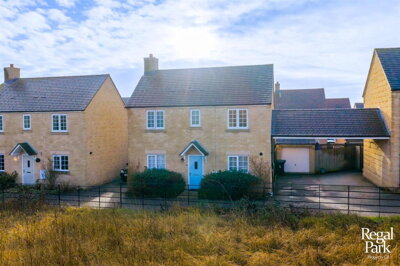
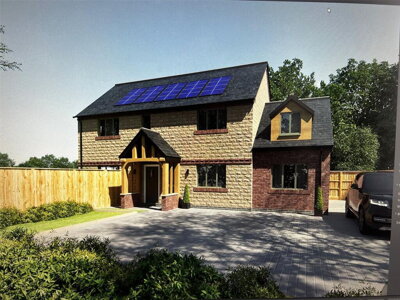
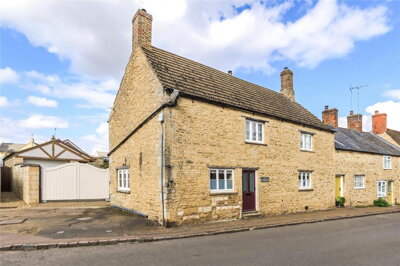
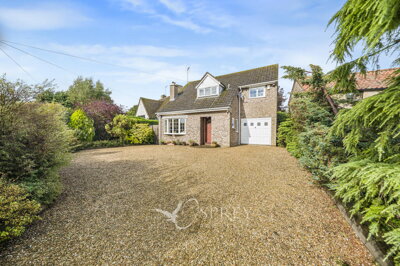
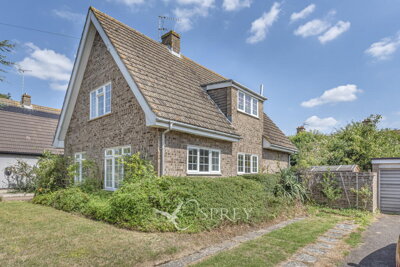
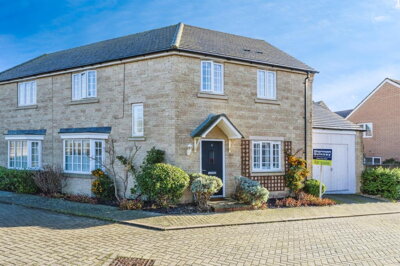
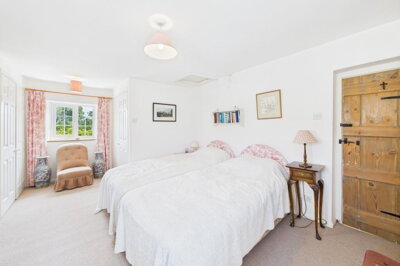
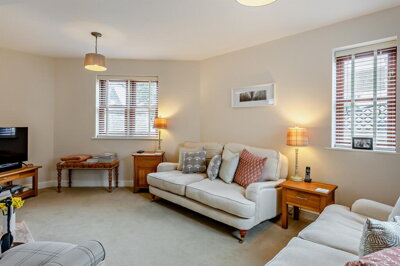
Browse 9 homes for sale in Apethorpe, North Northamptonshire from local estate agents.
Three bedroom properties represent a significant portion of the Apethorpe housing market, offering space for families with multiple reception rooms and gardens in many cases. Browse detached, semi-detached, and terraced options ranging from period character homes to contemporary developments.
£0k
0
0
0
Source: home.co.uk
Showing 0 results for 3 Bedroom Houses for sale in Apethorpe, North Northamptonshire.
The Apethorpe property market has demonstrated impressive resilience and growth, with the average sold price climbing to £626,250 over the past year. This represents a substantial 16% increase compared to the previous twelve months, indicating strong demand for properties in this desirable village location. The market attracts buyers from across the region who appreciate the unique blend of rural charm and practical accessibility that Apethorpe provides, with many relocating from Peterborough, Northampton, and Cambridge seeking a quieter lifestyle without sacrificing connectivity.
Within the wider PE8 postcode area, property prices vary considerably by type, offering useful reference points for buyers assessing value in Apethorpe. Detached properties in the wider area average around £365,000, while semi-detached homes trade at approximately £241,000. Terraced properties average £208,000 and flats around £139,000. However, Apethorpe's conservation village status and concentration of period stone properties typically command significant premiums above these wider averages. Stone-built detached family homes and character cottages within the village regularly exceed these figures, reflecting the scarcity of such properties in this highly desirable location where limited supply meets sustained demand.
Property types currently available in Apethorpe include traditional Bradstone four-bedroom homes and stone-built detached family residences that showcase the village's architectural heritage. The PE8 postcode area sales data indicates that detached properties account for 44% of all transactions, with semi-detached homes representing 29% and terraced properties making up 21.1%. Flats comprise just 5.8% of sales, reflecting the village's predominantly house-based housing stock. Given the limited new build activity specifically within Apethorpe, most available properties are established homes featuring mature gardens, established boundaries, and the kind of character that comes from decades of careful maintenance by previous owners.
Apethorpe stands as a designated conservation village, recognised for its architectural heritage and traditional North Northamptonshire character that distinguishes it from surrounding settlements. The village owes much of its distinctive appearance to the use of local Jurassic limestone in construction, with many properties featuring attractive stone facades and traditional building methods that reflect centuries of craftsmanship. Walking through the village reveals an endearing mix of period cottages, manor-style residences, and family homes set along winding lanes that epitomise rural English village life, with golden-hued stone buildings creating a cohesive aesthetic throughout.
The surrounding North Northamptonshire landscape comprises rolling countryside, working farmland, and attractive villages connected by country lanes and public footpaths that invite exploration. The underlying geology of the area, characterised by Jurassic limestone and clay deposits, contributes to both the distinctive building materials and the potential ground conditions that buyers should understand. Clay soils can be prone to shrink-swell movement in response to moisture changes, which may affect foundations of older properties, particularly those constructed with traditional methods. Our inspectors regularly assess these geological considerations when surveying properties in the region, identifying any movement or subsidence indicators that may relate to ground conditions.
Community life in Apethorpe centres around traditional village amenities and the welcoming atmosphere that small rural communities offer their residents. The conservation designation ensures that new development is carefully managed, preserving the village's character for future generations and maintaining property values through controlled growth. Residents enjoy a strong sense of local identity and community spirit, with village events and local facilities fostering connections between neighbours. The wider area provides additional amenities including shops, restaurants, and recreational facilities in nearby towns, while the village itself offers the peaceful pace of life that makes rural living so appealing to families and professionals alike.
Understanding the construction methods used in Apethorpe properties helps buyers appreciate the characteristics and maintenance requirements of the village's period homes. Traditional stone buildings throughout the village were constructed using solid wall techniques rather than modern cavity wall construction, resulting in walls that are typically 300-450mm thick and possess different thermal and moisture management properties compared to contemporary buildings. These solid walls breathe differently than modern constructions, allowing moisture to evaporate through the fabric rather than being trapped, which is why traditional lime-based mortars and renders are preferred for maintenance work on historic properties.
Many Apethorpe properties feature Bradstone construction, a type of reconstituted stone that became popular in the mid-twentieth century and offers the appearance of natural stone with improved consistency. Properties built with Bradstone blocks share the aesthetic qualities of traditional stone while potentially offering more uniform construction. The village also contains numerous listed buildings and properties within the conservation area that are subject to specific planning controls designed to preserve their historic character. Any significant alterations, extensions, or external changes to these properties require consent from North Northamptonshire Council, and buyers should factor this into their plans before purchasing.
Roofing throughout Apethorpe typically features traditional materials including clay or slate tiles, with older properties often incorporating handmade tiles that match the period of construction. The age of many village properties means that roofing timbers may be original or replacement timbers of similar vintage, and our surveyors pay particular attention to roof condition, insulation levels, and any signs of structural movement or timber decay. Electrical systems in period properties frequently predate modern standards, and a thorough survey will identify any outdated wiring, consumer unit deficiencies, or electrical safety concerns that require attention before or shortly after purchase.
Families considering a move to Apethorpe will find educational options available within reasonable travelling distance, though the village's rural location means that school transport arrangements often feature in family property searches. Primary education is available through village schools in surrounding communities and towns, with many small rural schools providing excellent foundations for young learners in supportive environments. The class sizes at village primary schools often compare favourably with larger urban schools, allowing teachers to provide more individual attention to each pupil. Parents should research specific catchment areas carefully, as school admission policies can significantly affect which schools serve particular addresses.
Secondary education options in the area include comprehensive schools in nearby market towns, offering a wide range of GCSE and A-Level subjects alongside extracurricular activities. The Peterborough and Northamptonshire regions provide additional choices including grammar schools with selective admissions based on examination performance, specialist academies focused on particular curriculum areas, and independent schools for families seeking alternative educational approaches. Schools in Stamford, Oundle, and the surrounding towns attract students from across the region, and transport arrangements from Apethorpe to these institutions are well-established for families who choose them.
For families prioritising educational outcomes, consulting the Office for Standards in Education (Ofsted) website provides current inspection reports and performance data for schools within reasonable travelling distance of Apethorpe. The village's proximity to the border between Cambridgeshire and Northamptonshire educational authorities means that school admission arrangements may fall under either local authority's jurisdiction depending on specific circumstances. Before committing to a property purchase, we recommend confirming which schools serve the address and reviewing their current performance data, admission criteria, and any catchment area changes that may affect future schooling plans for your family.
Apethorpe benefits from its strategic position in North Northamptonshire, offering practical road connections that link residents to employment centres in Peterborough, Corby, Kettering, and Northampton. The village provides access to major road routes that serve the wider region, with the A1 corridor providing north-south connectivity and the A14 offering routes to Cambridge and the East of England. For commuters working in Peterborough, the journey takes approximately 30 minutes by car, while destinations in Northampton and Kettering are reachable within similar timeframes depending on traffic conditions and exact starting point within the village.
Local bus services connect Apethorpe to surrounding communities and market towns, providing essential public transport options for residents without private vehicles. However, service frequencies in rural villages typically reflect lower demand than urban routes, so residents should check current timetables and consider whether the available services meet their daily travel requirements. The nearest railway stations are located in surrounding towns, with East Coast Main Line services accessible from Peterborough and Corby offering connections to London, Edinburgh, and other major destinations. Many residents combine occasional train travel with local driving, making practical use of the village's position within the regional transport network.
Road travel from Apethorpe takes in the surrounding North Northamptonshire countryside, with country lanes providing pleasant routes through attractive scenery. Drivers should note that some rural lanes may be narrower than urban roads, with passing places in certain locations and hedges that reduce visibility at junctions. Parking availability within the village generally proves adequate for residents, with larger properties typically featuring off-street parking andgarages that accommodate family vehicles. The peaceful country driving environment balances against the need for appropriate care on less familiar roads, particularly during winter months when daylight hours are shorter and weather conditions may affect road surfaces.
Begin by exploring current listings for homes for sale in Apethorpe, reviewing how property prices in this conservation village compare with the wider PE8 postcode area. Given the village's character and the prevalence of period properties, arrange viewings on properties that match your requirements and budget. Understanding the local market before making offers positions you to act quickly when the right property becomes available.
Before making offers on properties in Apethorpe, approach lenders to secure a mortgage agreement in principle. This demonstrates your financial readiness to sellers and their agents, strengthening your position in what can be a competitive village property market. Having finance in place before searching also helps you understand your true budget and avoids disappointment when viewing properties beyond your reach.
Visit multiple properties across different price ranges to understand what Apethorpe homes offer. Pay particular attention to construction materials, property condition, and any features specific to period properties such as original fireplaces, exposed stone walls, and older roofing systems. Take measurements and photographs to help compare properties later, and consider bringing someone with building knowledge to provide a second opinion on property condition.
Given that many Apethorpe properties are older and potentially listed or within the conservation area, a comprehensive RICS Level 2 Survey is essential. This professional assessment will identify any structural issues, damp, roof condition, or outdated electrics common in period properties. For listed buildings or properties with complex renovation histories, additional specialist surveys may be recommended to address specific historical, architectural, and material considerations.
Choose a solicitor experienced in rural property transactions to handle the legal aspects of your purchase. They will conduct searches relevant to North Northamptonshire, review the property's title, and manage the conveyancing process through to completion. Searches specific to the area will investigate planning history, environmental factors, and any charges or restrictions affecting the property.
Once all searches are satisfactory and finances are arranged, your solicitor will exchange contracts and agree a completion date with the seller's representative. Before completion, conduct a final property visit to confirm the property's condition matches your expectations and that no issues have arisen since your last inspection. On completion day, you will receive the keys to your new Apethorpe home.
Purchasing a property in Apethorpe requires attention to several factors specific to this conservation village that differ from buying in urban or newer developments. Properties within the conservation area may be subject to specific planning restrictions that affect alterations, extensions, or significant external changes. Before committing to a purchase, prospective buyers should consult with North Northamptonshire Council planning department to understand any constraints that might affect future plans for the property, whether those involve extending the accommodation, adding outbuildings, or changing external materials or colours.
The village's older housing stock features stone construction and period features that require specific understanding from buyers. Stone-built properties in Apethorpe typically use traditional lime mortar rather than modern cement-based mortars, which affects the breathability of the construction and the maintenance requirements of the building fabric. Repointing work on historic properties ideally uses compatible lime-based products to avoid trapping moisture within the stonework and causing deterioration. Our surveyors assess the condition of pointing, the presence of any cracking, and the overall state of the external fabric when examining stone properties.
Some properties in Apethorpe may be listed buildings, requiring Listed Building Consent for certain works and adding additional considerations to any renovation plans. Listed building status protects properties of special architectural or historic interest from unsympathetic alterations, and works to listed structures typically require detailed applications and specialist contractors. Even properties that are not listed but fall within the conservation area may require permission for works that would otherwise be permitted development in non-designated areas. Budgeting for the potential costs of specialist materials and heritage contractors is advisable when considering properties with significant renovation requirements.
The average sold house price in Apethorpe over the last year is £626,250, representing a 16% increase compared to the previous year. This figure reflects the village's appeal as a conservation area with period properties and strong community character that attracts buyers seeking traditional English village life. Properties in Apethorpe typically command premiums over wider PE8 postcode area averages due to the village's desirable location, limited supply of available homes, and the quality of its period property stock.
Properties in Apethorpe fall under North Northamptonshire Council's jurisdiction for council tax purposes, with the authority responsible for setting rates and managing the valuation list for the area. Specific band allocations vary by property depending on the assessed value, ranging from Band A for lower value properties through to Band H for the most valuable homes. Prospective buyers can check individual property council tax bands through the Valuation Office Agency website or request this information during the conveyancing process.
Apethorpe is served by primary schools in surrounding villages and towns within North Northamptonshire, with several good options within a reasonable drive of the village. Secondary education options include schools in nearby market towns offering comprehensive curricula, with selective grammar schools available for families whose children meet entry requirements. Parents should research specific school catchment areas, review current Ofsted inspection ratings, and understand admission criteria for their address before purchasing. The nearest grammar schools may be located in adjacent areas, with selective admissions based on examination performance and catchment zones that may or may not include Apethorpe addresses.
Apethorpe is connected to surrounding communities via local bus services, though frequencies reflect the village's rural nature and may be limited compared to urban areas. The A1 corridor provides straightforward road access for those with private vehicles, while East Coast Main Line railway services are accessible from Peterborough station approximately 30 minutes drive away. For commuters, the strategic location balances the desire for rural tranquility with practical access to regional employment centres including Peterborough, Northampton, and Kettering, though private transport remains the primary method of travel for most residents.
Apethorpe's status as a conservation village with limited development opportunities suggests that property values are likely to remain robust due to constrained supply. The 16% increase in average sold prices over the past year demonstrates continued demand from buyers seeking village properties. For investors, rental demand in rural North Northamptonshire tends to focus on long-term family lets rather than high-turnover tenancies, with tenant demand driven by those seeking village lifestyles within commuting distance of larger employment centres. The combination of limited new supply and persistent demand from buyers creates conditions that historically support stable or rising property values.
Stamp Duty Land Tax rates for residential properties (2024-25) apply at 0% on the first £250,000 of purchase price, 5% between £250,001 and £925,000, 10% between £925,001 and £1,500,000, and 12% above £1,500,000. First-time buyers benefit from relief on the first £425,000, with 5% charged between £425,001 and £625,000. Given the average price of £626,250 in Apethorpe, standard SDLT of approximately £18,125 would apply for most buyers, or £10,125 for qualifying first-time buyers. Properties purchased as second homes or investment properties carry an additional 3% surcharge on all SDLT bands.
Apethorpe offers a range of property types including traditional stone-built cottages, detached family homes, semi-detached houses, and terraced properties, with detached properties representing the majority of sales in the wider PE8 area. The village's conservation status means many homes feature period characteristics such as original fireplaces, exposed stone walls, and traditional architectural details that reflect the village's historic development. New build activity in the village is limited, with the majority of available properties being established homes with mature gardens, established boundaries, and the kind of character that comes from decades of careful stewardship by previous owners.
There are no special restrictions on purchasing property in Apethorpe for UK residents or eligible overseas buyers, and the village operates under standard English property law without any specific purchase controls. However, properties within the conservation area may be subject to planning controls that affect certain types of development or alteration, requiring applications to North Northamptonshire Council for works that might otherwise be permitted development. Some properties may also be listed buildings, requiring Listed Building Consent for works to protected elements and adding considerations for any renovation plans. These designations protect the village's character but do not prevent purchase by any category of buyer.
From £350
A thorough inspection of the property condition, ideal for identifying issues in Apethorpe's period properties
From £499
Expert legal services for your property purchase
From 4.5%
Competitive mortgage rates for your Apethorpe home
From £60
Energy performance certificate for your property
Understanding the full costs of purchasing property in Apethorpe extends beyond the headline purchase price, and budgeting accurately ensures a smoother transaction. Stamp Duty Land Tax represents a significant additional cost, with standard rates applying 0% on the first £250,000, rising through 5%, 10%, and 12% bands for higher value properties. Given that Apethorpe's average sold price of £626,250 falls within the 5% band, most buyers should budget approximately £18,125 in SDLT, though this calculation varies depending on individual circumstances, previous property ownership, and whether any exemptions or reliefs apply.
First-time buyers purchasing in Apethorpe benefit from enhanced SDLT relief, with the nil-rate threshold increased to £425,000 and the 5% band extending to £625,000 under current government policy. This relief can save first-time buyers up to £8,125 compared to standard rates, though properties priced above £625,000 do not qualify for any first-time buyer relief and revert to standard SDLT calculations. Properties purchased as second homes or investment properties carry an additional 3% surcharge on all SDLT bands, which significantly affects the economics of any additional property purchase alongside a main residence.
Beyond stamp duty, buyers should budget for solicitor conveyancing fees, typically ranging from £500 to £2,000 depending on complexity and whether the property is freehold or leasehold. Survey costs for a RICS Level 2 Survey start from around £350 for standard properties, though the period nature of many Apethorpe homes may require more detailed assessments given the prevalence of traditional construction methods and potential for age-related issues. Additional costs include mortgage arrangement fees, property searches specific to North Northamptonshire, Land Registry fees, and moving expenses. We recommend budgeting an additional 3-5% of the purchase price to cover these ancillary costs alongside the main SDLT and mortgage expenses.
Properties for Sale In London

Properties for Sale In Plymouth

Properties for Sale In Liverpool

Properties for Sale In Glasgow

Properties for Sale In Sheffield

Properties for Sale In Edinburgh

Properties for Sale In Coventry

Properties for Sale In Bradford

Properties for Sale In Manchester

Properties for Sale In Birmingham

Properties for Sale In Bristol

Properties for Sale In Oxford

Properties for Sale In Leicester

Properties for Sale In Newcastle

Properties for Sale In Leeds

Properties for Sale In Southampton

Properties for Sale In Cardiff

Properties for Sale In Nottingham

Properties for Sale In Norwich

Properties for Sale In Brighton

Properties for Sale In Derby

Properties for Sale In Portsmouth

Properties for Sale In Northampton

Properties for Sale In Milton Keynes

Properties for Sale In Bournemouth

Properties for Sale In Bolton

Properties for Sale In Swansea

Properties for Sale In Swindon

Properties for Sale In Peterborough

Properties for Sale In Wolverhampton

Enter your details to see if this property is within your budget.
Loans, cards, car finance
Estimated property budget
Borrowing + deposit
You could borrow between
Typical borrowing
Monthly repayment
Est. at 4.5%
Loan-to-value
This is an estimate only. Your actual budget may vary depending on interest rates, credit history, and personal circumstances. For an accurate affordability assessment, speak to one of our free mortgage advisors.
This calculator provides estimates for illustrative purposes only and does not constitute financial advice. Your home may be repossessed if you do not keep up repayments on your mortgage. Estimates based on 4.5% interest rate, repayment mortgage. Actual rates depend on your circumstances.
Homemove is a trading name of HM Haus Group Ltd (Company No. 13873779, registered in England & Wales). Homemove Mortgages Ltd (Company No. 15947693) is an Appointed Representative of TMG Direct Limited, trading as TMG Mortgage Network, which is authorised and regulated by the Financial Conduct Authority (FRN 786245). Homemove Mortgages Ltd is entered on the FCA Register as an Appointed Representative (FRN 1022429). You can check registrations at NewRegister or by calling 0800 111 6768.

We use cookies to show you personalised content and improve your experience of our website. Find out more in our Privacy policy and Cookie policy.