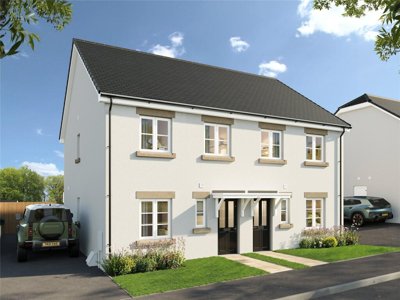
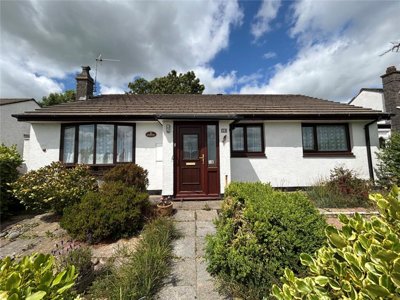
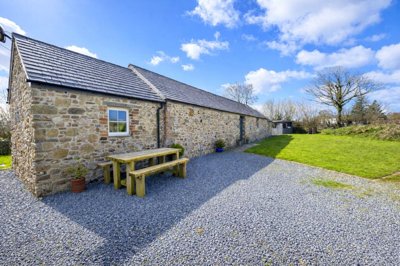
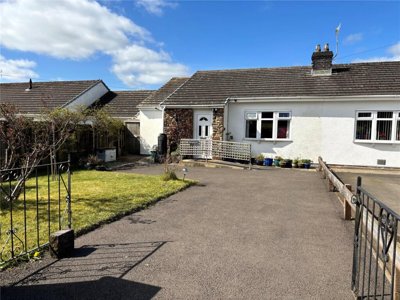
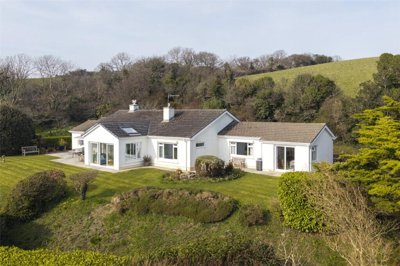
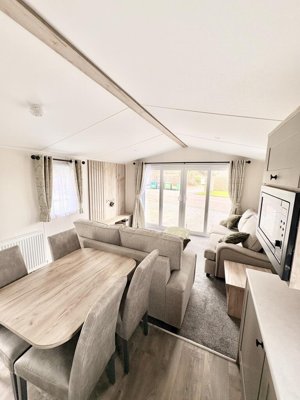
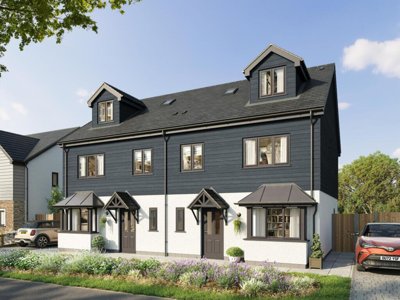
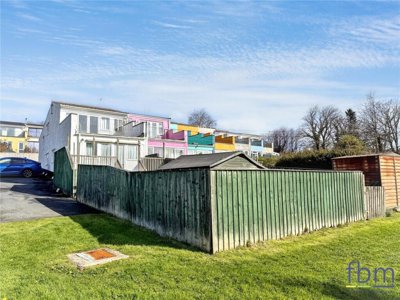
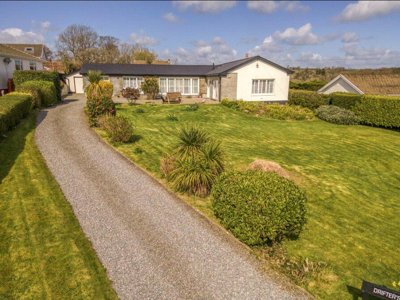
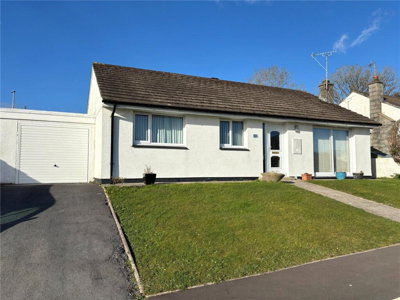
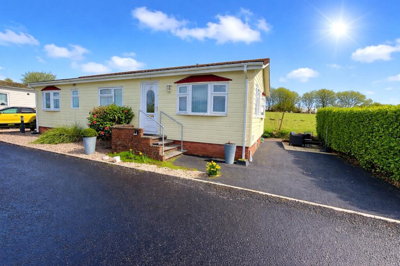
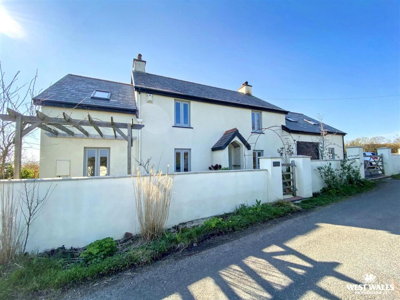
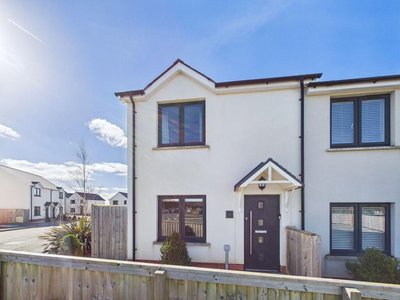
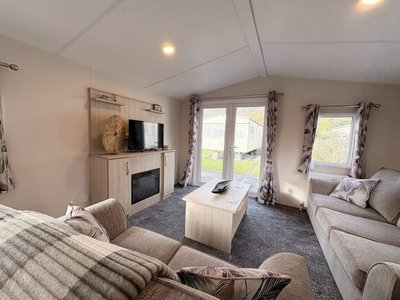
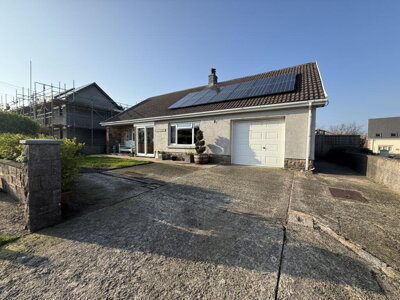
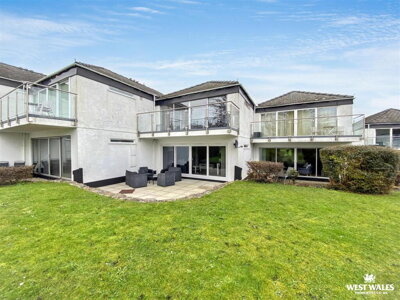
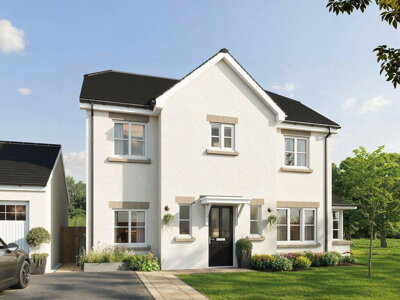
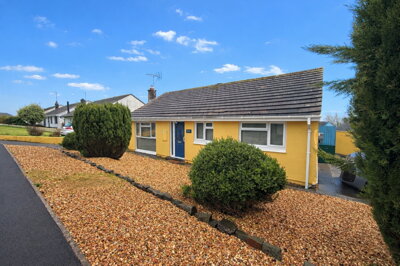
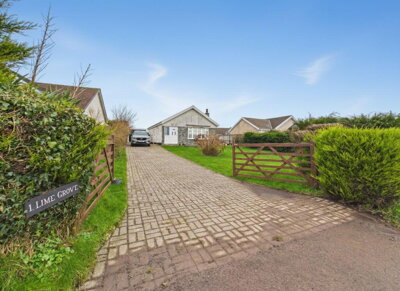
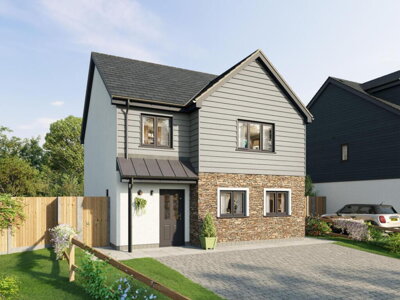
Browse 101 homes for sale in Amroth, Pembrokeshire from local estate agents.
£500k
23
0
213
Source: home.co.uk
Source: home.co.uk
Detached
6 listings
Avg £713,333
Bungalow
5 listings
Avg £645,000
Caravan
2 listings
Avg £50,498
Semi-Detached
2 listings
Avg £574,500
Country House
1 listings
Avg £590,000
Detached Bungalow
1 listings
Avg £449,950
End of Terrace
1 listings
Avg £155,000
Farm House
1 listings
Avg £1.75M
Flat
1 listings
Avg £180,000
House
1 listings
Avg £599,950
Source: home.co.uk
Source: home.co.uk
The Amroth property market has demonstrated remarkable resilience and growth, with house prices increasing by 21% over the past year. This significant rise reflects growing demand for coastal properties in Pembrokeshire, as more buyers seek the lifestyle benefits of seaside village living. The current average sold price of £205,000, rising to £215,000 according to some measures, positions Amroth competitively within the broader SA67 postcode area where the average sits at £155,000. The market has recovered substantially from a post-pandemic correction, with prices now sitting 50% below the 2021 peak of £406,917, suggesting good value for long-term buyers compared to recent highs.
Property types in Amroth span a wide spectrum to suit different budgets and preferences. Flats start from around £155,000 for properties like those at Glan Y Mor on the seafront, while terraced homes such as 2 Waters Edge have sold for approximately £170,000. Semi-detached properties offer mid-range options, with historical sales at Brookside Villas showing values around £225,000. Detached properties command premium prices, with a substantial bungalow at Blue Horizons achieving £525,000 in 2023, demonstrating the premium that larger detached homes with coastal positioning can achieve in this market.
The street-level average for Amroth itself stands at £373,162 as of early 2026, reflecting the mix of property types available including premium detached homes with coastal positioning. Recent sales activity shows continued market movement, with a flat at The Cartwheel selling for £205,000 in March 2025 and another flat at Glan Y Mor achieving £155,000 in September 2025. This data suggests a healthy transaction volume and diverse price points within the village, giving buyers flexibility in their search criteria depending on whether they prioritise location, property size, or views.

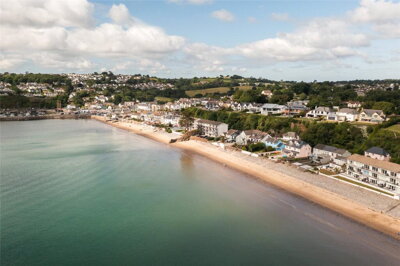
Life in Amroth revolves around the coastline and the natural beauty of the Pembrokeshire estuary. The village sits at the northernmost point of the Carmarthen Bay, where the River Taf meets the sea, creating a distinctive landscape of mudflats, salt marshes, and sandy shores that change with the tides. The flat terrain surrounding the estuary makes cycling and walking popular ways to explore the local area, with the coastal path offering spectacular views across the bay towards the Gower Peninsula on clear days. Local amenities include a traditional pub, The Tavern, providing the kind of village focal point that builds community spirit among residents and visitors alike.
The nearby village of Stepaside offers additional services including a petrol station and convenience store, while the market town of Narberth is a short drive away for more comprehensive shopping. Narberth has developed a reputation for its independent shops, galleries, and restaurants, making it a popular destination for Amroth residents seeking a more varied retail experience. The blend of year-round residents and seasonal visitors creates a balanced community atmosphere where neighbours know each other and newcomers are welcomed into village life. Amroth represents the quintessential Welsh coastal village experience, combining historical character with modern amenities in a setting of outstanding natural beauty.
The tourism season transforms Amroth into a bustling destination, with visitors drawn to the safe sandy beach and the walking trails that form part of the Pembrokeshire Coast Path. During summer months, the village sees a significant influx of holidaymakers, making properties with holiday let potential particularly attractive to investors. The Pembrokeshire Coast National Park designation ensures that the natural landscape is protected and enhanced, maintaining the attractiveness of the area for both residents and visitors. Walking the coastal path from Amroth heading east takes you towards the historic town of Laugharne, where you can explore Dylan Thomas's boathouse and café, extending your days out into longer explorations of this beautiful corner of Wales.

Families considering a move to Amroth will find educational provision spread across the surrounding villages and towns. The nearest primary schools serve the local communities of Llanteg, Stepaside, and the broader Laugharne Community, with most pupils travelling by school transport arranged through Pembrokeshire County Council. These schools maintain the small class sizes and individual attention that village education provides, creating supportive learning environments for younger children. Parents should research current catchment areas and admission policies directly with Pembrokeshire County Council, as these can influence school allocations for specific addresses.
Secondary education is provided at schools in the nearby towns of Pembroke, Pembroke Dock, or Tenby, all accessible via school transport or family vehicles. Tenby has a well-regarded secondary school with a strong reputation for academic achievement and extracurricular activities, making it a popular choice for families across south Pembrokeshire. For families requiring sixth form provision, the campuses in Haverfordwest and Pembroke Dock offer A-Level programmes across a range of subjects. When purchasing property in Amroth, families should confirm current school transport arrangements and catchment allocations with the local education authority before finalising their purchase.
Beyond state education, Pembrokeshire offers several independent schooling options for families seeking alternative educational approaches. The county also hosts various after-school clubs and weekend activities centred around the coastal environment, including sailing, kayaking, and marine biology programmes that take advantage of the stunning natural surroundings. These extracurricular opportunities add another dimension to family life in the area, particularly for children who thrive in outdoor and practical learning environments.

Amroth is well connected for a village of its size, with the A477 trunk road providing direct access to the major towns of Pembrokeshire and beyond. This main road runs along the southern edge of the county, connecting Amroth with Narberth to the north-east and continuing through to Pembroke Dock to the west. The journey to the county town of Haverfordwest takes approximately 30 minutes by car, where comprehensive shopping facilities, the hospital, and the mainline railway station are available. The drive to the ferry port at Pembroke Dock, which offers services to Rosslare in Ireland, takes around 25 minutes, making Amroth a practical base for those maintaining connections with Ireland or considering international travel.
For commuters working further afield, the journey to the M4 motorway at Pont Abraham near Swansea takes approximately 75 minutes, opening access to the wider Welsh job market and connections to London via the Great Western Railway. The West Wales line railway provides connections from Haverfordwest to Cardiff Central, with journey times of around three hours to the capital. Those travelling further afield can connect at Swansea for services to London Paddington, typically taking around three hours from the city. Public transport options include bus services connecting Amroth with Narberth, Tenby, and Pembroke Dock, though frequencies are limited compared to urban areas.
The nearest railway stations are at Pembroke Dock, Pembroke, and Tenby, all offering connections to the national rail network via the West Wales line. Pembroke Dock station is the closest, offering a quieter alternative to the mainline services at Haverfordwest while still providing connections across the rail network. Walking and cycling are popular alternatives for local journeys, with the flat terrain around the estuary and the coastal path providing excellent opportunities for active travel. The village's compact size means that many daily errands can be completed on foot, reducing the practical need for car journeys for those working from home or retired.

Start by exploring current property listings in Amroth using Homemove, comparing prices and property types across Rightmove and Zoopla to understand the local market. With 62+ properties available and prices ranging from around £155,000 for flats to over £500,000 for detached homes, identifying your target segment early will streamline your search. Pay particular attention to recent sales data, including properties at The Cartwheel and Glan Y Mor, to gauge realistic pricing expectations.
Once you have identified properties of interest, contact estate agents to arrange viewings. We recommend viewing multiple properties to compare locations within the village, proximity to the beach, and potential for holiday letting if relevant. Take notes on condition, natural light, and outdoor space during each visit. The flat terrain around the estuary can mean some properties benefit from views across the water, while others may be sheltered from prevailing winds by surrounding topography.
Before making an offer, obtain a mortgage agreement in principle from a lender. This demonstrates your financial position to sellers and strengthens your negotiating position. Current interest rates make early mortgage advice essential for budgeting purposes. Consider speaking with a broker who understands the Pembrokeshire property market and can advise on appropriate mortgage products for coastal properties, as some lenders have specific criteria for properties in flood risk areas.
When you find your ideal property, submit an offer through the selling agent. Given the popularity of coastal Pembrokeshire, be prepared for negotiation on price and conditions. Your offer should reflect recent comparable sales and market trends, including the village average of around £205,000 and specific comparable sales such as the terraced property at 2 Waters Edge which sold for £170,000.
Choose a conveyancing solicitor to handle the legal transfer of ownership. Your solicitor will conduct searches, review contracts, and liaise with the Land Registry to ensure clear title. Budget approximately £499-£1,500 for legal fees depending on property price. For properties near the estuary or coastal areas, ensure your solicitor arranges appropriate environmental searches to check for any flooding or coastal erosion risks.
After satisfactory searches and mortgage offer, you will exchange contracts and pay your deposit. Completion typically follows within 2-4 weeks, when the remaining balance is transferred and you receive the keys to your new Amroth home. At this point, you can begin planning your move to this coastal village, arranging utilities, broadband installation, and familiarising yourself with local services such as The Tavern pub and Stepaside convenience store.
Properties in Amroth span several construction periods, from Victorian-era cottages to mid-century holiday homes and more recent buildings. Older properties may require updates to electrical systems, insulation, or roofing, so commissioning a RICS Level 2 survey before purchase is strongly advisable. The coastal environment means salt air can accelerate wear on external timbers and metalwork, so budget for regular maintenance when assessing older properties. Properties near the estuary should be checked for any history of flooding or damp, as low-lying coastal positions can be susceptible to water ingress during extreme weather events.
The holiday let market significantly influences the Amroth property landscape, with many homes operated as holiday accommodation during the summer season. If you are considering purchasing with holiday let potential, research whether the property falls within planning restrictions relating to holiday occupancy. Some properties may have conditions attached to their use or covenants limiting rental activity. Understanding these factors before purchase prevents unexpected complications and ensures your investment aligns with your intended use. Always verify permitted development rights and any Article 4 directions that may affect how you can use the property.
Properties with sea views or direct beach access command a premium in Amroth, as demonstrated by the sale of Blue Horizons bungalow at £525,000. When evaluating a property's value, consider the orientation of the main living spaces, the size and position of outdoor areas, and whether off-street parking is available. The village's position within the Pembrokeshire Coast National Park means that any significant extensions or alterations will require planning consent from the National Park Authority, which prioritises design and materials that respect the traditional character of the area.

The average house price in Amroth is currently around £205,000 according to Rightmove data, with Zoopla reporting a slightly higher average of £215,000 for recent sales. Prices have increased by 21% over the past year, though they remain 50% below the 2021 peak of £406,917. The street-level average for Amroth itself stands at £373,162, reflecting the mix of property types available including premium detached homes with coastal positioning. Over the past decade, 223 properties have changed hands in Amroth, indicating a healthy level of market activity.
Properties in Amroth fall under Pembrokeshire County Council's jurisdiction for council tax purposes. Bands range from A to H depending on property value, with most residential properties in the village falling within bands A through D. You can verify the specific band for any property through the Valuation Office Agency website using the property address or council tax reference number. Council tax funds local services including education, refuse collection, and road maintenance, all of which benefit Amroth residents.
Amroth itself has no school, with primary education provided at nearby village schools in the Laugharne Community and Llanteg. Secondary schools in Tenby and Pembroke serve the area, with Tenby Secondary School particularly noted for its academic provision. Families should confirm catchment areas and transport arrangements with Pembrokeshire County Council education department before purchasing, as allocations can vary based on address. The council operates school transport services for pupils living beyond safe walking distances from their assigned school.
Bus services connect Amroth with Narberth, Tenby, and Pembroke Dock, though frequencies are limited to several services per day rather than hourly. The nearest railway stations are at Pembroke Dock, Pembroke, and Tenby, all offering connections to the national rail network via the West Wales line. For commuters, the drive to Haverfordwest takes 30 minutes and to the M4 motorway at Pont Abraham takes approximately 75 minutes, opening access to Swansea and the broader Welsh employment market.
Amroth offers several investment characteristics attractive to buyers: the Pembrokeshire Coast National Park setting ensures ongoing demand from holidaymakers, property prices have shown strong recovery with 21% annual growth, and the tourism infrastructure supports holiday let income potential. However, investors should research planning restrictions on holiday occupancy and factor in seasonal income variability when assessing returns. The village's small size and limited employment options mean it is primarily suited to retirement, holiday, or remote working arrangements rather than commuter living.
Stamp Duty Land Tax rates for residential purchases start at 0% on the first £250,000 of property value, rising to 5% on the portion between £250,001 and £925,000. For a property at the village average of £205,000, a standard buyer would pay no stamp duty. First-time buyers purchasing properties up to £625,000 may qualify for relief on the first £425,000, making qualifying purchases completely stamp duty free. Additional SDLT surcharges may apply for second homes or investment properties.
Properties near the River Taf estuary and low-lying coastal areas of Amroth may be susceptible to flooding during extreme weather events or high tides. Prospective buyers should request environmental searches from their solicitor that include flood risk data from the Environment Agency or Natural Resources Wales. Properties with history of flooding may face higher insurance premiums, so factor this into your budget calculations. Modern building standards and property improvements have mitigated some flood risks in recent years.
Amroth's position within Pembrokeshire Coast National Park and its sandy beach make it a popular tourist destination during summer months, creating genuine holiday let potential for property owners. Many properties in the village are operated as holiday accommodation, and occupancy rates tend to be strong from April through September. However, some properties may have planning conditions or covenants restricting short-term letting, so verify this before purchase. Holiday let income can supplement mortgage payments for investors, though you should account for void periods and maintenance costs.
From 4.5% APR
Compare mortgage deals from leading lenders
From £499
Expert property solicitors to handle your purchase
From £350
Professional property survey before you buy
From £75
Energy performance certificate for your property
Understanding the full cost of purchasing property in Amroth involves considering stamp duty alongside solicitor fees, survey costs, and moving expenses. For a typical Amroth property at the current average price of £205,000, standard buyers incur no Stamp Duty Land Tax under current thresholds. First-time buyers can benefit from relief on purchases up to £625,000, meaning most properties in Amroth would attract no stamp duty whatsoever. However, for premium detached homes approaching £500,000, SDLT would apply at 5% on the amount above £250,000.
Solicitor fees for conveyancing in the Pembrokeshire area typically range from £499 for basic transactions up to £1,500 for more complex purchases involving mortgages or leasehold elements. A RICS Level 2 survey costs from £350 depending on property size, while an Energy Performance Certificate is mandatory and costs from £75. Moving costs, buildings insurance, and any furniture or renovation expenses should also be budgeted for. When calculating your total budget, factor in mortgage arrangement fees of £0-£2,000 depending on your lender, and Land Registry fees of approximately £200-£500 for registering the transfer.
Being thorough in your cost planning ensures you can proceed confidently once you find the right Amroth property. Budget for additional costs including survey fees, mortgage arrangement charges, and moving van hire. Buildings insurance should be in place from the date of completion, and you will need to set up utility accounts for electricity, gas if applicable, water, and broadband. Factor in council tax from the day you complete, which will depend on your property's valuation band from Pembrokeshire County Council.

Properties for Sale In London

Properties for Sale In Plymouth

Properties for Sale In Liverpool

Properties for Sale In Glasgow

Properties for Sale In Sheffield

Properties for Sale In Edinburgh

Properties for Sale In Coventry

Properties for Sale In Bradford

Properties for Sale In Manchester

Properties for Sale In Birmingham

Properties for Sale In Bristol

Properties for Sale In Oxford

Properties for Sale In Leicester

Properties for Sale In Newcastle

Properties for Sale In Leeds

Properties for Sale In Southampton

Properties for Sale In Cardiff

Properties for Sale In Nottingham

Properties for Sale In Norwich

Properties for Sale In Brighton

Properties for Sale In Derby

Properties for Sale In Portsmouth

Properties for Sale In Northampton

Properties for Sale In Milton Keynes

Properties for Sale In Bournemouth

Properties for Sale In Bolton

Properties for Sale In Swansea

Properties for Sale In Swindon

Properties for Sale In Peterborough

Properties for Sale In Wolverhampton

Enter your details to see if this property is within your budget.
Loans, cards, car finance
Estimated property budget
Borrowing + deposit
You could borrow between
Typical borrowing
Monthly repayment
Est. at 4.5%
Loan-to-value
This is an estimate only. Your actual budget may vary depending on interest rates, credit history, and personal circumstances. For an accurate affordability assessment, speak to one of our free mortgage advisors.
This calculator provides estimates for illustrative purposes only and does not constitute financial advice. Your home may be repossessed if you do not keep up repayments on your mortgage. Estimates based on 4.5% interest rate, repayment mortgage. Actual rates depend on your circumstances.
Homemove is a trading name of HM Haus Group Ltd (Company No. 13873779, registered in England & Wales). Homemove Mortgages Ltd (Company No. 15947693) is an Appointed Representative of TMG Direct Limited, trading as TMG Mortgage Network, which is authorised and regulated by the Financial Conduct Authority (FRN 786245). Homemove Mortgages Ltd is entered on the FCA Register as an Appointed Representative (FRN 1022429). You can check registrations at NewRegister or by calling 0800 111 6768.

We use cookies to show you personalised content and improve your experience of our website. Find out more in our Privacy policy and Cookie policy.