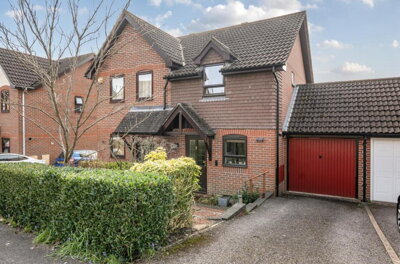
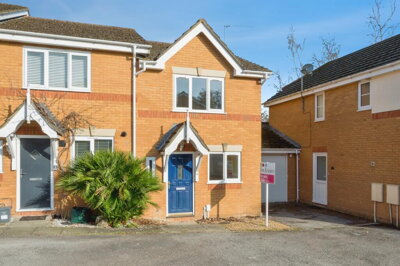
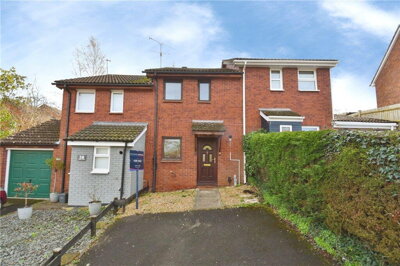
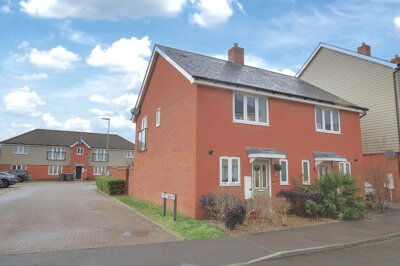
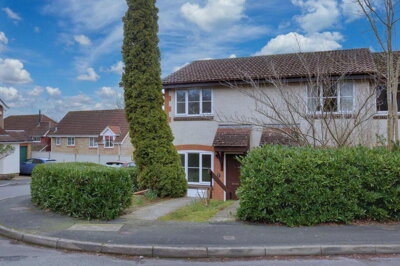
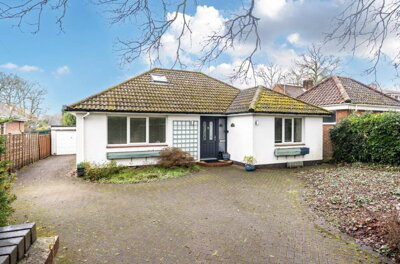
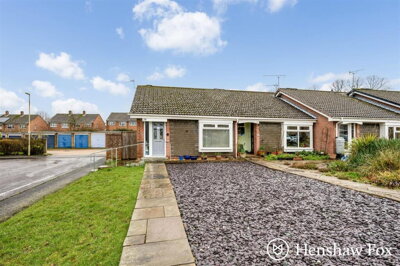
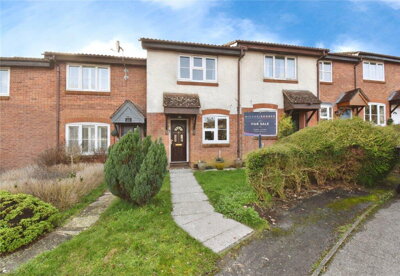
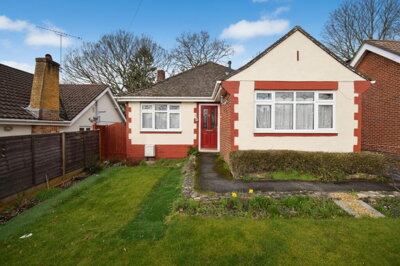
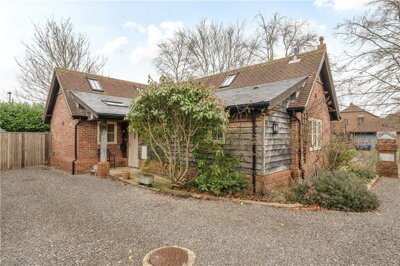
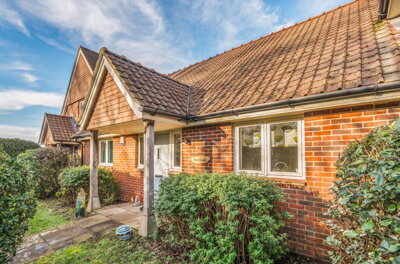
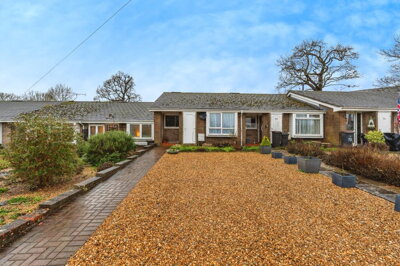
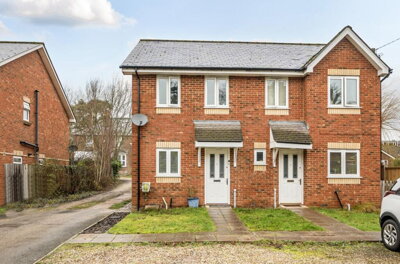
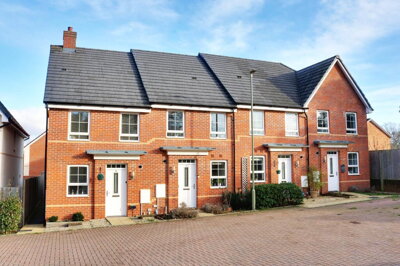
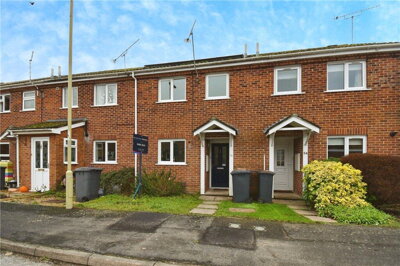
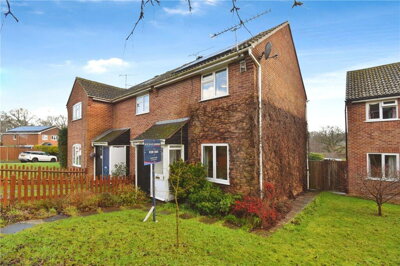
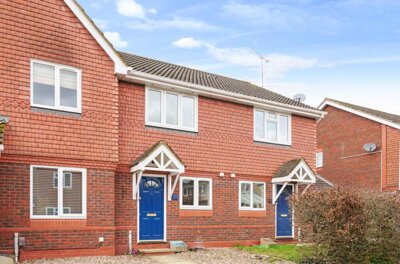
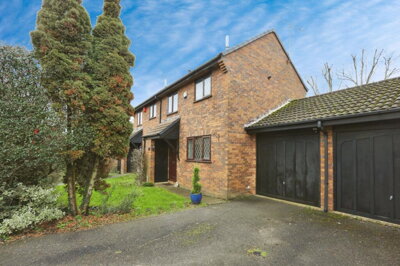
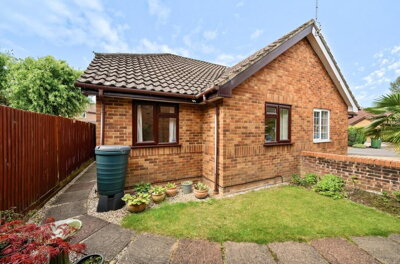
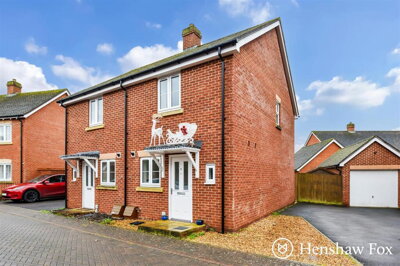
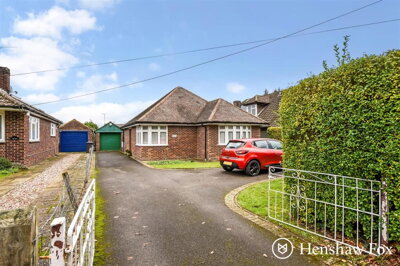
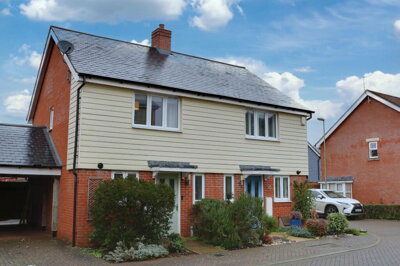
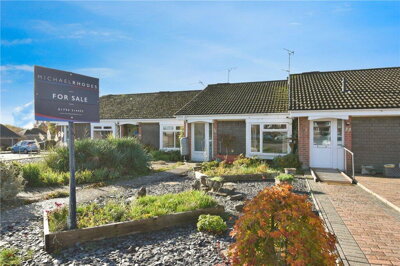
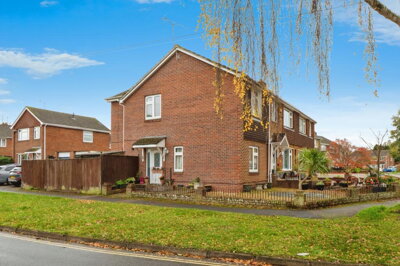
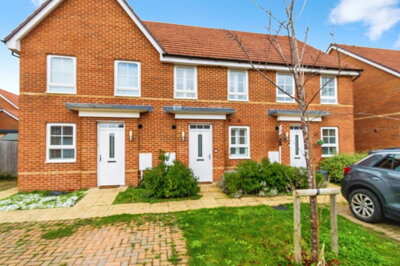
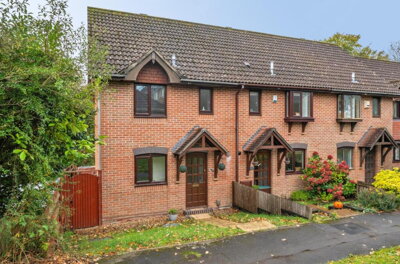
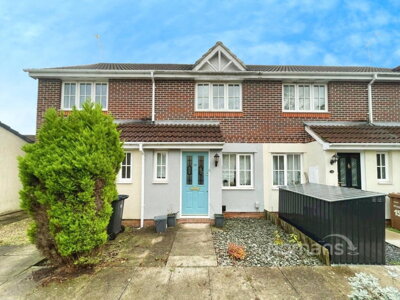
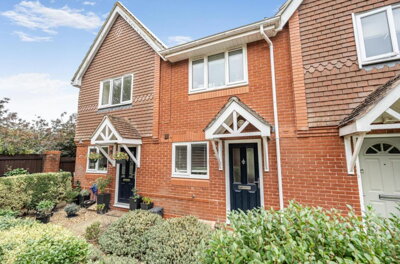
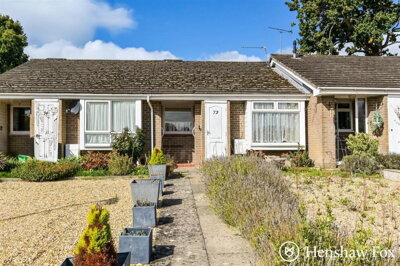
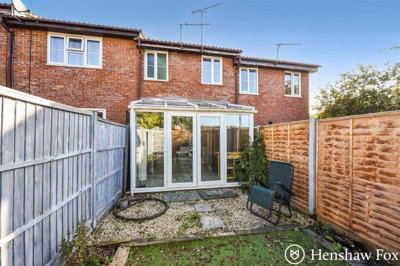
Browse 44 homes for sale in Ampfield, Test Valley from local estate agents.
The 2 bed house market features detached, semi-detached, and terraced properties with two separate bedrooms plus living spaces. Properties in Ampfield range from Victorian and Edwardian period homes to modern new builds, with pricing varying across different neighbourhoods.
£0k
0
0
0
Source: home.co.uk
Showing 0 results for 2 Bedroom Houses for sale in Ampfield, Test Valley.
The Ampfield property market is characterised by its predominantly detached housing stock, with homes priced from £250,000 for flats through to over £822,000 for larger detached properties. Our data shows that detached homes command the highest values in the village, reflecting the strong demand for spacious family accommodation in this rural setting. Semi-detached properties typically sell for around £475,000, while terraced homes offer more accessible entry points from £400,000. The market has shown steady resilience, with property prices increasing by 1.8% over the past twelve months, indicating continued buyer confidence in the area.
New build activity within the Ampfield postcode area remains limited, with no major developments currently verified within the village itself. Buyers seeking modern specification homes may wish to explore neighbouring areas such as Romsey or Winchester, which offer newer developments while remaining within easy reach of Ampfield. The village's existing housing stock compensates for this with character-rich properties spanning multiple eras, from charming pre-1919 cottages within the conservation area to thoughtfully designed homes from subsequent decades. This variety ensures buyers can find properties that match different tastes and budgets while benefiting from the village's enduring appeal.
The age distribution of properties in Ampfield reflects the village's historical development, with a significant proportion built before 1919, particularly around the conservation area centred on St Mark's Church. Inter-war properties from 1919-1945 add to the architectural diversity, as do post-war homes from 1945-1980 and more modern properties built after 1980. This mix of property ages means buyers should budget for varying maintenance requirements depending on the property they choose, with older homes potentially requiring more investment but offering character that newer properties cannot match.

Ampfield parish had a population of 1,577 residents according to the 2021 Census, distributed across approximately 600 to 650 households. The village maintains an intimate, tight-knit community atmosphere that belies its proximity to larger towns and cities. Residents describe a friendly environment where neighbours know each other and community events bring people together throughout the year. The village benefits from a conservation area designation that preserves its historic character, encompassing the church and surrounding period properties that give Ampfield its distinctive village identity.
The surrounding Hampshire countryside provides ample recreational opportunities, with extensive walking routes crossing farmland and woodland typical of the Test Valley landscape. The underlying chalk geology of the Hampshire Downs shapes the local environment, with areas of clay-with-flints creating varied terrain and contributing to the agricultural character of the region. Local amenities include traditional pubs serving food, village halls hosting community groups, and easy access to larger shopping facilities in nearby Romsey and Winchester. The combination of rural tranquility and practical accessibility makes Ampfield particularly attractive to families and professionals seeking a better quality of life without isolation.
The village's location within Test Valley means residents benefit from the borough council's services while enjoying rural living. Key employers in the surrounding area include those in Romsey, Winchester, Southampton, and Salisbury, with many Ampfield residents commuting to these towns for work. Agriculture and local services continue to provide some employment within the immediate area, maintaining the village's connection to its countryside roots. The A3090 road that passes through the village provides the main artery connecting residents to these employment centres and amenities.
Community life in Ampfield revolves around several key venues and events that bring residents together throughout the year. The village hall hosts various groups and activities, while the local pubs provide informal gathering spaces for social occasions. St Mark's Church stands the conservation area, its historic presence a reminder of the village's long-standing heritage. For families, the sense of community is particularly valuable, with children growing up in a safe environment where neighbours look out for one another and community spirit remains strong despite the village's proximity to larger urban areas.
Families considering a move to Ampfield will find a selection of educational options within reasonable driving distance. Primary education is served by schools in the surrounding villages and towns, with many parents travelling to Romsey for key stage one and two provision. The village's position within Test Valley means pupils typically access schools in the Romsey area, where several primary schools serve different catchment zones. Parents should verify current catchment boundaries with Hampshire County Council, as school admissions can be competitive in desirable areas.
Secondary education options include notable schools in Romsey and Winchester, with families often prioritising institutions with strong academic records and good Ofsted ratings. Schools in the Romsey area serve the primary catchment for Ampfield residents, while secondary schools in Winchester provide additional options for families willing to travel. The presence of grammar schools in nearby areas means families should research catchment boundaries carefully when selecting a property. Entry to grammar schools is determined by the 11-plus examination, and places are allocated based on proximity and ranking.
Sixth form and further education provision is readily available in Winchester, Southampton, and Romsey, providing comprehensive options for older students. Winchester College and other independent schools in Hampshire are accessible from the Ampfield area, with several well-regarded private schools within comfortable driving distance. For students pursuing vocational qualifications or apprenticeships, colleges in Southampton and Andover offer diverse programmes. Parents are advised to confirm current school allocations and admission policies with Test Valley Borough Council and Hampshire County Council, as catchment areas can influence property values and desirability in specific streets or developments.
Ampfield benefits from excellent transport connectivity that supports its status as a popular commuter village. The A3090 road passes through the village, providing direct access to Romsey to the east and Winchester to the north. The M27 motorway is within easy reach, offering connections to Southampton, Portsmouth, and the wider motorway network. For London-bound commuters, the M3 provides a straightforward route to the capital, with Winchester station offering fast train services to London Waterloo in approximately one hour.
Public transport options include bus services connecting Ampfield with Romsey and Winchester, though frequency may be limited compared to urban routes. Rail connections from Romsey station provide services to Southampton, Salisbury, and Winchester, expanding travel options for residents without car access. Romsey station sits on the Wessex Main Line, offering regular services to major destinations including Southampton Central, Salisbury, and Bristol Temple Meads. For travel to London, Winchester station remains the preferred option with its faster services to London Waterloo.
Cycling infrastructure varies, with rural lanes offering scenic but sometimes challenging routes for less experienced cyclists. The Hampshire countryside provides popular cycling routes for recreational purposes, though commuting by bicycle to major employment centres requires careful route planning. Parking provision in the village is adequate for a settlement of its size, though residents commuting by car appreciate the free parking options available at nearby railway stations in Romsey and Winchester. The combination of road and rail connections makes Ampfield practical for professionals working in Southampton, Winchester, or commuting to London while enjoying village living.
Understanding the construction methods used in Ampfield properties helps buyers appreciate the character and potential maintenance needs of homes in this Hampshire village. The predominant building materials include brick, often in red or yellow stock brick, frequently combined with render or tile hanging on upper storeys. Traditional properties may incorporate flint or local stone, particularly in the oldest buildings within the conservation area. Roofs are typically tiled using clay or concrete tiles, with some properties featuring slate where owners have invested in higher specification replacements.
Construction methods have evolved over time, with properties from the early 20th century onwards typically built using traditional cavity wall construction. Older properties, particularly those predating 1919, are often constructed with solid walls using brick, stone, or flint depending on the era and available materials. Timber frame elements are common in older extensions, outbuildings, and barn conversions throughout the village. These traditional construction methods contribute to the characterful appearance of Ampfield properties but require understanding when assessing condition and planning maintenance works.
Our surveyors frequently identify specific issues arising from these construction methods in local properties. Solid wall properties often lack effective insulation, leading to condensation issues and higher heating costs. Older properties with lime-based mortars may show erosion where repointing has been carried out with inappropriate cement mortars. Timber frame elements require careful inspection for signs of woodworm or rot, particularly in areas with poor ventilation. Properties with flint construction require specialist knowledge when assessing structural integrity, as flint is relatively soft and can be damaged by inappropriate repairs or alterations.
Before viewing properties, understand the Ampfield market by reviewing current listings and recent sales data. Our research shows detached homes average £822,000 while smaller properties start from £250,000. Obtain a mortgage agreement in principle to strengthen your position when making offers on properties in this competitive village market, where limited supply means well-prepared buyers have the best chance of securing their preferred property. Consider engaging a local estate agent with knowledge of the Test Valley market, as they can provide insights into properties coming to market before they are widely advertised.
Contact local estate agents active in the Test Valley area to arrange viewings of properties matching your requirements. Given the limited number of sales in Ampfield, typically around 10 per year, being proactive and flexible with viewing times will help you secure suitable properties before others do. Take notes during viewings and ask about the history of the property, any previous works carried out, and the reasons for selling. For listed buildings or properties within the conservation area, verify whether any planning permissions or building regulation approvals have been granted for previous alterations.
Once your offer is accepted, arrange a RICS Level 2 Survey to assess the property condition. For a typical three-bedroom detached home in Ampfield, expect to pay between £500 and £800. This survey is particularly valuable given the significant proportion of older properties in the village, where issues such as damp, roof condition, and timber defects are commonly found. Our surveyors are experienced in assessing properties across Hampshire and understand the specific issues affecting homes in the Test Valley area, from subsidence risks related to clay geology to the maintenance requirements of period properties.
Appoint a conveyancing solicitor to handle the legal aspects of your purchase. Your solicitor will conduct searches with Test Valley Borough Council, investigate any planning constraints affecting the property, and manage the exchange of contracts. Budget for conveyancing costs from £499 for standard transactions, though more complex purchases involving listed buildings or unusual tenures may incur higher fees. Ensure your solicitor is experienced in Hampshire property transactions and understands local issues such as conservation area requirements and rights of way that may affect the property.
Once all searches are satisfactory and your mortgage is finalized, your solicitor will arrange for contracts to be exchanged. This marks the point when your purchase becomes legally binding, and you will typically pay a deposit of 10% of the purchase price at this stage. Completion typically follows within weeks, at which point you will receive the keys to your new Ampfield home. On completion day, our team wish you every happiness in your new village home and encourage you to get involved in the community activities that make Ampfield such a welcoming place to live.
Properties in Ampfield require careful consideration of local geological and environmental factors that can affect properties throughout Hampshire. The underlying chalk and clay-with-flints geology creates potential for shrink-swell movement, particularly affecting properties with mature trees or those built with shallower foundations. Our survey data indicates subsidence issues are among the most common problems in properties across similar Hampshire villages. Prospective buyers should request evidence of foundation depth and any history of structural movement when viewing older properties.
The conservation area designation covering the historic village centre brings specific planning considerations that buyers should understand before purchasing. Properties within this zone may be subject to stricter controls on extensions, alterations, and external changes to preserve the village character. Several properties in Ampfield are listed buildings, including St Mark's Church and various historic farmhouses, which require specialist heritage surveys beyond standard RICS Level 2 assessments. Any buyer considering works to a listed property must obtain listed building consent from Test Valley Borough Council, adding complexity to renovation projects and potentially limiting future alterations.
Surface water flooding represents a known risk in parts of Ampfield, particularly in low-lying areas where drainage capacity may be exceeded during heavy rainfall. The village is not directly on a major river, but areas near smaller watercourses or tributaries feeding into the River Test catchment may have some fluvial flood risk. We recommend requesting flood risk reports and reviewing drainage history when evaluating properties. Properties with larger gardens should also be checked for adequate soakaway systems, as older drainage infrastructure may not meet current standards. Understanding these local factors helps buyers make informed decisions and budget appropriately for any remedial works identified during survey.
Common defects found in Ampfield properties reflect the age and construction of the local housing stock. Damp issues, including rising damp, penetrating damp, and condensation, are frequently identified in older properties due to age, lack of maintenance, or altered damp-proof courses. Roof condition problems such as slipped tiles, failing felt, or issues with lead flashing require repair or replacement in older homes. Outdated electrics, including rubber or lead sheathed cables, and plumbing systems that do not meet current standards are common in properties built before 1980. Timber defects including woodworm and wet or dry rot can be present in older timber elements, especially in areas with poor ventilation or damp conditions.

The average house price in Ampfield stands at £701,500 according to the most recent data. Detached properties command the highest prices at approximately £822,000, while semi-detached homes typically sell for around £475,000. Terraced properties average £400,000 and flats start from £250,000. Property prices have increased by 1.8% over the past twelve months, indicating a stable and gradually appreciating market in this Hampshire village.
Properties in Ampfield fall under Test Valley Borough Council jurisdiction, and council tax bands range from A to H depending on property value and size. Most family homes in the village, particularly detached properties, typically fall into bands D through F. Prospective buyers should check specific bandings with Test Valley Borough Council or the Valuation Office Agency, as bands affect ongoing running costs and can influence purchasing decisions. Banding information is publicly available online through the Valuation Office Agency website.
Primary education near Ampfield is served by schools in the surrounding Romsey area, with families typically accessing provision within a short drive of the village. Secondary schools in Romsey and Winchester serve the area, with several achieving strong Ofsted ratings and academic results. Parents should verify current catchment allocations with Hampshire County Council, as school admissions can be competitive in desirable areas like Test Valley. Independent schooling options are also available in the wider Hampshire area, with several well-regarded private schools within comfortable driving distance.
Ampfield has bus services connecting to Romsey and Winchester, though frequencies are limited compared to urban areas. Romsey station provides rail connections to Southampton, Salisbury, and Winchester, with onward services to major destinations including London. For comprehensive public transport access, residents typically rely on cars supplemented by rail travel from nearby stations. The M27 and M3 motorways are easily accessible for road travel to Southampton, Portsmouth, and the wider motorway network.
Ampfield offers solid investment potential due to its desirable rural location, excellent transport connections, and limited supply of properties. The village attracts commuters working in Southampton, Winchester, and London, maintaining consistent demand for housing. With property prices showing steady appreciation and no major new developments in the pipeline, supply constraints continue to support values. The conservation area designation and period property character also help preserve the village's appeal and property values over time.
Stamp duty rates for 2024-25 are 0% on the first £250,000 of residential property purchases, 5% on the portion from £250,001 to £925,000, 10% from £925,001 to £1.5 million, and 12% above £1.5 million. First-time buyers benefit from relief on the first £425,000, with 5% applied between £425,001 and £625,000. For a typical Ampfield home at the average price of £701,500, standard buyers would pay approximately £22,575 in stamp duty.
Given that a significant proportion of Ampfield's housing stock is over 50 years old, a RICS Level 2 Survey is highly valuable for identifying defects before you commit to purchase. Our surveyors regularly find damp issues, roof defects, subsidence related to the local clay geology, outdated electrics, and timber problems in properties across the village. For a three-bedroom detached property, expect to pay between £500 and £800 for a comprehensive survey that could save thousands in unexpected repair costs. Properties within the conservation area or those that are listed buildings may require additional specialist surveys beyond the standard RICS Level 2 assessment.
The primary risks when buying in Ampfield relate to the age and construction of properties in this historic village. The clay-with-flints geology creates potential for subsidence or heave, particularly in properties with mature trees or shallower foundations. Surface water flooding affects certain areas during heavy rainfall, so requesting a flood risk report is essential. Properties within the conservation area face restrictions on alterations and renovations, while listed buildings require specialist knowledge and additional consents for any works. A thorough survey identifies these risks before purchase, allowing you to budget accordingly or renegotiate the price if significant issues are discovered.
Buying a property in Ampfield involves several costs beyond the purchase price that buyers should budget for in advance. Stamp duty land tax represents the largest additional cost, with standard rates of 0% on the first £250,000, rising to 5% on the portion between £250,001 and £925,000. Given the average property price of £701,500, a typical buyer would expect to pay approximately £22,575 in stamp duty. First-time buyers purchasing properties up to £625,000 may qualify for relief, reducing costs substantially on qualifying purchases.
Survey costs are particularly important in Ampfield given the age of much of the housing stock. A RICS Level 2 Survey for a three-bedroom detached property typically costs between £500 and £800 depending on the surveyor and property characteristics. This investment identifies defects common in older properties such as damp, roof issues, and potential subsidence related to the local clay geology. For listed buildings or properties within the conservation area, additional specialist surveys may be required, increasing overall survey costs but providing comprehensive information about the property's condition and any heritage considerations.
Conveyancing fees from specialist solicitors handling Test Valley property transactions typically start from £499 for standard purchases, covering legal work, local authority searches, and contract preparation. Local authority searches with Test Valley Borough Council are essential in Ampfield, revealing planning history, conservation area status, and any environmental factors affecting the property. Additional costs may include mortgage arrangement fees, valuation fees, and removal expenses, which together can add several thousand pounds to the total budget. We recommend budgeting for approximately 3-5% of the purchase price in additional costs beyond the property price itself.
Properties for Sale In London

Properties for Sale In Plymouth

Properties for Sale In Liverpool

Properties for Sale In Glasgow

Properties for Sale In Sheffield

Properties for Sale In Edinburgh

Properties for Sale In Coventry

Properties for Sale In Bradford

Properties for Sale In Manchester

Properties for Sale In Birmingham

Properties for Sale In Bristol

Properties for Sale In Oxford

Properties for Sale In Leicester

Properties for Sale In Newcastle

Properties for Sale In Leeds

Properties for Sale In Southampton

Properties for Sale In Cardiff

Properties for Sale In Nottingham

Properties for Sale In Norwich

Properties for Sale In Brighton

Properties for Sale In Derby

Properties for Sale In Portsmouth

Properties for Sale In Northampton

Properties for Sale In Milton Keynes

Properties for Sale In Bournemouth

Properties for Sale In Bolton

Properties for Sale In Swansea

Properties for Sale In Swindon

Properties for Sale In Peterborough

Properties for Sale In Wolverhampton

Enter your details to see if this property is within your budget.
Loans, cards, car finance
Estimated property budget
Borrowing + deposit
You could borrow between
Typical borrowing
Monthly repayment
Est. at 4.5%
Loan-to-value
This is an estimate only. Your actual budget may vary depending on interest rates, credit history, and personal circumstances. For an accurate affordability assessment, speak to one of our free mortgage advisors.
This calculator provides estimates for illustrative purposes only and does not constitute financial advice. Your home may be repossessed if you do not keep up repayments on your mortgage. Estimates based on 4.5% interest rate, repayment mortgage. Actual rates depend on your circumstances.
Homemove is a trading name of HM Haus Group Ltd (Company No. 13873779, registered in England & Wales). Homemove Mortgages Ltd (Company No. 15947693) is an Appointed Representative of TMG Direct Limited, trading as TMG Mortgage Network, which is authorised and regulated by the Financial Conduct Authority (FRN 786245). Homemove Mortgages Ltd is entered on the FCA Register as an Appointed Representative (FRN 1022429). You can check registrations at NewRegister or by calling 0800 111 6768.

We use cookies to show you personalised content and improve your experience of our website. Find out more in our Privacy policy and Cookie policy.