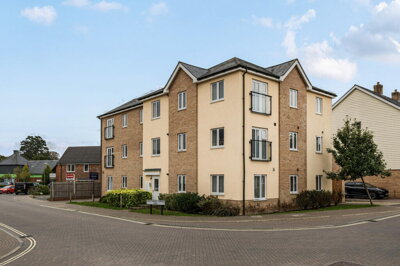
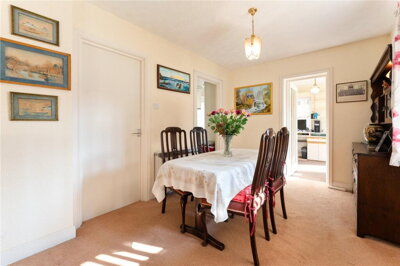
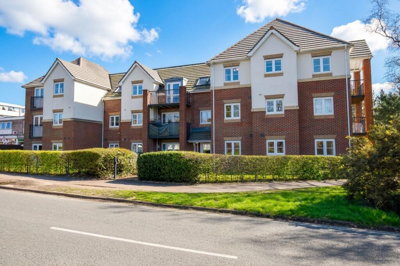
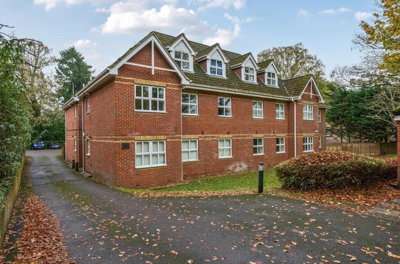
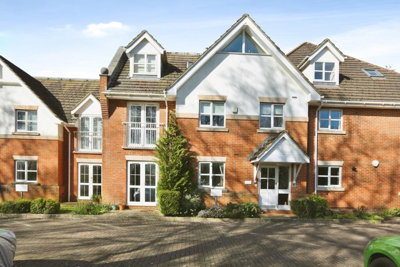
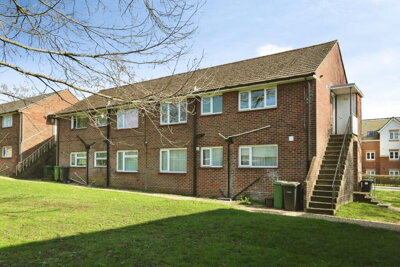
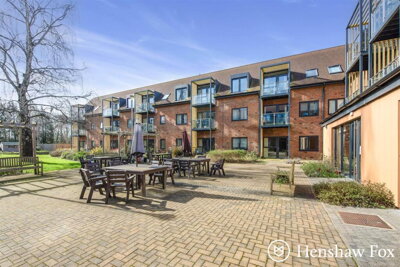
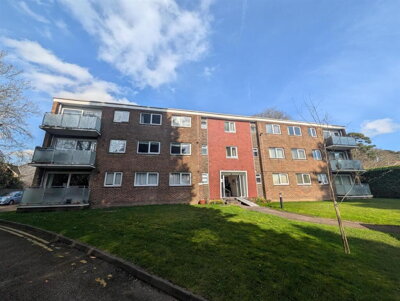
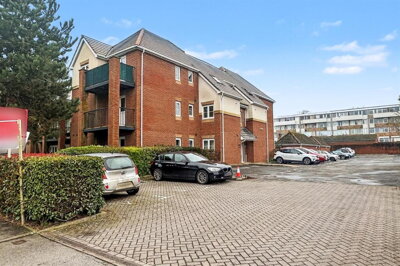
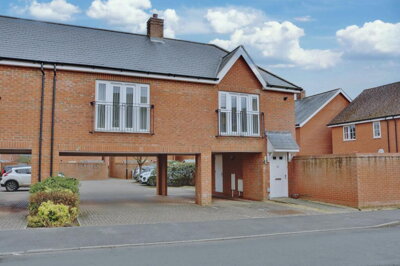
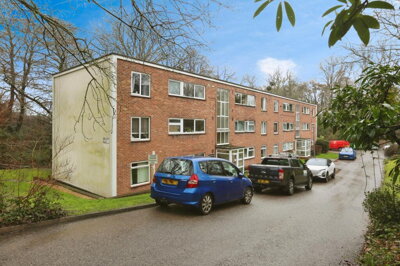
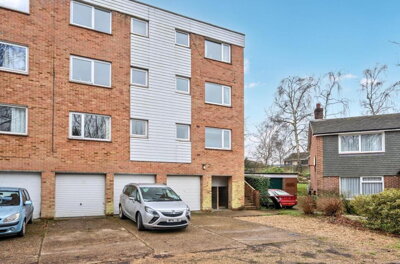
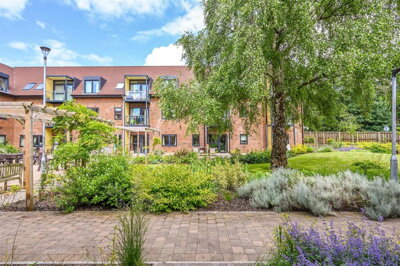
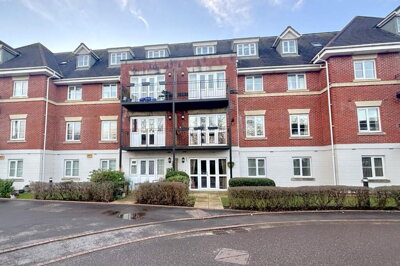
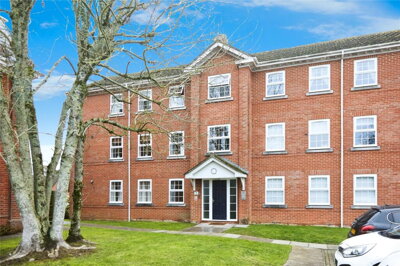
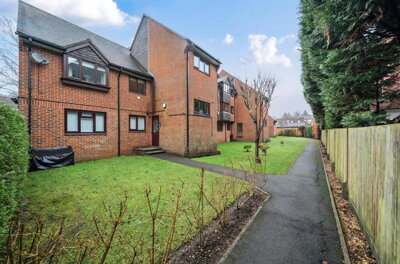
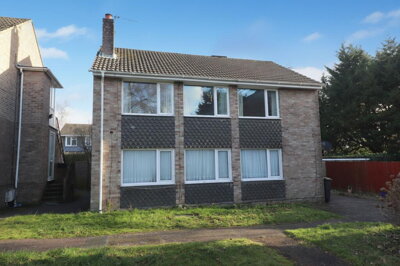
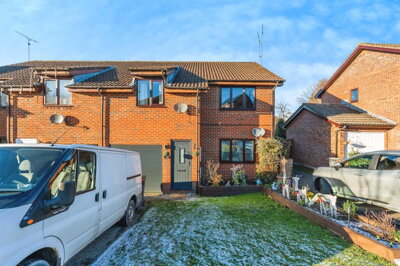
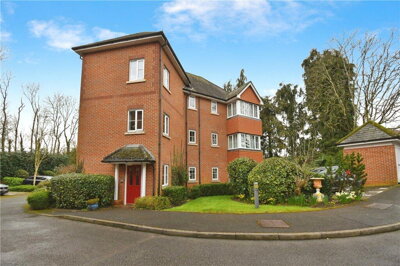
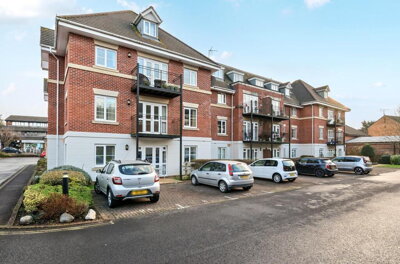
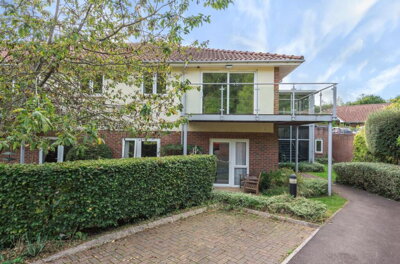
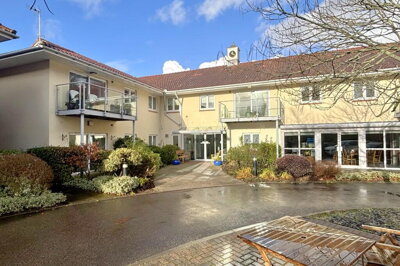
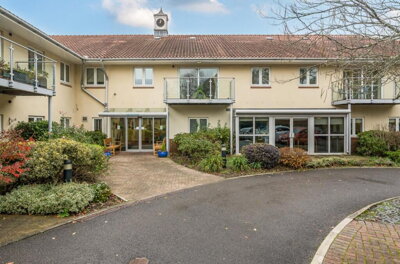
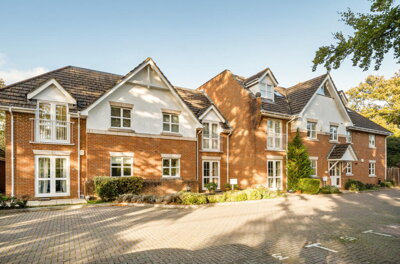
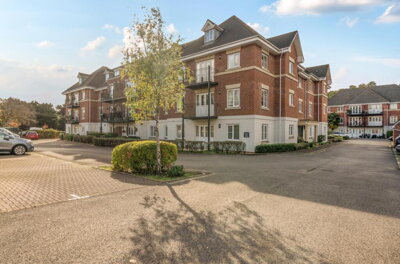
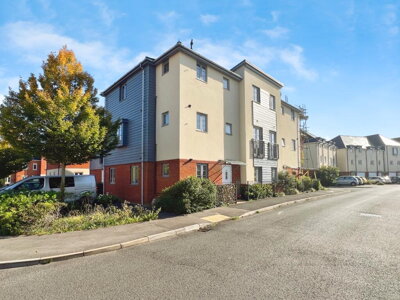
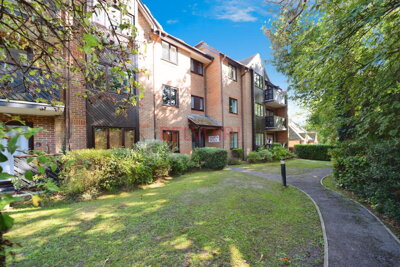
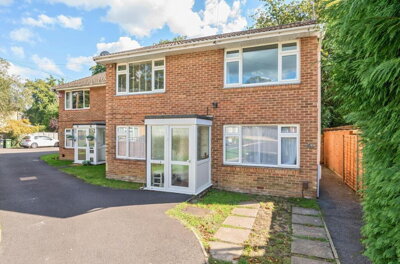
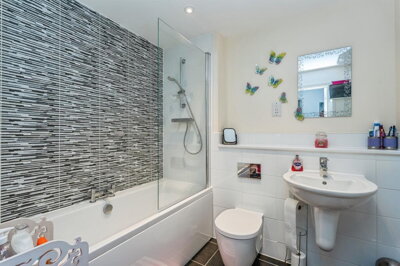
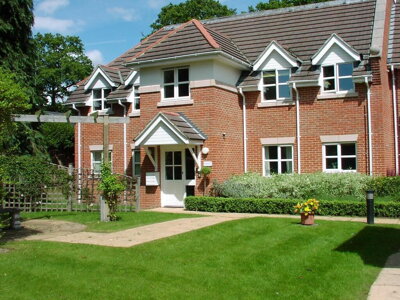
Browse 48 homes for sale in Ampfield, Test Valley from local estate agents.
The 2 bed flat sector typically includes two separate bedrooms, dedicated living areas, and bathroom facilities. Properties in Ampfield span purpose-built blocks, converted period houses, and modern apartment complexes on various floors.
£272k
2
0
77
Source: home.co.uk
Showing 2 results for 2 Bedroom Flats for sale in Ampfield, Test Valley. The median asking price is £272,000.
Source: home.co.uk
Flat
2 listings
Avg £272,000
Source: home.co.uk
Source: home.co.uk
Newmarket's property market offers impressive variety across all price brackets and property types. Detached properties command the highest average prices at £530,307, reflecting the desirability of larger family homes with gardens and often equestrian facilities. Semi-detached properties, comprising nearly 30% of the housing stock, average £330,816 and represent excellent value for families seeking generous living space without premium prices. The market has shown relative stability over the past twelve months, with overall prices declining by just 1.7%, suggesting a mature market where values have settled following previous periods of growth.
Terraced properties in Newmarket average £280,000, making them an attractive entry point for first-time buyers or those seeking a manageable property close to town centre amenities. Flats and apartments, averaging £188,400, offer affordable options particularly appealing to young professionals or investors targeting the rental market. The town's strong connection to the horse racing industry creates consistent demand across all property types, from training yards and stud farm cottages to executive homes near the famous Rowley Mile racecourse.
The housing stock in Newmarket reflects its varied history, with approximately 17.5% of properties built before 1919, giving the town a wealth of characterful period homes. A further 46% of properties were constructed between 1919 and 1980, including many post-war semis and family homes that offer spacious accommodation at reasonable prices. The remaining 36.5% of modern properties includes new build developments on the town periphery, providing contemporary options for buyers seeking newer construction with modern insulation and heating systems.

Several new build developments are currently active in Newmarket, offering buyers the opportunity to purchase brand new homes with modern construction standards and developer warranties. Taylor Wimpey's The Paddocks development in CB8 0FA provides 2, 3, 4, and 5 bedroom homes from £319,995 for a two-bedroom property. This development offers contemporary layouts designed for modern family living, with energy-efficient construction that can help reduce ongoing utility costs compared to older properties in the town.
Barratt Homes' King's Warren development on Fordham Road, CB8 7AA, also features 2, 3, 4, and 5 bedroom properties from £319,995 for the smaller house types. David Wilson Homes' Newmarket Leys development, also in CB8 7AA, offers 3, 4, and 5 bedroom family homes from £419,995 for a three-bedroom property. These developments are particularly popular with buyers seeking the certainty of a new build, including fresh décor, modern kitchens and bathrooms, and the reassurance of a 10-year NHBC warranty on structural elements.

Newmarket's unique character stems from its extraordinary concentration of horse racing expertise and its proud heritage dating back centuries. The town is home to approximately 3,000 horses in training, with numerous stables, stud farms, and the National Horse Racing Museum all contributing to a distinctive atmosphere. Residents enjoy access to world-class racing at both the July Course and the Rowley Mile, with the town literally operating to the rhythm of the racing calendar. Beyond racing, Newmarket offers a welcoming community spirit with regular markets, cultural events, and strong local traditions that foster genuine neighbourly connections.
The town centre provides practical amenities including supermarkets, independent retailers, healthcare facilities, and a variety of restaurants and pubs. For leisure, residents benefit from excellent sports facilities, golf courses, and extensive bridleway networks through the surrounding chalk downs. The population of 16,527 across 7,088 households creates a town that feels substantial enough to offer variety while maintaining an intimate, village-like atmosphere where familiar faces are the norm. Families are particularly well-served by the range of schools, recreational facilities, and the safe, welcoming environment that makes Newmarket consistently popular with buyers of all ages.
Newmarket's economy revolves significantly around the horse racing industry, with training stables, stud farms, veterinary practices, and racing-related businesses providing substantial employment. This concentrated economic activity creates a stable jobs market less susceptible to broader economic fluctuations, as the racing industry operates year-round regardless of wider economic conditions. The town also supports retail, hospitality, and light industrial sectors, with good transport connections enabling residents to commute to Cambridge's technology and bioscience sectors for additional employment opportunities.
Education provision in Newmarket serves families well across all stages, with several primary schools feeding into the town's secondary options. Primary education is served by institutions including Newmarket Academy's primary phase, which offers education from early years through to Key Stage 2, along with other local primary schools serving surrounding neighbourhoods. The town's education sector has benefited from ongoing investment, with schools working closely with families to support children's development. Parents should research individual school performance data and consider catchment areas when property hunting, as availability can be competitive in popular areas close to higher-performing schools.
Secondary education in Newmarket includes Newmarket Academy, which provides comprehensive education for students aged 11-16, with a sixth form offering post-16 opportunities. The academy has shown consistent improvement in examination results and offers a range of A-level and vocational courses for sixth form students. For families seeking grammar school options, the nearby towns of Bury St Edmunds and Cambridge offer selective schools accessible via good transport connections. The presence of quality education at all levels makes Newmarket particularly attractive to families, and buyers should note that properties within good school catchment areas often command premium values and tend to be in strong demand when resold.
Newmarket benefits from excellent transport connections that make commuting to major employment centres entirely practical. The town is served by Newmarket railway station, offering regular services to Cambridge, with journey times of approximately 20-25 minutes, and onward connections to London King's Cross via Cambridge taking around 1 hour 30 minutes. This makes Newmarket particularly attractive to professionals working in Cambridge's thriving technology and bioscience sectors, as well as those needing access to the capital. The A14 trunk road runs nearby, providing direct road access to Cambridge, Ipswich, and the wider motorway network including connections to the M11.
Local bus services operate throughout Newmarket and connect the town to surrounding villages and nearby towns including Cambridge, Bury St Edmunds, and Haverhill. For those who drive, parking in the town centre is generally manageable compared to larger towns, making everyday shopping and amenities easily accessible. Cyclists benefit from quieter rural roads and designated routes popular with recreational riders, while the extensive bridleway network provides unique opportunities for horse riders. London Stansted Airport is reachable within approximately 45 minutes by car, offering international travel connections for business and leisure travellers.
Spend time exploring different areas of Newmarket, from the conservation areas around the High Street to new developments on the outskirts. Consider your priorities regarding proximity to schools, racing facilities, town centre amenities, and transport links. Newmarket's varied neighbourhoods each offer distinct character, so understanding what suits your lifestyle is essential before making an offer.
Before viewing properties, obtain a mortgage agreement in principle from a lender. This strengthens your position when making offers and demonstrates to sellers that you are a serious, prepared buyer. Factor in additional costs including Stamp Duty, solicitor fees, survey costs, and removal expenses. With average prices around £367,000, most buyers will need a mortgage, so getting financial arrangements in place early streamlines the purchasing process considerably.
Work with local estate agents who know Newmarket's market intimately. When you find a suitable property, submit a competitive offer that reflects current market conditions, the property's condition, and comparable sales. Be prepared to negotiate on price or terms, particularly for properties that have been on the market for some time. Your estate agent can advise on appropriate offer levels based on their knowledge of local market activity.
Once your offer is accepted, arrange a RICS Level 2 Survey to assess the property's condition comprehensively. Given that over 63% of Newmarket properties were built before 1980, surveys are particularly valuable for identifying issues common to older construction, including potential damp problems, roof condition, and signs of subsidence in properties built on clay soils. A thorough survey protects your investment and may provide leverage for price adjustments if significant issues are discovered.
Appoint a conveyancing solicitor to handle the legal transfer of ownership. They will conduct searches with West Suffolk Council, investigate title deeds, and coordinate with your mortgage lender if applicable. Conveyancing typically takes 8-12 weeks in Newmarket, though timing varies depending on chain complexity and whether the property is leasehold or freehold. Your solicitor will keep you informed throughout and address any queries that arise during the process.
Once all legal searches are satisfactory and finances are confirmed, you will exchange contracts and pay your deposit, legally committing to the purchase. Completion typically occurs 1-2 weeks later, at which point the remaining funds are transferred and you receive the keys to your new Newmarket home. Congratulations, you are now a homeowner in one of Suffolk's most distinctive and welcoming towns.
Newmarket's property landscape includes significant conservation areas and numerous listed buildings that impose planning restrictions and special considerations for buyers. The High Street conservation area and the area around Palace House contain many historic properties, as do designated residential conservation areas surrounding the town centre. Properties in these locations may be subject to stricter planning controls regarding alterations, extensions, and exterior modifications. If you are considering any works beyond simple decorating, consulting with West Suffolk Council's planning department before committing to a purchase can prevent costly surprises. Listed buildings require listed building consent for many alterations, and buyers should factor potential restoration costs and specialist requirements into their decision-making process.
Flood risk awareness is important when evaluating properties in Newmarket. The town has areas at risk of surface water flooding, particularly in lower-lying parts near watercourses. The chalk geology prevalent in the area generally provides good drainage, though some properties built on areas with clay deposits may show signs of subsidence or heave, especially those with large trees nearby or inadequate foundations. Properties with equestrian facilities should be checked for stable construction, fencing condition, and any environmental permits that may be required for commercial operations. Older properties built with traditional solid brick walls may lack modern damp-proof courses, making thorough surveys particularly valuable before purchase.
Most properties in Newmarket are freehold, though some flats and apartments may be leasehold with associated ground rent and service charge commitments. When purchasing a leasehold property, review the remaining lease term, any service charges, and any upcoming major works that might require contributions. The construction of properties in Newmarket typically follows regional patterns, with older properties featuring traditional brick construction using red or gault brick, timber floors, and pitched roofs with slate or clay tiles. Newer properties typically use cavity wall construction with brick or render finishes, timber roof trusses, and concrete tiled roofs.
The average house price in Newmarket (CB8 postcode) stands at £367,073 based on recent sales data. Detached properties average £530,307, semi-detached homes around £330,816, terraced properties £280,000, and flats approximately £188,400. Prices have shown modest correction over the past twelve months with an overall decline of 1.7%, with terraced properties seeing slightly larger adjustments at 2.3% and detached properties remaining more stable at 1.0% decline. This suggests stable market conditions after previous periods of growth, making Newmarket a sensible choice for buyers seeking reasonable value in a desirable Suffolk location.
Newmarket falls under West Suffolk Council, and council tax bands range from A through to H depending on property value. Most terraced properties and smaller flats fall into bands A-C, while larger detached homes and properties in prestigious locations may be in bands E-H. Prospective buyers should check specific band information for any property they are considering, as council tax contributes to local services including education, refuse collection, and local authority maintenance. Band information is available through the West Suffolk Council website or can be confirmed by your solicitor during conveyancing.
Newmarket offers good educational provision across all levels, with several well-regarded primary schools and Newmarket Academy providing secondary education. The town has a strong tradition of educational achievement, and primary schools serve the local community well for Key Stages 1 and 2. Families seeking grammar school options can access selective schools in nearby Bury St Edmunds and Cambridge, with good transport connections making these viable options for secondary education. Parents should review Ofsted reports and examination results for individual schools, and consider school catchment areas when searching for properties, as proximity to popular schools can significantly impact both property values and future resaleability.
Newmarket railway station provides regular services to Cambridge in approximately 20-25 minutes, with direct connections to London King's Cross taking around 1 hour 30 minutes via Cambridge. This makes daily commuting to Cambridge entirely feasible for professionals working in the city's technology, bioscience, and research sectors. Local bus services connect the town to surrounding villages and nearby towns including Bury St Edmunds and Haverhill. The A14 trunk road provides excellent road access to Cambridge and Ipswich, while Stansted Airport is reachable within 45 minutes by car for international travel. For commuters to London, the train connection via Cambridge provides a reliable alternative to driving.
Newmarket's property market benefits from the town's unique position as the centre of English horse racing, which creates consistent demand from racing professionals, stable staff, and associated businesses. The population of over 16,500 supports a stable rental market, and the town's good transport links to Cambridge make it attractive to commuters seeking a more affordable alternative to Cambridge itself. Properties in Newmarket tend to attract tenants working in the racing industry, in local businesses, or commuting to Cambridge. While price growth has been modest recently, the combination of local employment, amenities, and lifestyle appeal suggests Newmarket properties should hold their value well over the medium to long term.
For standard buyers purchasing a property in Newmarket, Stamp Duty Land Tax applies at 0% on the first £250,000, 5% on the portion from £250,001 to £925,000, and 10% on amounts between £925,001 and £1.5 million. First-time buyers benefit from relief on the first £425,000, with 5% payable between £425,001 and £625,000. Given Newmarket's average price of £367,073, most buyers would pay no stamp duty at all. First-time buyers purchasing above £425,000 would pay 5% only on the amount exceeding that threshold, which on a £500,000 property would amount to £3,750. Your solicitor will calculate the exact stamp duty liability based on your specific circumstances and purchase price.
People choose Newmarket for its unique combination of rural Suffolk charm and practical connectivity. The town offers an exceptional quality of life with lower property prices than nearby Cambridge while retaining excellent commuting links. The strong racing heritage creates a distinctive local culture and stable employment, while the surrounding countryside provides beautiful landscapes for outdoor activities including riding, golf, and walking. The community spirit is genuinely welcoming, with traditional markets, local events, and a manageable town size where neighbours become familiar faces. Families appreciate the good schools and safe environment, while professionals value the straightforward commute to Cambridge and beyond.
Understanding the full cost of purchasing property in Newmarket extends beyond the headline purchase price. Stamp Duty Land Tax represents the most significant additional cost for most buyers, though at Newmarket's average price of £367,073, many purchasers will find this manageable. Standard buyers pay nothing on the first £250,000 of purchase price, with 5% applying to the amount between £250,001 and £367,073. First-time buyers benefit from increased thresholds, paying zero on the first £425,000, which means many first-time buyers purchasing at or below average Newmarket prices will pay no stamp duty at all.
Beyond stamp duty, buyers should budget for solicitor conveyancing fees typically ranging from £499 to over £1,500 depending on complexity and property value. Survey costs for a RICS Level 2 Survey in Newmarket typically range from £400 to £700 based on property size and age. Given that over 63% of Newmarket properties were built before 1980, a thorough survey is particularly valuable for identifying potential issues in older construction. Removal costs vary widely depending on distance and volume of belongings, while mortgage arrangement fees, broker fees, and valuation costs from your lender add further expenses. Buildings insurance must be in place from completion, and buyers purchasing flats should carefully review service charges and any upcoming major works contributions. Budgeting for 2-3% of purchase price in additional costs beyond stamp duty and deposit provides a realistic contingency for most transactions.
From 4.5%
Find competitive mortgage rates for your Newmarket property purchase
From £499
Expert solicitors to handle your Newmarket property purchase
From £400
Professional property survey for your Newmarket home
From £80
Energy performance certificate for your Newmarket property
Properties for Sale In London

Properties for Sale In Plymouth

Properties for Sale In Liverpool

Properties for Sale In Glasgow

Properties for Sale In Sheffield

Properties for Sale In Edinburgh

Properties for Sale In Coventry

Properties for Sale In Bradford

Properties for Sale In Manchester

Properties for Sale In Birmingham

Properties for Sale In Bristol

Properties for Sale In Oxford

Properties for Sale In Leicester

Properties for Sale In Newcastle

Properties for Sale In Leeds

Properties for Sale In Southampton

Properties for Sale In Cardiff

Properties for Sale In Nottingham

Properties for Sale In Norwich

Properties for Sale In Brighton

Properties for Sale In Derby

Properties for Sale In Portsmouth

Properties for Sale In Northampton

Properties for Sale In Milton Keynes

Properties for Sale In Bournemouth

Properties for Sale In Bolton

Properties for Sale In Swansea

Properties for Sale In Swindon

Properties for Sale In Peterborough

Properties for Sale In Wolverhampton

Enter your details to see if this property is within your budget.
Loans, cards, car finance
Estimated property budget
Borrowing + deposit
You could borrow between
Typical borrowing
Monthly repayment
Est. at 4.5%
Loan-to-value
This is an estimate only. Your actual budget may vary depending on interest rates, credit history, and personal circumstances. For an accurate affordability assessment, speak to one of our free mortgage advisors.
This calculator provides estimates for illustrative purposes only and does not constitute financial advice. Your home may be repossessed if you do not keep up repayments on your mortgage. Estimates based on 4.5% interest rate, repayment mortgage. Actual rates depend on your circumstances.
Homemove is a trading name of HM Haus Group Ltd (Company No. 13873779, registered in England & Wales). Homemove Mortgages Ltd (Company No. 15947693) is an Appointed Representative of TMG Direct Limited, trading as TMG Mortgage Network, which is authorised and regulated by the Financial Conduct Authority (FRN 786245). Homemove Mortgages Ltd is entered on the FCA Register as an Appointed Representative (FRN 1022429). You can check registrations at NewRegister or by calling 0800 111 6768.

We use cookies to show you personalised content and improve your experience of our website. Find out more in our Privacy policy and Cookie policy.