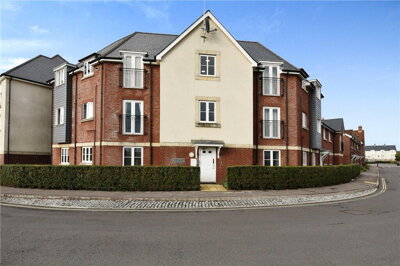
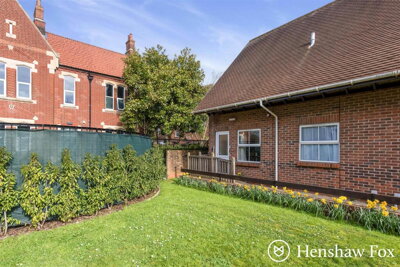
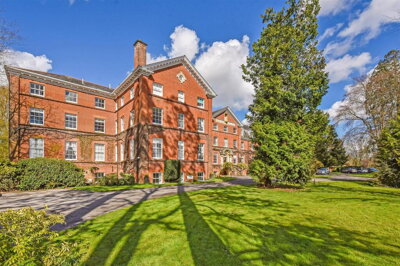
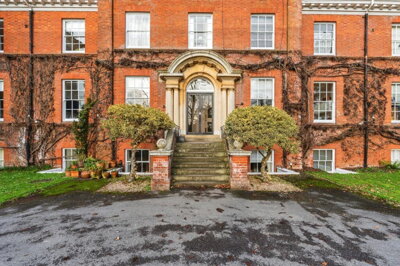
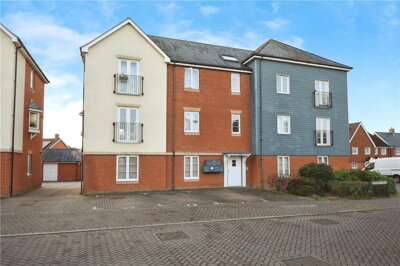
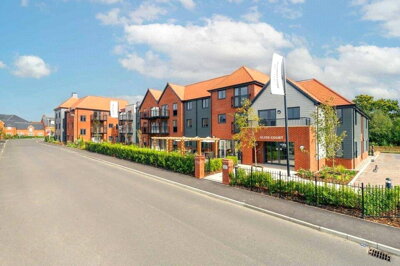
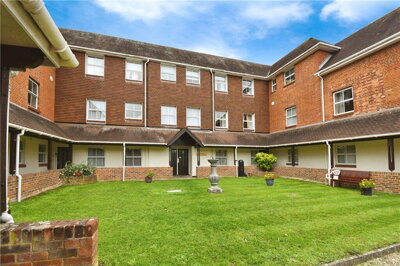
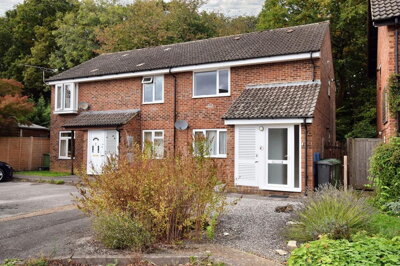
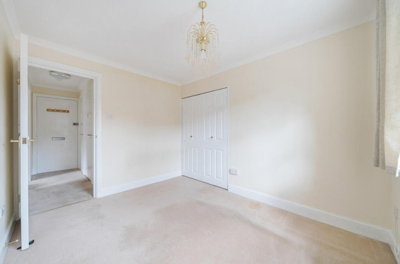
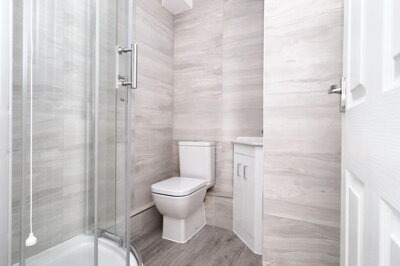
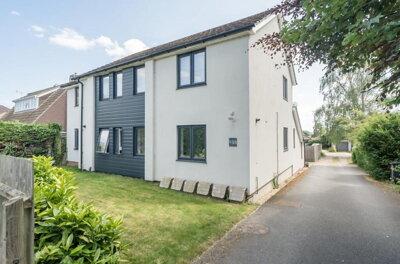
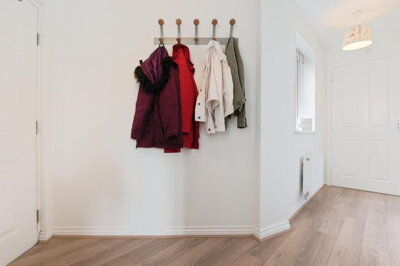
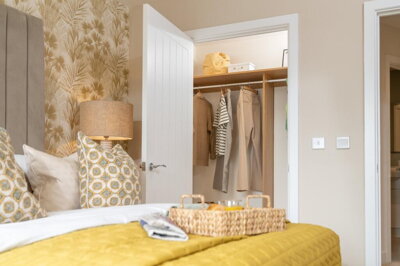
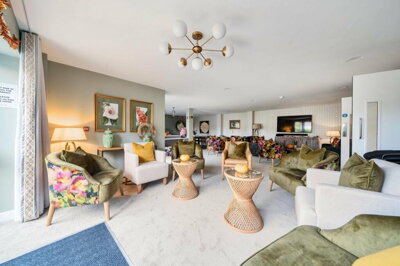
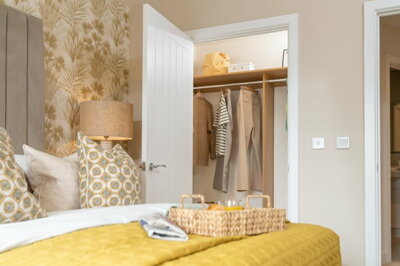
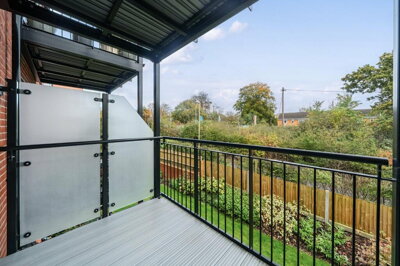
Browse 20 homes for sale in Ampfield, Test Valley from local estate agents.
One bed apartments provide a separate bedroom alongside distinct living space, bathroom, and kitchen areas. Properties in Ampfield are available in various building types including mansion blocks, contemporary developments, and house conversions.
£0k
0
0
0
Source: home.co.uk
Showing 0 results for 1 Bedroom Flats for sale in Ampfield, Test Valley.
The Newmarket property market offers excellent variety for prospective buyers, with detached houses averaging £530,307, semi-detached properties at £330,816, terraced homes at £280,000, and flats at £188,400. This price diversity means buyers can find everything from spacious family homes on generous plots to more affordable starter homes within the town. The market has experienced a slight cooling over the past twelve months, with overall prices down 1.7%, providing opportunities for buyers who are ready to negotiate in a market that favours those with mortgage agreements in place.
New build developments continue to add fresh options to the local market. The Paddocks by Taylor Wimpey offers 2, 3, 4, and 5 bedroom homes from £319,995, situated in the CB8 0FA postcode area. Barratt Homes presents King's Warren on Fordham Road (CB8 7AA) with similar house types starting from £319,995 for a two-bedroom property. For those seeking larger family homes, David Wilson Homes' Newmarket Leys development on Fordham Road features 3, 4, and 5 bedroom properties from £419,995. These new build options provide modern construction methods, energy efficiency, and often come with NHBC warranties, making them attractive to buyers who prioritise low maintenance and modern standards.
Price trends across different property types reveal some variation in market behaviour. Detached properties and flats have shown greater resilience with 1.0% declines, while semi-detached homes and terraced properties have experienced slightly larger adjustments at 2.0% and 2.3% respectively. This data suggests that larger family homes have seen more negotiation activity, which could present opportunities for buyers with larger budgets who are willing to engage with sellers on pricing.

Newmarket carries a distinctive character shaped by its position as the headquarters of British horse racing. The town is home to approximately 16,527 residents across 7,088 households according to the 2021 Census, creating a close-knit community feel while still offering comprehensive amenities. The housing stock reflects this heritage, with a mix of 26.6% detached properties, 29.8% semi-detached homes, 24.6% terraced houses, and 18.7% flats and apartments. This variety ensures that buyers with different needs and budgets can find appropriate accommodation, whether they are seeking a grand period residence near the training grounds or a modern apartment in the town centre.
The town's architecture tells a story of different eras, with 17.5% of properties built before 1919, 14.5% constructed between 1919 and 1945, 31.5% from the post-war period up to 1980, and 36.5% being more recent constructions. Traditional brick construction, typically in red or gault brick, dominates the older properties, while newer developments incorporate render finishes and contemporary materials. The conservation areas, including the High Street, Palace House, and surrounding residential areas, preserve the historic character of the town centre, with numerous listed buildings reflecting Newmarket's importance to the racing industry. Palace House, now a national heritage centre dedicated to horse racing, stands as the town's historical significance in the sport.
Beyond racing, Newmarket offers practical amenities for daily life. The High Street features independent retailers alongside familiar chains, while the AEON Centre provides additional shopping facilities. Restaurants and pubs dot the town, reflecting both traditional English fare and international cuisines. Leisure facilities include the Newmarket Leisure Centre, several golf courses in the surrounding countryside, and extensive public rights of way for walkers and cyclists to explore the local landscape.
Education provision in Newmarket serves families well, with a range of primary and secondary schools available within the town. Primary schools in the area include Newmarket Academy for younger children, along with several other primary schools serving different catchment zones throughout the town. Parents should research specific catchment areas when considering properties, as school admissions in Suffolk are determined by proximity and capacity, and certain schools within the county have become particularly popular with families relocating to the area.
Secondary education is well-represented in Newmarket, with schools offering comprehensive curricula and various extracurricular activities. The presence of sixth form provision means students can continue their education locally without necessarily travelling to larger towns for A-levels or equivalent qualifications. Further education opportunities are available at colleges in nearby towns including Cambridge and Bury St Edmunds, accessible via the excellent road connections from Newmarket. For families considering the area, visiting local schools and understanding the admissions process should form a key part of the property search, particularly given the popularity of certain schools within the county.
For buyers with interest in equestrian-related education or careers, Newmarket offers unique opportunities through the British Racing School located near the town centre. This facility provides qualifications and training for those seeking to enter the racing industry, making Newmarket an attractive location for families with horse-loving children who may wish to pursue racing as a career. Additionally, the proximity to Cambridge means older students can access the university and its colleges without excessive travel times, should they progress to higher education.
Newmarket benefits from strong transport connections that make it attractive to commuters who work in Cambridge, London, or the surrounding business centres. The A14 trunk road runs to the north of the town, providing direct access to Cambridge (approximately 30 miles) and the wider motorway network including connections to the M11. This road link is crucial for residents who travel by car for work, with journey times to Cambridge typically taking around 40-50 minutes depending on traffic conditions. The A11 provides an alternative route towards Norwich and beyond, offering additional flexibility for those travelling to East Anglia.
Rail services from Newmarket station connect passengers to Cambridge, where faster services to London King's Cross are available, with journey times to the capital typically around 45 minutes from Cambridge. The station is located on the Cambridge-Ipswich line, providing reasonable connections for those commuting to other East Anglian towns. For residents working in London regularly, the journey via Cambridge offers a viable alternative to the traditional commuting pattern, particularly given the significantly lower property prices in Newmarket compared to towns with direct London services.
Bus services operate within the town and connect Newmarket to surrounding villages and market towns, providing alternatives to car travel for those who prefer not to drive. The relatively flat terrain around Newmarket makes cycling a viable option for local journeys, while dedicated cycle paths are being developed as part of ongoing infrastructure improvements in the area. For those working in the equestrian industry, many employers offer on-site or nearby parking facilities, and some training yards may be within cycling distance of residential areas.
Before viewing any properties in Newmarket, obtain a mortgage agreement in principle from a lender. This demonstrates to sellers that you are a serious buyer capable of securing financing, which is particularly important in a competitive market where multiple offers may be common. Speak to a mortgage broker who understands the local market, as they can advise on products suited to different property types, whether you are purchasing a modern new build or an older period property.
Explore current listings on Homemove to understand what is available within your budget. The CB8 postcode area offers properties ranging from flats around £188,000 to detached homes exceeding £530,000, so knowing your price range helps narrow your search effectively. Consider setting up instant alerts for new listings, as properties in desirable areas near the training grounds and town centre can sell quickly.
Schedule viewings of properties that match your criteria. Take time to assess the neighbourhood at different times of day, check local amenities, and consider factors such as proximity to schools, transport links, and the town centre. When viewing period properties, pay particular attention to signs of damp, the condition of original windows, and the state of any extensions or conversions.
Once you have had an offer accepted, arrange for a Level 2 Survey (homebuyer report) on the property. In Newmarket, these typically cost between £400 and £700 depending on property size and type. Given that over 63% of properties were built before 1980, a survey is essential to identify defects common to older construction, including potential issues with solid brick walls, original wiring, and older plumbing systems.
Choose a conveyancing solicitor to handle the legal aspects of your purchase. They will conduct searches including local authority, drainage, and environmental checks specific to Newmarket and West Suffolk Council, handle contracts, and coordinate with the Land Registry to transfer ownership. For properties in conservation areas or listed buildings, additional searches regarding planning history and Listed Building Consent may be required.
After satisfactory survey results and completed legal work, you will exchange contracts and pay your deposit. Completion follows, typically within 28 days, when you will receive your keys and can move into your new Newmarket home. Arrange your removal logistics in advance, particularly if moving from outside the area, and notify relevant utility companies and service providers of your change of address.
Buyers considering properties in Newmarket should be aware of several area-specific factors that can affect their purchase. The local geology includes chalk with areas of sand and gravel deposits, but clay is also present in the wider Suffolk region, creating a moderate to high shrink-swell risk in certain locations. Properties built on expansive clay soils may show signs of subsidence or heave, particularly those with large trees nearby or inadequate foundations. A thorough RICS Level 2 Survey is strongly recommended to assess any structural concerns before committing to a purchase, especially for period properties that may have original foundations not designed to modern standards.
Flood risk should also be considered, as Newmarket has areas at risk of surface water flooding, particularly in low-lying parts of the town and near watercourses. Property buyers should check the Environment Agency flood risk maps and review any flood resilience measures that may have been implemented. Given the significant number of listed buildings and conservation areas in Newmarket, buyers purchasing period properties should understand that any modifications may require planning permission or Listed Building Consent from West Suffolk Council, and specialist surveys may be advisable for historic properties. The additional costs and restrictions associated with listed buildings should factor into your budgeting and renovation plans.
Common defects in Newmarket's older housing stock include damp issues in solid-wall properties that lack modern damp-proof courses, roof problems such as slipped or broken tiles and deteriorating felt, and timber defects including rot and woodworm in structural elements. Electrical systems in pre-1960s properties may require complete rewiring to meet current safety standards, and older plumbing systems using lead or galvanised steel pipes may need replacement. For properties near the extensive training grounds, buyers should also check for any boundary issues or disputes that might affect access or use of the land.
The average property price in the CB8 postcode area, which covers Newmarket, is currently £367,073. Detached properties average £530,307, semi-detached homes are around £330,816, terraced properties at £280,000, and flats average £188,400. The market has seen a modest 1.7% price adjustment over the past twelve months, with 386 sales recorded in the area during that period. These figures reflect a market that has stabilised after previous years of more significant price growth, offering buyers reasonable conditions for negotiation on suitable properties.
Council tax in Newmarket is administered by West Suffolk Council. Bands range from A through to H, with the specific band depending on the property's assessed value. Most residential properties in Newmarket fall within bands A through D, which are among the lower council tax bands. Prospective buyers should check the specific band for any property they are considering, as council tax forms part of the ongoing cost of homeownership. Flats in Newmarket typically fall into bands A or B, while larger detached properties may be in bands E or F, reflecting the range of property values across the town.
Newmarket offers a selection of primary and secondary schools serving the local community. Primary schools in the area provide education for children aged 5-11, while secondary schools accommodate students from Year 7 through to GCSEs. Several schools in the area have received positive Ofsted ratings. Parents should research individual school performance data and understand the catchment area boundaries, as school admissions are determined by proximity and available capacity. The British Racing School also offers vocational training for older students interested in equestrian careers, reflecting Newmarket's unique position in the racing industry.
Newmarket has rail services connecting to Cambridge, where passengers can access faster services to London King's Cross. The A14 provides road access to Cambridge and the wider motorway network, while the A11 offers routes towards Norwich. Local bus services operate within the town and connect to surrounding villages. For commuters working in Cambridge, journey times by car are typically 40-50 minutes, making Newmarket viable for those who drive to work. The train journey to Cambridge takes approximately 30-40 minutes, after which London can be reached in around 45 minutes from King's Cross.
Newmarket's property market benefits from its unique position as the centre of British horse racing, which provides stable employment through training stables, stud farms, and associated businesses. The town's proximity to Cambridge makes it attractive to commuters seeking more affordable housing than the university city commands. While prices have shown modest recent adjustments, the local economy and transport links suggest continued demand for housing in the area. Rental yields in Newmarket tend to be competitive for the region, particularly for properties suitable for racing industry workers who often require flexible or short-term accommodation near the training grounds.
Stamp Duty Land Tax rates for standard buyers start at 0% on the first £250,000 of property value, then 5% on the portion from £250,001 to £925,000, 10% up to £1.5 million, and 12% above that threshold. First-time buyers benefit from relief on the first £425,000 (0% rate), with 5% payable between £425,001 and £625,000. Given the average Newmarket property price of £367,073, many purchases by first-time buyers would attract no stamp duty at all, while standard buyers would pay duty on the amount above £250,000, working out to approximately £5,854 on an average-priced property.
Newmarket contains a significant concentration of listed buildings, particularly around the High Street, Palace House, and areas surrounding the town centre. These range from important historic structures related to the racing industry to residential properties dating back several centuries. Properties designated as listed buildings are protected under planning law, meaning that any alterations, extensions, or significant repairs require Listed Building Consent from West Suffolk Council. Buyers considering listed properties should budget for potentially higher maintenance costs and the need for specialist contractors who understand historic building conservation.
Period properties in Newmarket, which make up a substantial portion of the housing stock, can present several risks that buyers should investigate. Properties built before 1919 (17.5% of the housing stock) often have solid brick walls without cavity insulation, which can lead to damp issues if ventilation is poor. Older roofs may have original timbers showing signs of rot or woodworm, and electrical systems from before the 1960s will almost certainly require updating to meet current safety standards. The presence of clay soils in parts of Newmarket also means some properties may show movement-related defects, particularly those with large trees nearby. A RICS Level 2 Survey provides essential assessment of these potential issues before you commit to a purchase.
Understanding the full costs of buying property in Newmarket is essential for budgeting effectively. Beyond the purchase price, buyers should account for Stamp Duty Land Tax, which for standard residential purchases incurs 0% on the first £250,000, 5% on the portion between £250,001 and £925,000, 10% between £925,001 and £1.5 million, and 12% on any amount above £1.5 million. Given that the average Newmarket property price is £367,073, a standard buyer would pay approximately £5,854 in stamp duty on this typical purchase. First-time buyers in Newmarket benefit from enhanced relief, paying 0% on the first £425,000 and 5% on the portion between £425,001 and £625,000, meaning many first-time buyers purchasing properties around the average price would pay no stamp duty whatsoever.
Additional costs to budget for include solicitor fees (typically £500-£1,500 for conveyancing), survey costs (RICS Level 2 surveys in Newmarket range from £400-£700 depending on property size), and removal costs. Mortgage arrangement fees may also apply, ranging from nothing to around £2,000 depending on the lender and product chosen. Search fees, including local authority searches, drainage and water searches, and environmental searches, typically add around £250-£350 to the legal costs. For leasehold properties, which are more common in Newmarket's flat market, ground rent and service charge arrangements should be reviewed carefully before proceeding.
From 4.5%
Expert mortgage advice tailored to your purchase. From 4.5% available.
From £499
Professional legal services for your Newmarket property purchase.
From £400
Thorough property survey for Newmarket homes. Identifies defects in older properties.
From £60
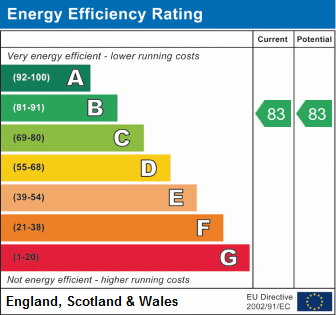
Energy performance certificate for your Newmarket property.
Properties for Sale In London

Properties for Sale In Plymouth

Properties for Sale In Liverpool

Properties for Sale In Glasgow

Properties for Sale In Sheffield

Properties for Sale In Edinburgh

Properties for Sale In Coventry

Properties for Sale In Bradford

Properties for Sale In Manchester

Properties for Sale In Birmingham

Properties for Sale In Bristol

Properties for Sale In Oxford

Properties for Sale In Leicester

Properties for Sale In Newcastle

Properties for Sale In Leeds

Properties for Sale In Southampton

Properties for Sale In Cardiff

Properties for Sale In Nottingham

Properties for Sale In Norwich

Properties for Sale In Brighton

Properties for Sale In Derby

Properties for Sale In Portsmouth

Properties for Sale In Northampton

Properties for Sale In Milton Keynes

Properties for Sale In Bournemouth

Properties for Sale In Bolton

Properties for Sale In Swansea

Properties for Sale In Swindon

Properties for Sale In Peterborough

Properties for Sale In Wolverhampton

Enter your details to see if this property is within your budget.
Loans, cards, car finance
Estimated property budget
Borrowing + deposit
You could borrow between
Typical borrowing
Monthly repayment
Est. at 4.5%
Loan-to-value
This is an estimate only. Your actual budget may vary depending on interest rates, credit history, and personal circumstances. For an accurate affordability assessment, speak to one of our free mortgage advisors.
This calculator provides estimates for illustrative purposes only and does not constitute financial advice. Your home may be repossessed if you do not keep up repayments on your mortgage. Estimates based on 4.5% interest rate, repayment mortgage. Actual rates depend on your circumstances.
Homemove is a trading name of HM Haus Group Ltd (Company No. 13873779, registered in England & Wales). Homemove Mortgages Ltd (Company No. 15947693) is an Appointed Representative of TMG Direct Limited, trading as TMG Mortgage Network, which is authorised and regulated by the Financial Conduct Authority (FRN 786245). Homemove Mortgages Ltd is entered on the FCA Register as an Appointed Representative (FRN 1022429). You can check registrations at NewRegister or by calling 0800 111 6768.

We use cookies to show you personalised content and improve your experience of our website. Find out more in our Privacy policy and Cookie policy.