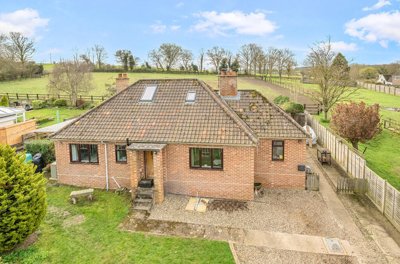
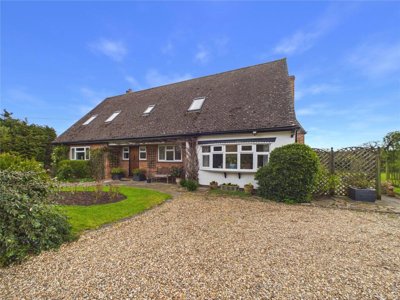
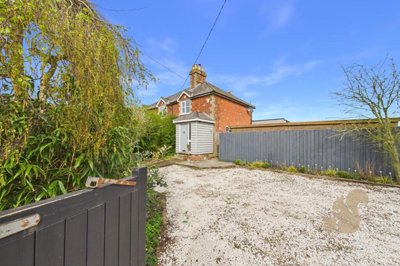
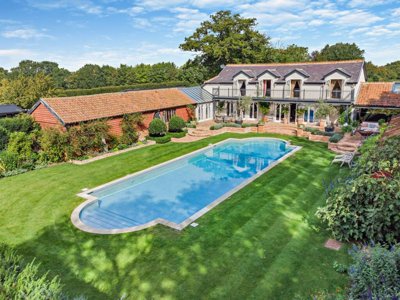
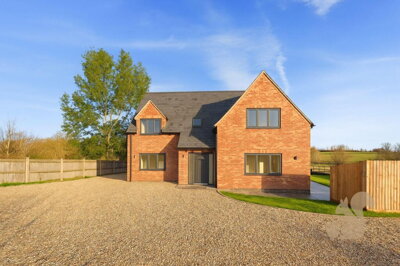
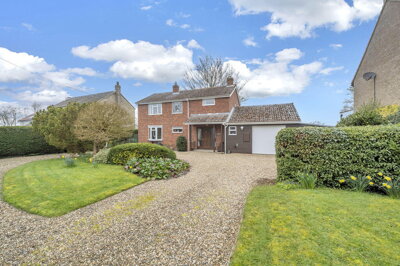
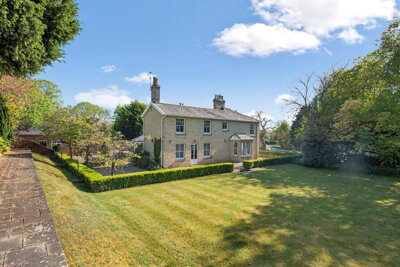
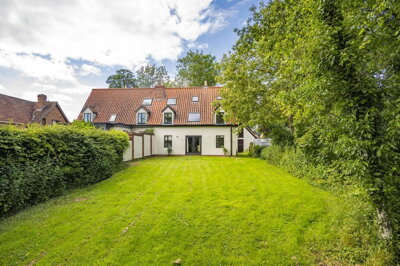
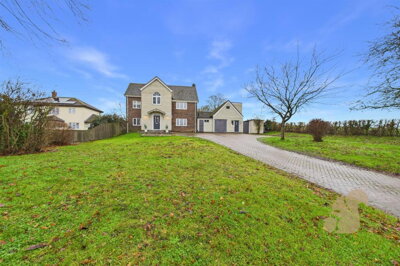
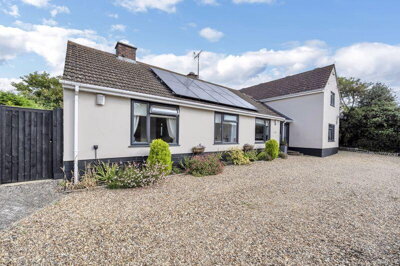
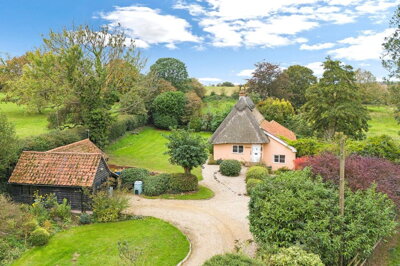
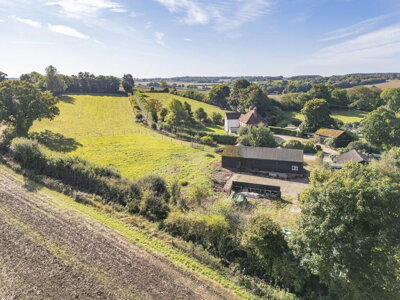
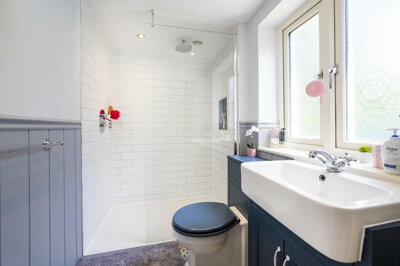
Browse 17 homes for sale in Alpheton, Babergh from local estate agents.
£650k
1
0
9
Source: home.co.uk
Source: home.co.uk
Detached
1 listings
Avg £650,000
Source: home.co.uk
Source: home.co.uk
The Alpheton property market reflects the dynamics of rural Suffolk, where limited supply meets consistent demand from buyers seeking the countryside lifestyle. Our current data shows an overall average property price of £485,000, with detached properties commanding an average of £530,000 and semi-detached homes averaging around £390,000. Over the past 12 months, the market has seen modest price adjustments with an average change of -1.0%, suggesting stable rather than volatile market conditions. With only 6 property sales recorded in the last 12 months, Alpheton represents a tight-knit market where properties can move relatively quickly when correctly priced and marketed.
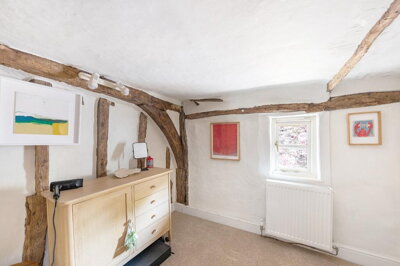
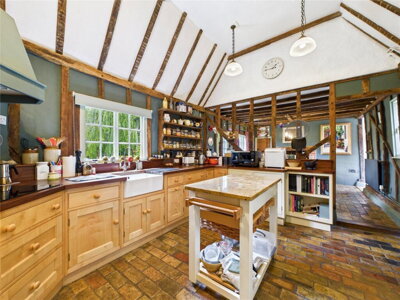
The housing stock in Alpheton predominantly consists of detached and semi-detached properties, with the village featuring a significant number of historic buildings including numerous listed structures. Traditional Suffolk construction methods are much in evidence, with properties commonly built using Suffolk White brick, timber framing, and weatherboarded exteriors. Many homes in the village predate the twentieth century, offering the kind of character and solid construction that modern buyers often find difficult to source in urban areas. New build activity within the Alpheton postcode area remains limited, meaning that most properties entering the market are established homes with existing character rather than newly constructed developments.
For buyers considering investment in Alpheton, the limited supply of available properties combined with consistent demand from those seeking rural Suffolk living creates particular market dynamics. Properties with land or development potential may offer enhanced returns over time, though any plans to extend or alter buildings in this village would need to account for listed building considerations and Babergh District Council planning requirements. The village's proximity to growing employment centres like Bury St Edmunds and Ipswich supports continued demand for quality homes in this area.

Life in Alpheton centres around community spirit and the rhythms of rural Suffolk living. The village retains essential character through its historic buildings, including St Peter and St Paul's Church which has served the parish for centuries and continues as a focal point for village life. The population of 269 residents across 107 households creates an intimate community where neighbours often know one another, and newcomers are welcomed into village life. For families and individuals seeking space away from the pressures of town or city living, Alpheton offers a pace of life that has become increasingly rare and valuable in modern Britain.
The local economy around Alpheton remains largely agricultural, with farming operations continuing to shape the landscape and provide employment for some residents. However, the village's position means that many residents commute to nearby towns including Sudbury, Bury St Edmunds, and further afield to Ipswich for work. This blend of rural residence with employment connectivity makes Alpheton particularly attractive to those who work flexibly or can travel to offices occasionally while primarily working from home. The presence of traditional pubs, local shops, and farm shops in surrounding villages ensures that everyday necessities remain accessible without lengthy journeys.
The natural landscape around Alpheton reflects the typical Suffolk countryside, with rolling agricultural land, hedgerow boundaries, and pockets of woodland creating a varied and attractive environment. The local geology presents some considerations for property buyers, as the area sits on boulder clay deposits with moderate to high shrink-swell potential. While this is manageable with appropriate property maintenance, it is worth noting when assessing older buildings and their foundations. Flood risk from rivers and the sea remains low in Alpheton, though some areas may experience surface water flooding during particularly heavy rainfall due to local topography and drainage patterns.

Understanding the local geology is essential for anyone buying property in Alpheton, as the underlying ground conditions significantly influence property condition and maintenance requirements. The area sits on superficial deposits of till, commonly known as boulder clay, which overlies bedrock of the Crag Group consisting of sand, silt, and clay. Boulder clay presents a moderate to high shrink-swell potential, meaning that soil volume can change significantly with moisture content variations. This characteristic makes subsidence a particular concern for properties with shallow foundations or those situated near mature trees, where root systems can affect soil moisture levels. Prospective buyers should look for signs of foundation movement, cracking, or doors and windows that stick, as these can indicate ground-related issues.
Traditional construction in Alpheton reflects centuries of building practice using locally available materials and techniques suited to the Suffolk landscape. Suffolk White brick has been a hallmark of local building for generations, prized for its durability and distinctive appearance that complements the village's historic character. Timber framing represents another prevalent construction method, with properties featuring exposed beams, panel infill, and traditional joinery that requires specific maintenance approaches. Weatherboarded exteriors are common on both timber-framed and brick-built properties, offering weather protection while contributing to the village's traditional aesthetic.
The age of much of Alpheton's housing stock means that solid wall construction is prevalent throughout the village, with properties lacking the cavity insulation found in modern buildings. Lime mortars rather than cement were traditionally used in pointing and repairs, and using inappropriate modern materials can trap moisture and cause deterioration in historic structures. Clay tiles and slate dominate roofing materials on older properties, with the condition of these coverings often reflecting the general maintenance standards of previous owners. When assessing any Alpheton property, understanding these construction characteristics helps buyers anticipate maintenance requirements and costs.
Families considering a move to Alpheton will find educational provision available through a network of primary and secondary schools in the surrounding area. Primary education is typically provided through village schools in the wider catchment area, with children progressing to secondary schools in nearby towns such as Sudbury. The village's small population means that Alpheton itself does not host its own primary school, but surrounding parishes provide primary provision within reasonable driving distance. Parents are advised to research specific catchment areas and admissions criteria, as these can significantly influence school placement.
Secondary education options in the region include schools in Sudbury and the wider Babergh district, with several establishments offering good academic standards and strong extracurricular programmes. For families with older children, sixth form provision is available at secondary schools in nearby towns, while further education colleges in Bury St Edmunds and Sudbury offer a broader range of vocational and academic courses. Transport arrangements for school children living in Alpheton typically involve school bus services or parental transport, which is standard for rural communities throughout Suffolk.
Independent schooling options also exist within driving distance of Alpheton, with several well-regarded private schools accepting students from the village and surrounding areas. These establishments often have selective admissions processes and longer history of academic excellence. Given the rural location, families considering private education should factor transport arrangements and associated costs into their overall planning. Early registration is generally recommended for popular schools, as places can fill quickly in this part of Suffolk where school transport catchment areas can extend across significant distances.

Transport connectivity from Alpheton reflects its rural Suffolk location, with residents relying primarily on private vehicle travel supplemented by local bus services and nearby rail connections. The village sits within reasonable distance of several market towns, with Sudbury providing the closest range of everyday amenities including supermarkets, banks, and medical services. For those working in regional centres, regular car journeys to Sudbury, Bury St Edmunds, or Colchester form part of normal life for many Alpheton residents. The A134 provides an important route connecting the area to these larger towns, though journey times naturally reflect the rural character of the road network.
Rail connections from nearby stations offer access to the wider rail network for those commuting further afield. Stations in Sudbury and Marks Tey provide connections towards Colchester and London Liverpool Street, with journey times to the capital typically falling within 90 minutes to two hours depending on interchange arrangements. For professionals working in Cambridge, Ipswich, or Norwich, rail access from surrounding stations provides a viable commuting option, though the rural location means that driving to the station is generally necessary. Bus services operate in the area but are limited in frequency, making them more suitable for occasional local journeys than daily commuting.
Cycling can be an enjoyable way to travel around the immediate area for those comfortable with rural roads, though the lack of dedicated cycling infrastructure means that cycling is primarily a leisure activity rather than a practical commuting option for most residents. For air travel, Stansted Airport is reachable within approximately an hour's drive, providing international connections and domestic flights. London Stansted, along with Norwich Airport, gives Alpheton residents access to a good range of flight destinations while maintaining the countryside lifestyle that makes the village attractive in the first place.

Before beginning your property search in Alpheton, take time to understand the local market conditions and what makes this village unique. Visit at different times of day and week, explore nearby Sudbury and other amenities, and speak to residents about what village life is really like. Understanding the local geology, flood risk factors, and listed building considerations will help you make informed decisions about specific properties.
Secure a mortgage agreement in principle before viewing properties, as this demonstrates your seriousness to sellers and estate agents. With an average property price of £485,000 in Alpheton, most buyers will need mortgage financing. Consult with a mortgage broker to understand your borrowing capacity and get the best available rates. Having your financial position clear from the outset will streamline the buying process considerably.
View properties in Alpheton with a critical eye, noting the construction materials, age of the property, and any signs of potential issues. Given the prevalence of older properties and the local boulder clay geology, pay particular attention to signs of subsidence, damp, or structural movement. We recommend taking notes and photographs during viewings to help compare properties later.
Once you have found a property to purchase, arrange a RICS Level 2 Survey (HomeBuyer Report) to assess its condition thoroughly. This is particularly important in Alpheton where many properties are historic with traditional construction methods. The survey will identify any defects, potential issues with the shrink-swell clay soil, and areas requiring attention or negotiation with the seller.
Choose a conveyancing solicitor to handle the legal aspects of your purchase. They will conduct searches, check title deeds, and manage the exchange of contracts. Local knowledge is valuable, so consider a solicitor familiar with Suffolk properties and any local authority requirements from Babergh District Council.
Once all surveys, searches, and negotiations are complete, your solicitor will arrange for contracts to be exchanged, committing you to the purchase. Completion typically follows shortly after, and you will receive the keys to your new Alpheton home. Allow time for utility transfers and any immediate moving logistics before settling into village life.
Purchasing a property in Alpheton requires attention to several area-specific factors that may not apply in urban property searches. The prevalence of historic buildings means that many properties will be listed, offering genuine character but requiring careful consideration of maintenance obligations and restrictions. Listed building status brings additional responsibilities, including listed building consent for certain alterations and a requirement to maintain the property's historic character. If you are considering a listed property, factor in the potential costs of specialist maintenance and repairs when calculating your overall budget.
The local geology presents another important consideration for prospective buyers. Alpheton sits on boulder clay deposits with moderate to high shrink-swell potential, which can cause foundation movement in properties, particularly those with shallow foundations or trees nearby. During your survey, pay close attention to any signs of subsidence, cracking, or doors and windows that stick. A thorough RICS Level 2 Survey will identify these issues and allow you to negotiate repairs or price adjustments with the seller before committing to the purchase.
Building materials in Alpheton typically reflect traditional Suffolk construction, with Suffolk White brick, timber framing, rendered walls, and weatherboarded exteriors being common. These materials require different maintenance approaches compared to modern construction, with lime mortars, traditional paints, and appropriate treatments being necessary to preserve the building properly. Properties with solid walls lack modern insulation, so energy efficiency considerations may require attention if you are purchasing an older property. Understanding these construction characteristics will help you plan for any necessary upgrades while preserving the character that makes Alpheton properties so appealing.

The average property price in Alpheton is £485,000, with detached properties averaging £530,000 and semi-detached homes around £390,000. Only 6 property sales were recorded in the past 12 months, indicating a tight-knit market where properties can move quickly when correctly priced.
Understanding the full costs of purchasing property in Alpheton extends beyond the advertised asking price. Stamp duty Land Tax represents one of the largest additional costs, and with average Alpheton properties priced around £485,000, this expense can be substantial. Standard buyers without first-time buyer status will pay approximately £11,750 in stamp duty on a property at this price point, calculated on the portion between £250,000 and £485,000. First-time buyers benefit from relief on the first £425,000, meaning they would pay no stamp duty on a property up to that threshold, but 5% on the amount between £425,001 and £485,000, totalling £3,000.
Beyond stamp duty, buyers should budget for solicitor conveyancing fees, which typically range from £499 to over £1,500 depending on the complexity of the transaction and property type. Searches specific to the Babergh area will be required, including drainage and water searches, local authority searches, and environmental searches that assess any contamination risks. These searches typically cost between £200 and £400 in total. A RICS Level 2 Survey costs between £400 and £1,000 depending on the property value and size, while an Energy Performance Certificate costs from around £60 to £120.
Moving costs, removals, and any immediate repairs or furnishing requirements add further expense to your budget. Mortgage arrangement fees, typically 0-2% of the loan amount, should also be factored in, though many lenders offer fee-free deals. Buildings insurance must be in place from the point of completion, and life insurance or mortgage protection may be sensible considerations for buyers taking on significant borrowing. Altogether, buyers should aim to have approximately 5-10% of the property price available beyond the mortgage amount to cover all associated costs of purchasing in Alpheton.

The average house price in Alpheton is currently £485,000, according to our property data. Detached properties average around £530,000 while semi-detached homes average approximately £390,000. The market has shown a modest downward adjustment of -1.0% over the past 12 months, with only 6 sales recorded in that period. Given the limited supply and consistent demand for rural Suffolk properties, prices in Alpheton tend to be relatively stable compared to more volatile urban markets. First-time buyers should note that the average prices place most properties above the first-time buyer stamp duty threshold, making financial planning important.
Properties in Alpheton fall under Babergh District Council for council tax purposes. Specific bandings vary by property depending on the assessed value, with most homes in the village likely falling within bands C through E based on typical property values in rural Suffolk. The council provides exemptions and discounts for certain circumstances, and residents should contact Babergh District Council directly to confirm the banding for any specific property they are considering purchasing. Council tax payments fund local services and represent an ongoing cost that should be factored into your overall household budget when planning a move to Alpheton.
Alpheton itself does not have its own primary school, so children typically attend schools in surrounding villages or the nearby town of Sudbury. Primary schools in the catchment area include several good-rated establishments, while secondary education is provided at schools in Sudbury such as Sudbury Upper School and Thomas Gainsborough School. For families seeking private education, independent schools in Bury St Edmunds and Colchester are within reasonable driving distance. When buying in Alpheton, we recommend visiting potential schools and understanding their admissions criteria and catchment arrangements, as these can significantly impact family life in a rural village setting.
Public transport connectivity from Alpheton is limited, reflecting the village's rural character. Local bus services operate in the area but with frequencies suited to occasional journeys rather than daily commuting. The nearest railway stations are in Sudbury and Marks Tey, providing connections to Colchester and London Liverpool Street, with journey times to the capital typically ranging from 90 minutes to two hours. Most Alpheton residents rely on private vehicle transport for daily needs, with major towns like Sudbury, Bury St Edmunds, and Colchester accessible by car via the local road network. For commuters working in regional centres, the driving distance to rail stations is an important consideration when planning a move.
Alpheton offers several factors that make it attractive for property investment, including limited supply of available homes, consistent demand for rural Suffolk properties, and proximity to growing employment centres like Bury St Edmunds and Ipswich. The village's small population of 269 residents and low crime rates contribute to its appeal, while the presence of listed buildings and the general character of the area suggest that properties will retain their value over time. However, investors should note that the limited number of transactions in Alpheton (only 6 sales in 12 months) means that liquidity is lower than in urban markets. Properties with land or development potential may offer the best investment returns, though any development plans would need to navigate planning requirements in this rural location.
Stamp duty Land Tax (SDLT) rates for England apply to all Alpheton property purchases. Standard rates are 0% on the first £250,000, 5% on the portion from £250,001 to £925,000, 10% on £925,001 to £1.5 million, and 12% above £1.5 million. First-time buyers receive relief on the first £425,000, with 5% applying between £425,001 and £625,000. Given the average Alpheton property price of £485,000, a first-time buyer would pay no stamp duty, while a home mover without first-time buyer status would pay approximately £11,750. We recommend consulting with a solicitor or mortgage broker to calculate your specific SDLT liability based on your circumstances and the property price.
Alpheton has a low risk of flooding from rivers and the sea, which is reassuring for prospective buyers concerned about flooding. However, some areas within the village may have medium to high risk of surface water flooding, particularly during periods of heavy rainfall when local drainage can be overwhelmed. This type of flooding is typically localised and relates to the natural topography of the area. When purchasing a property, your solicitor should arrange a flood risk search, and your survey will assess any signs of previous flooding or water damage. Insurance for surface water flooding is generally available, though costs may vary depending on the specific property location and its flood history.
We strongly recommend obtaining a RICS Level 2 Survey (HomeBuyer Report) for any property you are considering purchasing in Alpheton. The village has a significant proportion of older properties built using traditional methods, and the local boulder clay geology means that subsidence can be a concern. A professional survey will identify structural issues, defects, damp problems, and any maintenance requirements before you commit to the purchase. This protection is particularly valuable when buying listed buildings, where specialist knowledge of historic construction can reveal issues that a standard mortgage valuation would miss. Survey costs typically range from £400 to over £1,000 depending on property value and size, which represents a worthwhile investment compared to the overall purchase price.
From £400
Professional RICS Level 2 Survey (HomeBuyer Report) for Alpheton properties. Identify defects and get expert assessment of condition.
From £60
Energy Performance Certificate for Alpheton properties. Required for all property sales.
From 4.5%
Compare mortgage deals for your Alpheton property purchase. Expert advice on financing your new home.
From £499
Conveyancing solicitors for Alpheton property purchases. Local knowledge and expert legal support.
Properties for Sale In London

Properties for Sale In Plymouth

Properties for Sale In Liverpool

Properties for Sale In Glasgow

Properties for Sale In Sheffield

Properties for Sale In Edinburgh

Properties for Sale In Coventry

Properties for Sale In Bradford

Properties for Sale In Manchester

Properties for Sale In Birmingham

Properties for Sale In Bristol

Properties for Sale In Oxford

Properties for Sale In Leicester

Properties for Sale In Newcastle

Properties for Sale In Leeds

Properties for Sale In Southampton

Properties for Sale In Cardiff

Properties for Sale In Nottingham

Properties for Sale In Norwich

Properties for Sale In Brighton

Properties for Sale In Derby

Properties for Sale In Portsmouth

Properties for Sale In Northampton

Properties for Sale In Milton Keynes

Properties for Sale In Bournemouth

Properties for Sale In Bolton

Properties for Sale In Swansea

Properties for Sale In Swindon

Properties for Sale In Peterborough

Properties for Sale In Wolverhampton

Enter your details to see if this property is within your budget.
Loans, cards, car finance
Estimated property budget
Borrowing + deposit
You could borrow between
Typical borrowing
Monthly repayment
Est. at 4.5%
Loan-to-value
This is an estimate only. Your actual budget may vary depending on interest rates, credit history, and personal circumstances. For an accurate affordability assessment, speak to one of our free mortgage advisors.
This calculator provides estimates for illustrative purposes only and does not constitute financial advice. Your home may be repossessed if you do not keep up repayments on your mortgage. Estimates based on 4.5% interest rate, repayment mortgage. Actual rates depend on your circumstances.
Homemove is a trading name of HM Haus Group Ltd (Company No. 13873779, registered in England & Wales). Homemove Mortgages Ltd (Company No. 15947693) is an Appointed Representative of TMG Direct Limited, trading as TMG Mortgage Network, which is authorised and regulated by the Financial Conduct Authority (FRN 786245). Homemove Mortgages Ltd is entered on the FCA Register as an Appointed Representative (FRN 1022429). You can check registrations at NewRegister or by calling 0800 111 6768.

We use cookies to show you personalised content and improve your experience of our website. Find out more in our Privacy policy and Cookie policy.