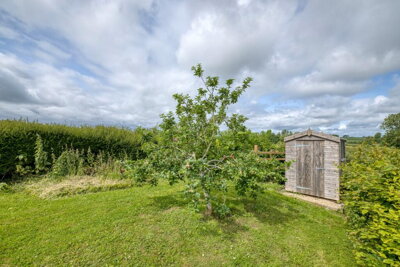
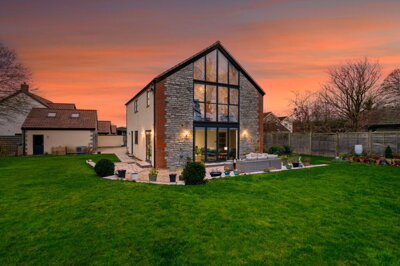
Browse 2 homes for sale in Alford from local estate agents.
The larger property sector typically features multiple bathrooms, substantial reception space, and private gardens or off-street parking. Four bedroom houses in Alford span detached, semi-detached, and occasionally terraced configurations, with styles ranging from period properties to modern executive homes.
The Alford property market reflects the broader trends affecting South Somerset, with recent data showing the average property price at approximately £183,968 over the past year. Prices have experienced a modest correction, sitting around 2% lower than the previous year and 13% down from the 2023 peak of £211,957. As of February 2026, the average price paid for properties in Alford stands at £182,000, representing a 4.8% decrease over the preceding twelve months. This cooling period offers buyers an opportunity to enter the market at more accessible price points compared to the heightened activity seen in recent years.
Property types in the Alford area span a range of styles to suit different requirements and budgets. Detached properties command the highest average prices at around £228,654, reflecting the additional space and privacy they offer. Semi-detached homes average approximately £174,688, while terraced properties provide more affordable options at around £133,300. For those considering flats, Somerset county data indicates average prices for flats and maisonettes at approximately £136,000, though availability within Alford itself may be limited given the village character of the area. The sales mix in the wider Somerset region shows detached properties comprising around 29% of transactions, with terraced homes at approximately 29% and semi-detached properties making up 27%.
New build activity in the immediate vicinity of Alford is concentrated in the neighbouring town of Castle Cary, where Barratt Homes is developing Tor View on West Park. Properties at this development range from the more affordable options around £340,000 for the Danbury and Kingley plots, up to £515,995 for the larger Kielder design. Additionally, outline planning permission has been granted for a residential development of up to 46 dwellings on land extending to approximately 2.76 hectares near Alford, which may bring further new build options to the local market in the coming years. The Mendip district, which encompasses Alford, shows a house price to median earnings ratio of 9.33, indicating reasonable affordability compared to some neighbouring regions.

Life in Alford, Somerset, is defined by the village's intimate community atmosphere and its position within the wider Somerset countryside. The village forms part of the electoral ward of Cary and is located close to the market town of Castle Cary, which provides essential services including shops, pubs, and medical facilities. Residents benefit from the best of both worlds: the peace and character of village living combined with the convenience of nearby town amenities. The surrounding landscape is characterised by rolling hills, farmland, and the distinctive geological feature of the Cary River valley, which has shaped both the geography and architecture of the area over centuries.
The architectural heritage of Alford and its surroundings is closely tied to the use of golden limestone, a locally quarried material that gives many properties their warm, honey-coloured appearance. This building tradition connects the village to the nearby Castle Cary Conservation Area, where notable examples of period architecture including a Gothic limestone villa demonstrate the quality of construction found in the region. Properties in Alford and the surrounding area often feature traditional stone walls, thatched roofs, and cottage gardens that contribute to the picturesque village atmosphere. Many homes in the area date from the 18th and 19th centuries, reflecting the prosperity of the region during those periods when agriculture and local trade supported a thriving rural economy.
The local economy of the Alford area draws from agriculture, tourism, and small-scale enterprises that characterise rural Somerset. The village community comes together through local events, village halls, and the network of public footpaths that crisscross the surrounding countryside. For those seeking an active lifestyle, the nearby landscape offers excellent walking, cycling, and riding opportunities, while the proximity to larger towns ensures access to a wider range of leisure activities, restaurants, and cultural venues when desired. The Somerset countryside around Alford provides easy access to Areas of Outstanding Natural Beauty, historic houses, and traditional pubs serving local produce.
Families considering a move to Alford will find educational provision available at both primary and secondary levels within reasonable travelling distance. The village falls within the catchment area for primary schools in the surrounding villages and towns, with several well-regarded options available in the Castle Cary area. Primary school children typically attend establishments serving the local villages, with many parents valuing the small class sizes and community-focused approach that rural primary schools provide for younger learners. The closest primary schools to Alford include those in Castle Cary and the surrounding villages, all of which feed into the secondary school system serving the wider area.
Secondary education is available at schools in nearby towns, with several secondary schools in the wider South Somerset area serving the local population. Secondary schools in towns such as Yeovil and Crewkerne serve students from Alford and the surrounding villages, offering a range of academic and vocational programmes. Parents should research specific catchment areas and admissions criteria, as these can vary depending on the school and the local education authority. For those seeking grammar school provision, the nearby town of Yeovil and surrounding areas offer selective options, though competition for places can be strong and travel arrangements should be carefully considered when choosing a property in Alford.
Sixth form and further education opportunities are available at colleges in Yeovil, Taunton, and Bridgwater, providing a range of academic and vocational courses for post-16 students. The accessibility of these institutions from Alford via public transport and road connections means that families do not need to compromise on educational aspirations when choosing to live in this rural village setting. Yeovil College offers various A-level and vocational courses, while students seeking more specialised provision may travel to colleges in the larger towns. Prospective buyers with school-age children should contact Somerset County Council or individual schools directly to confirm current catchment areas and admissions policies.
Transport connections from Alford serve the village well for a rural location, with the A371 road providing direct access to Castle Cary and connecting to the broader Somerset road network. The village is approximately 5 miles from the nearest major routes, with the A303 trunk road running nearby and offering connections to the M3 motorway towards London. For those who travel regularly for work or leisure, the road infrastructure provides reasonable access to larger towns and cities including Bristol, Exeter, and Southampton. The journey time to Yeovil by road is approximately 25 minutes, while Bristol can be reached in around an hour depending on traffic conditions.
Rail services are accessible via nearby station locations, with direct connections to mainline services at Castle Cary station on the Bristol to Weymouth line. Castle Cary station is located approximately 5 miles from Alford and provides convenient travel to major destinations including Bristol Temple Meads, Exeter St David's, and onward connections to London Paddington via an interchange at Bristol. The station has parking facilities, making it viable for commuters who prefer to drive to the station rather than rely solely on public transport from the village. For commuters working in Yeovil, Taunton, or the surrounding towns, the relatively short distances involved make daily travel feasible, while those working from home can take advantage of increasingly reliable broadband connections in the area.
Local bus services connect Alford to surrounding villages and towns, providing essential access for those without private vehicles. The 162 bus service operates routes connecting Castle Cary with Yeovil and surrounding villages, though frequencies are limited, and planning journeys in advance is advisable given the rural nature of public transport provision. For cycling enthusiasts, the Somerset countryside offers scenic routes and the Sustrans National Cycle Network passes through the region, providing traffic-free options for local and longer-distance travel. The village position within Somerset means that larger centres of employment and services are within reasonable travelling distance by car, though those without vehicles should factor transport options into their decision-making process.
Spend time exploring Alford and the surrounding villages to understand the local property market, community, and amenities. Visit at different times of day and week if possible, and speak to residents to gain insight into what daily life is like in this part of Somerset. Consider the proximity to schools, transport links, and the services available in Castle Cary when evaluating different areas within the village.
Before viewing properties, obtain a mortgage agreement in principle from a lender. This strengthens your position when making offers and demonstrates to sellers that you have secured financing. Our partner lenders offer competitive rates and can provide tailored advice for your circumstances. Given that average property prices in Alford are around £183,000, most buyers will need a mortgage amount well within standard lending criteria, though speaking to a broker can help identify the best deals available.
View a selection of properties that match your criteria, paying attention to condition, location within the village, and proximity to amenities. Take notes and photographs to help compare options later. A RICS Level 2 survey is particularly recommended for older properties given the prevalence of traditional construction in the area, including golden limestone buildings that may have specific maintenance requirements compared to modern properties.
Once you find the right property, submit an offer through the estate agent with your agreement in principle documentation. Be prepared to negotiate on price and terms, especially in a market where price adjustments have been occurring over the past year. Your offer should reflect current market conditions in Alford, where prices have moderated from the 2023 peak and buyers may find room for negotiation on properties that have been on the market for some time.
Appoint a conveyancing solicitor to handle the legal aspects of your purchase, including local searches, contracts, and registration. Our recommended conveyancers specialise in Somerset properties and can efficiently manage transactions in the Alford area, including dealing with any conservation area considerations that may apply to properties in or near the Castle Cary Conservation Area.
Once all checks are satisfactory and conveyancing is complete, you will exchange contracts and agree a completion date with the seller. On completion day, you will receive the keys and take ownership of your new home in Alford, Somerset. We recommend arranging buildings insurance to be in place from the point of contract exchange to protect your interests in the property.
Properties in Alford and the surrounding Somerset countryside often feature traditional construction methods and materials that require careful consideration during the buying process. The golden limestone construction common in the area is generally robust, but older properties may have specific maintenance requirements related to traditional building techniques. When viewing properties, pay attention to the condition of stone walls, thatched or slate roofs, and any signs of settlement or movement that might indicate structural concerns requiring further investigation. Properties with thatched roofs will require specialist roof inspections and should be budgeted for ongoing thatching maintenance over the lifetime of ownership.
Conservation area restrictions apply to properties within or near the Castle Cary Conservation Area, which may affect Alford properties. If you are considering renovations or extensions, you will need to obtain planning permission from South Somerset District Council, and permitted development rights may be more limited than in non-conserved areas. Listed building status, which may apply to some properties of historical interest, requires special consideration and potentially listed building consent for any alterations that might affect the character of the building. Any work to a listed building requires consent from the local planning authority, and works carried out without consent can result in criminal prosecution.
Given the rural location, broadband speeds and mobile phone coverage should be verified before purchasing, as these can vary significantly even within small areas. The village setting in the Cary River valley means some properties may have limited connectivity, though fibre broadband rollout continues across Somerset. A thorough RICS Level 2 survey will identify any potential issues with the property's condition, construction, and any environmental factors that might affect your purchase decision or future ownership costs. For properties of particular age or character, a more detailed RICS Level 3 building survey may be appropriate to assess structural issues in greater depth.
The average house price in Alford, Somerset, stands at approximately £183,000 based on recent data, with the most recent sold prices averaging £182,000 as of February 2026. Detached properties average around £228,654, semi-detached homes approximately £174,688, and terraced properties around £133,300. The market has experienced a modest cooling over the past year, with prices falling approximately 4.8% and sitting 13% below the 2023 peak, which may present opportunities for buyers entering the market. For context, the Mendip district where Alford is located shows a house price to earnings ratio of 9.33, suggesting reasonable affordability compared to neighbouring regions.
Properties in Alford fall under South Somerset District Council for council tax purposes, with the village also within the jurisdiction of Somerset County Council. Council tax bands in Somerset range from A to H, with the specific band depending on the property's valuation as set by the Valuation Office Agency. Most residential properties in the Alford area, including traditional cottages and family homes, typically fall within bands A through D. The annual council tax charge varies by band and property value, with Band A properties paying significantly less than Band D or higher properties. Prospective buyers should check the specific band for any property they are considering, as this affects ongoing annual costs that should be factored into the overall budget for owning property in the village.
Alford is served by primary schools in the surrounding villages and towns, with several well-regarded options within easy travelling distance in the Castle Cary area. Primary schools in Castle Cary and neighbouring villages provide education for children from Reception through to Year 6, with class sizes in rural schools often remaining small due to village catchments. Secondary schools in Yeovil, Crewkerne, and other nearby towns serve the wider catchment area, with schools such as Yeovil College offering further education opportunities for post-16 students. For grammar school provision, students may travel to selective schools in Yeovil and surrounding towns, though these require passing the 11-plus entrance examination. Families should verify current catchment areas with Somerset County Council, as these can be subject to change and can significantly affect school placement for children moving to the area.
Alford benefits from local bus services connecting to Castle Cary and surrounding villages, with the 162 service providing routes between Castle Cary and Yeovil with stops in nearby villages. Castle Cary railway station, located approximately 5 miles away on the Bristol to Weymouth line, offers direct services to destinations including Bristol Temple Meads, Exeter St David's, and Salisbury, with connections to London Paddington available via Bristol. For daily commuting, the road network via the A371 and A303 provides access to larger employment centres, with Yeovil approximately 25 minutes away by car and Bristol reachable within an hour. Private transport remains the primary method for most residents given the rural nature of public transport provision in the village, though cycling is popular for shorter journeys and the Sustrans National Cycle Network provides traffic-free routes through the area.
Alford and the surrounding Somerset countryside offer potential for property investment, particularly given the ongoing development activity in nearby Castle Cary. The village benefits from strong community ties, attractive rural setting with golden limestone architecture, and reasonable transport connections to larger towns including Yeovil and Bristol. Property prices in the area have shown stability following recent market adjustments, and the broader Somerset market has an affordability ratio of approximately 8.9 times median earnings, indicating reasonable value compared to some neighbouring regions. The planned development of up to 46 dwellings near Alford may bring additional buyers to the area and support demand for existing properties. However, as with any property investment, buyers should consider their specific circumstances, holding period, rental demand in the local area, and potential costs associated with traditional building maintenance when making their decision.
Stamp Duty Land Tax rates for standard residential purchases in England start at 0% on the first £250,000 of property value, then 5% on the portion between £250,001 and £925,000. For properties priced between £925,001 and £1.5 million, the rate is 10%, with 12% applying to values above £1.5 million. First-time buyers benefit from increased thresholds, paying 0% on the first £425,000 and 5% between £425,001 and £625,000, provided certain conditions are met and the property is your first home. Given Alford's average prices around £183,000, most purchases would fall within the lower SDLT bands, significantly reducing purchase costs for both standard buyers and first-time purchasers who would typically pay zero SDLT on properties at this price point.
Properties built with golden limestone, common in the Alford area and characteristic of the Castle Cary Conservation Area, are generally durable but have specific maintenance considerations. Inspect stone walls for signs of erosion, crumbling mortar, or vegetation growth such as ivy or moss that might indicate moisture issues or deteriorating mortar joints. Check that any repointing has been carried out using appropriate lime mortar rather than cement, as this allows the walls to breathe and prevents moisture damage that can occur when modern cement traps water within traditional stone construction. Roof conditions should be carefully assessed, particularly on older properties with thatched or slate roofs, and any signs of structural movement, cracking, or damp should be investigated by a qualified surveyor before completing your purchase.
Purchasing a property in Alford involves several costs beyond the purchase price, with stamp duty being a significant consideration for buyers. For properties priced around the village average of £183,000, standard buyers would pay stamp duty only on any amount above the £250,000 threshold, meaning most transactions would attract minimal or no SDLT. The recent SDLT reductions have made buying more affordable in rural areas like Alford, particularly for first-time buyers who benefit from additional relief on properties up to £625,000. First-time buyer relief effectively raises the zero-rate threshold to £425,000, meaning a property at the village average of £183,000 would incur zero SDLT for qualifying purchasers.
First-time buyers purchasing in Alford can take advantage of relief that raises the zero-rate threshold to £425,000, meaning properties up to this price would incur no stamp duty. For a property at the village average of £183,000, a first-time buyer would pay zero SDLT, making this an attractive entry point to the Somerset property market. Those purchasing above £425,000 would pay 5% on the amount between £425,001 and £625,000, with normal rates applying above this threshold. The SDLT calculation can be complex for purchases above the nil-rate band, and our recommended conveyancers can provide specific calculations based on your circumstances and purchase price.
Beyond stamp duty, buyers should budget for conveyancing fees, which typically start from around £499 for a straightforward transaction but can increase depending on complexity, particularly for properties with conservation area or listed building considerations. Survey costs, particularly a RICS Level 2 survey recommended for older properties common in Alford with traditional limestone construction, typically start from £350. Removal costs, mortgage arrangement fees, and potential renovation or maintenance expenses for traditional properties should also be factored into your budget. Registering with Homemove connects you to recommended conveyancers and surveyors who understand the Alford market and can provide competitive quotes for your purchase.
Properties for Sale In London

Properties for Sale In Plymouth

Properties for Sale In Liverpool

Properties for Sale In Glasgow

Properties for Sale In Sheffield

Properties for Sale In Edinburgh

Properties for Sale In Coventry

Properties for Sale In Bradford

Properties for Sale In Manchester

Properties for Sale In Birmingham

Properties for Sale In Bristol

Properties for Sale In Oxford

Properties for Sale In Leicester

Properties for Sale In Newcastle

Properties for Sale In Leeds

Properties for Sale In Southampton

Properties for Sale In Cardiff

Properties for Sale In Nottingham

Properties for Sale In Norwich

Properties for Sale In Brighton

Properties for Sale In Derby

Properties for Sale In Portsmouth

Properties for Sale In Northampton

Properties for Sale In Milton Keynes

Properties for Sale In Bournemouth

Properties for Sale In Bolton

Properties for Sale In Swansea

Properties for Sale In Swindon

Properties for Sale In Peterborough

Properties for Sale In Wolverhampton

Enter your details to see if this property is within your budget.
Loans, cards, car finance
Estimated property budget
Borrowing + deposit
You could borrow between
Typical borrowing
Monthly repayment
Est. at 4.5%
Loan-to-value
This is an estimate only. Your actual budget may vary depending on interest rates, credit history, and personal circumstances. For an accurate affordability assessment, speak to one of our free mortgage advisors.
This calculator provides estimates for illustrative purposes only and does not constitute financial advice. Your home may be repossessed if you do not keep up repayments on your mortgage. Estimates based on 4.5% interest rate, repayment mortgage. Actual rates depend on your circumstances.
Homemove is a trading name of HM Haus Group Ltd (Company No. 13873779, registered in England & Wales). Homemove Mortgages Ltd (Company No. 15947693) is an Appointed Representative of TMG Direct Limited, trading as TMG Mortgage Network, which is authorised and regulated by the Financial Conduct Authority (FRN 786245). Homemove Mortgages Ltd is entered on the FCA Register as an Appointed Representative (FRN 1022429). You can check registrations at NewRegister or by calling 0800 111 6768.

We use cookies to show you personalised content and improve your experience of our website. Find out more in our Privacy policy and Cookie policy.