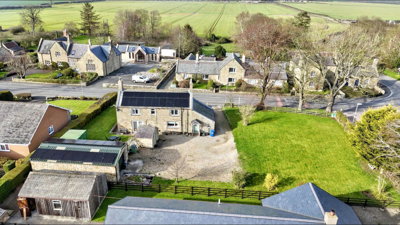
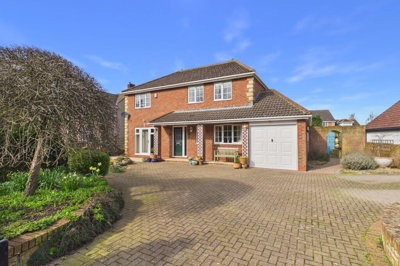
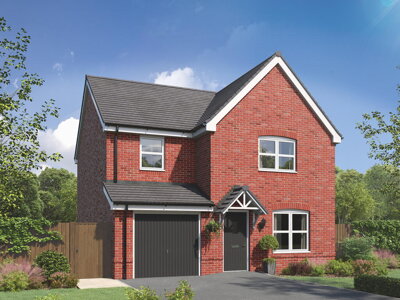
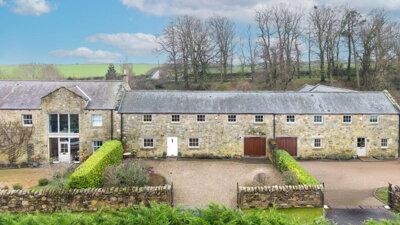
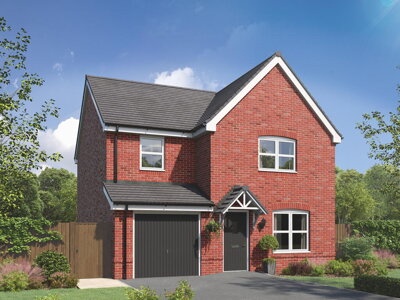
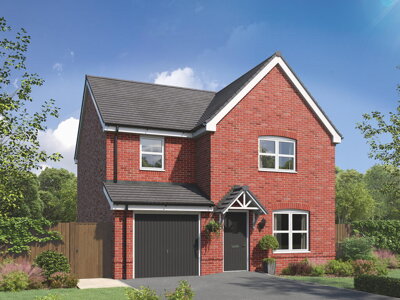
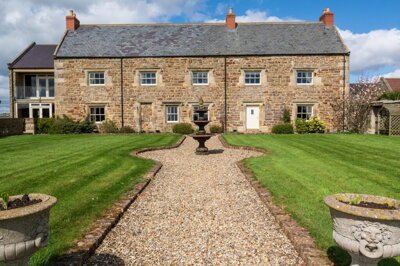
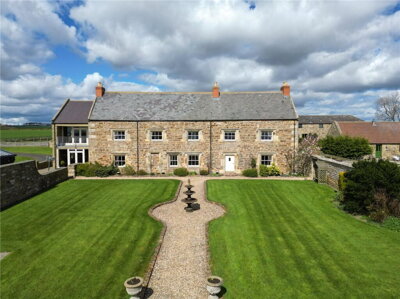
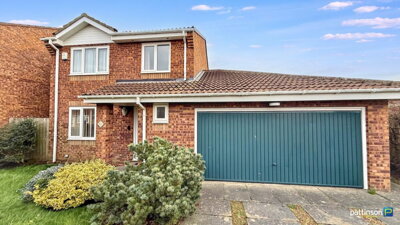
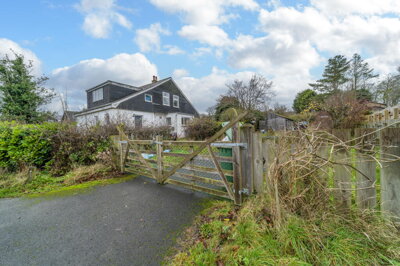
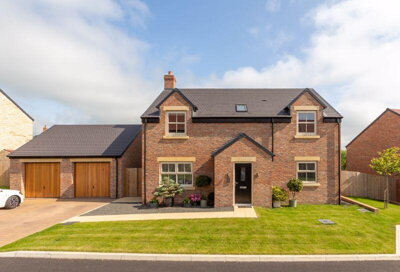
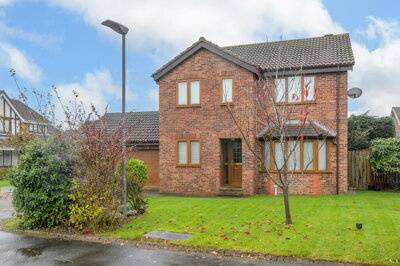
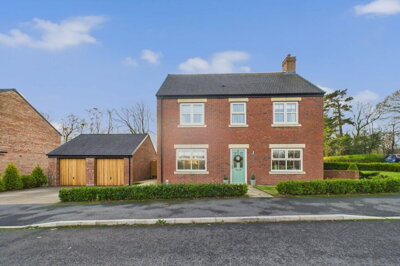
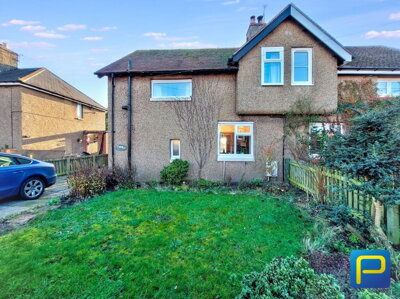
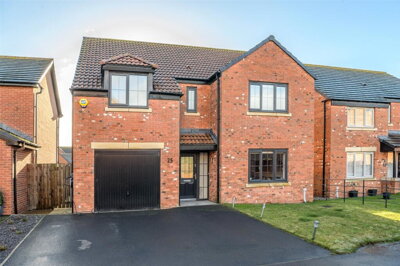
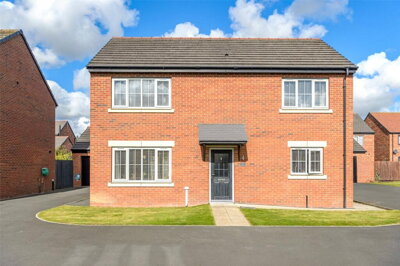
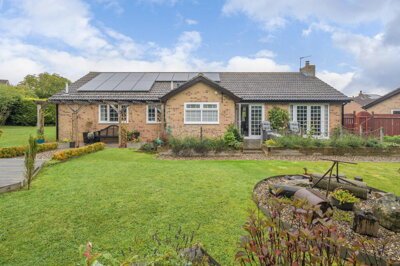
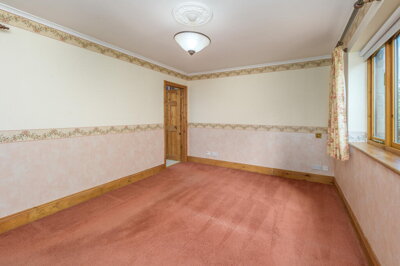
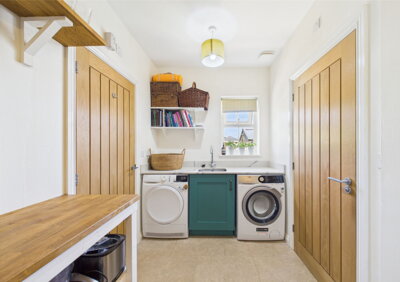
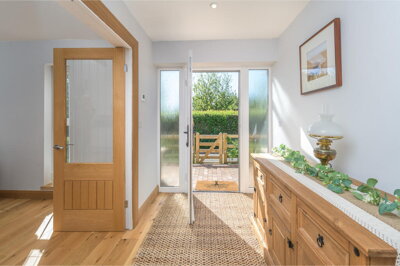
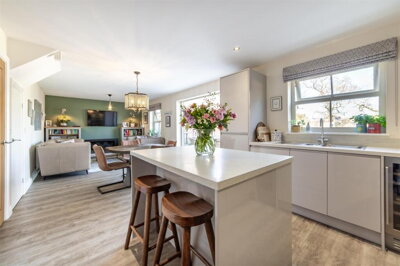
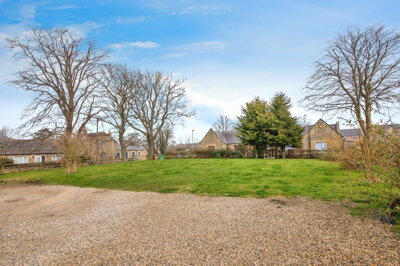
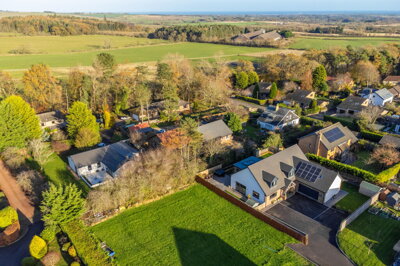
Browse 23 homes for sale in Acklington, Northumberland from local estate agents.
The larger property sector typically features multiple bathrooms, substantial reception space, and private gardens or off-street parking. Four bedroom houses in Acklington span detached, semi-detached, and occasionally terraced configurations, with styles ranging from period properties to modern executive homes.
£445k
3
1
129
Source: home.co.uk
Showing 3 results for 4 Bedroom Houses for sale in Acklington, Northumberland. 1 new listing added this week. The median asking price is £445,000.
Source: home.co.uk
Detached
3 listings
Avg £421,667
Source: home.co.uk
Source: home.co.uk
The Acklington property market reflects its rural character, with prices that offer genuine value compared to many other parts of the North East. Our data shows the overall average house price stands at £321,114, with detached properties commanding around £391,667 and semi-detached homes averaging approximately £220,000. Terraced properties in the village typically start from £195,000, making this an accessible market for first-time buyers seeking character properties without the premium prices found in larger towns. The market has shown steady resilience, with prices increasing by 1.6% over the past twelve months across all property types.
The village housing stock predominantly features traditional stone construction, a hallmark of Northumberland architecture, with properties dating from Victorian and Edwardian periods through to mid-century developments. Properties in Acklington often display characteristic features such as sash windows, slate roofing, and solid stone walls that require specific maintenance considerations. The local sandstone used in many properties provides excellent durability but does require periodic repointing and maintenance to prevent water ingress. New build activity within the NE65 9 postcode area remains limited, meaning buyers seeking modern specifications may need to look at nearby market towns or accept that older properties will require varying degrees of renovation and updating.
Investment in Acklington property has shown consistent growth, with the 1.6% increase over the past year reflecting broader demand for rural homes with good transport connections. The relative affordability compared to coastal hotspots like Bamburgh or Seahouses makes Acklington attractive to buyers wanting Northumberland's countryside character at more accessible price points. Six property sales have completed in the village over the past twelve months, indicating steady but measured market activity typical of rural villages with limited stock turnover.

Acklington is a small but vibrant rural community with a population of approximately 547 residents according to the 2011 census, offering an intimate village atmosphere that appeals to families, retirees, and those seeking an escape from urban life. The local economy centres around agriculture, with surrounding farms contributing to the area's working countryside character. Small local businesses and rural enterprises provide essential services, while the proximity to larger settlements like Amble and Morpeth ensures residents have access to wider amenities without sacrificing their rural lifestyle. The presence of the former Acklington Airfield, now operating as a private facility, adds a unique aspect to the local economy and character.
The village sits within the stunning Coquet Valley, with the River Coquet and its tributaries flowing nearby and creating attractive walking routes through meadowland and farmland. The surrounding Northumberland landscape offers exceptional natural beauty, from coastal areas to moorland, all within easy reach. Local cultural attractions include several Grade II listed buildings, including Acklington Park House and Acklington Bridge, which add historical interest to the village setting. Community life in Acklington revolves around traditional village amenities and the strong sense of belonging that comes with living in a tight-knit rural settlement.
For those drawn to outdoor pursuits, the location provides exceptional opportunities for walking, cycling, and wildlife observation. The River Coquet supports healthy populations of salmon and sea trout, making it popular with anglers, while the surrounding farmland and moorland offer extensive public rights of way. The nearby Northumberland Coast Area of Outstanding Natural Beauty is easily accessible for day trips, with dramatic castles, sandy beaches, and coastal villages providing endless exploration opportunities. The village's position between the Pennines and the coast means residents enjoy the best of both worlds, with hill walking and coastal recreation equally within reach.

Families considering a move to Acklington will find educational provision available within reasonable travelling distance, with the village served by primary schools in surrounding villages and towns. The local primary school catchment typically includes settings in nearby villages that serve the immediate rural community, with transport arrangements in place for children living in outlying areas. Secondary education is generally accessed in market towns such as Alnwick or Morpeth, both of which offer a range of secondary schools with strong academic reputations and good Ofsted ratings.
For families with older children, sixth form and further education provision is available at secondary schools and colleges in Alnwick and Morpeth, providing comprehensive post-16 options across academic and vocational pathways. The travel time to these educational facilities is a practical consideration for daily commuting, though the A1 provides relatively straightforward access. Parents should verify current catchment boundaries and admission policies with Northumberland County Council, as these can change and may affect school placement offers. The rural setting offers children excellent opportunities for outdoor learning and activities, with expansive countryside providing natural science and environmental education opportunities.
The quality of education in the wider Northumberland area is well-regarded, with schools in nearby market towns serving as community hubs and achieving consistently positive outcomes for students. Several primary schools in the surrounding villages have been recognised for their nurturing approach to early years education, while secondary schools in Alnwick and Morpeth offer a broad curriculum and strong pastoral support. For families prioritising educational provision, the commute from Acklington to these schools, typically 15-25 minutes by car, represents a manageable daily journey that allows children to benefit from rural living while accessing quality schooling.
Acklington benefits from excellent transport connections for a village of its size, making it particularly attractive to commuters who need to access larger employment centres while maintaining a rural lifestyle. The A1 trunk road passes close to the village, providing direct road access to Newcastle upon Tyne to the south and Edinburgh to the north, with Newcastle approximately 40 miles distant. This strategic position means residents can reach major cities within an hour's drive, while enjoying significantly lower property prices than those urban locations command. The journey to Morpeth takes around 15 minutes by car, with Alnwick accessible in approximately 20 minutes.
Acklington railway station offers East Coast Main Line services, connecting the village directly to Newcastle upon Tyne, Edinburgh, and intermediate stations. Rail services provide a comfortable alternative to driving for commuters, with regular trains operating throughout the day. Bus services connect Acklington with surrounding villages and towns, though frequencies may be limited on certain routes, making car ownership practical necessity for many residents. Cyclists will find both on-road cycling and bridleway routes available, though the rural road network requires appropriate caution. Parking provision in the village is typical of rural settlements, with private driveways and limited on-street parking available.
The village's position on the East Coast Main Line places it within easy reach of major employment centres while maintaining its rural character. Commuters to Newcastle benefit from regular train services that make daily travel practical, while those working in Edinburgh or other north-east cities can reach destinations that would be impossible from more remote rural locations. The A1 provides additional flexibility for those preferring to drive, with its dual carriageway sections offering efficient progress to destinations both north and south.
Spend time exploring Acklington and nearby towns like Amble and Morpeth to understand the local lifestyle, amenities, and community feel. Consider factors such as school catchment areas, commuting requirements, and proximity to services when narrowing your search. We recommend visiting at different times of day and speaking with existing residents to get a genuine feel for village life.
Obtain a mortgage agreement in principle before beginning property viewings. Speak to brokers who understand the North East rural property market to understand your borrowing capacity. Having finance in place strengthens your position when making offers on properties in competitive market conditions. Factor in additional costs specific to older properties, including potential renovation requirements and specialist surveys for listed buildings.
Contact local estate agents through Homemove to arrange viewings of properties matching your criteria. View multiple properties to compare condition, character, and value. Consider attending viewings at different times of day to assess neighbourhood activity and lighting conditions. Pay particular attention to the exterior condition of stone-built properties, including roof coverings, gutters, and pointing.
Given the age of much of Acklington's housing stock, we strongly recommend a RICS Level 2 Survey before purchase. For older or listed properties, a more detailed RICS Level 3 Building Survey may be more appropriate. These surveys identify defects common to stone-built properties, including dampness, roof condition, and potential structural issues. The Carboniferous bedrock geology in this area means mining reports are also advisable.
Appoint a conveyancing solicitor to handle the legal aspects of your purchase. They will conduct searches including local authority checks, drainage and water searches, and environmental assessments. Given Northumberland's mining history, a mining report is advisable for properties in the area. Your solicitor will also investigate any rights of way, planning restrictions, or listed building implications that may affect the property.
Once all searches are satisfactory and financing is confirmed, your solicitor will exchange contracts and agree a completion date. On completion day, the remaining balance is transferred and you receive the keys to your new Acklington home. Arrange buildings insurance from the point of exchange, as this is typically a lender requirement.
Properties in Acklington require careful inspection due to their age and traditional construction methods. The predominant use of solid stone walls in older properties means dampness is a common concern, with rising damp and penetrating damp frequently affecting traditional buildings. Look for signs of damp including peeling wallpaper, musty smells, and tide marks on walls, particularly at ground floor level and in rooms with limited ventilation. The presence of timber sash windows, while charming, often indicates older windows that may require draught proofing or replacement to improve energy efficiency and security.
The River Coquet flows near Acklington, and certain properties within the village carry a flood risk that buyers should understand before committing to purchase. Check the Environment Agency flood risk maps for any specific property and consider the flood history of the area. Surface water flooding can also occur during periods of heavy rainfall, particularly in low-lying areas. Properties with gardens bordering watercourses or in valley locations warrant extra caution and thorough drainage assessment. Obtaining appropriate insurance cover for flood-risk properties should be verified before completing purchase.
Several properties in Acklington hold listed building status, which imposes restrictions on alterations, extensions, and even routine maintenance works. If you are considering a listed property, factor in the additional costs and planning requirements associated with maintaining its special character. The Grade II listed buildings in the village, including Acklington Park House and various historic farmhouses, represent important architectural heritage that requires specialist conservation approaches. Conservation area status does not currently apply to Acklington, but properties within the setting of listed buildings may still require listed building consent for external alterations.
The solid wall construction prevalent in the village also means many properties lack modern wall insulation, resulting in higher heating costs that should be considered when assessing overall purchase costs. Older properties may also contain asbestos in materials such as textured coatings, insulation boards, and pipe lagging, particularly those built before 2000. A thorough RICS Level 2 Survey will identify these issues and help you budget appropriately for any works required. Electrical wiring and plumbing in older properties often require updating to meet current safety standards, adding to the potential renovation budget for period properties in the village.
The overall average house price in Acklington stands at £321,114 according to recent market data. Detached properties average around £391,667, semi-detached homes approximately £220,000, and terraced properties starting from £195,000. The market has shown steady growth with a 1.6% increase over the past twelve months across all property types. These prices reflect the rural village setting and traditional character of properties in this part of Northumberland, offering excellent value compared to coastal areas of the county.
Properties in Acklington fall under Northumberland County Council's jurisdiction, with council tax bands ranging from A to E depending on property value and type. Most traditional stone cottages and smaller terraced properties typically fall into bands A to C, while larger detached family homes may be in bands D or E. Prospective buyers should check the specific band with Northumberland County Council as bands can affect ongoing running costs and should be verified before purchase.
Acklington is served by primary schools in surrounding villages, with the nearest likely to be in nearby communities within easy driving distance. Secondary education is available at schools in Alnwick and Morpeth, both offering good academic records and positive Ofsted ratings. Families should verify current catchment boundaries with Northumberland County Council as admission policies can vary year by year. The rural setting provides excellent outdoor learning opportunities and access to nature, complementing classroom-based education.
Acklington has a railway station on the East Coast Main Line, offering direct services to Newcastle upon Tyne, Edinburgh, and intermediate stations. The A1 trunk road provides convenient road access to major cities, with Newcastle approximately 40 miles south and Edinburgh around 90 miles north. Bus services connect the village to surrounding towns, though frequencies are limited on certain routes. The village's strategic position makes it practical for commuters while maintaining a rural lifestyle that residents value highly.
Acklington offers appeal for investors seeking character properties in a desirable rural setting with good transport connections. Property values have shown steady growth of 1.6% over the past twelve months, and the relative affordability compared to larger North East cities makes it accessible for various buyer categories. Rental demand may be moderate given the village's size and limited local employment, though proximity to commuting routes could attract tenants seeking rural accommodation with city access. The village's position within the NE65 9 postcode and its traditional stone-built properties hold appeal for those seeking character investments.
For standard purchases, stamp duty land tax applies at 0% on the first £250,000 of property value, 5% on £250,001 to £925,000, and 10% on £925,001 to £1.5 million. First-time buyers benefit from relief on properties up to £425,000, paying 0% on the first £425,000 and 5% between £425,001 and £625,000. Given Acklington's average price of £321,114, many properties fall within the zero-rate threshold for standard buyers or first-time buyers purchasing at average prices, making the village particularly accessible for those entering the property market.
The geology around Acklington features Carboniferous bedrock including sandstone, mudstone, and coal seams, with glacial till deposits in some areas. The shrink-swell clay risk is generally low, though localised clay deposits could present very low to low risk. Northumberland's mining history means some areas may have historical shallow coal workings, and a mining report is advisable for properties in affected locations. Flood risk from the River Coquet affects certain parts of the village and should be verified for specific properties using Environment Agency data.
Acklington contains several Grade II listed buildings, including Acklington Park House and Acklington Bridge, along with various historic farmhouses and cottages throughout the village. While the village does not have a designated Conservation Area, the concentration of listed buildings means any property with listed status will require specialist advice for alterations or repairs. Planning controls apply to maintain the special architectural and historic interest of these buildings, and buyers should factor in the additional costs and considerations associated with owning period property in the village.
Understanding the total costs of purchasing property in Acklington helps you budget effectively and avoid financial surprises during the transaction. The stamp duty land tax thresholds for 2024-25 are 0% on the first £250,000, 5% between £250,001 and £925,000, 10% between £925,001 and £1.5 million, and 12% above £1.5 million. Given that the average property price in Acklington is £321,114, most buyers purchasing at or near average prices would pay no stamp duty at all, or only on the portion above £250,000 for properties priced above this threshold.
First-time buyers enjoy enhanced relief with zero stamp duty on properties up to £425,000, and 5% on amounts between £425,001 and £625,000. This relief can significantly reduce purchase costs for those entering the property market in Acklington, where many terraced and semi-detached properties fall within the zero-rate band. Additional purchase costs include solicitor fees averaging £500-£1,500 for conveyancing, survey costs of £400-£700 for a RICS Level 2 Survey on typical properties, and removal costs that vary based on distance and volume of belongings.
For stone-built properties in Acklington, consider budgeting for potential renovation costs that older properties may require. Energy efficiency improvements, damp treatment, window replacement, and heating system upgrades are common expenses for traditional properties. Buildings insurance should be arranged from the point of exchange, and mortgage arrangement fees vary by lender. A thorough property survey will identify any urgent works needed, allowing you to factor these into your overall purchase budget and potentially negotiate on price if significant defects are discovered. Properties affected by the River Coquet flood risk may also require specialist insurance arrangements that should be factored into ongoing costs.
Properties for Sale In London

Properties for Sale In Plymouth

Properties for Sale In Liverpool

Properties for Sale In Glasgow

Properties for Sale In Sheffield

Properties for Sale In Edinburgh

Properties for Sale In Coventry

Properties for Sale In Bradford

Properties for Sale In Manchester

Properties for Sale In Birmingham

Properties for Sale In Bristol

Properties for Sale In Oxford

Properties for Sale In Leicester

Properties for Sale In Newcastle

Properties for Sale In Leeds

Properties for Sale In Southampton

Properties for Sale In Cardiff

Properties for Sale In Nottingham

Properties for Sale In Norwich

Properties for Sale In Brighton

Properties for Sale In Derby

Properties for Sale In Portsmouth

Properties for Sale In Northampton

Properties for Sale In Milton Keynes

Properties for Sale In Bournemouth

Properties for Sale In Bolton

Properties for Sale In Swansea

Properties for Sale In Swindon

Properties for Sale In Peterborough

Properties for Sale In Wolverhampton

Enter your details to see if this property is within your budget.
Loans, cards, car finance
Estimated property budget
Borrowing + deposit
You could borrow between
Typical borrowing
Monthly repayment
Est. at 4.5%
Loan-to-value
This is an estimate only. Your actual budget may vary depending on interest rates, credit history, and personal circumstances. For an accurate affordability assessment, speak to one of our free mortgage advisors.
This calculator provides estimates for illustrative purposes only and does not constitute financial advice. Your home may be repossessed if you do not keep up repayments on your mortgage. Estimates based on 4.5% interest rate, repayment mortgage. Actual rates depend on your circumstances.
Homemove is a trading name of HM Haus Group Ltd (Company No. 13873779, registered in England & Wales). Homemove Mortgages Ltd (Company No. 15947693) is an Appointed Representative of TMG Direct Limited, trading as TMG Mortgage Network, which is authorised and regulated by the Financial Conduct Authority (FRN 786245). Homemove Mortgages Ltd is entered on the FCA Register as an Appointed Representative (FRN 1022429). You can check registrations at NewRegister or by calling 0800 111 6768.

We use cookies to show you personalised content and improve your experience of our website. Find out more in our Privacy policy and Cookie policy.