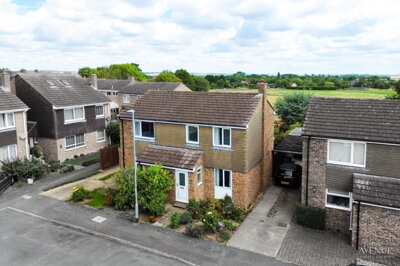
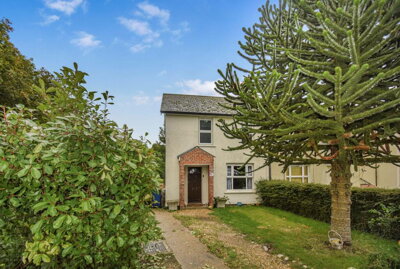
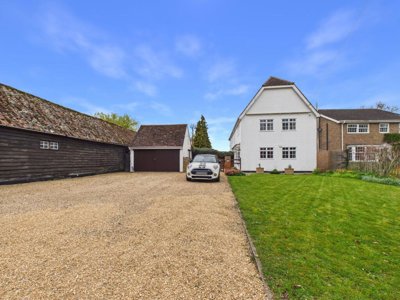
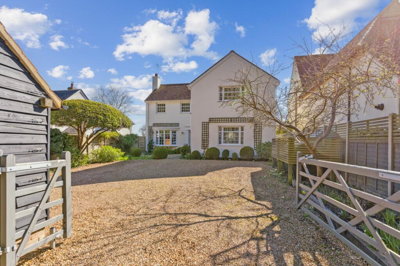
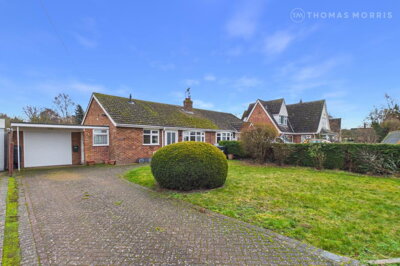
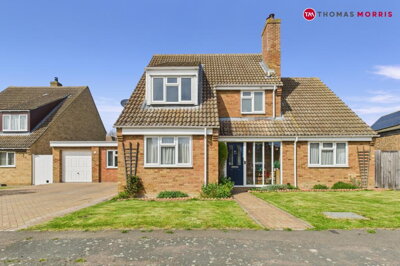
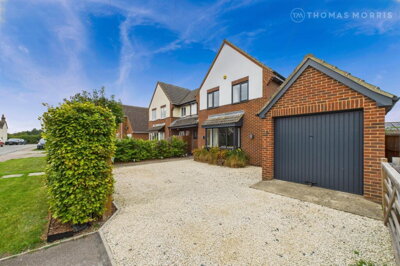
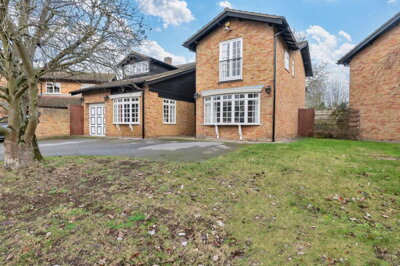
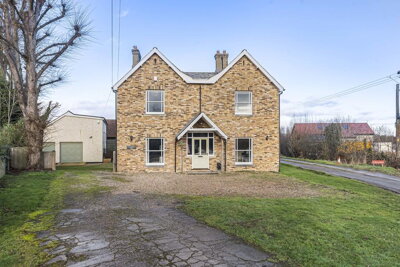
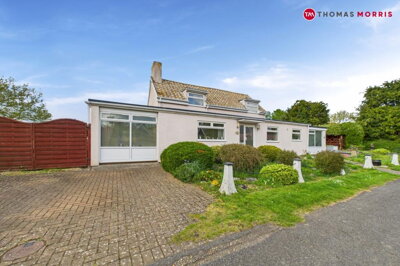
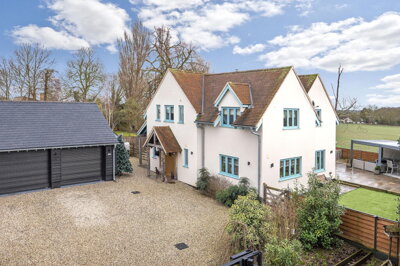
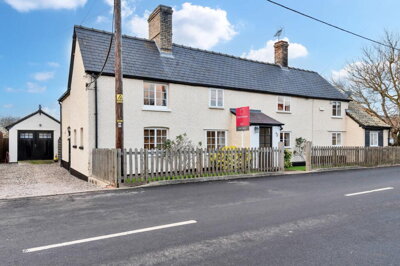
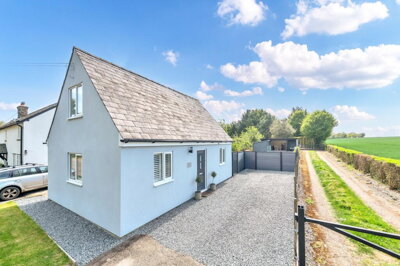
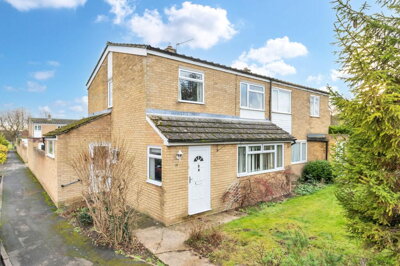
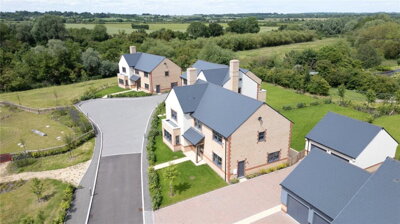
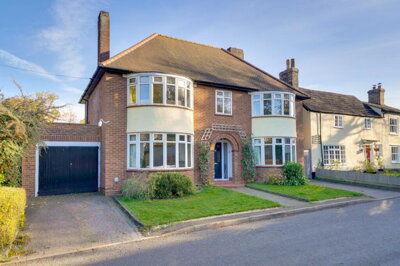
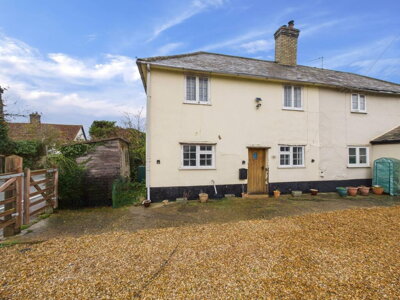
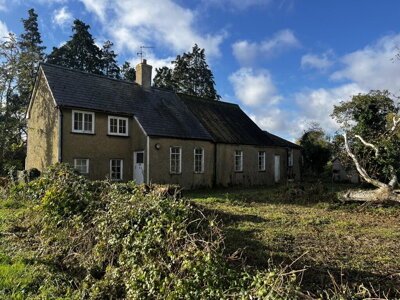
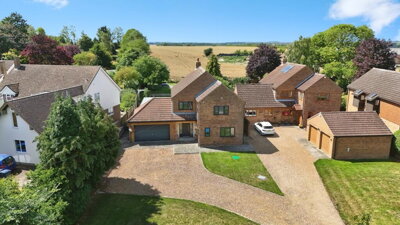
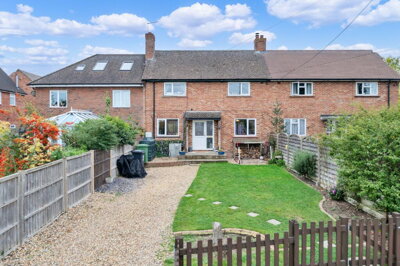
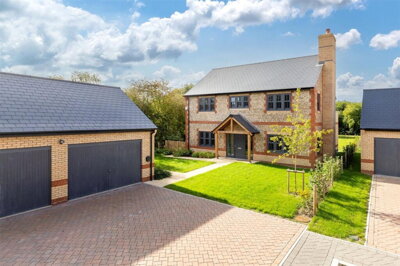
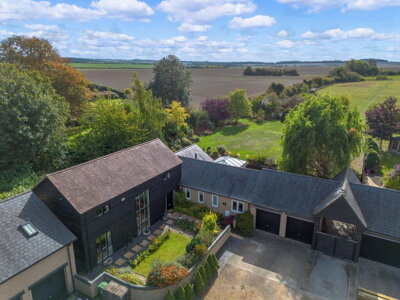
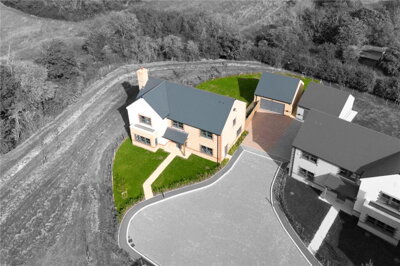
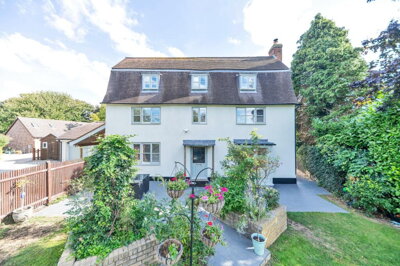
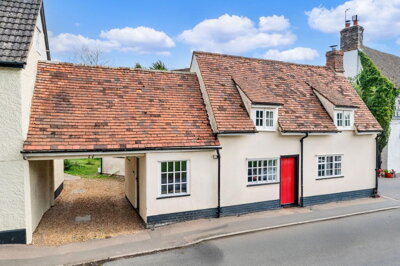
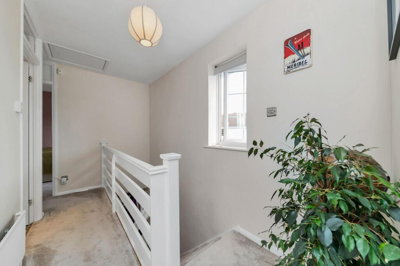
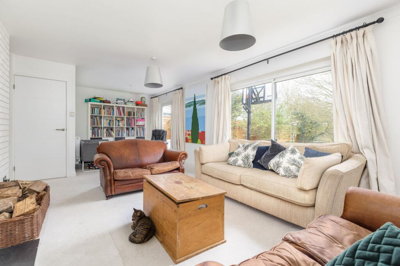
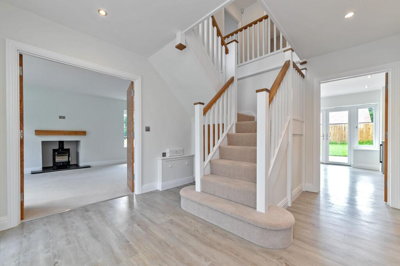
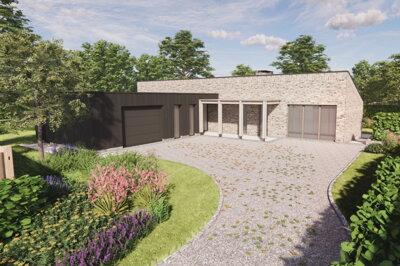
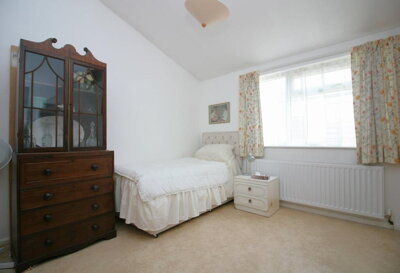
Browse 42 homes for sale in Abington Pigotts from local estate agents.
The Abington Pigotts property market offers detached, semi-detached, and terraced houses spanning various price ranges and neighbourhoods. Each listing includes detailed property information, photographs, and direct contact with the marketing agent.
The Abington Pigotts property market reflects its status as a premium South Cambridgeshire village location. Detached properties command an average price of around £750,000, while semi-detached homes typically fetch approximately £550,000. Over the past 12 months, property prices in the village have increased by 1.5%, indicating steady demand from buyers who recognise the value of this rural location with its excellent transport connections to Cambridge and beyond. The village's proximity to the M11 motorway makes it particularly attractive to professionals working in Cambridge's technology and research sectors, supporting continued demand for quality homes in the area.
Transaction volumes in Abington Pigotts are naturally limited given the village's small size, with only 2 property sales recorded in the last 12 months. This low turnover means properties rarely come to market, making any new listing potentially competitive. There are no active new-build developments within the village itself, as residential development in this designated Conservation Area is tightly controlled to preserve its historic character. Buyers seeking newer construction would need to explore neighbouring villages such as Cambourne or the market town of Saffron Walden, where larger housing developments offer more contemporary options.
The housing stock in Abington Pigotts is predominantly composed of detached and semi-detached properties, reflecting its rural character and the agricultural origins of the settlement. The majority of properties were built before 1919, with many dating from the Georgian and Victorian periods, giving the village its distinctive appearance of historic cottages, farmhouses, and larger country homes. Properties here often feature generous plot sizes compared to urban equivalents, with many homes sitting on plots of 0.25 acres or more. This combination of period character, substantial gardens, and rural setting commands a premium that has remained resilient even during broader market fluctuations.

Life in Abington Pigotts offers an authentic taste of rural Cambridgeshire living. The village centre centres on the historic Church of St Michael, a listed building that serves as a focal point for the community with its traditional flint and brick construction dating from the 14th century. The village is designated a Conservation Area, with several buildings including Abington Pigotts Manor and various period cottages and farmhouses enjoying listed status. This heritage protection ensures the village retains its unspoiled character, with architecture spanning several centuries reflecting the area's agricultural origins and gradual evolution over the years.
The local economy is primarily agricultural, with surrounding farmland producing crops typical of the region including wheat, barley, and oilseed rape. Many residents choose to commute to nearby employment centres including Cambridge's science and technology parks, Royston's industrial estates, and Saffron Walden's professional services. The proximity to Cambridge, approximately 12 miles distant, means residents can access the city's renowned restaurants, cultural venues, and shopping amenities while returning to the peace and quiet of village life. The village benefits from a popular local pub, The White Horse Inn, which serves as a social hub for residents and visitors alike, offering traditional pub fare and a selection of local ales in a historic setting.
Local community events and the welcoming atmosphere of a small village create strong neighbourly bonds that are increasingly sought after by buyers wanting to escape urban pressures. The village hosts seasonal events including fetes and quiz nights, with the annual Abington Pigotts Big Lunch bringing residents together for a shared meal on the village green. Families moving to the area often comment on the sense of safety and community that the village provides, with children able to play freely in the countryside while parents get to know their neighbours through school runs and village activities.

Families considering a move to Abington Pigotts will find a selection of educational options within reasonable travelling distance. The village itself does not have a primary school, so children typically attend schools in neighbouring villages such as Guilden Morden, where Guilden Morden Primary School serves families in the surrounding rural area, or Steeple Morden Primary School which has a Good rating from Ofsted. Parents should research specific catchment areas and admissions policies, as places at popular schools can be competitive given the rural nature of the area. Cambourne, approximately 6 miles away, offers primary school options including Cambourne Village College which serves as both a primary and secondary school for the growing Cambourne community.
Secondary education options include well-regarded schools in the surrounding area, with several rated Good or Outstanding by Ofsted. Cambourne Village College, for students aged 11-16, provides secondary education for families in South Cambridgeshire and has established a strong reputation since opening. Families in the Abington area also commonly consider schools in Saffron Walden, including Saffron Walden County High School which serves students from across Uttlesford district and beyond, and is recognised for its academic achievements and broad curriculum offerings. The school operates a selective intake system based on distance and sibling connections, so early research into catchment areas and admissions criteria is advisable.
For families requiring sixth form provision, Cambridge itself offers excellent further education colleges and sixth form centres with a broad range of A-level and vocational courses. The proximity to Cambridge's world-renowned university colleges may also be a factor for families with longer-term educational planning in mind, though entry to these institutions is highly competitive regardless of proximity. Families moving to Abington Pigotts often factor the quality of local schooling into their decision-making process, with the presence of good primary schools in surrounding villages and strong secondary options in nearby market towns making the area attractive to families at various stages of their educational journey.
Despite its rural setting, Abington Pigotts enjoys surprisingly good connectivity for commuters. The village sits within easy reach of several main roads including the A1307, which provides access to Cambridge and the M11 motorway to the east. Journey times to Cambridge city centre typically take around 25-30 minutes by car, making day-to-day commuting feasible for those working in the city. The M11 provides direct access to London Stansted Airport, approximately 40 minutes away by car, and connections to the M25 and greater London beyond. The A505 provides an alternative route towards Royston and the A1(M), giving residents flexibility in their travel options.
Public transport options are more limited due to the village's small size, with bus services connecting Abington Pigotts to surrounding villages and towns on a reduced timetable. The Stagecoach Route 9 provides some connections between Cambridge and Royston, passing through nearby villages and offering a public transport option for those working in either direction. The nearest railway stations can be found in Cambridge, Royston, or Audley End near Saffron Walden, offering regular services to London, Birmingham, and other major destinations. Cambridge station provides direct services to London King's Cross with journey times of approximately 50 minutes, while Royston offers connections to Cambridge and London King's Cross via Peterborough.
Many residents of South Cambridgeshire villages choose to drive for the majority of journeys while benefiting from the reduced property prices and enhanced quality of life that village living provides compared to city centre locations. The village's position off the A1307 provides relatively easy access to Cambridge's outer science and technology parks, including the Cambridge Biomedical Campus at Addenbrooke's Hospital, which is one of the largest concentrations of biotechnology and healthcare research in Europe. Commuters working in Royston's industrial estates or Saffron Walden's professional services sector also find the village's location advantageous, with journey times of 15-20 minutes to these nearby towns.
Before beginning your property search, spend time exploring Abington Pigotts at different times of day and week to understand the local community, noise levels, and traffic patterns. Visit nearby villages to assess the range of amenities available, and familiarise yourself with the Conservation Area restrictions that may affect future renovations or extensions. Consider the proximity to schools, the frequency of public transport, and the availability of services such as GPs and shops in the surrounding area. Speaking to existing residents can provide invaluable insights into village life that cannot be gained from property listings alone.
Obtain a mortgage agreement in principle before viewing properties, as this demonstrates your seriousness to sellers and helps you understand your true budget. Given the premium property prices in Abington Pigotts, with detached homes averaging £750,000, speak to a mortgage broker who can advise on the best products for your circumstances including remortgage options if you are selling an existing property. Factor in additional costs such as stamp duty, solicitor fees, and survey costs, which can add 3-5% to your total purchase budget. For properties in this price range, many buyers opt for a five-year fixed rate mortgage to provide certainty over their monthly payments during the initial years of ownership.
Work with local estate agents who understand the Abington Pigotts market and can alert you to new listings quickly. Given the limited transaction volumes, properties here can sell swiftly when presented well. Take notes during viewings and ask about the property's history, previous works, and any known issues with neighbours or the local area. Request copies of all relevant documentation including building regulations approvals, planning permissions, and any guarantees that may transfer with the property. For listed buildings, check what permissions may be required for any planned works.
Before completing your purchase, arrange a thorough survey of the property. Given the prevalence of older properties in Abington Pigotts, with many built before 1919, a Level 2 Survey is essential to identify issues such as damp, subsidence risk from the local Gault Clay geology, timber defects, or outdated electrical systems. Survey costs typically range from £400-900 depending on property size and value. For listed buildings or properties with visible structural concerns, a RICS Level 3 Building Survey may be more appropriate as it provides a more detailed analysis of construction and condition.
Choose a conveyancing solicitor with experience in South Cambridgeshire transactions and conservation area properties. They will handle searches, review the title deeds, and ensure all planning permissions for any extensions or alterations are in place. Completion typically takes 8-12 weeks for standard transactions but may be longer for leasehold or more complex sales. Your solicitor should conduct local authority searches with South Cambridgeshire District Council to check for any planning proposals or environmental issues that may affect the property, including flood risk assessments and conservation area designations.
Properties in Abington Pigotts require careful scrutiny due to their age and the local geological conditions. The village sits on Gault Clay, a high plasticity clay with moderate to high shrink-swell potential that can cause foundation movement and subsidence issues. During your survey, pay particular attention to any cracking in walls, particularly around door and window frames, as this may indicate historic or ongoing movement. Properties with shallow foundations, common in older buildings, are particularly vulnerable to these effects during dry summers or periods of heavy rainfall when moisture levels in the clay fluctuate significantly.
Surface water flooding represents a notable risk in certain areas of the village, especially along roads and in low-lying positions. Request copies of the property's flood risk assessment and check whether the current owners have ever experienced flooding. Buildings insurance costs may be higher in areas with elevated flood risk, so factor this into your overall budget. The village's position in a valley means that some properties, particularly those adjacent to small watercourses or drainage ditches, may be more susceptible to surface water accumulation during periods of heavy rain. The Flood Risk from Rivers and Sea shows very low risk for the village, but surface water risk varies across different areas and should be verified for each specific property.
The Conservation Area status of Abington Pigotts means that any external alterations, extensions, or significant landscaping works will require planning permission from South Cambridgeshire District Council, which takes a preservation-focused approach to applications within the village. This affects properties throughout the village, not just listed buildings, and restrictions may apply to window styles, roofing materials, and boundary treatments. If you are considering a property that requires modernisation or extension, factor in the time and cost of obtaining necessary permissions, and seek pre-application advice from the planning department before committing to a purchase.
Given the prevalence of older properties and Gault Clay geology, we recommend a RICS Level 2 Survey for all purchases in Abington Pigotts. Our surveyors understand local construction methods and common defects, helping you make an informed decision before completing your purchase.
The average property price in Abington Pigotts stands at £658,000 as of February 2026. Detached properties average around £750,000, while semi-detached homes typically sell for approximately £550,000. Prices have increased by 1.5% over the past 12 months, indicating sustained demand for properties in this sought-after South Cambridgeshire village. Given the limited number of sales in the village, with only 2 transactions in the past year, individual properties may sell for significantly more or less depending on their condition, position, and individual features. The village's premium pricing reflects its rural character, conservation status, and proximity to Cambridge.
Properties in Abington Pigotts fall under South Cambridgeshire District Council. Council tax bands for individual properties range across all bands from A through H, depending on the property's valuation. Older period properties and cottages may fall into lower bands, while larger detached homes and converted farmhouses could be in higher bands. You can check specific bandings on the Valuation Office Agency website using the property address. For a typical family home in Abington Pigotts priced around the village average of £658,000, council tax is likely to fall in bands D to F, depending on the property's size and construction.
Abington Pigotts itself does not have a primary school, so children typically attend schools in neighbouring villages such as Guilden Morden, Steeple Morden, or the wider South Cambridgeshire area. Several primary schools in the surrounding villages have Good or Outstanding Ofsted ratings. For secondary education, schools in Royston, Saffron Walden, and Cambridge serve the area, with Cambourne Village College and Saffron Walden County High School being popular choices for families in this part of Cambridgeshire. The nearest primary schools are approximately 3-4 miles away in either direction, requiring car transport for most families.
Public transport options from Abington Pigotts are limited due to the village's small size, with bus services running to surrounding villages and towns on a reduced timetable rather than high-frequency routes. The Stagecoach Route 9 connects nearby villages to Cambridge and Royston, though service frequency is typically hourly or less on weekdays. The nearest railway stations are located in Cambridge, Royston, or Audley End near Saffron Walden, each offering regular services to London and other major cities. Most residents rely on car travel for daily commuting, benefiting from the village's position near the A1307 and M11 motorway, which provides access to Cambridge within 25-30 minutes and London Stansted Airport in around 40 minutes.
Property in Abington Pigotts can be a sound investment for buyers seeking a combination of lifestyle benefits and long-term capital growth. The village's Conservation Area status limits future development, helping to protect property values by maintaining the area's character. Proximity to Cambridge, a major economic hub with continued growth in technology and bioscience sectors, supports demand from commuters. However, the very small size of the village means transaction volumes are low, with only 2 sales in the past year, which can affect liquidity if you need to sell quickly. Rental demand may also be limited given the premium property values and smaller pool of potential tenants, so buy-to-let investors should carefully consider their exit strategy.
Stamp Duty Land Tax rates from April 2025 start at 0% on the first £250,000 of residential property purchases, rising to 5% on amounts between £250,001 and £925,000, 10% up to £1.5 million, and 12% on anything above that threshold. First-time buyers benefit from increased thresholds, paying 0% on the first £425,000 and 5% between £425,001 and £625,000. Given the average property price of £658,000 in Abington Pigotts, a typical purchase by a first-time buyer would attract approximately £11,650 in stamp duty after the relief threshold, while a non-first-time buyer would pay £20,400.SDLT calculations can be complex, particularly for properties above standard rate thresholds.
There are no active new-build developments within Abington Pigotts itself, as the village's Conservation Area status and rural location restrict new residential development. Any new housing in the village would require exceptional circumstances and planning permission from South Cambridgeshire District Council. Buyers seeking newer construction properties should consider neighbouring settlements such as Cambourne, approximately 6 miles away, which has seen significant residential development over the past two decades with a range of modern housing stock available. Alternatively, newer properties may occasionally become available through conversions of existing agricultural buildings or barns under permitted development rights, though these opportunities are infrequent.
The main risks associated with older properties in Abington Pigotts relate to their construction age and local geology. Properties built before 1919, which constitute a significant proportion of the village's housing stock, may have hidden defects including outdated electrical wiring, plumbing that does not meet current standards, and solid walls without modern insulation. The Gault Clay geology presents a shrink-swell risk that can cause foundation movement, particularly in properties with older shallow foundations, potentially leading to cracking and structural concerns. Damp is another common issue in period properties, whether rising damp through solid floors, penetrating damp through traditional brickwork, or condensation resulting from inadequate ventilation. A thorough RICS Level 2 Survey is essential to identify these issues before purchase, with survey costs typically ranging from £400-900 depending on property size and value.
Purchasing a property in Abington Pigotts involves several costs beyond the purchase price itself. Stamp Duty Land Tax is calculated on a tiered basis, with rates of 0% on the first £250,000, 5% between £250,001 and £925,000, 10% up to £1.5 million, and 12% on amounts exceeding £1.5 million. For a typical semi-detached property priced around £550,000, you would pay £15,000 in stamp duty. First-time buyers enjoy enhanced thresholds with 0% up to £425,000 and 5% between £425,001 and £625,000, reducing costs for eligible buyers purchasing within those limits.
Additional buying costs include solicitor conveyancing fees, typically ranging from £500 to £2,000 depending on the complexity of the transaction and whether the property is freehold or leasehold. Survey costs for a RICS Level 2 Survey in the Cambridgeshire area generally fall between £400 and £900, with larger or more complex properties commanding higher fees. A RICS Level 2 Survey is particularly valuable for Abington Pigotts given the prevalence of older, historic properties that may have hidden defects. Mortgage arrangement fees, valuation fees, and land registry charges can add another £1,000-2,000 to your costs, bringing total buying costs to approximately 3-5% of the property price.
When budgeting for your purchase, remember to account for moving costs, potential repairs or renovations identified during survey, and ongoing costs such as buildings insurance, which may be higher for properties in areas with elevated flood risk or those constructed from non-standard materials. For listed buildings, factor in the potential costs of specialist repairs using appropriate materials and contractors, which can exceed those for modern properties. Setting aside a contingency fund of 5-10% of the purchase price is advisable to cover unexpected costs that may arise during the purchase process or immediately after moving in.
Properties for Sale In London

Properties for Sale In Plymouth

Properties for Sale In Liverpool

Properties for Sale In Glasgow

Properties for Sale In Sheffield

Properties for Sale In Edinburgh

Properties for Sale In Coventry

Properties for Sale In Bradford

Properties for Sale In Manchester

Properties for Sale In Birmingham

Properties for Sale In Bristol

Properties for Sale In Oxford

Properties for Sale In Leicester

Properties for Sale In Newcastle

Properties for Sale In Leeds

Properties for Sale In Southampton

Properties for Sale In Cardiff

Properties for Sale In Nottingham

Properties for Sale In Norwich

Properties for Sale In Brighton

Properties for Sale In Derby

Properties for Sale In Portsmouth

Properties for Sale In Northampton

Properties for Sale In Milton Keynes

Properties for Sale In Bournemouth

Properties for Sale In Bolton

Properties for Sale In Swansea

Properties for Sale In Swindon

Properties for Sale In Peterborough

Properties for Sale In Wolverhampton

Enter your details to see if this property is within your budget.
Loans, cards, car finance
Estimated property budget
Borrowing + deposit
You could borrow between
Typical borrowing
Monthly repayment
Est. at 4.5%
Loan-to-value
This is an estimate only. Your actual budget may vary depending on interest rates, credit history, and personal circumstances. For an accurate affordability assessment, speak to one of our free mortgage advisors.
This calculator provides estimates for illustrative purposes only and does not constitute financial advice. Your home may be repossessed if you do not keep up repayments on your mortgage. Estimates based on 4.5% interest rate, repayment mortgage. Actual rates depend on your circumstances.
Homemove is a trading name of HM Haus Group Ltd (Company No. 13873779, registered in England & Wales). Homemove Mortgages Ltd (Company No. 15947693) is an Appointed Representative of TMG Direct Limited, trading as TMG Mortgage Network, which is authorised and regulated by the Financial Conduct Authority (FRN 786245). Homemove Mortgages Ltd is entered on the FCA Register as an Appointed Representative (FRN 1022429). You can check registrations at NewRegister or by calling 0800 111 6768.

We use cookies to show you personalised content and improve your experience of our website. Find out more in our Privacy policy and Cookie policy.