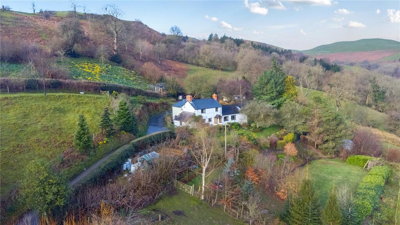
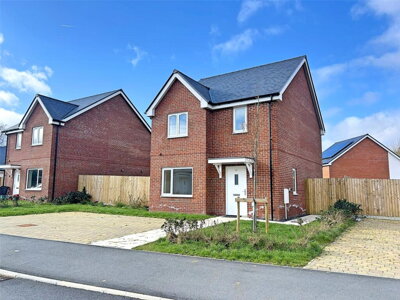
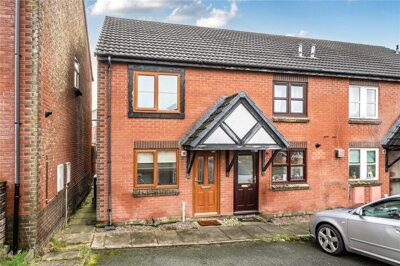
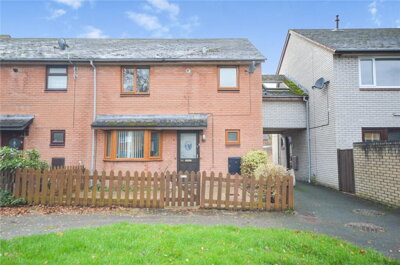
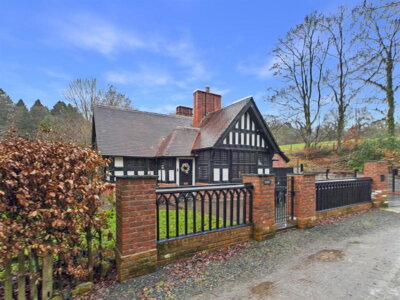
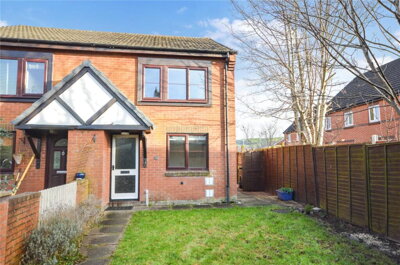
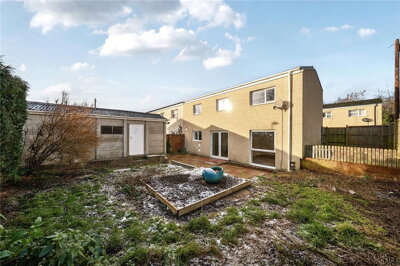
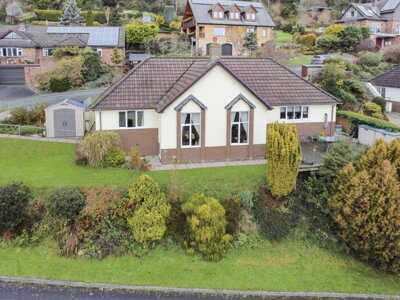
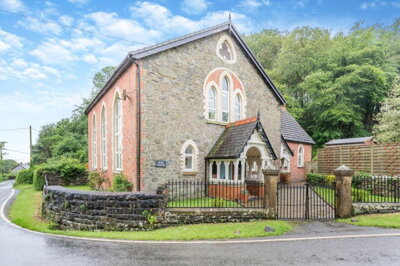
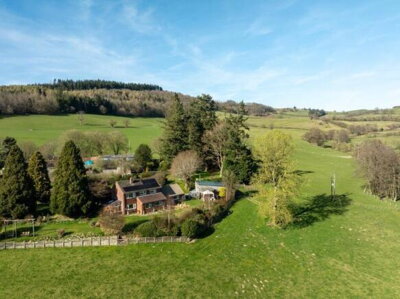
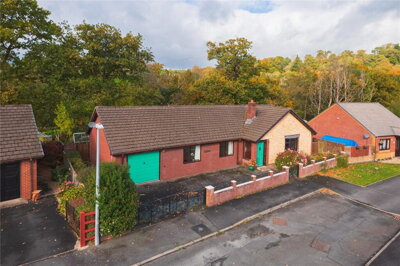
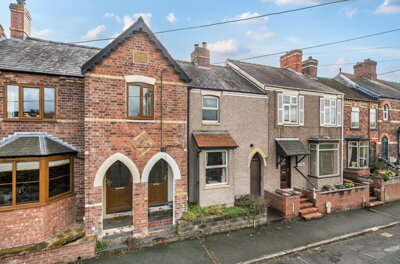
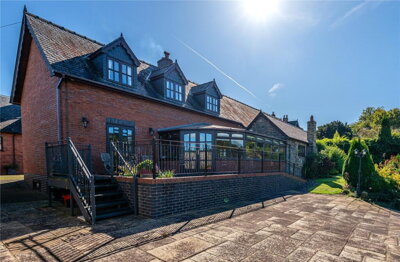
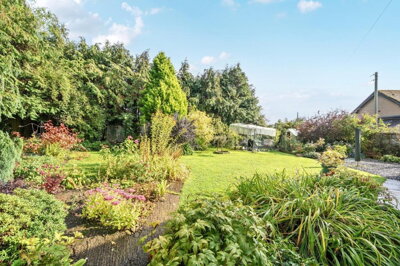
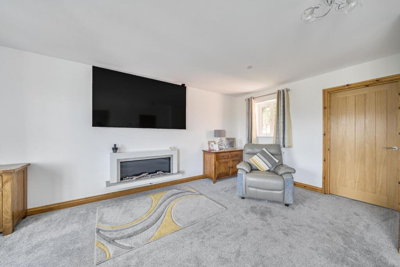
Browse 21 homes for sale in Aberhafesp, Powys from local estate agents.
£788k
2
0
166
Source: home.co.uk
Source: home.co.uk
Detached
1 listings
Avg £1.20M
Detached Bungalow
1 listings
Avg £375,000
Source: home.co.uk
Source: home.co.uk
The property market in Burgh and Tuttington maintains a reputation for stability and quality, attracting buyers who appreciate the value of rural Norfolk living combined with historical significance. Our current listings showcase the range of properties available, from traditional brick and pantile cottages to converted period buildings that reflect the area's agricultural heritage. The village's position as the third most expensive parish in Broadland indicates sustained demand for properties here, driven by limited supply and the appeal of conservation-protected surroundings. Recent sales data for the broader NR11 postcode area shows overall average prices of £548,125, with detached properties commanding significant premiums reflecting their typically larger plots and spacious accommodation.
Historical price trends in the area demonstrate consistent performance over recent years, with prices in 2024 showing a 68% increase compared to the previous year, though down 9% from the 2023 peak of £604,250. This pattern suggests a market that has experienced growth followed by a period of price stabilisation, which may present opportunities for buyers seeking to enter this prestigious postcode. The village's housing stock predominantly features detached properties, with semi-detached homes also represented in the parish. New build activity within the immediate parish boundaries remains limited, though proposed developments in the wider Aylsham area, including allocations for residential construction south of Burgh Road, indicate potential future expansion of the local housing supply.
Semi-detached properties in the broader Burgh Road area have recorded average prices of around £630,833, while individual detached sales have varied significantly depending on size and condition. A flat on Burgh Road sold for £197,500 in January 2019, demonstrating the range of property values across different types. The premium commanded by detached homes reflects both their typically larger footprint and the desirability of generous plot sizes in this rural setting. Our team monitors local market activity to help buyers understand current conditions and make informed decisions about timing and pricing.

Life in Burgh and Tuttington offers residents a quintessentially English rural experience, characterised by peaceful lanes, traditional architecture, and a strong sense of community heritage. The parish council actively encourages biodiversity initiatives, reflecting the community's commitment to preserving the natural environment that forms the backdrop to daily life. The Bure Valley runs through the conservation area, with its water meadows and mature trees providing scenic walking routes and habitats for local wildlife. The population has grown steadily over recent decades, rising from 255 residents in 2001 to 322 in 2011 and reaching 345 by 2021, suggesting increasing recognition of the village as an attractive place to live.
The character of the village is defined by its collection of historic buildings, many dating from the 17th, 18th, and 19th centuries, constructed using the local building traditions of red brick, red pantiles, and sand-lime render. Flint construction features prominently in the parish church and several period properties, including 5 The Street and 37 Wood Lane, while thatch remains visible on notable buildings such as The Old Manor House and Green Acre. The village lacks the commercial amenities of a town centre, but Aylsham provides essential services including shops, healthcare facilities, and traditional market trading just a short drive away. Community life revolves around the parish church, village hall, and local events that bring together residents across the scattered hamlets of this dispersed rural settlement.
The local economy centres on agriculture and related rural businesses, with farming continuing to play a role in the parish and surrounding area. Many residents commute to employment in Aylsham or Norwich, benefiting from the village's position between these larger settlements. The proximity to Aylsham, just two miles east, means that daily necessities including supermarkets, pharmacies, and medical practices are readily accessible without the need to travel to Norwich. For those working in Norwich, the ten-mile journey typically takes around 25 minutes by car, making regular commuting feasible for professionals who require city centre employment.

Understanding the construction methods used in Burgh and Tuttington properties is essential for any prospective buyer, as these traditional building techniques bring both character and specific maintenance requirements. The predominant materials in this area include red brick, red pantiles, and sand-lime render, all of which have been used for centuries in Norfolk building traditions. Properties constructed with these materials benefit from the region's natural resources, with local clay providing the raw material for brick and tile production. The sand-lime render seen on many period properties requires careful maintenance to prevent moisture penetration, and our inspectors frequently identify render deterioration as an issue requiring attention in older homes.
Flint construction represents a distinctive feature of certain properties in the parish, most notably the Church of St Mary the Virgin in Burgh-next-Aylsham, which is listed at Grade I, and several residential properties including 5 The Street and 37 Wood Lane. Flint walls, while incredibly durable, require specialist knowledge for any repair or remedial work. The irregular shapes and varied colours of knapped flint create the characteristic dappled appearance that defines these structures, but the mortar joints remain vulnerable to weathering over time. Buyers considering properties with flint construction should budget for the potentially higher costs of specialist maintenance.
Thatch roofing, visible on The Old Manor House and Green Acre, represents the traditional finish found on some of the village's most historic properties. These roofs require re-rendering every 20 to 40 years depending on the materials used and exposure to weather, and finding qualified thatchers in Norfolk can be challenging given the specialist nature of the craft. Black pantile roofing appears on Mill House and some extensions, while grey pantiles feature on properties including The Beeches and numbers 10 to 14 The Street. Each roofing material has distinct maintenance characteristics and expected lifespan, and our survey reports document the condition and remaining useful life of these elements.
Families considering a move to Burgh and Tuttington will find educational options available within easy reach of the village, serving the needs of children at all key stages. The nearby market town of Aylsham hosts primary schools serving the local catchment area, with St Michael's Church of England Primary School providing education for younger children within a short journey of the parish. This school, rated Good by Ofsted, offers a traditional approach to primary education within a historic market town setting. Secondary education options in the surrounding area include Aylsham High School, which offers comprehensive schooling for students progressing beyond primary level and serves as the main secondary school for the local catchment. The presence of multiple schools within commuting distance ensures families have genuine choice when selecting educational provision that best suits their children's needs.
For families requiring private education, several independent schools operate in Norfolk, with institutions in Norwich and the surrounding countryside providing alternatives to the state sector. These include primary and secondary options, with some offering boarding facilities for families requiring full weekly provision. Transport arrangements typically involve private vehicles or school bus services connecting the village to educational establishments in nearby towns. Parents should verify current catchment area arrangements and admission policies directly with Norfolk County Council and individual schools, as these can change and may influence school allocation. The village's rural character means that school transport considerations should form part of any property search, particularly for families with children at secondary school age.
Early years childcare options in the surrounding area include preschool facilities in Aylsham and neighbouring villages, providing flexible care arrangements for working parents. The village hall occasionally hosts community activities suitable for young children, and the parish benefits from an active community spirit that welcomes young families. Given the rural location, arranging childcare before completing a property purchase is advisable, as availability can be limited compared to urban areas.
Connectivity from Burgh and Tuttington relies primarily on road transport, with the village positioned to benefit from proximity to both local and national routes. The A140 runs through nearby Aylsham, providing direct links northward to Cromer on the coast and southward toward Norwich. The B1145 offers an alternative route connecting the village to surrounding market towns and villages across Broadland. For residents commuting to Norwich, the journey of approximately ten miles typically takes around 25 minutes by car, making regular commuting feasible for those working in the city. Parking provision at village properties generally includes generous off-street parking, a significant advantage compared to urban residential areas.
Public transport options serve the area through bus routes connecting Aylsham to Norwich and other destinations, with services providing an alternative to car travel for those without private vehicles. Norwich railway station offers mainline connections to London Liverpool Street, with journey times of approximately two hours, making the capital accessible for both business and leisure travel. The station also provides regional connections across East Anglia, including services to Cambridge and links to the wider rail network. The Bure Valley Railway, a heritage railway operating between Wroxham and Aylsham, provides a leisure connection through the surrounding countryside and offers an enjoyable day out for residents interested in local history and railway heritage.
Cycling infrastructure in the area includes rural lanes that, while lacking dedicated cycle paths, are popular among recreational cyclists and commuters confident with country road cycling. The Norfolk countryside surrounding the village offers excellent cycling opportunities, with quiet lanes connecting to nearby villages and market towns. For those commuting to Norwich, cycling is a viable option for the more adventurous, though the ten-mile journey requires reasonable fitness and appropriate equipment. Most residents find that a car is essential for daily life in this rural parish, and properties here typically benefit from off-street parking and garaging that reflects this necessity.
Explore current property listings in Burgh and Tuttington and familiarise yourself with price trends in this prestigious Broadland parish. Understanding the difference between conservation area properties and those outside protected zones will help you target appropriate properties. The village ranks as the third most expensive parish in Broadland, so budgeting accordingly is essential for serious buyers.
Before scheduling viewings, obtain a mortgage agreement in principle from a lender. This demonstrates your financial readiness to sellers and estate agents, strengthening your position when making an offer on properties in this competitive market. Properties in desirable rural locations like Burgh and Tuttington can attract multiple buyers, so having your finances arranged gives you a competitive edge.
Visit properties that match your requirements, paying particular attention to the construction materials and condition of older homes. Many properties in the conservation area feature traditional construction methods including flint walls, thatch roofing, and period joinery that require specialist assessment. We recommend taking notes during viewings to compare properties after visiting several options.
Given the prevalence of older properties in Burgh and Tuttington, a Level 2 HomeBuyer Survey is recommended to identify any defects before purchase. Average costs for this survey in Norfolk range from £375 to £800 depending on property size and value, with higher fees for properties over £500,000. Our inspectors understand the specific issues affecting period properties in this area and can provide detailed advice on maintenance requirements and priorities.
Choose a solicitor experienced in rural Norfolk property transactions to handle the legal aspects of your purchase, including searches related to flood risk and conservation area restrictions. Properties in conservation areas may have additional covenants or planning conditions that require specialist knowledge to interpret correctly.
Once searches are satisfactory and finances are confirmed, your solicitor will exchange contracts and set a completion date. On completion day, the remaining balance transfers and you receive the keys to your new home. We recommend arranging buildings insurance to commence from exchange of contracts to protect your investment throughout the final stages of the transaction.
Purchasing property in Burgh and Tuttington requires careful consideration of several area-specific factors that differ from standard urban property searches. The presence of the Burgh Conservation Area, designated in the year 2000, brings planning restrictions that affect permitted development rights and requirements for exterior alterations. Properties within the conservation area must adhere to guidelines regarding materials, windows, and roofing to maintain the historical character that makes the village desirable. Prospective buyers should familiarise themselves with these requirements before planning any renovations or extensions, as breaches can result in enforcement action from Broadland District Council.
Flood risk represents a practical consideration for certain properties in the parish. The Bure Valley water meadows create areas of potential surface water flooding, with Tuttington experiencing particular susceptibility in some locations. A thorough survey will identify any flood risk indicators, and prospective buyers should consider whether appropriate flood resilience measures have been implemented. Properties near water features or in low-lying areas warrant additional investigation. The local geology, characterised by chalk bedrock overlaid with sand, gravel, and clay, can create variable ground conditions that affect foundations, and older properties may show signs of settlement over time.
Building materials in the village require informed assessment. Traditional pantile and thatch roofs, while contributing to the area's character, demand ongoing maintenance and may require specialist repair skills. Flint construction, visible in several period properties including the parish church, requires particular expertise for any remedial work. Electrical and plumbing systems in older homes may not meet current standards, and a comprehensive survey should assess the condition of these installations. Properties listed as Grade I, II*, or II carry additional obligations regarding maintenance and alterations that buyers must understand before completing a purchase.
Common defects identified in properties across rural Norfolk include rising damp in solid-walled construction, deterioration of traditional timber windows, and issues with older electrical installations that may not comply with current regulations. Our surveyors frequently find that Victorian and Edwardian properties in this region show signs of damp penetration through solid walls, particularly where original breathability has been compromised by inappropriate modern finishes. Roof condition assessment is particularly important for properties with pantile or thatch coverings, as replacement costs can be substantial.
Properties in Burgh and Tuttington command premium prices reflecting the village's desirability and limited supply. Detached properties average approximately £558,022 based on 23 recorded sales since 2018, while the broader NR11 postcode area shows overall average prices of £548,125. The parish ranks as the third most expensive out of 53 parishes in Broadland with recorded transactions, indicating sustained demand for quality homes in this rural location. Semi-detached properties in the wider area have recorded higher average prices of around £630,833, demonstrating the strong demand across different property types in this sought-after location.
Council tax bands in Burgh and Tuttington follow Broadland District Council's valuation system based on property value at the time of construction. Specific bands depend on the individual property's assessed value, and prospective buyers should check the banding with Norfolk County Council or the local council tax enquiry service. Band D typically represents the median position in similar rural Norfolk villages, though premium properties in this prestigious parish often fall into higher bands E or F. You can verify council tax bands for specific properties on the government valuation office website or through your solicitor during the conveyancing process.
Burgh and Tuttington is served by primary schools in nearby Aylsham, including St Michael's Church of England Primary School, which serves the local catchment area and has been rated Good by Ofsted. This Victorian school provides education for children aged 5 to 11 and maintains strong community links with the surrounding villages. Secondary education is available at Aylsham High School for students aged 11-16, which serves as the main secondary option for residents of this parish. Families should verify current catchment boundaries and admission criteria with Norfolk County Council, as these can affect school allocation and change from year to year.
Public transport options from Burgh and Tuttington include bus services connecting to Aylsham and Norwich, though private vehicle travel remains the primary transport mode for most residents due to the rural nature of the parish. Bus services typically operate on an hourly or two-hourly basis, which may suit some commuters but requires careful planning for daily travel. Norwich railway station, approximately 10 miles away, provides mainline services to London Liverpool Street in around two hours, making day travel to the capital practical for business or leisure. The village's dispersed settlement pattern means that a car provides the most practical daily transport solution for most households, and properties here typically benefit from generous parking provision.
Burgh and Tuttington presents a compelling investment case given its position as the third most expensive parish in Broadland, strong historical price performance, and limited supply of properties. The conservation area designation restricts new development, supporting property values by limiting the supply of homes in this desirable location. Historical price data shows consistent growth over recent years, with the 2024 market showing a 68% increase compared to the previous year following a stabilisation period. Demand from buyers seeking rural Norfolk living with good connections to Norwich suggests continued capital growth potential, though property values here tend toward stability rather than rapid appreciation.
Stamp duty Land Tax applies to purchases above £250,000 at 5% on the portion between £250,000 and £925,000, with higher rates above that threshold. First-time buyers benefit from relief on purchases up to £625,000, with zero stamp duty on the first £425,000 and 5% on the remainder. Given the typical detached property value of around £558,000 in this parish, a standard buyer would pay approximately £15,400 in stamp duty, while a first-time buyer would pay approximately £6,650. Budgeting for these costs alongside your mortgage, survey fees, and solicitor charges ensures you have a complete picture of your total purchase costs.
Period properties in Burgh and Tuttington commonly present issues related to their traditional construction methods, including rising damp in solid brick walls, deterioration of traditional timber joinery, and wear to pantile or thatch roofing. Our inspectors frequently identify problems with electrical installations that do not meet current standards, particularly in properties that have not been updated in several decades. Flint-walled properties require specialist assessment, as the mortar joints between flint stones can deteriorate over time and require repointing. We recommend a thorough survey for any property over 50 years old, and a Level 3 Building Survey for listed buildings or properties of unusual construction.
New build activity within Burgh and Tuttington parish itself remains limited, with no active developments confirmed within the immediate parish boundaries. However, proposed housing developments in the broader Aylsham area, including sites allocated for residential construction south of Burgh Road and west of the A140, indicate potential future expansion of the local housing supply. A bespoke development called Laurel Farm Barns on Hall Road in Tuttington was designed to blend modern design with traditional craftsmanship, though the current status of this development should be verified with local estate agents. For buyers seeking new build properties, the wider NR11 postcode area offers more options, while those seeking character properties will find the established housing stock of Burgh and Tuttington provides considerable appeal.
From 4.5%
Competitive mortgage rates available for Norfolk properties
From £499
Solicitors experienced in Norfolk property transactions
From £395
Comprehensive survey for modern and older properties
From £600
Detailed survey for period and listed properties
Understanding the full costs of purchasing property in Burgh and Tuttington requires careful budgeting beyond the purchase price itself. The average property value in this parish means that most buyers will encounter stamp duty Land Tax as a significant additional expense. For properties priced at the typical detached home value of around £558,000, a standard buyer would pay stamp duty calculated on the portion above £250,000, resulting in costs of approximately £15,400. First-time buyers may benefit from relief on the first £425,000, reducing their stamp duty liability to approximately £6,650 for equivalent properties.
Survey costs represent an important consideration given the age and character of properties in Burgh and Tuttington. A RICS Level 2 HomeBuyer Survey in Norfolk costs on average around £499, with prices varying based on property size and value. For a property valued at £558,000, survey costs would typically fall between £500 and £800. The prevalence of period properties, many featuring traditional construction methods, makes a professional survey particularly valuable for identifying potential issues before completion. Properties constructed before 1900, or those of unusual construction such as flint buildings, may warrant the more comprehensive RICS Level 3 Building Survey, which provides detailed assessment of construction, condition, and maintenance requirements.
Solicitors' fees for conveyancing in Norfolk typically start from around £499 for straightforward transactions, rising for more complex purchases involving conservation area properties or listed buildings. Search fees, including local authority, drainage, and environmental searches, add several hundred pounds to the total. Buyers should also budget for mortgage arrangement fees, valuation costs, and land registry fees. Given the premium nature of property in Burgh and Tuttington, engaging professionals with experience in rural Norfolk transactions can help navigate the additional considerations that come with historic properties and conservation area purchases. Our recommended solicitors and mortgage brokers have experience with properties in this area and can provide specialist guidance throughout your transaction.
Properties for Sale In London

Properties for Sale In Plymouth

Properties for Sale In Liverpool

Properties for Sale In Glasgow

Properties for Sale In Sheffield

Properties for Sale In Edinburgh

Properties for Sale In Coventry

Properties for Sale In Bradford

Properties for Sale In Manchester

Properties for Sale In Birmingham

Properties for Sale In Bristol

Properties for Sale In Oxford

Properties for Sale In Leicester

Properties for Sale In Newcastle

Properties for Sale In Leeds

Properties for Sale In Southampton

Properties for Sale In Cardiff

Properties for Sale In Nottingham

Properties for Sale In Norwich

Properties for Sale In Brighton

Properties for Sale In Derby

Properties for Sale In Portsmouth

Properties for Sale In Northampton

Properties for Sale In Milton Keynes

Properties for Sale In Bournemouth

Properties for Sale In Bolton

Properties for Sale In Swansea

Properties for Sale In Swindon

Properties for Sale In Peterborough

Properties for Sale In Wolverhampton

Enter your details to see if this property is within your budget.
Loans, cards, car finance
Estimated property budget
Borrowing + deposit
You could borrow between
Typical borrowing
Monthly repayment
Est. at 4.5%
Loan-to-value
This is an estimate only. Your actual budget may vary depending on interest rates, credit history, and personal circumstances. For an accurate affordability assessment, speak to one of our free mortgage advisors.
This calculator provides estimates for illustrative purposes only and does not constitute financial advice. Your home may be repossessed if you do not keep up repayments on your mortgage. Estimates based on 4.5% interest rate, repayment mortgage. Actual rates depend on your circumstances.
Homemove is a trading name of HM Haus Group Ltd (Company No. 13873779, registered in England & Wales). Homemove Mortgages Ltd (Company No. 15947693) is an Appointed Representative of TMG Direct Limited, trading as TMG Mortgage Network, which is authorised and regulated by the Financial Conduct Authority (FRN 786245). Homemove Mortgages Ltd is entered on the FCA Register as an Appointed Representative (FRN 1022429). You can check registrations at NewRegister or by calling 0800 111 6768.

We use cookies to show you personalised content and improve your experience of our website. Find out more in our Privacy policy and Cookie policy.