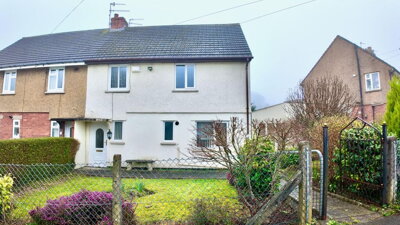
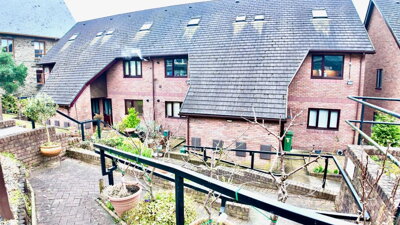
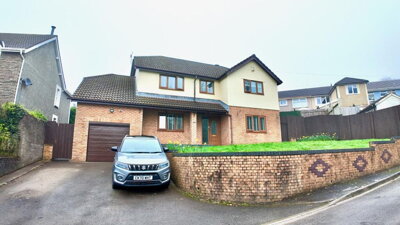
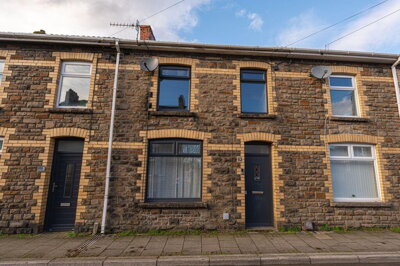
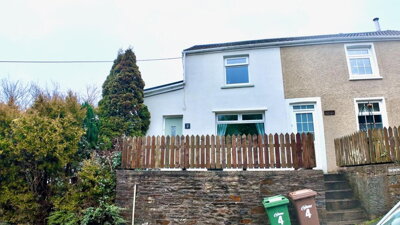
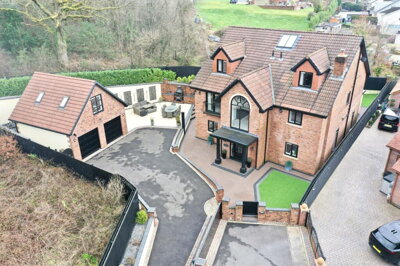
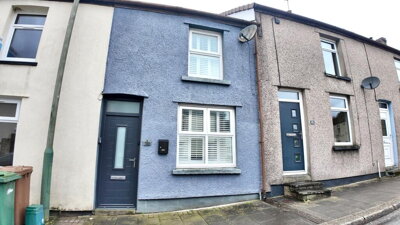
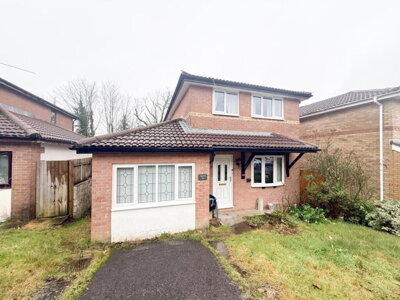
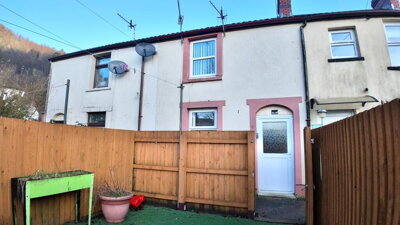
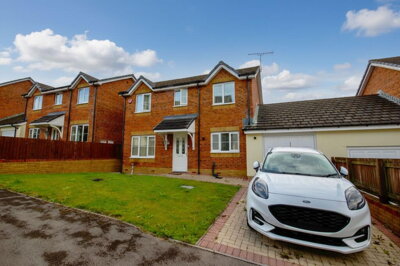
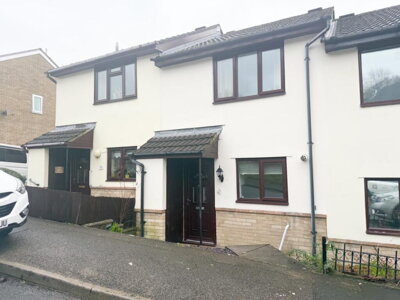
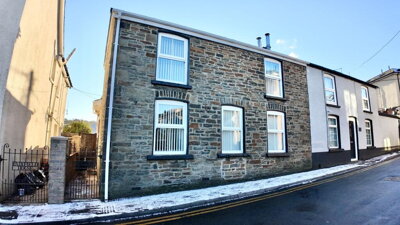
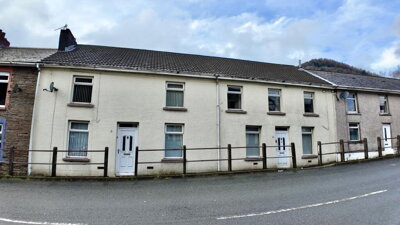
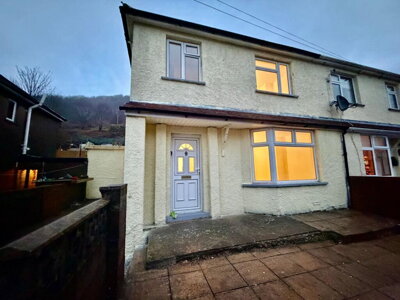
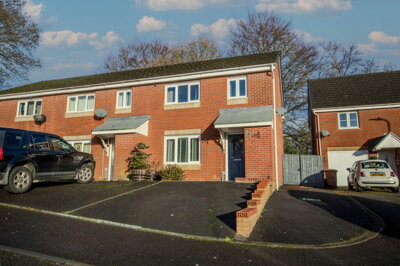
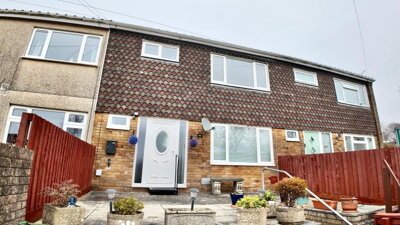
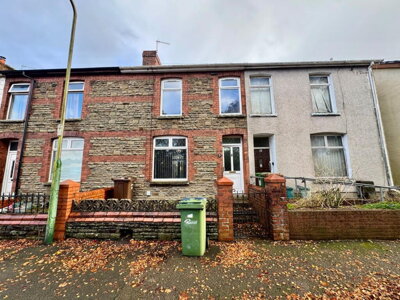
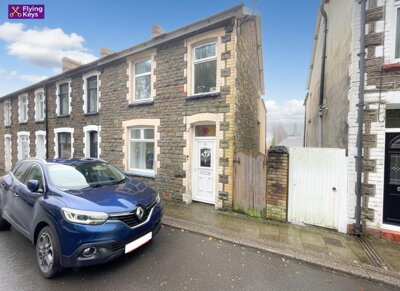
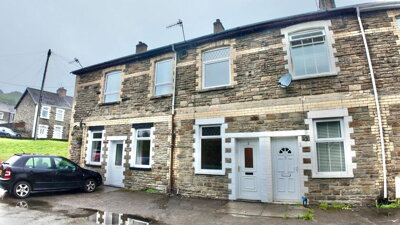
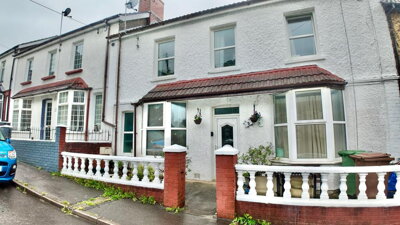
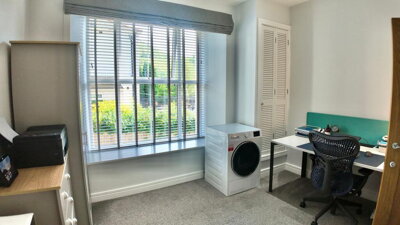
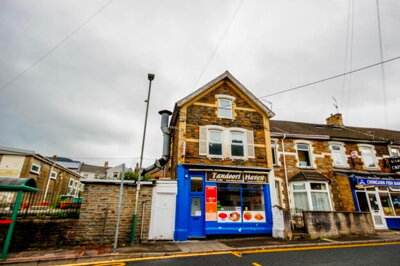
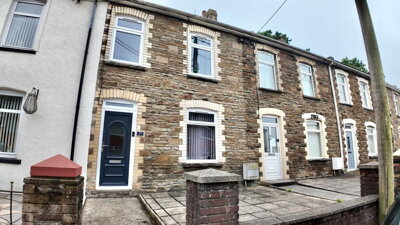
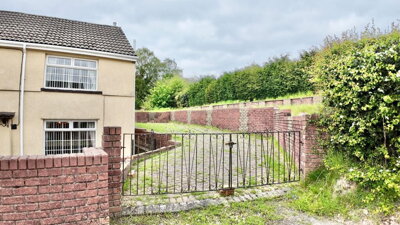
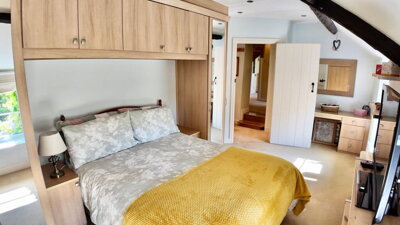
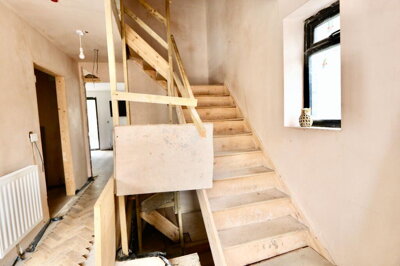
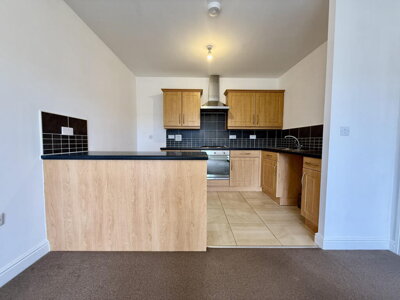
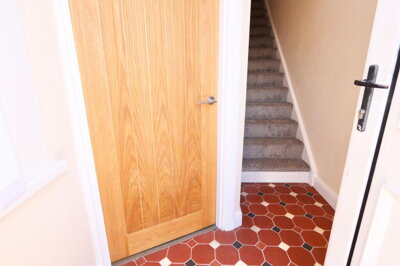
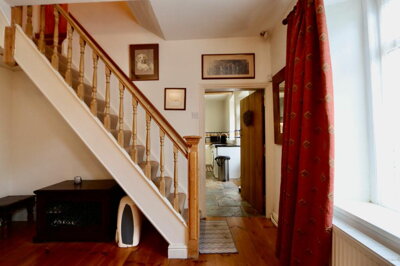
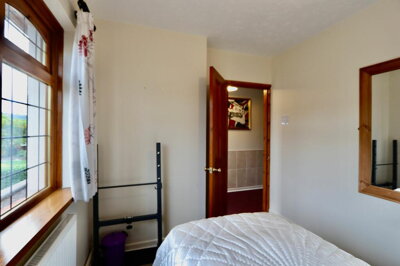
Browse 182 homes for sale in Abercarn, Caerphilly from local estate agents.
£185k
24
0
111
Source: home.co.uk
Source: home.co.uk
Terraced
7 listings
Avg £143,571
Semi-Detached
6 listings
Avg £223,167
Detached
4 listings
Avg £290,000
End of Terrace
4 listings
Avg £175,000
Apartment
1 listings
Avg £75,000
Cottage
1 listings
Avg £125,000
Flat
1 listings
Avg £130,000
Source: home.co.uk
Source: home.co.uk
The Burston and Shimpling property market presents a diverse range of housing options across the civil parish and surrounding IP21 postcode area. Recent transaction data reveals that detached properties dominate the higher end of the market, with sales prices in IP21 4QT achieving around £365,000 to £400,000 for quality family homes. Semi-detached properties in the area have sold for between £145,000 and £337,500, depending on condition and location, while flats in certain postcode sectors have changed hands for approximately £135,000. The variation in prices across different postcode sectors reflects the mix of property ages and styles found throughout the parish.
Price trends across the IP21 area show a mixed picture over the past twelve months. Some postcode sectors have experienced substantial price growth, with IP21 4TG rising by 147% and IP21 4YJ increasing by 31% compared to the previous year. Meanwhile, other areas have seen more modest adjustments, with IP21 4QT experiencing a 19% decrease following limited transaction volumes. IP21 4QZ has declined by 6% from its 2016 peak, while IP21 4XY shows values down 6.7% since November 2022. The limited number of sales recorded in the past year highlights the quiet nature of this rural property market, where properties may change hands infrequently but attract committed buyers seeking the countryside lifestyle that Burston and Shimpling provides.
Housing stock in Burston and Shimpling spans multiple architectural periods, with IP21 4QT dominated by mid-century family homes built between 1936 and 1979, while IP21 4YJ features period flats constructed between 1800 and 1911. This age diversity means buyers will encounter properties ranging from Georgian and Victorian cottages to twentieth century family homes, each with their own maintenance considerations and character features. The mix of property ages across the parish contributes to the varied price points observed in different postcode sectors.

Burston and Shimpling offers a quintessentially English rural lifestyle in the heart of the South Norfolk countryside. The civil parish, with its estimated population of 611 residents, comprises the villages of Burston and Shimpling situated along the River Waveney valley. The area is characterised by gentle rolling farmland, traditional Norfolk brick cottages, and a strong sense of community that is often harder to find in larger towns. Residents enjoy the pace of countryside life while having access to essential services within a short drive.
The parish holds a unique place in British history as the home of the Burston Strike, recognised as the longest strike in history. This remarkable episode of rural labour history is commemorated annually with a rally on the first Sunday in September, drawing visitors to the village and reinforcing its distinctive character. The Church of St George in Shimpling stands as the area's heritage landmark, featuring a rare round tower and now cared for by the Churches Conservation Trust. The village's historical significance and preserved architecture contribute to its character as a place where community traditions remain strong.
Local amenities in nearby villages include traditional public houses in Pulham Market, a hairdressers, and a doctors surgery, while Pulham Market also hosts two pubs serving the local community. Long Stratton offers a supermarket, dentist, and veterinary practice for everyday needs. The proximity to Diss, approximately 12 miles to the south, provides access to a wider range of shopping, healthcare, and leisure facilities, including the main line railway station. The local economy is influenced by agriculture, small businesses, and commuting to nearby towns, with most residents working in the surrounding market towns or further afield in Norwich or London.

Families considering a move to Burston and Shimpling will find educational options available in the surrounding villages and market towns. Primary education is served by schools in nearby villages, with Pulham Market Primary School providing reception through to Year 6 education for younger children in the local area. The school serves families from Burston, Shimpling, and surrounding villages, offering a small class environment where children benefit from individual attention and strong community ties. The intimate scale of village schools often provides educational advantages that families find difficult to replicate in larger town settings.
Secondary education options include schools in the nearby market towns, with students typically travelling to Long Stratton or Diss for Years 7 through 13. Long Stratton offers a secondary school with a strong academic record, while Diss High School provides comprehensive secondary education with sixth form provision for older students. Parents should verify current catchment areas and admission arrangements with Norfolk County Council, as these can affect school allocations for properties in the Burston and Shimpling parish. School performance data and Ofsted ratings should be checked directly on the government website for the most current information when planning a family move to the area.
The relatively compact nature of the Burston and Shimpling community means that families often develop close relationships with teachers and school staff, something that is valued by residents who have chosen this area specifically for its educational environment. Private schooling options are available in Norwich for families seeking alternative educational approaches, with transport arrangements typically managed by families living in the broader South Norfolk area.
Burston and Shimpling enjoys convenient connectivity to the wider region despite its rural setting. The village sits approximately 12 miles south of Diss, where the town provides a main line railway station with services to Norwich and London Liverpool Street. Norwich station offers regular trains to the capital with journey times of approximately two hours, making Burston and Shimpling a viable option for commuters who work in London but prefer countryside living. The journey by road to Diss takes around 25 minutes via the A1066, connecting residents to the rail network and additional amenities.
Road transport options from Burston and Shimpling include access to the A140 that runs through nearby towns, providing routes north to Norwich and south towards Ipswich. The Norfolk countryside road network connects the various villages, though residents should be prepared for the narrow lanes typical of rural England. Bus services operate between local villages, though frequencies may be limited, making car ownership a practical necessity for most residents. The proximity to Diss and its railway station is a significant factor for property values in the Burston and Shimpling area, offering residents the flexibility to commute while enjoying the peaceful village environment.
For those working in Norwich, the approximately 30-minute train journey from Diss provides a manageable commute option, while the drive to Norwich by car takes around 40 minutes depending on traffic conditions. The strategic position of Burston and Shimpling, between two market towns with good road and rail connections, makes it attractive to buyers who need to balance rural living with employment opportunities in larger centres.
Before viewing properties, spend time exploring Burston and Shimpling at different times of day and week. Visit local pubs, check out nearby towns like Diss and Long Stratton, and understand the community atmosphere. Our listings provide detailed information on properties, but there is no substitute for walking the village streets and speaking with local residents. Take time to explore different postcode sectors, as prices and property types vary significantly across the IP21 area.
Obtain a mortgage agreement in principle before beginning property viewings. This demonstrates your seriousness to sellers and estate agents while giving you a clear budget to work within. Contact our mortgage partners to compare rates and find the best deal for your circumstances. Current Stamp Duty thresholds for 2024-25 are 0% on properties up to £250,000, with first-time buyer relief extending to £425,000. Given that property prices in Burston and Shimpling can exceed £600,000, understanding your full purchasing costs including stamp duty is essential before making offers.
Once you have found properties of interest, arrange viewings through our platform. For older properties in Burston and Shimpling, which include many period cottages built between 1800 and 1911, mid-century homes from 1936 to 1979, and potentially listed buildings, we strongly recommend a RICS Level 2 survey to identify any structural issues, damp, or timber defects before committing to purchase. The age of much of the local housing stock means that thorough surveys are particularly valuable in this area.
Your conveyancing solicitor will handle the legal aspects of the purchase, including local searches, contracts, and land registry checks. They will investigate any planning restrictions, verify flood risk for the specific property location given the Waveney Valley setting, and ensure all searches relevant to the Norfolk countryside are completed thoroughly. Special attention should be paid to any listed building consent requirements that may affect properties in this historic parish.
Once all searches are satisfactory and financing is confirmed, you will exchange contracts and pay your deposit. Completion typically follows within a few weeks, at which point you will receive your keys and take ownership of your new home in Burston and Shimpling. Our team can recommend local solicitors experienced with rural Norfolk property transactions who understand the specific considerations of this area.
Properties in Burston and Shimpling span several architectural periods, from Georgian and Victorian cottages through to mid-twentieth century family homes. When viewing properties, pay close attention to the construction materials used, as Norfolk properties often feature traditional brickwork with rendered finishes that may require maintenance. Older properties in the IP21 4YJ postcode sector, dating from 1800 to 1911, typically feature solid wall construction which requires different treatment compared to modern cavity wall properties. Understanding these construction methods is essential for maintaining the property correctly and avoiding costly mistakes.
Roof conditions warrant particular attention, as older properties with clay tile or slate coverings can suffer from slipped tiles, degraded pointing, or timber deterioration that may not be immediately visible from ground level. Given the local geology of Norfolk, which includes areas of clay soils susceptible to shrink-swell movement, watch for signs of subsidence or heave that may manifest as cracking to walls or distorted door and window frames. Properties in the Waveney Valley should also be checked for any history of flooding or water ingress, as proximity to watercourses can present risks during periods of heavy rainfall.
The presence of listed buildings and historic structures in the parish means some properties may carry additional obligations. The Church of St George in Shimpling and other heritage assets indicate that properties within the parish could be affected by listed building consent requirements for alterations. If considering a property for renovation or extension, verify the listing status and any planning restrictions with South Norfolk Council before proceeding. Flood risk should also be investigated carefully given the Waveney Valley location, with specific flood maps available from the Environment Agency for the exact property location.
Electrical and plumbing systems in older properties often require updating to meet current standards. Period flats in IP21 4YJ and traditional cottages throughout the parish may have wiring and plumbing that predates modern regulations. A thorough RICS Level 2 survey will identify any concerns with these systems, allowing you to budget for necessary upgrades. Our inspectors are experienced in assessing the types of defects commonly found in Norfolk's older housing stock, including solid wall dampness, timber rot, and outdated services.
The housing stock in Burston and Shimpling includes a significant proportion of older properties that are likely to present common defects requiring attention. Period flats built between 1800 and 1911 in the IP21 4YJ area often suffer from damp related to solid wall construction, where moisture can penetrate through walls that lack the cavity space found in modern properties. Our inspectors frequently identify penetrating damp, rising damp, and condensation issues in properties of this age, particularly those with render finishes that may be hiding underlying problems.
Mid-century properties built between 1936 and 1979 in postcode sectors like IP21 4QT represent another significant segment of local housing. These homes often feature clay tile or slate roofs that require periodic maintenance, with slipped tiles, degraded ridge pointing, and deteriorated flashings being common findings during surveys. Timber roof structures in these properties may also show signs of woodworm or fungal decay, especially where ventilation has been inadequate over the years.
Outdated electrical systems are a frequent concern in properties across all age ranges in the Burston and Shimpling area. Rewiring may be needed where original circuits have not been updated, and consumer units may not meet current safety standards. Similarly, plumbing systems in older properties often feature galvanised steel or copper pipes that may be corroded or prone to leaks. Our RICS Level 2 surveys provide detailed assessments of these systems, flagging any issues that require attention before completion.
Clay soils, which are prevalent in parts of Norfolk, can present shrink-swell risks that may affect property foundations. While specific geological data for the immediate Burston and Shimpling area was not available, properties showing signs of cracking or movement should be investigated further. Our inspectors will assess any structural concerns and recommend appropriate specialist investigation where necessary, ensuring you have a complete picture of the property condition before completing your purchase.
Property prices in Burston and Shimpling vary considerably across the IP21 postcode area, with average prices ranging from around £315,000 to over £600,000 depending on property type and specific location. Detached homes typically command prices between £365,000 and £400,000, while some postcode sectors like IP21 4XF show estimated averages approaching £633,000. Semi-detached properties range from £145,000 to £337,500, with flats in certain areas selling for approximately £135,000. The limited number of annual transactions in this rural parish means prices can fluctuate significantly based on individual property quality and the prevailing market conditions at the time of sale.
Properties in Burston and Shimpling fall under South Norfolk Council for council tax purposes. Band classifications range from A through to H and are based on the assessed value of the property as of April 1991. The specific band will affect your annual council tax liability, so prospective buyers should check the particular council tax band for any property they are considering. You can verify council tax bands through the Valuation Office Agency website using the property address, or this information may be included in property details provided by the estate agent.
Primary education is available at Pulham Market Primary School, which serves families from Burston, Shimpling, and surrounding villages. Secondary education options include schools in Long Stratton and Diss, with the latter offering sixth form provision for older students. When buying in the area, parents should verify current catchment areas with Norfolk County Council, as school admissions can affect which institutions your children will be eligible to attend. Ofsted ratings for all local schools should be checked on the government website for the most current performance data before making any decisions about property purchase.
Burston and Shimpling has limited public transport options, with bus services connecting the village to nearby towns but at frequencies typical of rural Norfolk. The nearest main line railway station is in Diss, approximately 12 miles away, offering regular services to Norwich and London Liverpool Street. For residents working in Norwich, the train journey takes around 30 minutes, while London Liverpool Street is approximately two hours away. Most households in Burston and Shimpling will find car ownership essential for daily activities, and this should be factored into your decision-making process when considering properties in this rural location.
Burston and Shimpling offers potential for property investment given its desirable rural location, historical significance, and proximity to good transport links at Diss. The peaceful village environment attracts buyers seeking countryside living, while the relatively modest transaction volumes suggest limited supply of available properties. IP21 4TG showed price growth of 147% over the previous year, while IP21 4QW has risen 44% above its 2017 peak, indicating potential for appreciation in certain postcode sectors. Properties with character, good garden space, or renovation potential are likely to retain their value well. However, investors should be aware of the quiet local economy and limited rental demand typical of small rural parishes, which may affect rental yields.
Stamp Duty Land Tax rates for 2024-25 apply as follows: 0% on the first £250,000 of property value, 5% on the portion from £250,001 to £925,000, 10% from £925,001 to £1.5 million, and 12% above £1.5 million. First-time buyers receive increased relief, paying 0% on the first £425,000 and 5% between £425,001 and £625,000, with no relief available above £625,000. For a typical property priced at £400,000, a standard buyer would pay £7,500 in stamp duty, while a first-time buyer would pay £0.
Burston and Shimpling sits in the Waveney Valley, and properties located near watercourses or in low-lying areas may be susceptible to river or surface water flooding during periods of heavy rainfall. Before purchasing any property in the area, you should check the Environment Agency flood maps for the specific location to understand the potential flood risk. Your solicitor should also include appropriate flood risk searches as part of the conveyancing process, and this information should be factored into your decision alongside the property survey findings.
Given that a significant proportion of properties in Burston and Shimpling were built before 1980, with some dating from the Georgian and Victorian periods, surveys are particularly valuable in this area. Period properties commonly present defects including damp, outdated electrics, roof deterioration, and timber issues that may not be apparent during a casual viewing. Our RICS Level 2 survey provides a thorough assessment of the property condition, identifying any issues that may affect value or require attention after purchase. For listed buildings or properties in conservation areas, additional specialist surveys may be required to assess the implications of ownership.
From £400
A detailed inspection of residential properties, ideal for homes built before 1980
From £600
Comprehensive structural survey for older or complex properties
From £80
Energy Performance Certificate required for all property sales
From 4.5%
Compare mortgage rates from leading UK lenders
From £499
Expert property solicitors for your purchase
When purchasing a property in Burston and Shimpling, budget carefully for all associated costs beyond the purchase price. Stamp Duty Land Tax represents the largest additional cost for most buyers, with standard rates applying 0% to the first £250,000, 5% between £250,001 and £925,000, 10% from £925,001 to £1.5 million, and 12% above £1.5 million. First-time buyers benefit from increased thresholds, paying nothing on the first £425,000 and 5% between £425,001 and £625,000, provided the property is valued under £625,000 and they meet eligibility criteria.
Beyond stamp duty, expect to pay solicitor fees of around £500 to £1,500 for conveyancing, depending on the complexity of the transaction. Local searches with South Norfolk Council typically cost £250 to £400, while an RICS Level 2 survey for older properties in the area should be budgeted at £400 to £1,000 depending on property size and value. An Energy Performance Certificate is mandatory and costs from £80. For a typical Burston and Shimpling property priced at £400,000, total buying costs excluding mortgage payments could amount to approximately £10,000 to £12,000, so factor this into your financial planning before committing to purchase.
Additional costs to consider include mortgage arrangement fees, which can range from £0 to £2,000 depending on the lender and product chosen, and survey costs for properties at the higher end of the market. If the property you are purchasing requires any remedial work identified during the survey, obtain quotes from local contractors before completion to ensure you have sufficient funds available. Properties in Burston and Shimpling may require updating work given their age, so having a contingency budget is prudent for any renovation or repair costs that arise after purchase.
Properties for Sale In London

Properties for Sale In Plymouth

Properties for Sale In Liverpool

Properties for Sale In Glasgow

Properties for Sale In Sheffield

Properties for Sale In Edinburgh

Properties for Sale In Coventry

Properties for Sale In Bradford

Properties for Sale In Manchester

Properties for Sale In Birmingham

Properties for Sale In Bristol

Properties for Sale In Oxford

Properties for Sale In Leicester

Properties for Sale In Newcastle

Properties for Sale In Leeds

Properties for Sale In Southampton

Properties for Sale In Cardiff

Properties for Sale In Nottingham

Properties for Sale In Norwich

Properties for Sale In Brighton

Properties for Sale In Derby

Properties for Sale In Portsmouth

Properties for Sale In Northampton

Properties for Sale In Milton Keynes

Properties for Sale In Bournemouth

Properties for Sale In Bolton

Properties for Sale In Swansea

Properties for Sale In Swindon

Properties for Sale In Peterborough

Properties for Sale In Wolverhampton

Enter your details to see if this property is within your budget.
Loans, cards, car finance
Estimated property budget
Borrowing + deposit
You could borrow between
Typical borrowing
Monthly repayment
Est. at 4.5%
Loan-to-value
This is an estimate only. Your actual budget may vary depending on interest rates, credit history, and personal circumstances. For an accurate affordability assessment, speak to one of our free mortgage advisors.
This calculator provides estimates for illustrative purposes only and does not constitute financial advice. Your home may be repossessed if you do not keep up repayments on your mortgage. Estimates based on 4.5% interest rate, repayment mortgage. Actual rates depend on your circumstances.
Homemove is a trading name of HM Haus Group Ltd (Company No. 13873779, registered in England & Wales). Homemove Mortgages Ltd (Company No. 15947693) is an Appointed Representative of TMG Direct Limited, trading as TMG Mortgage Network, which is authorised and regulated by the Financial Conduct Authority (FRN 786245). Homemove Mortgages Ltd is entered on the FCA Register as an Appointed Representative (FRN 1022429). You can check registrations at NewRegister or by calling 0800 111 6768.

We use cookies to show you personalised content and improve your experience of our website. Find out more in our Privacy policy and Cookie policy.