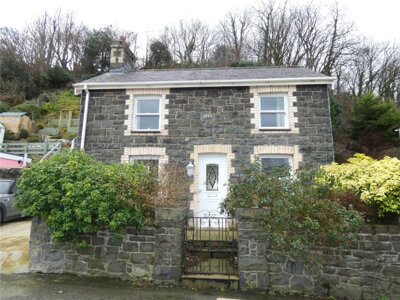
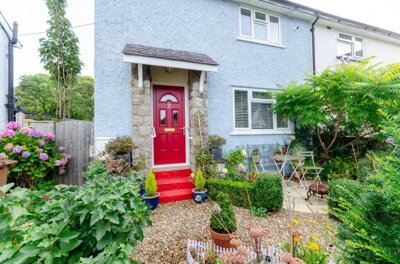
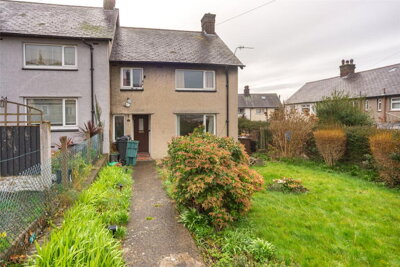
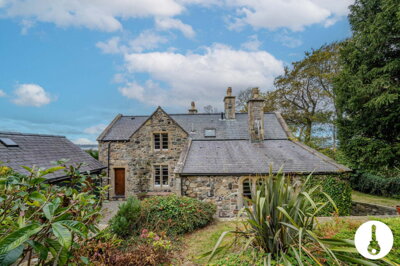
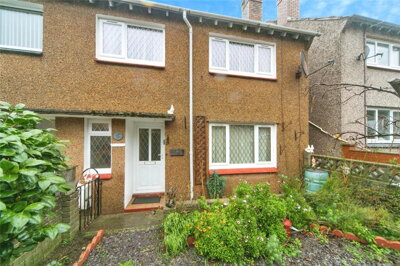
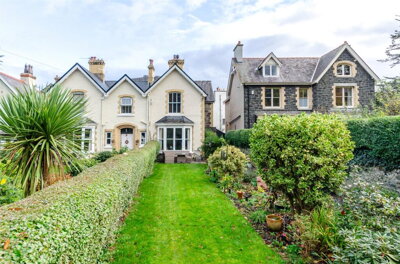
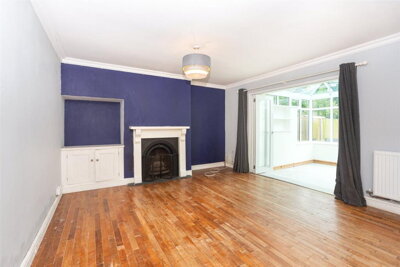
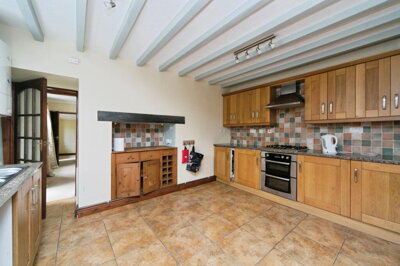
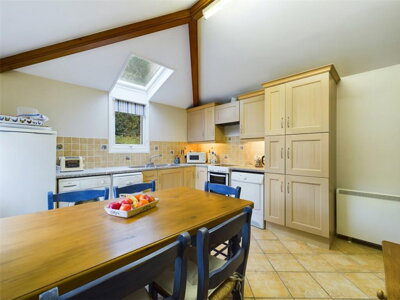
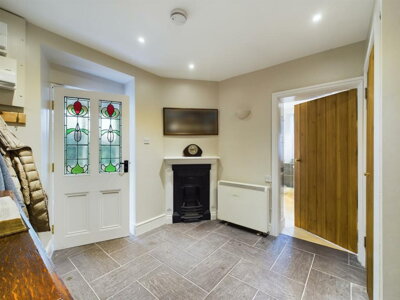
Browse 10 homes for sale in Aber, Gwynedd from local estate agents.
Three bedroom properties represent a significant portion of the Aber housing market, offering space for families with multiple reception rooms and gardens in many cases. Browse detached, semi-detached, and terraced options ranging from period character homes to contemporary developments.
£500k
3
0
68
Source: home.co.uk
Showing 3 results for 3 Bedroom Houses for sale in Aber, Gwynedd. The median asking price is £500,000.
Source: home.co.uk
Detached
2 listings
Avg £525,000
Semi-Detached
1 listings
Avg £265,000
Source: home.co.uk
Source: home.co.uk
The property market in Aber reflects the broader Gwynedd trends, which saw approximately 1,900 property sales in the twelve months to December 2025. While this represents a 17.3% decrease from the previous year, prices have remained relatively stable with an overall increase of 0.6% across all property types. Semi-detached and terraced properties have performed strongest, rising by 1.6% over the same period, making them attractive options for buyers seeking solid investment potential in this historic village setting.
Property types in the Aber area typically include traditional stone-built cottages, Georgian and Victorian terraces, and larger detached period homes with generous gardens. Looking at Gwynedd housing stock, terraced properties dominate at 40.2% of sales, followed by detached homes at 35.1%, with semi-detached properties comprising 19.9% and flats making up just 4.9% of transactions. The village's Conservation Area status means many properties date back generations, built from the local granite that defines Gwynedd's architectural character.
Detached properties in Gwynedd average around £300,000, while terraced homes typically command prices from £156,000 and semi-detached properties average £202,000. Flats and maisonettes in the wider area average £112,000, offering the most accessible entry point into the local market. We monitor these trends closely to help our clients understand value in this historic village, where limited supply and strong demand from buyers seeking character properties help support prices despite lower transaction volumes across the county.

Aber, known locally as Abergwyngregyn, is a village of approximately 200 residents that has witnessed human activity since medieval times. The community sits in a valley carved by the Afon Aber river, with the Carneddau mountains rising dramatically behind the village and the Menai Strait coastline just a short drive away. This positioning offers residents the rare combination of mountain and sea accessibility, making it ideal for outdoor enthusiasts, walkers, and those seeking a peaceful lifestyle in stunning natural surroundings.
The village retains its traditional Welsh character with the use of local granite in building construction, a practice visible in older dwellings, boundary walls, and agricultural structures throughout the area. Render has become a predominant finish since the early 20th century, often concealing the rough rubble stone beneath. Slate roofs are another hallmark of local construction, reflecting the geological resources available in this part of Gwynedd. Our inspectors frequently encounter these traditional building methods when surveying properties here, and understanding them is crucial to assessing condition accurately.
The village's heritage is protected through its Conservation Area designation, which preserves the historical, social, and architectural interest of the settlement. Pen-y-bryn, a Grade II* listed manor house with its associated gatehouse and barn, stands as testament to the area's rich history, with buildings in Gwynedd dating back several centuries. Gwynedd county contains approximately 2,500 listed buildings outside the Eryri National Park, highlighting the depth of heritage in this region. Living in Aber means being part of a community that values its past while embracing the present, with village life centred around mutual support and appreciation for the local environment.

Families considering a move to Aber will find educational provision available in the surrounding area, with primary schools located in nearby villages and the secondary school sector well-represented in the wider Gwynedd region. The village's small community means local primary education is typically accessed in neighbouring settlements, with school transport links operating to serve these requirements. Parents should research current catchment areas and admissions criteria when considering properties in the Aber area, as these can affect which school a child would be allocated.
For higher education, the presence of Bangor University in the nearby city provides excellent further and higher education opportunities without requiring a major relocation. The university is internationally recognised for several subject areas and offers a diverse range of undergraduate and postgraduate programmes. Students and families moving to Aber from other areas may wish to visit local education providers and discuss arrangements with Gwynedd Council's education department to ensure suitable schooling options are available.
The Gwynedd local education authority maintains information about school performance, admissions policies, and transport arrangements on their website and through direct enquiries. Many families are attracted to the Aber area specifically for the lifestyle benefits, accepting that primary schooling may involve a short journey to nearby villages. Secondary education options in Bangor and the surrounding towns provide comprehensive coverage through to A-levels, with several schools offering specialist subjects and extracurricular programmes that complement the outdoor lifestyle the area offers.
Transport connectivity from Aber benefits from its proximity to the A55 North Wales Expressway, which runs along the North Wales coast and provides direct access to Chester, Liverpool, and the wider motorway network beyond. The village sits approximately 8 miles from Bangor, where mainline railway services connect to London Euston in around three hours, Manchester in approximately two hours, and Birmingham in roughly three and a half hours. These connections make Aber viable for commuters who need access to larger employment centres while enjoying village life.
Local bus services operate throughout Gwynedd, connecting Aber with nearby towns and villages for everyday necessities and amenities. The nearest mainline station at Bangor offers comprehensive rail services, while ferry connections from Holyhead provide access to Dublin for international travel. For those travelling by car, parking availability varies throughout the village, and residents should consider this when viewing properties, particularly those in more central locations with limited off-street parking.
The A55 expressway has transformed connectivity to North Wales over recent decades, making destinations like Chester accessible within approximately 45 minutes to an hour depending on traffic conditions. Many residents find they can maintain city-based careers while enjoying the lifestyle benefits of village living, with the option to work from home some days reducing the frequency of longer journeys. Weekend travel to larger shopping centres, entertainment venues, and specialist services in cities like Liverpool and Manchester is entirely feasible for those willing to make the occasional longer journey.
Properties in Aber present several common defect patterns that our inspectors regularly identify during surveys. The prevalence of traditional construction methods, particularly solid wall buildings using local granite stone, means that dampness issues are among the most frequently observed problems. Penetrating damp through aging stonework or render, and rising damp at low levels, can affect even well-maintained properties, particularly where original features like lime mortar have been replaced with modern cement-based products that trap moisture within the wall structure.
Roof condition is another area of concern in this historic village. Many properties feature slate roofing that, while durable, can suffer from slipped or cracked tiles, deteriorating ridge mortar, and failing flashings around chimneys and valleys. Our team often finds that the age of the original roof covering needs careful assessment, as replacement slates sourced to match the original can be expensive and difficult to obtain. Chimney stacks require particular attention, as deterioration can lead to water ingress that damages internal timbers and plasterwork.
Timber defects including both wet and dry rot, along with woodworm infestation, appear regularly in properties where persistent dampness or poor ventilation has created suitable conditions. Original lead pipework and outdated electrical installations are also commonly encountered, as many homes have not undergone significant updating since their original construction. Our inspectors always check the condition of consumer units, earthing arrangements, and the presence of modern circuit protection when surveying properties in conservation areas where original features are particularly valued.
Subsidence, while not uniquely problematic in Aber, can affect older properties across Gwynedd where shallow foundations, local soil conditions, or nearby trees create movement risk. Our surveyors will assess any signs of cracking, differential settlement, or previous remedial works that might indicate structural movement has occurred. Flood risk, addressed in more detail below, compounds these issues when water saturates foundations and creates conditions conducive to timber deterioration.
Properties in Aber require careful consideration of several area-specific factors before purchase. Flood risk is a significant concern for this village, which has experienced significant flooding events in August and October 2020 when the Afon Aber burst its banks, inundating homes and making roads impassable. The village falls under general flood alerts for the North Gwynedd catchment area, and prospective buyers should commission appropriate surveys and investigate flood history for any property under consideration. A RICS Level 2 Survey is particularly valuable for properties in flood-risk areas, as it can identify previous water damage and assess the property's resilience to future flooding events.
The age and construction of properties in Aber also warrants thorough investigation. Many homes are constructed from solid walls rather than modern cavity wall construction, using traditional materials including local granite stone, render finishes, and slate roofing. These older properties may harbour defects such as penetrating damp, roof deterioration, timber rot, or outdated electrical and plumbing systems. Given the prevalence of period properties and Conservation Area restrictions, buyers should also verify whether any planning consents or listed building consents apply to the property, as these can affect permitted development rights and renovation options.
Conservation Area designation brings both benefits and obligations. While it protects the character of the village and helps maintain property values, it also means that certain alterations require consent from Gwynedd Council. This can affect plans for extensions, outbuildings, or even replacement windows and doors. Properties listed at Grade II or above, including Pen-y-bryn and its associated structures, have additional protections that significantly restrict what alterations are permitted. We always recommend that buyers understand these constraints before proceeding with a purchase.
Building materials and their condition should be a primary focus during viewings. Look for signs of mortar deterioration in stone walls, check that render is sound and not holding moisture against the structure beneath, and assess whether original features like sash windows, flagstone floors, and exposed beams have been maintained or inappropriately modified. Properties that have been updated sympathetically often represent better value than those where original features have been lost, as the latter may have required listed building consent for replacement.
Understanding the full cost of purchasing property in Aber extends beyond the sale price to include stamp duty land tax and various associated fees. For properties purchased at the Gwynedd average price of around £196,000, standard buyers pay zero stamp duty on the first £250,000. First-time buyers purchasing properties up to £425,000 pay no stamp duty on the first £425,000, meaning most first-time buyers in this price range would pay nothing at all. These thresholds apply to residential purchases completing from April 2025 onwards.
Additional purchase costs include mortgage arrangement fees typically ranging from £500 to £2,000 depending on the lender and product chosen. Survey costs for a RICS Level 2 Survey in North Wales range from £400 to £600 depending on property size and value, with larger or more complex period properties potentially commanding higher fees. Conveyancing costs generally start from around £499 for straightforward transactions, rising for leasehold properties, properties with complex titles, or those requiring additional legal work such as Conservation Area or listed building considerations.
Search costs typically include local authority searches, drainage and water searches, environmental searches, and potentially coal mining or other geological reports depending on the specific location. Land Registry fees for registering the transfer add a further modest amount. Removal costs vary significantly based on distance and volume, but should be factored into overall budgets. Buyers should budget for searches, land registry fees, and removal costs to arrive at a complete picture of total acquisition costs when purchasing in Aber.
For properties in flood-risk areas like Aber, we recommend considering the additional cost of flood resilience measures and appropriate insurance. Some buyers choose to commission a more detailed survey following the initial RICS Level 2 assessment if significant concerns are identified. While this adds to upfront costs, it can save considerable expense by identifying problems before completion rather than discovering them after moving in.
Spend time exploring Aber, attending viewings and speaking with residents to understand village life, flood risk considerations, and the condition of local properties before committing to a purchase. This due diligence is particularly important given the specific challenges of this historic village, including flood risk from the Afon Aber and the implications of Conservation Area status on property alterations.
Contact lenders or mortgage brokers to obtain an agreement in principle before property viewings. This strengthens your position when making offers and demonstrates your financial capability to sellers. Given the traditional construction methods and age of properties in Aber, some lenders may require a specialist valuation, so discussing this with your broker early is advisable.
Visit multiple properties in Aber to compare condition, construction type, and flood risk exposure. Take a second viewing with specific focus on roof condition, damp evidence, and building materials. We recommend viewing properties at different times of day and in various weather conditions where possible, as this can reveal issues that a single visit might miss.
For older properties in this Conservation Area, a comprehensive survey is essential. Costs for North Wales typically range from £400 to £600 depending on property size and value. Our inspectors understand the common defects found in traditional Welsh construction and can provide detailed advice on condition, maintenance requirements, and any urgent repairs needed before or after purchase.
Choose a conveyancing solicitor with experience in Welsh property transactions to handle legal work, searches, and contract negotiation on your behalf. Given that Aber falls within the Welsh legal jurisdiction, local experience is valuable for understanding any specific requirements or implications of the property transaction process in Wales.
Once surveys are satisfactory and legal work is complete, proceed to exchange contracts and set a completion date that allows time for moving logistics. Our team can recommend removal firms with experience of the local area, and we advise booking early given the village's relatively remote location can affect availability and costs.
Specific sales data for Aber village itself is limited, but Gwynedd county data shows an overall average house price of £196,000 as of December 2025. Detached properties average around £300,000, semi-detached homes £202,000, and terraced properties approximately £156,000. Property prices have shown modest growth of 0.6% over the past twelve months, with semi-detached and terraced properties performing strongest at 1.6% growth. Flats and maisonettes average £112,000, offering the most accessible entry point for first-time buyers.
Aber itself is a small village, so primary education is typically accessed in nearby settlements through local school transport arrangements. The wider Gwynedd area offers several primary and secondary schools, with families advised to research current catchment areas and admission policies through Gwynedd Council's education department. Bangor, approximately 8 miles away, provides comprehensive schooling options including secondary education and sixth form provision. Bangor University also offers higher education opportunities within easy reach for older students and adults seeking further qualifications.
Aber benefits from proximity to the A55 North Wales Expressway for road travel, connecting to Chester, Liverpool, and Manchester within approximately one to two hours. Rail services are available from Bangor, with direct trains to London Euston taking approximately three hours. Local bus services operate throughout Gwynedd connecting Aber with surrounding villages and towns for everyday necessities. The nearest mainline station at Bangor offers comprehensive national rail connections, while ferry services from Holyhead provide access to Dublin for international travel.
The Gwynedd property market has shown stability with modest price growth of 0.6% despite a 17.3% reduction in transaction volumes over the past year. Aber's Conservation Area status, historic character, and limited new build supply suggest properties in the village may hold their value well. However, flood risk is a significant consideration that investors must factor into their assessment, as properties in flood-risk areas may face higher insurance costs or potential difficulty obtaining cover. Properties that can demonstrate resilience to flooding and proper maintenance history may prove particularly resilient investments.
Council tax bands in Aber are set by Gwynedd Council based on property value assessments carried out by the Valuation Office Agency. Specific band data for Aber properties was not available in our research, but buyers should request this information during the conveyancing process through local authority searches. Band information is publicly available on the Welsh Government website using the property address, making it easy to check before making an offer. Council tax bands can significantly affect ongoing costs, so this should be factored into budget calculations alongside mortgage payments and maintenance costs.
From April 2025, stamp duty rates are 0% on purchases up to £250,000, 5% between £250,001 and £925,000, 10% between £925,001 and £1.5 million, and 12% above £1.5 million. First-time buyers benefit from relief on purchases up to £425,000 at 0%, with 5% applied between £425,001 and £625,000. Given the average Gwynedd property price of £196,000, many purchases may fall below the standard threshold or qualify for first-time buyer relief, potentially saving thousands of pounds compared to purchases in higher-value areas of the UK.
Aber has a documented history of significant flooding, particularly from the Afon Aber river bursting its banks during periods of heavy rainfall. Homes were flooded and roads became impassable in August and October 2020, leading to community calls for river dredging improvements. The area falls under general flood alerts for the North Gwynedd catchment, and prospective buyers should review the Environment Agency flood risk maps and discuss specific property history with current owners or neighbours. A RICS Level 2 Survey can identify signs of previous water damage and assess the property's current flood resilience.
We strongly recommend commissioning a RICS Level 2 Survey for any property in Aber, particularly given the prevalence of older traditional construction and the village's flood risk exposure. The typical cost for a survey in North Wales ranges from £400 to £600 depending on property size and value, representing a modest investment against the potential cost of discovering serious defects after purchase. Our inspectors are experienced in assessing traditional Welsh construction methods, including solid wall granite buildings, slate roofing, and the various defects commonly found in period properties in this part of Gwynedd.
From £400
Our inspectors assess all aspects of property condition, identifying defects common in traditional Aber properties including damp, roof issues, and timber problems.
From £499
Expert solicitors handle the legal aspects of your Aber purchase, including local searches and any Conservation Area considerations.
From 4.5%
Specialist mortgage brokers can advise on financing options for traditional properties in Gwynedd.
From £85
Energy Performance Certificate required for all property sales, available through our approved assessors.
Properties for Sale In London

Properties for Sale In Plymouth

Properties for Sale In Liverpool

Properties for Sale In Glasgow

Properties for Sale In Sheffield

Properties for Sale In Edinburgh

Properties for Sale In Coventry

Properties for Sale In Bradford

Properties for Sale In Manchester

Properties for Sale In Birmingham

Properties for Sale In Bristol

Properties for Sale In Oxford

Properties for Sale In Leicester

Properties for Sale In Newcastle

Properties for Sale In Leeds

Properties for Sale In Southampton

Properties for Sale In Cardiff

Properties for Sale In Nottingham

Properties for Sale In Norwich

Properties for Sale In Brighton

Properties for Sale In Derby

Properties for Sale In Portsmouth

Properties for Sale In Northampton

Properties for Sale In Milton Keynes

Properties for Sale In Bournemouth

Properties for Sale In Bolton

Properties for Sale In Swansea

Properties for Sale In Swindon

Properties for Sale In Peterborough

Properties for Sale In Wolverhampton

Enter your details to see if this property is within your budget.
Loans, cards, car finance
Estimated property budget
Borrowing + deposit
You could borrow between
Typical borrowing
Monthly repayment
Est. at 4.5%
Loan-to-value
This is an estimate only. Your actual budget may vary depending on interest rates, credit history, and personal circumstances. For an accurate affordability assessment, speak to one of our free mortgage advisors.
This calculator provides estimates for illustrative purposes only and does not constitute financial advice. Your home may be repossessed if you do not keep up repayments on your mortgage. Estimates based on 4.5% interest rate, repayment mortgage. Actual rates depend on your circumstances.
Homemove is a trading name of HM Haus Group Ltd (Company No. 13873779, registered in England & Wales). Homemove Mortgages Ltd (Company No. 15947693) is an Appointed Representative of TMG Direct Limited, trading as TMG Mortgage Network, which is authorised and regulated by the Financial Conduct Authority (FRN 786245). Homemove Mortgages Ltd is entered on the FCA Register as an Appointed Representative (FRN 1022429). You can check registrations at NewRegister or by calling 0800 111 6768.

We use cookies to show you personalised content and improve your experience of our website. Find out more in our Privacy policy and Cookie policy.