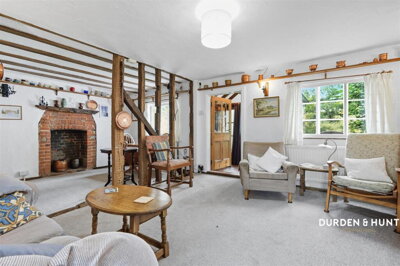
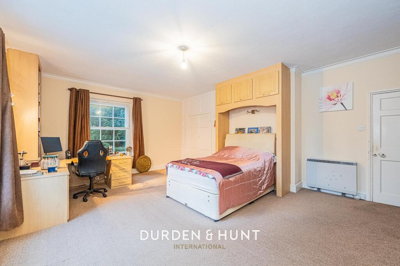
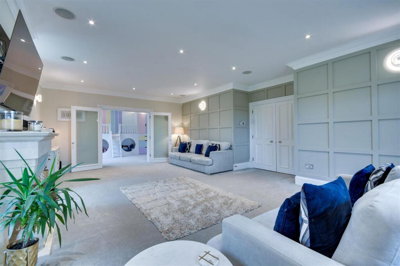
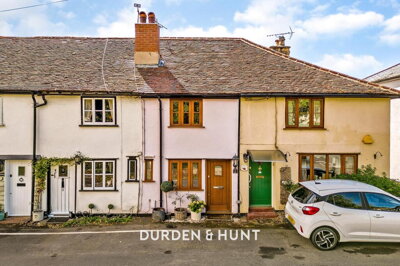
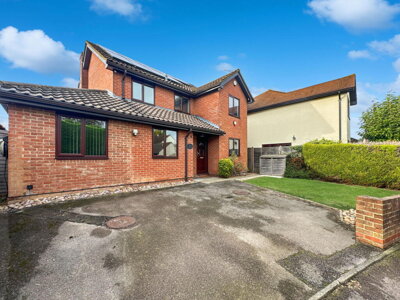
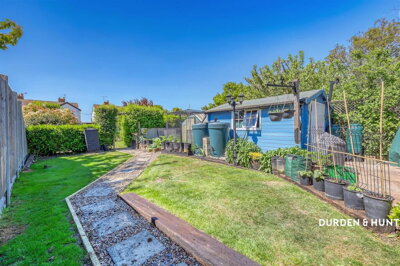
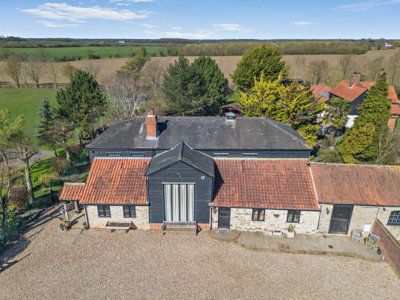
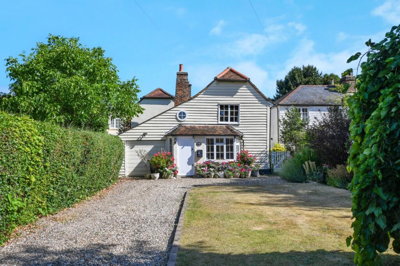
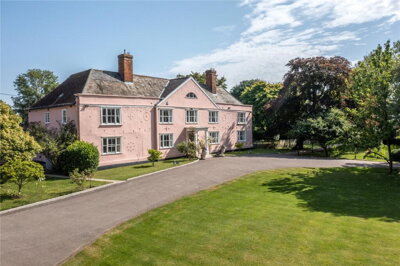
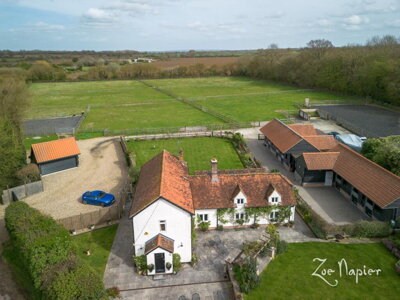
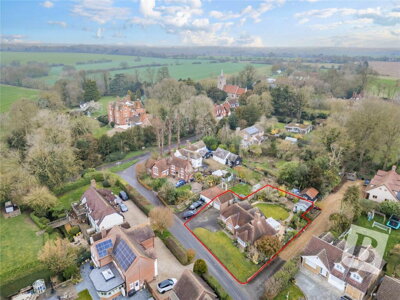
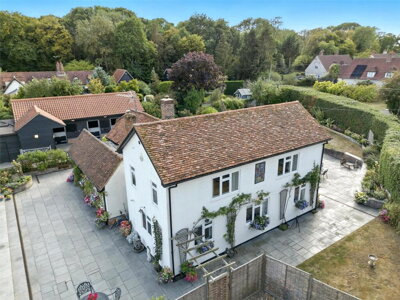
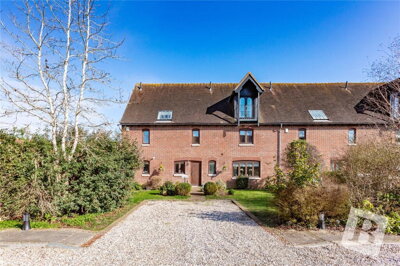
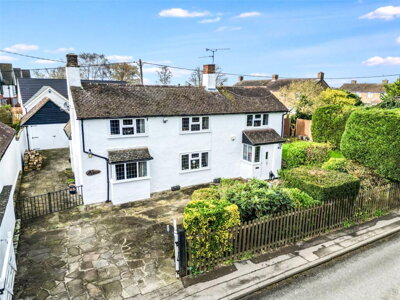
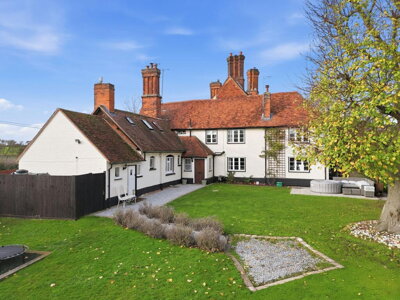
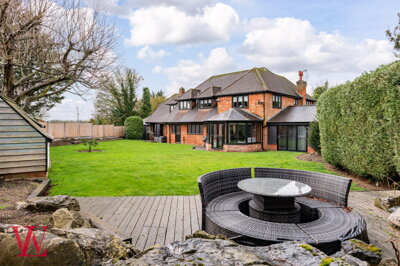
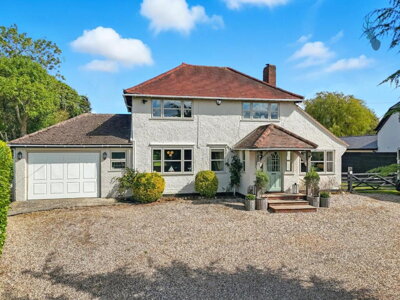
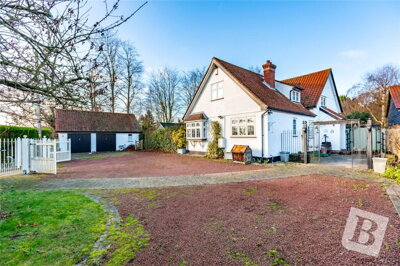
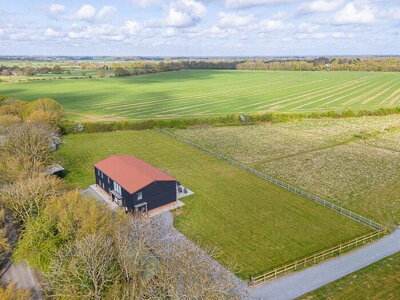
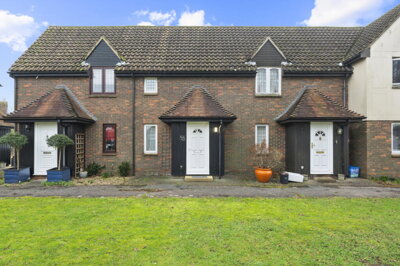
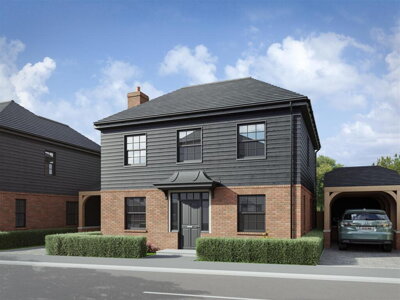
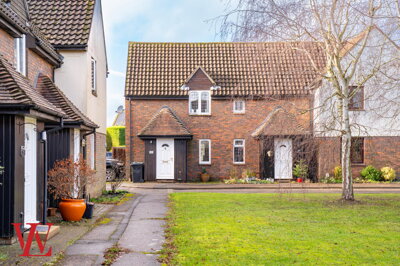
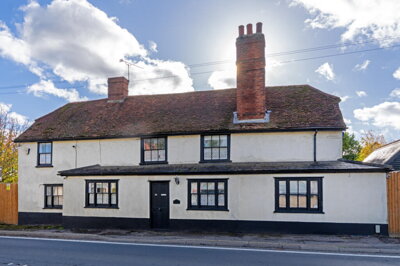
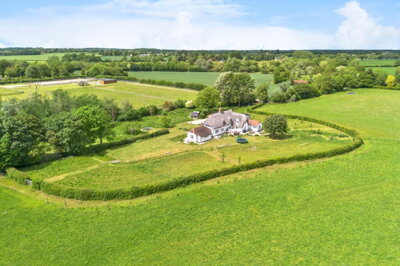
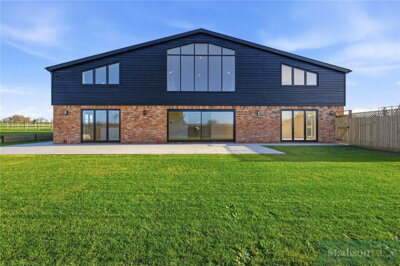
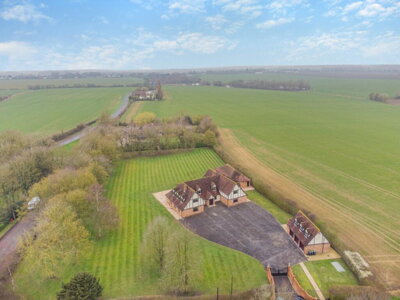
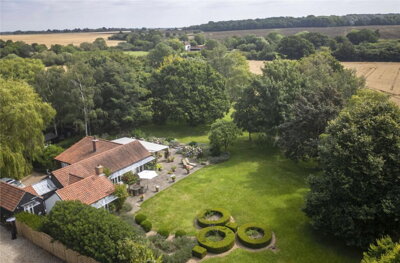
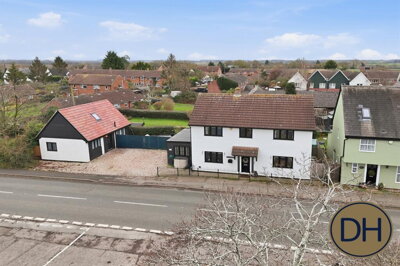
Browse 60 homes for sale in Abbess, Beauchamp and Berners Roding from local estate agents.
The North Newington property market has experienced notable price adjustments over the past twelve months, with average values declining 68% compared to the previous year and sitting 69% below the 2020 peak of £903,750. This correction brings the current average price to approximately £284,000, creating potential opportunities for buyers who missed the previous highs. The market recorded 76 transactions in the past year, indicating sustained activity despite broader economic uncertainties affecting the Oxfordshire region. For buyers seeking traditional village properties at more accessible price points, these market conditions merit serious consideration.
Property types in North Newington reflect its historic character, with a housing stock dominated by period properties constructed using traditional methods. While specific breakdown data for this parish is limited, the broader Newington area shows terraced properties averaging £285,808, semi-detached homes around £327,143, and detached properties reaching approximately £577,708. The village's older properties particularly warrant attention during the buying process given their traditional construction incorporating brick, timber framing, and the characteristic local Hornton Stone. First-time buyers and investors alike should factor in potential maintenance requirements when evaluating these characterful homes.
The Oxfordshire market context matters for understanding North Newington's position. The county sits within the Oxford-Cambridge growth corridor, a government-designated economic zone expected to receive continued investment in infrastructure and services. This long-term economic positioning, combined with the village's current affordable pricing relative to surrounding areas, suggests that North Newington may appeal to buyers taking a medium to long-term view of their purchase. The absence of new-build developments within the village itself means that buyer demand concentrates entirely on the existing period stock, creating a market distinct from nearby Banbury where new developments provide alternative options.

North Newington encapsulates the appeal of rural Oxfordshire village life, offering residents a peaceful setting while remaining connected to larger settlements. The village's Conservation Area designation ensures the preservation of its historic character, with buildings dating from the 14th century through to the Victorian era contributing to an architectural heritage that new residents become custodians of. The distinctive Marlstone, also known as Hornton Stone or Banbury Ironstone, gives the village its characteristic golden-orange hue that changes with the light throughout the seasons. This iron-rich limestone, quarried locally from the Middle Lias geological formation, has shaped the village's identity for centuries.
The community spirit in North Newington thrives despite its modest size, with local establishments such as The Blinking Owl public house (formerly The Baker's Arms, a 17th-century building) serving as gathering points for residents. The parish encompasses Sor Brook along its eastern boundary, a tributary of the River Cherwell that adds ecological and landscape value to the surrounding countryside. Outdoor enthusiasts appreciate the walking routes through the village and connecting footpaths across the Cherwell district, while the proximity to Banbury provides access to wider amenities, shopping, and services. The Oxfordshire location places residents within reach of the county's renowned countryside, market towns, and cultural attractions while maintaining the intimacy of village living.
Daily life in North Newington involves the typical trade-offs of village living. Local services include a village hall that hosts community events, while the surrounding countryside provides extensive walking and cycling opportunities along public footpaths and bridleways. For groceries and everyday necessities, residents typically travel to nearby Bloxham or Banbury, both within easy driving distance. The village's position along the A422 provides straightforward road access to these facilities, though car ownership is effectively essential for most residents given the limited public transport options serving the village.

Families considering North Newington will find educational provision available through a network of schools serving the Cherwell district. The village itself historically hosted a school building dating to the 19th century, reflecting the community's long-standing commitment to local education. Primary education needs are typically served by schools in surrounding villages and the nearby town of Banbury, where several primary schools cater to Reception through Year 6 pupils. Parents should research specific catchment areas and admission arrangements, as village school allocations can vary depending on capacity and applicant numbers each year.
Secondary education in the area centres on schools in Banbury, which offers comprehensive options including academy provisions and grammar school selection for academically eligible pupils. The wider Oxfordshire county provides access to several well-regarded secondary schools, sixth form colleges, and further education establishments in Oxford and surrounding towns. For families prioritising educational outcomes, researching individual school Ofsted ratings and performance data before committing to a property purchase proves essential. The commute to secondary schools should factor into decisions about specific property locations within the village and transportation arrangements.
Independent schooling options across Oxfordshire include various establishments catering to different age ranges and educational approaches. The county's concentration of academic institutions reflects its position as a centre for education excellence, with schools in Oxford and surrounding towns offering alternatives to the state system. Families should note that school transport arrangements from North Newington to schools in Banbury or further afield may require careful planning, particularly for younger children and during adverse weather conditions.
North Newington benefits from its position within Oxfordshire that balances rural tranquility with practical connectivity. The village lies within reasonable distance of Banbury, which serves as the primary transport hub for the northern Cherwell district. Banbury railway station offers regular services on the Chiltern Main Line, providing direct connections to London Marylebone in approximately one hour, making the village viable for commuters who work in the capital but prefer country living. The town's bus services connect North Newington to surrounding villages and the broader Cherwell area for local journeys.
Road access from North Newington connects to the A422 and subsequently to the M40 motorway, providing straightforward routes to Oxford (approximately 30 miles), Birmingham, and the national motorway network. The Oxford-Cambridge growth corridor passes through Oxfordshire, with infrastructure improvements and economic investment enhancing the region's connectivity profile. Cyclists and walkers appreciate the network of rural lanes and footpaths, though those relying entirely on public transport should verify specific bus routes and timetables, as village services can be limited compared to urban areas. Parking provision varies by property, an important consideration given the age of the housing stock and potential lack of dedicated parking at period properties.
For commuters working in Oxford, the A422 and A44 routes provide road access though journey times of 45-60 minutes are typical depending on traffic conditions. The Oxford northern bypass connects to the A40 and A34, facilitating travel to other Oxfordshire destinations. Those employed in Bicester, approximately 20 miles east, will find the M40 provides efficient access. Understanding your typical commute pattern before purchasing in North Newington helps ensure the village's rural character remains an asset rather than a daily burden.
Take time to understand North Newington's property market dynamics, including recent price trends showing a 68% decline from the previous year and the current average of £284,000. Consider visiting the village at different times to assess noise levels, traffic patterns, and community atmosphere before committing to a purchase.
Before scheduling viewings, obtain a mortgage agreement in principle from a lender. This strengthens your position when making offers and demonstrates your financial credibility to sellers. North Newington's village properties may attract competitive interest, making financial preparedness essential.
View multiple properties to compare the varied housing stock, from historic listed buildings to traditional village cottages. Pay attention to construction materials (noting the prevalence of traditional stone and timber framing), potential maintenance requirements, and the condition of older properties.
Given North Newington's geology including clay formations that pose shrink-swell subsidence risk, a thorough homebuyers report proves particularly valuable. This survey identifies structural concerns, potential damp issues, and other defects that may not be visible during viewings.
Choose a solicitor experienced with Oxfordshire property transactions, particularly those familiar with Conservation Area requirements and listed building considerations that may affect your purchase in North Newington.
Once surveys are satisfactory and legal searches are complete, your solicitor will arrange the contract exchange and final completion. Allow adequate time for the process given that village transactions may involve additional considerations around drainage, rights of way, or shared facilities.
Properties in North Newington require careful evaluation given the village's historic character and traditional construction methods. The prevalence of Hornton Stone and traditional lime-based mortars means that older properties demand understanding of their maintenance needs, as inappropriate modern repairs can accelerate deterioration. Prospective buyers should investigate whether properties are listed, as Grade II listing brings additional responsibilities and may affect permitted development rights. The Conservation Area status also imposes constraints on external alterations and improvements, factors that significantly impact properties in this village.
Geological considerations warrant particular attention in North Newington, as the Oxfordshire clay formations create shrink-swell subsidence risk that affects foundations and structures over time. The British Geological Survey has identified a broad area from Oxford up to The Wash as being at increased risk of clay-related subsidence, with projections suggesting a 33% increase in households where subsidence is considered probable in Oxford itself. Properties with mature trees nearby may face additional heave risk as roots extract moisture from clay soils during dry periods. Our inspectors pay particular attention to crack patterns, door and window operation, and floor levels when assessing properties in villages built on clay geology.
The proximity of Sor Brook to the eastern boundary suggests potential flood risk that buyers should verify through appropriate searches and surveys. Properties with larger gardens or those bordering the brook require specific investigation of drainage and flood history. The age of the housing stock means that electrical wiring, plumbing, and insulation may require updating to modern standards, costs that should feature in your budget calculations alongside the purchase price. A thorough survey from our team identifies these issues before you commit, allowing you to negotiate repairs or price adjustments as appropriate.
When viewing properties in North Newington, pay attention to the condition of stone walls, looking for signs of weathering, cracking, or previous repair work using inappropriate materials. Check that traditional timber windows have been properly maintained, as replacing original windows with modern double-glazed units may require Conservation Area consent. Roof conditions on period properties merit close inspection, as re-roofing with modern tiles on historic buildings can alter their character and potentially breach planning conditions. Our surveyors understand these local considerations and will provide detailed advice specific to North Newington's housing stock.
The architectural heritage of North Newington reflects centuries of continuous occupation and construction using locally sourced materials. Hornton Stone, also called Marlstone or Banbury Ironstone, dominates the village's built environment, creating the distinctive golden-orange appearance that identifies properties throughout the Conservation Area. This iron-rich limestone from the Middle Lias geological formation has been quarried in North Oxfordshire for centuries, with the stone's natural variations creating visual interest in older walls and dressed details.
Park Farmhouse stands as one of the village's oldest surviving structures, with architectural features dating to the 14th or 15th century that demonstrate medieval building techniques. The 17th-century circular dovecote near Park Farmhouse represents another significant heritage asset, illustrating the agricultural character of the village during the post-medieval period. The building now known as The Blinking Owl public house originated as The Baker's Arms in the 17th century, its timber-framed construction and stone additions exemplifying the transitional building practices of that era.
For prospective buyers, understanding the maintenance requirements of historic properties proves essential for budgeting and planning. Traditional lime mortars used in older buildings allow walls to breathe, moving moisture through the structure without trapping damp. Modern cement-based mortars and renders can trap moisture within Hornton Stone walls, causing deterioration that may not become apparent for several years. Our surveyors routinely identify inappropriate modern repairs on village properties, flagging these issues for prospective buyers who can then factor remediation costs into their purchase decisions.
The average house price in North Newington currently stands at approximately £284,000 based on recent sales data. This represents a significant adjustment from the 2020 peak of £903,750, with prices declining 68% over the past twelve months. The market recorded 76 property transactions during this period, indicating continued activity despite the price correction. Buyers seeking entry to Oxfordshire village life at more accessible price points may find current conditions favourable for negotiation.
Properties in North Newington fall under Cherwell District Council for local taxation. Council tax bands in the village range across all bands depending on property value and type, with period cottages and village houses typically falling within bands B through E. Prospective buyers should check specific bandings with Cherwell District Council or the Valuation Office Agency, as band reassessments can occur following sales or improvements.
North Newington village hosts a historic school building though families typically access primary education through schools in surrounding villages and Banbury. The nearest primary schools serve Key Stage 1 and 2 pupils, with catchment areas determined by Cherwell District Council admission policies. Secondary education options include schools in Banbury, with several establishments achieving strong Ofsted ratings. Parents should research individual school performance data and admission criteria relevant to their specific circumstances.
Public transport options from North Newington include bus services connecting to Banbury, which serves as the primary transport hub for the area. Banbury railway station offers direct trains to London Marylebone (approximately one hour) and Birmingham Moor Street. Those relying heavily on public transport should verify specific bus routes, frequencies, and timetables, as village services tend to be less frequent than urban provisions. Many residents consider car ownership essential for daily commuting and accessing services.
North Newington offers investment potential through its position within the Oxford-Cambridge growth corridor, a government priority economic zone expected to see continued investment and development. The village's Conservation Area status and limited new build supply suggest enduring appeal for character properties. The recent price correction to more accessible levels may present buying opportunities for investors seeking rental income or capital growth over longer holding periods. However, investors should factor in maintenance costs for older properties and potential voids during tenant transitions.
Stamp duty land tax (SDLT) rates for 2024-25 apply as follows: 0% on the first £250,000, 5% on £250,001 to £925,000, 10% on £925,001 to £1.5 million, and 12% above £1.5 million. First-time buyers qualify for relief on the first £425,000 at 0%, with 5% applying between £425,001 and £625,000. Given North Newington's average price of £284,000, most standard purchases would attract no stamp duty, while first-time buyers would pay nothing on qualifying properties up to £425,000.
Period properties in North Newington carry specific risks that buyers should understand before committing. The clay geology underlying the village creates shrink-swell subsidence risk, particularly for properties with shallow foundations or those with mature trees nearby. Stone walls built with traditional lime mortar may show cracking if previously repaired with inappropriate cement-based materials. Conservation Area and listed building status can restrict renovation options and increase costs for permitted works. Our surveyors assess these factors during inspections and provide detailed reports enabling informed purchasing decisions.
Sor Brook forms the eastern boundary of North Newington parish, representing a potential flood risk for properties located near the watercourse or within its flood plain. Buyers considering properties along the brook's route should conduct specific flood risk searches and verify any flood history affecting the property. The village's position on higher ground away from the brook reduces risk for most properties, though surface water flooding can occur during periods of intense rainfall across Oxfordshire. Appropriate surveys and searches provide specific information for individual properties.
Expert mortgage advice for North Newington buyers
From 4.5%
Property solicitors familiar with Oxfordshire transactions
From £499
Thorough survey ideal for North Newington period properties
From £350
Energy performance certificate for your new home
From £80
Understanding the full costs of purchasing property in North Newington helps buyers budget accurately and avoid surprises during the transaction. The current SDLT thresholds for 2024-25 set the nil rate band at £250,000 for standard purchases, meaning that many properties in North Newington with an average price of £284,000 would incur stamp duty charges only on the amount exceeding this threshold. For a property at the average price, this would result in SDLT of approximately £1,700 at the standard 5% rate on the £34,000 excess. First-time buyers benefit from enhanced relief covering the first £425,000 at nil rate, potentially eliminating stamp duty entirely on qualifying purchases.
Beyond stamp duty, buyers should budget for solicitor conveyancing costs (typically £500-£1,500 depending on complexity), mortgage arrangement fees (if applicable), survey costs (£300-£600 for a Level 2 homebuyers report), and removal expenses. Given North Newington's historic property stock, an RICS Level 2 survey proves particularly valuable for identifying defects in traditional stone buildings, potential subsidence issues related to local clay geology, and maintenance requirements specific to period properties. Search fees, land registry fees, and teleport charges typically add a further £300-£500 to legal costs. Completing these calculations before making an offer ensures you have the full picture of what your North Newington purchase will cost.
Additional considerations for North Newington purchases may include specialist surveys for listed buildings or properties with known structural concerns. Properties with boundary features touching Sor Brook may require specific environmental searches. Our recommended surveyors understand the specific challenges posed by Hornton Stone construction and Oxfordshire clay geology, providing thorough assessments that protect your investment in this historic village.
Properties for Sale In London

Properties for Sale In Plymouth

Properties for Sale In Liverpool

Properties for Sale In Glasgow

Properties for Sale In Sheffield

Properties for Sale In Edinburgh

Properties for Sale In Coventry

Properties for Sale In Bradford

Properties for Sale In Manchester

Properties for Sale In Birmingham

Properties for Sale In Bristol

Properties for Sale In Oxford

Properties for Sale In Leicester

Properties for Sale In Newcastle

Properties for Sale In Leeds

Properties for Sale In Southampton

Properties for Sale In Cardiff

Properties for Sale In Nottingham

Properties for Sale In Norwich

Properties for Sale In Brighton

Properties for Sale In Derby

Properties for Sale In Portsmouth

Properties for Sale In Northampton

Properties for Sale In Milton Keynes

Properties for Sale In Bournemouth

Properties for Sale In Bolton

Properties for Sale In Swansea

Properties for Sale In Swindon

Properties for Sale In Peterborough

Properties for Sale In Wolverhampton

Enter your details to see if this property is within your budget.
Loans, cards, car finance
Estimated property budget
Borrowing + deposit
You could borrow between
Typical borrowing
Monthly repayment
Est. at 4.5%
Loan-to-value
This is an estimate only. Your actual budget may vary depending on interest rates, credit history, and personal circumstances. For an accurate affordability assessment, speak to one of our free mortgage advisors.
This calculator provides estimates for illustrative purposes only and does not constitute financial advice. Your home may be repossessed if you do not keep up repayments on your mortgage. Estimates based on 4.5% interest rate, repayment mortgage. Actual rates depend on your circumstances.
Homemove is a trading name of HM Haus Group Ltd (Company No. 13873779, registered in England & Wales). Homemove Mortgages Ltd (Company No. 15947693) is an Appointed Representative of TMG Direct Limited, trading as TMG Mortgage Network, which is authorised and regulated by the Financial Conduct Authority (FRN 786245). Homemove Mortgages Ltd is entered on the FCA Register as an Appointed Representative (FRN 1022429). You can check registrations at NewRegister or by calling 0800 111 6768.

We use cookies to show you personalised content and improve your experience of our website. Find out more in our Privacy policy and Cookie policy.