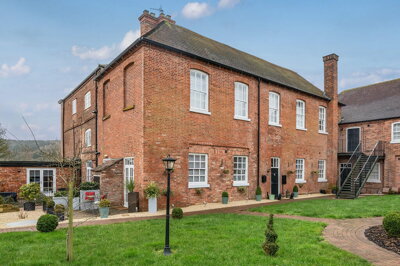
Browse 1 home for sale in Abberley, Malvern Hills from local estate agents.
Studio apartments feature open-plan living spaces without separate bedrooms, incorporating sleeping, living, kitchen, and bathroom facilities. The Abberley studio market includes properties in modern apartment complexes, converted Victorian and Georgian buildings, and purpose-built developments.
£0k
0
0
0
Source: home.co.uk
Showing 0 results for Studio Flats for sale in Abberley, Malvern Hills.
The Slapton property market reflects the character of this unique coastal village, where traditional cottages and historic homes dominate the housing stock alongside more modern developments scattered throughout the parish. Our current listings show detached properties commanding premium prices of around £1,000,000, while semi-detached homes typically change hands for between £302,500 and £306,250. Terraced properties in Slapton average around £325,000, offering an accessible entry point to this highly desirable location. Flats remain relatively rare in the village, with limited availability around the £172,500 mark based on recent transactions.
The village housing profile reveals that 55.2% of households own their homes outright, significantly higher than national averages, suggesting a settled and established community. A further 20.8% own with a mortgage or shared ownership, while the rental market accounts for approximately 14% of residents. The bedroom distribution shows that 41.4% of homes have three bedrooms, with a notable 32.9% featuring four or more bedrooms, reflecting the family-oriented nature of this coastal community. Property values have shown resilience despite market fluctuations, with average prices of £515,000 recorded in 2023, representing a 1.5% increase from £507,500 in 2022.
Housing stock in Slapton skews heavily towards older properties, with most homes built before 2000 and many dating back several centuries given the village's medieval origins. The Conservation Area status, first designated in 1973 and extended in 1992, has limited new-build development within the immediate postcode area, preserving the village's historic character but reducing options for buyers seeking modern properties. The absence of significant new-build activity means buyers should expect to budget for potential maintenance or renovation work when purchasing period properties. Rightmove shows properties sold in Slapton postcodes TQ7 2QN, TQ7 2QE, and TQ7 2RE, though PropertyResearch.uk records just 8 sales in 2025 with a median price of £375,000, indicating a tight market with limited turnover.

20+
Properties Available
£422,000
Average Price
£375,000
Median Price
664
Population
Slapton is a village where time seems to move at a gentler pace, set against the backdrop of rolling Devon countryside and the ever-present shimmer of Slapton Ley. The parish, recorded in the Domesday Book of 1086, has evolved over centuries while retaining its essential character as a working agricultural and fishing community. Today, approximately 600 people live within the parish boundaries, enjoying a strong sense of community that manifests through village events, local pub gatherings, and the shared stewardship of the surrounding natural landscape. The demographics show a balanced mix of families, retirees, and professionals who have chosen this location for its quality of life rather than proximity to urban centres.
The local economy reflects the rural and coastal nature of the parish, with 52% of the working population economically active and in employment. Notably, 47.7% of residents work mainly from home, a figure that speaks to the connectivity of modern rural living and the appeal of Slapton as a base for remote workers seeking respite from city life. The Field Studies Council's Slapton Ley field centre provides educational opportunities and nature activities, contributing to both local employment and the area's ecological awareness. Tourism and agriculture remain significant contributors to the local economy, with visitors drawn to the area's natural beauty, historic architecture, and the legendary Slapton Line itself.
The parish population has grown from 434 residents in 2011 and 473 in 2001 to 611 in the 2021 Census, with 266 households recorded at that point. This growth reflects the increasing appeal of rural coastal living in South Devon, with buyers drawn by the combination of natural beauty, community spirit, and improved remote working possibilities. The village remains a place where neighbours know each other and where the pace of life allows for morning swims in the freshwater ley, afternoon walks along the coastal path, and evenings in the village's historic pub watching the sun set over the water.
Families considering a move to Slapton will find educational options within the surrounding South Hams area, though the village itself does not host its own primary or secondary school. Several highly regarded primary schools serve the local community, with families typically travelling short distances to schools in nearby villages such as Stokenham, which hosts a well-regarded primary school with a strong reputation for academic achievement and pastoral care. For secondary education, families generally look towards the market town of Kingsbridge, approximately 8 miles away, where secondary schools provide comprehensive curriculum coverage and excellent extracurricular programmes that prepare students for further education and future careers.
The wider South Hams area offers a network of educational institutions catering to various age groups and learning requirements. For those seeking grammar school places, the selective admissions process means families should research catchment areas and registration deadlines well in advance of any planned move. Several independent schools in the region provide alternative educational pathways, while further education colleges in Plymouth and Exeter offer A-level and vocational courses for post-16 students. The proximity of Slapton to quality educational institutions, combined with the natural classroom provided by Slapton Ley and the surrounding countryside, makes the area particularly appealing to families who value experiential learning and outdoor education.
Transport connectivity from Slapton reflects its rural coastal location, requiring careful consideration for those who need to commute regularly or access urban amenities. The village sits along the A379 road, which runs through the parish connecting the coastal communities of Torcross and Dartmouth. The nearest railway stations are located in Totnes, approximately 15 miles away, offering connections to Exeter, Plymouth, and the national rail network via the famous Riviera Line. Totnes station provides regular services to major destinations including London Paddington, with journey times of around three hours to the capital. Plymouth station offers additional connectivity for those working in the city or seeking international travel via Plymouth ferry port.
For daily commuting, the reality of living in Slapton means embracing the rural road network, which can be winding and susceptible to seasonal traffic from tourism. Bus services operate along the coastal route, connecting Slapton with surrounding villages and the market towns of Kingsbridge and Dartmouth, though frequencies may be limited outside peak tourist season. Many residents choose to cycle, with the flat terrain around Slapton Ley and the coastal path offering excellent opportunities for recreational and utility cycling. The nearest major airport is Exeter, approximately 35 miles away, providing domestic and European flights. For coastal erosion awareness, residents note that the A379 along Slapton Sands has required rebuilding following storm damage in the early 2000s, making awareness of alternative routes important for those living in the parish.
Start your property search by exploring our current listings for Slapton and surrounding villages. Understanding the local market conditions, including the prevalence of older properties and conservation area restrictions, will help you identify properties that match your requirements and budget.
Once you have identified suitable properties, arrange viewings through our platform and simultaneously apply for a mortgage agreement in principle. Having your financing confirmed strengthens your position when making offers on desirable properties in this competitive coastal market.
When you find your ideal home in Slapton, submit a formal offer through the estate agent. Given the village's limited housing stock and high demand from buyers seeking coastal and rural properties, be prepared to negotiate on price and conditions to secure your purchase.
For properties in Slapton, we strongly recommend commissioning a RICS Level 2 Survey before proceeding. The village's older housing stock, including many period properties with traditional construction methods, thatched roofs, and slate features, requires professional assessment to identify any defects or maintenance concerns.
Once your offer is accepted, instruct a solicitor to handle the legal aspects of your purchase. They will conduct searches, review contracts, and manage the transfer of ownership through to completion.
Your solicitor will guide you through the final legal steps, exchange of contracts, and completion date. On completion day, you will receive the keys to your new home in Slapton and can begin your life in this beautiful coastal village.
Purchasing property in Slapton requires particular attention to the unique characteristics of this coastal parish. The village lies within a designated Conservation Area, first established in 1973 and extended in 1992, which imposes planning restrictions on external alterations, extensions, and even minor works. Any plans to modify a period property in Slapton will require careful consideration of these conservation controls, and buyers should familiarise themselves with South Hams District Council planning guidelines before committing to a purchase. The presence of numerous listed buildings, including the Grade I listed Church of St James and Tower Inn, means that the surrounding area is subject to additional heritage protections that may affect neighbouring properties.
Coastal erosion represents the most significant environmental consideration for property buyers in Slapton. The shingle ridge separating Slapton Ley from the sea has required ongoing maintenance, and the A379 road has previously been damaged by storm events and required rebuilding. Properties located near the coastal strip or along the Slapton Line should be assessed for their vulnerability to coastal erosion and potential flooding from extreme weather events. The freshwater nature of Slapton Ley, combined with its proximity to the sea, creates a complex hydrological environment where storm damage could potentially lead to saltwater ingress affecting low-lying areas.
Building materials in the village reflect its coastal heritage, with slate rubble, thatch, and stone construction featuring prominently, each requiring specialist maintenance knowledge. Properties in Slapton often feature traditional construction methods including solid wall construction, lime mortars, and timber-framed elements that differ significantly from modern building standards. The local geology features Devonian slates and Permian breccia, which influences foundation conditions and ground stability across the parish. Specialist surveys for thatched and slate-roofed properties can identify issues common to traditional construction, including timber decay, thatch deterioration, and the condition of lime-based render and pointing.
The average house price in Slapton ranges from £422,000 to £532,000 depending on the data source consulted. Recent analysis shows a median price of £375,000 based on eight property sales in 2025. Detached properties command around £1,000,000, semi-detached homes sell for approximately £302,500 to £306,250, and terraced properties average around £325,000. Flats in the village have sold for approximately £172,500. Property prices have fluctuated in recent years but have shown an overall upward trend over the past five years, with the 2021 peak reaching £636,917 before settling to current levels. Historical data from Rightmove indicates prices are currently approximately 16% below the 2021 peak, offering potentially favourable entry points for buyers.
Properties in Slapton fall under South Hams District Council jurisdiction for council tax purposes. Bands range from A through to H, with the majority of period properties and family homes typically falling into bands C through E. Exact council tax bands depend on the property valuation and specific characteristics of each home. Prospective buyers should check the valuation band with South Hams District Council or through the Valuation Office Agency website before budgeting for running costs. Given the age of many properties in the village, some historic homes may have unique valuations that differ from newer properties in the same street.
Slapton village does not have its own primary or secondary school, so families typically travel to nearby villages for primary education, with Stokenham area schools serving the local community. Secondary education is provided at schools in Kingsbridge, approximately 8 miles away, which offer comprehensive curriculum coverage and strong academic records. The wider South Hams area provides access to several primary schools, secondary schools, and independent educational options, making the area suitable for families willing to travel short distances for quality education. Further education opportunities are available at colleges in Plymouth and Exeter for students pursuing A-levels or vocational qualifications.
Public transport options from Slapton are limited, reflecting its rural coastal location. Bus services operate along the coastal route connecting Slapton with Kingsbridge and Dartmouth, though frequencies are reduced outside the summer tourist season. The nearest railway station is Totnes, approximately 15 miles away, offering connections to Exeter, Plymouth, and London Paddington via the Riviera Line. For daily commuting, most residents rely on private vehicles, though the growing number of remote workers in the village demonstrates that public transport limitations can be overcome through flexible working arrangements. The A379 provides the main road connection through the parish, though awareness of alternative routes is advisable given coastal erosion risks along Slapton Sands.
Slapton offers several attractive features for property investors, including its position within the South Devon Area of Outstanding Natural Beauty, the rarity of available properties, and the strong demand from buyers seeking coastal and rural lifestyles. The village's high proportion of homeowners and limited rental stock suggests potential demand for rental properties, though the rural location and tourism-driven economy may create seasonal variations in rental demand. The main considerations for investors include the conservation area restrictions that limit development potential, potential coastal erosion concerns affecting certain properties, and the older property stock that may require ongoing maintenance investment.
Stamp Duty Land Tax applies to all property purchases in England, including Slapton. For standard purchases, the rates are 0% on the first £250,000, 5% on £250,001 to £925,000, 10% on £925,001 to £1.5 million, and 12% on any amount above £1.5 million. First-time buyers benefit from relief on the first £425,000, with 5% applied between £425,001 and £625,000. Given Slapton's property prices, most purchases will attract stamp duty at the standard rates, and buyers should budget accordingly alongside their deposit and other purchase costs. For a typical property priced at £422,000, stamp duty would amount to approximately £8,600.
The primary environmental consideration for Slapton property buyers is coastal erosion risk along the Slapton Line, where the A379 has previously required rebuilding following storm damage in the early 2000s. Properties near Slapton Ley should be assessed for potential flooding from extreme weather events, as the barrier beach separating the freshwater lagoon from the sea is vulnerable to storm overtopping. The local geology features Devonian slates and Permian breccia, and while specific shrink-swell risk data is limited, the clay content of local soils should be investigated during property surveys. All buyers should commission thorough surveys, particularly for older properties with traditional construction, to assess the condition of thatched roofs, stone walls, and historic building elements.
From 4.5%
Find competitive mortgage deals for your Slapton purchase
From £499
Expert legal services for your property purchase
From £350
Professional property survey for homes in Slapton
From £60
Energy performance certificate for your new home
Buying a property in Slapton involves several costs beyond the purchase price that buyers should factor into their budget from the outset. Stamp Duty Land Tax represents the most significant additional cost, with standard rates applying 0% on the first £250,000, 5% between £250,001 and £925,000, 10% up to £1.5 million, and 12% on amounts exceeding £1.5 million. For a typical Slapton property priced at £422,000, this would result in stamp duty of approximately £8,600. First-time buyers may benefit from relief on the first £425,000, reducing their liability, though this relief phases out completely for purchases above £625,000, meaning many properties in this desirable coastal village will not qualify for first-time buyer relief.
Legal costs for conveyancing typically start from £499 for straightforward transactions, though the complexity of older properties, conservation area requirements, and any title complications in Slapton may increase these costs. Property surveys are particularly important given the village's older housing stock, with RICS Level 2 Surveys recommended for most properties to identify defects in traditional construction. Survey costs vary based on property value and size but generally start from around £350. Additional costs include search fees, Land Registry fees, mortgage arrangement fees, and removal expenses. Buyers purchasing properties with thatched roofs or listed building status should budget for specialist surveys and the potential costs of meeting heritage requirements for any planned renovations.
Properties for Sale In London

Properties for Sale In Plymouth

Properties for Sale In Liverpool

Properties for Sale In Glasgow

Properties for Sale In Sheffield

Properties for Sale In Edinburgh

Properties for Sale In Coventry

Properties for Sale In Bradford

Properties for Sale In Manchester

Properties for Sale In Birmingham

Properties for Sale In Bristol

Properties for Sale In Oxford

Properties for Sale In Leicester

Properties for Sale In Newcastle

Properties for Sale In Leeds

Properties for Sale In Southampton

Properties for Sale In Cardiff

Properties for Sale In Nottingham

Properties for Sale In Norwich

Properties for Sale In Brighton

Properties for Sale In Derby

Properties for Sale In Portsmouth

Properties for Sale In Northampton

Properties for Sale In Milton Keynes

Properties for Sale In Bournemouth

Properties for Sale In Bolton

Properties for Sale In Swansea

Properties for Sale In Swindon

Properties for Sale In Peterborough

Properties for Sale In Wolverhampton

Enter your details to see if this property is within your budget.
Loans, cards, car finance
Estimated property budget
Borrowing + deposit
You could borrow between
Typical borrowing
Monthly repayment
Est. at 4.5%
Loan-to-value
This is an estimate only. Your actual budget may vary depending on interest rates, credit history, and personal circumstances. For an accurate affordability assessment, speak to one of our free mortgage advisors.
This calculator provides estimates for illustrative purposes only and does not constitute financial advice. Your home may be repossessed if you do not keep up repayments on your mortgage. Estimates based on 4.5% interest rate, repayment mortgage. Actual rates depend on your circumstances.
Homemove is a trading name of HM Haus Group Ltd (Company No. 13873779, registered in England & Wales). Homemove Mortgages Ltd (Company No. 15947693) is an Appointed Representative of TMG Direct Limited, trading as TMG Mortgage Network, which is authorised and regulated by the Financial Conduct Authority (FRN 786245). Homemove Mortgages Ltd is entered on the FCA Register as an Appointed Representative (FRN 1022429). You can check registrations at NewRegister or by calling 0800 111 6768.

We use cookies to show you personalised content and improve your experience of our website. Find out more in our Privacy policy and Cookie policy.