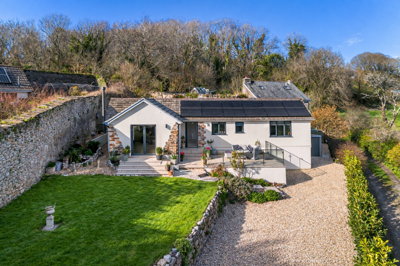
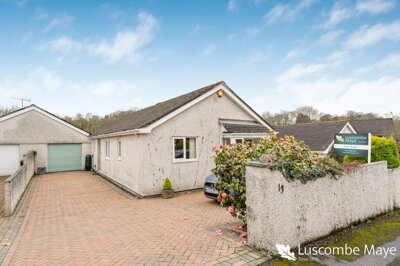
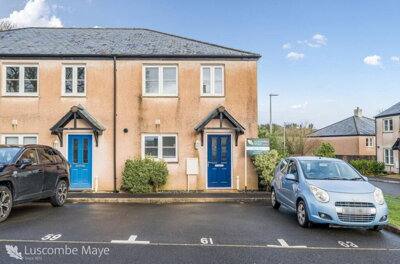
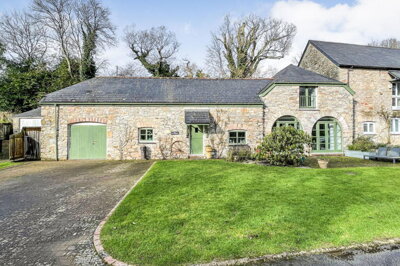
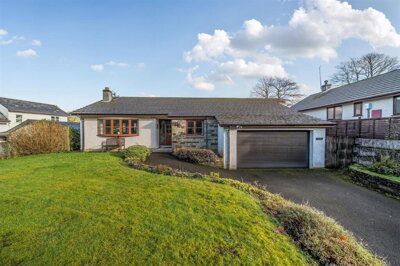
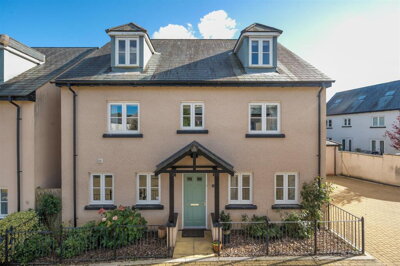
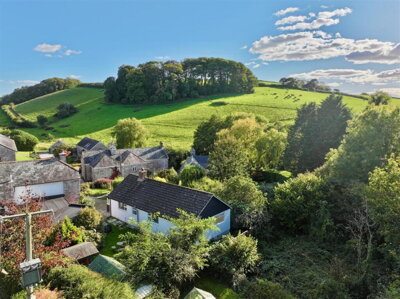
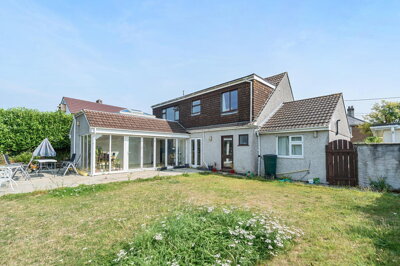
Yealmpton sits in the heart of the South Hams district, a landscape defined by rolling farmland, wooded valleys, and the meandering River Yealm that flows through the village centre. The village has a population of approximately 2,000 to 2,200 residents across roughly 900 to 1,000 households, creating a tight-knit community atmosphere while maintaining good local amenities. Fore Street and Market Street form the commercial heart, with a convenience store, post office, primary school, and several pubs and cafes serving both residents and visitors exploring the South Devon coast.
The geology underlying Yealmpton presents important considerations for property buyers. The village sits on Devonian slate and limestone bedrock with superficial deposits of clay, silt, sand, and gravel along the river valley. This clay-rich geology creates a moderate to high shrink-swell risk, meaning older properties may show signs of movement in extended dry or wet periods. Flood risk is focused along the River Yealm corridor, with properties in low-lying areas adjacent to the river falling within Flood Zone 2 or 3. Surface water flooding can also occur in areas where drainage infrastructure is challenged during heavy rainfall.
Transport connectivity makes Yealmpton practical for commuters. The A379 road provides access to Plymouth and the broader South Devon coast, while Plymouth's railway station offers mainline services to London Paddington and the rest of the national rail network. The village falls within the catchment for good local schools, and the proximity to Plymouth's university, hospital, and naval base creates consistent demand from professional households. The South Hams Area of Outstanding Natural Beauty designation protects the surrounding countryside, ensuring the rural character that makes Yealmpton attractive to buyers.
Yealmpton's Conservation Area covers the historic village centre, including properties along Fore Street, Market Street, and around St Bartholomew's Church. Numerous listed buildings dot the village, including Kitley House and various Grade II listed cottages and farmhouses. Buyers considering older properties within the Conservation Area should be aware that any external alterations require consent, and specialist surveys may be needed given the age and construction methods of historic buildings.










 Connells
-4d ago
Connells
-4d ago