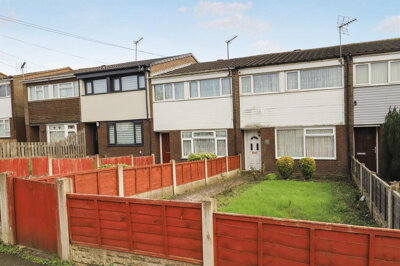
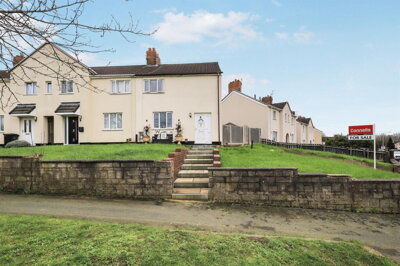
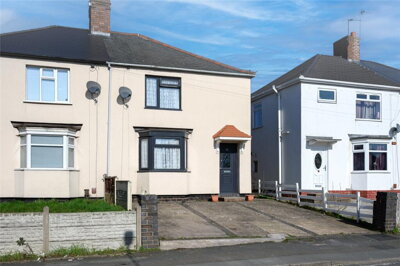
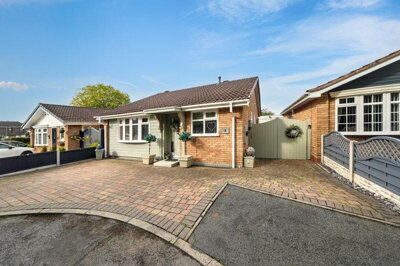
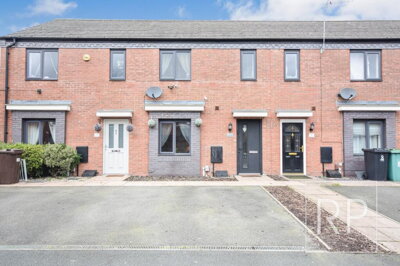
Properties across the WV10 area present several common defects that our team regularly identifies during survey work, and understanding these helps sellers prepare their homes for market. Damp issues are particularly prevalent, especially in the older Victorian terraced houses and period properties found throughout Bilston and Wednesfield. Condensation damp affects many older, less energy-efficient homes with reduced natural ventilation, while penetrating damp commonly occurs due to degraded external brickwork, eroded mortar pointing, or leaking gutters. Rising damp, though less common, affects some pre-1950s properties where damp-proof courses have failed or been bridged.
Roof condition represents another significant concern, particularly for properties built in the 1960s and 1970s in areas like Heath Town and Low Hill. These properties often used concrete roof tiles that are now reaching the end of their expected lifespan, with failing mortar in ridge, verge, and hip tiles a frequent issue. Older roofs more generally require periodic inspection, with common problems including slipped tiles, worn flashing, blocked gutters, and early leak points. Our inspectors regularly recommend roof repairs or replacement for properties approaching 50 years of age.
Electrical safety is a critical consideration across the WV10 housing stock. Homes over 25-30 years old, especially those without electrical upgrades, frequently need rewiring. Signs that indicate electrical problems include frequent fuse trips, flickering lights, sparking or warm sockets, burning smells, or visible cable damage. Older consumer units often lack modern RCD protection, and older wiring systems may struggle to handle the demands of modern appliances, creating potential fire hazards. Sellers should consider obtaining an Electrical Installation Condition Report (EICR) before marketing their property.











 Belvoir
-6d ago
Belvoir
-6d ago