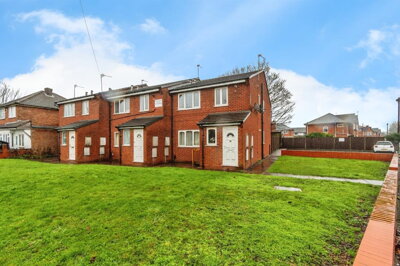
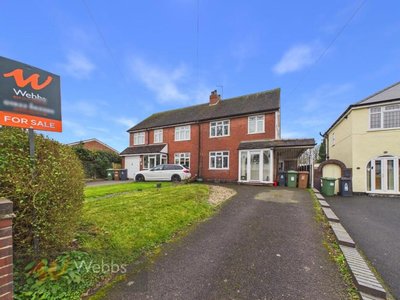
The WS3 postcode covers several distinct neighbourhoods within Walsall, each with its own character. Bloxwich, historically a mining community, offers a mix of terraced and semi-detached housing with strong local community ties. The area has seen regeneration in recent years with new retail developments and improved transport links. Schools in the area include Bloomfield Junior and Infant School and Elmwood Special School, making it popular with families. The former Bloxwich Colliery site has been redeveloped, bringing new housing to the area.
The geology of the Walsall area, including WS3, features Mercia Mudstone Group deposits which contain significant clay content. This geological characteristic creates potential for shrink-swell behaviour in the soil, particularly during periods of drought or heavy rainfall. Property owners and buyers should be aware that properties in the area may be susceptible to subsidence or heave issues, especially those with shallow foundations or trees close to buildings. Our surveyors regularly identify foundation movement concerns in properties across WS3, and a thorough RICS Level 2 Survey is strongly recommended for any property purchase in this area to identify potential structural concerns arising from ground conditions.
The wider Walsall area, including WS3, falls within the West Midlands conurbation and benefits from good transport connections. The M6 motorway is accessible via the A34 and A461, providing links to Birmingham and Wolverhampton. Walsall railway station offers regular services to Birmingham New Street and London Euston via the West Coast Main Line. Local bus services connect WS3 neighbourhoods to Walsall town centre and surrounding areas. Employment opportunities in the area span manufacturing, logistics, retail, and public services, with the intu Merry Hill shopping centre and i54 business park within reasonable commuting distance.
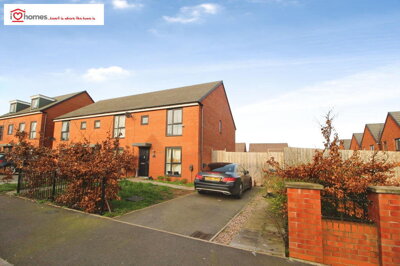
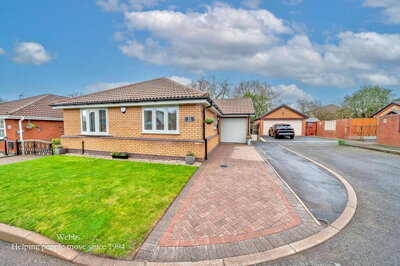
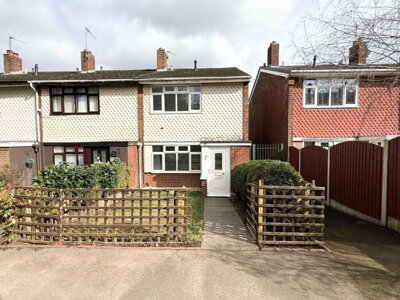
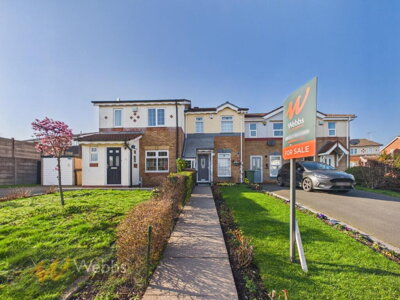
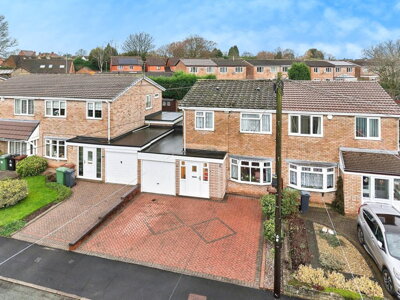
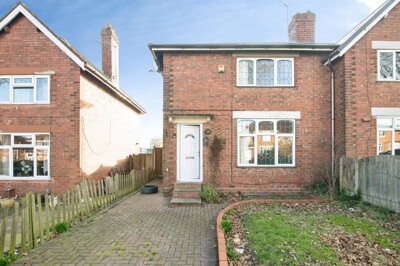
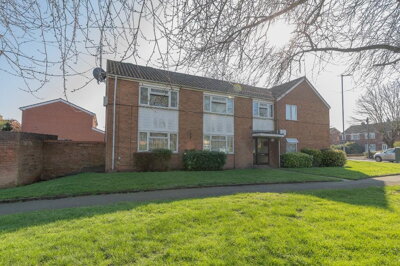
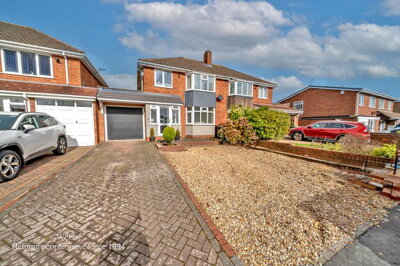
The predominant construction material in WS3 is traditional red brick, with properties typically featuring pitched roofs covered with clay or concrete tiles. Many homes were built using solid wall construction methods common before the 1980s, meaning they may lack modern cavity wall insulation. Given the age of much of the housing stock, our surveyors frequently identify damp issues (both rising and penetrating damp), roofing defects, outdated electrical wiring, and timber defects in properties across this area. The West Midlands also has a legacy of coal mining activity, and properties in some parts of WS3 may require a mining search as part of the conveyancing process.










 Webbs Estate Agents
-8d ago
Webbs Estate Agents
-8d ago