Walsall had a population of 287,900 and 115,700 households at the last census, so this is a sizeable borough rather than a single compact town. Its economy has long been tied to manufacturing, especially leather goods and engineering, and that legacy still shapes the housing around older industrial corridors. Retail at Crown Wharf Retail Park, public-sector employment through Walsall Healthcare NHS Trust and Walsall Council, plus logistics linked to the M6 and M5, all feed the local market. That mix supports a steady flow of movers across WS1, WS2, WS3 and WS9.
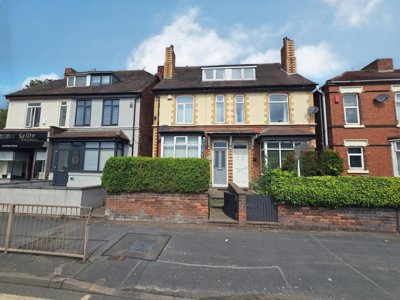
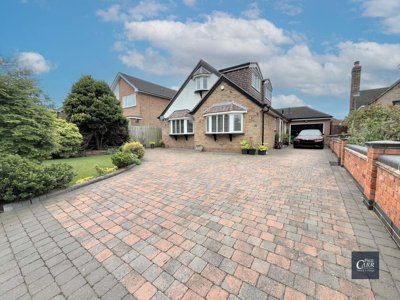
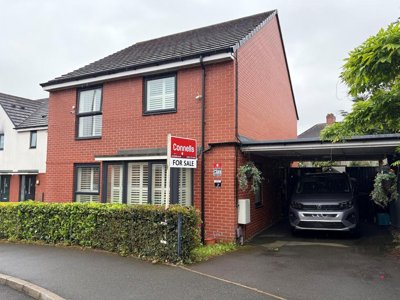
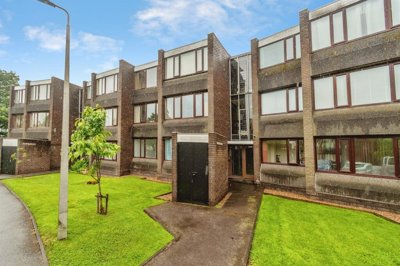
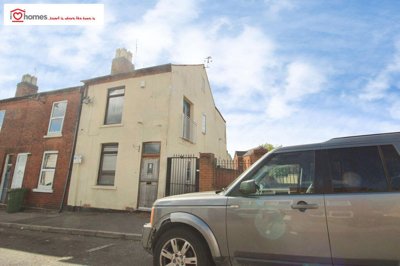
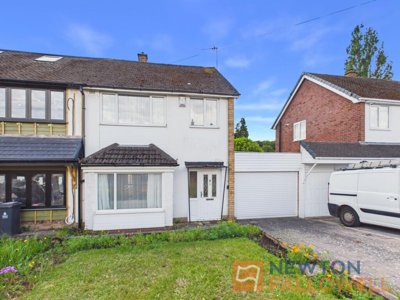
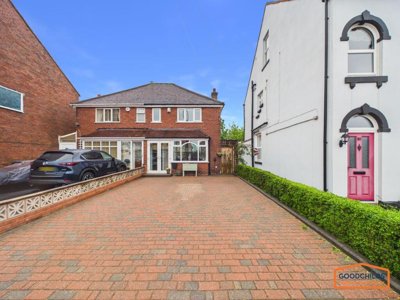
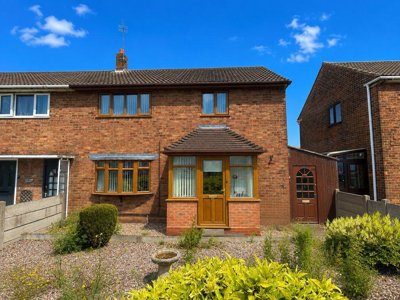
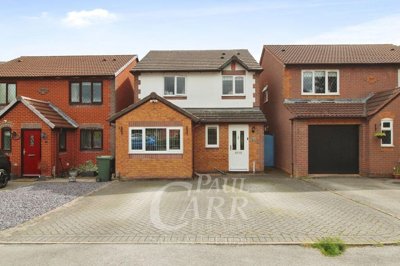
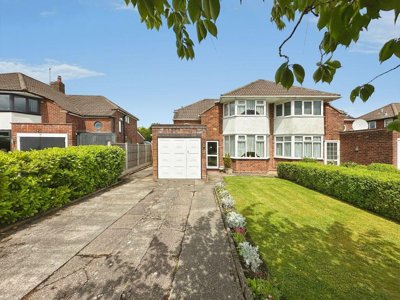
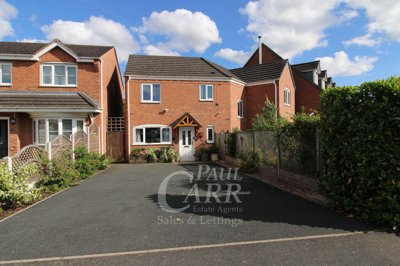
Brick is the dominant building material, usually in red or brown, with pitched roofs covered in concrete or clay tiles. Many of the older homes are solid-wall or early cavity builds, which means roof condition, damp and outdated services come up often in surveys. Mercia Mudstone Group geology and glacial till bring a moderate to high shrink-swell risk, especially where clay content is heavy. That is the sort of local condition a good selling agent should understand, because buyers often ask about movement before they commit.
Flood risk also plays a part in buyer confidence. The River Tame, Ford Brook and Bentley Mill Lane Brook all contribute to fluvial risk, while surface water flooding can affect low-lying pockets across the borough. Town centre areas, Palfrey and parts of Bloxwich have all seen higher attention on flood exposure. Conservation Areas such as Walsall Town Centre, The Chuckery, parts of Aldridge and Great Wyrley add another layer, particularly where listed buildings like St Matthew's Church and Walsall Leather Museum sit close to older streets.
- Population 287,900 shapes a broad housing market
- Mercia Mudstone raises subsidence questions
- River Tame and local brooks affect flood checks
- Conservation areas add value but need careful marketing










 Paul Carr
-2d ago
Paul Carr
-2d ago