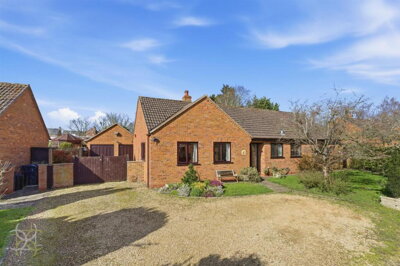
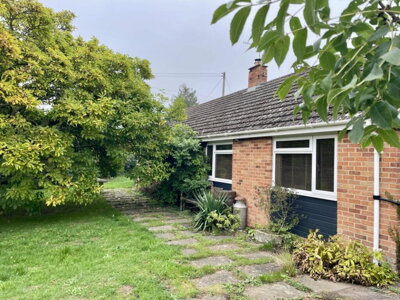
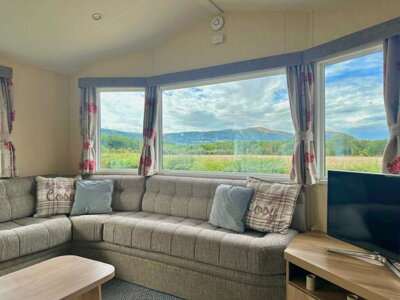
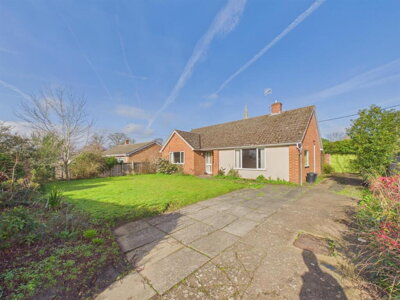
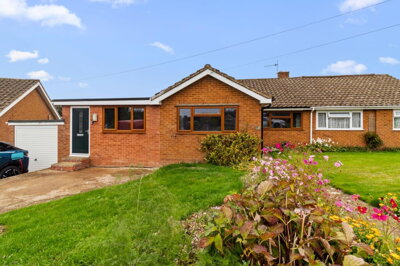
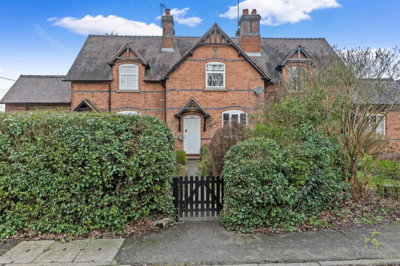
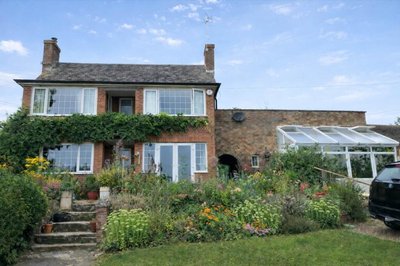
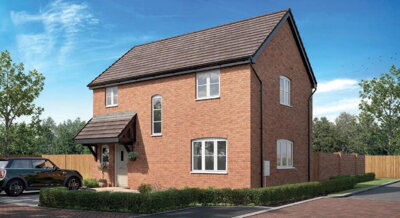
Analysing the bedroom distribution across WR8 reveals clear pricing patterns that can help sellers position their properties competitively. Four-bedroom detached homes command the highest average prices at £630,775, reflecting strong demand from families seeking spacious accommodation with gardens. Five-bedroom properties average £796,000, while the premium end sees six-bedroom homes averaging £1,237,500 and seven-bedroom properties reaching £1,762,500, though these larger homes represent a smaller, more specialised market segment.
The three-bedroom segment, comprising 68 of the 216 current listings, represents the heart of the WR8 market. These properties average £394,509 and appeal to a broad range of buyers from first-time families to upsizers. Two-bedroom properties, with 58 listings at an average of £265,657, offer the most accessible entry point for buyers needing more space than a flat but not requiring four bedrooms. One-bedroom properties average £273,878, showing that while limited in number, these units hold their value in the current market, particularly for buyers seeking lock-and-leave lifestyle options or investment opportunities.
Price per square foot varies significantly across bedroom counts, with flats and smaller terraced properties typically achieving higher per-square-foot values than larger homes. Properties priced in the £300,000 to £500,000 range, which accounts for 79 of the current listings, tend to attract the most buyer interest and achieve sales most quickly. The most active price band in WR8 is the £300k-£500k bracket, representing 37% of all listings - properties here typically sell within 8-16 weeks when priced correctly. Understanding where your property sits within these brackets, and how it compares to recent sales in your specific neighbourhood, is essential for realistic pricing and successful marketing.
The rental market in WR8, though smaller with only 13 listings, shows active interest from agents including Allan Morris with 2 listings averaging £1,258 per month. This indicates a demand for rental properties, potentially from commuters working in larger centres who prefer to rent in the area rather than buy. If you're considering renting before selling, or investing in a buy-to-let property, speak to local agents about current rental yields and demand in your specific area.










 Jones & Associates
-9d ago
Jones & Associates
-9d ago