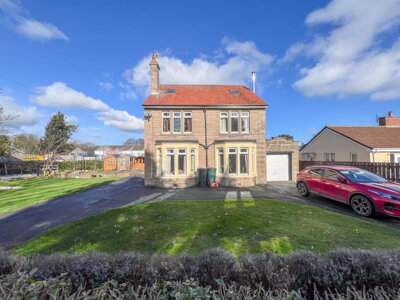
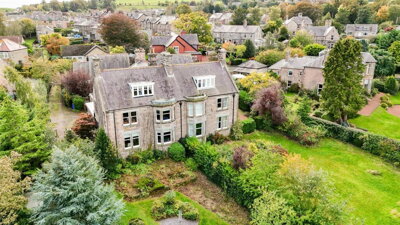
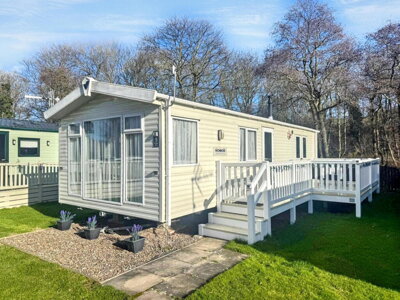
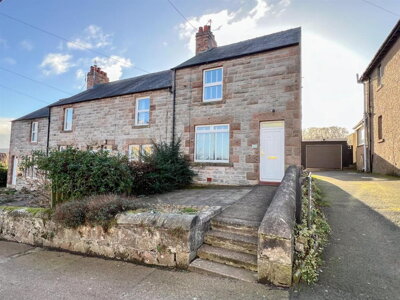
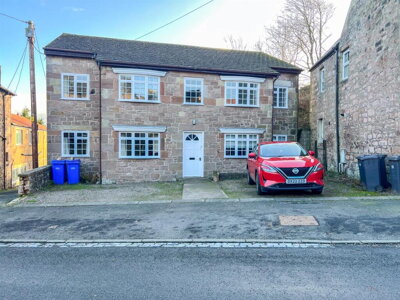
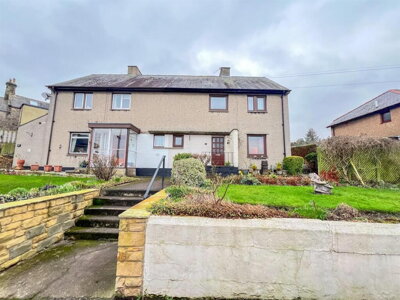
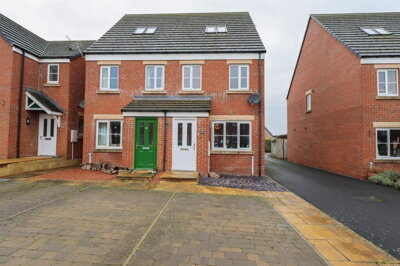
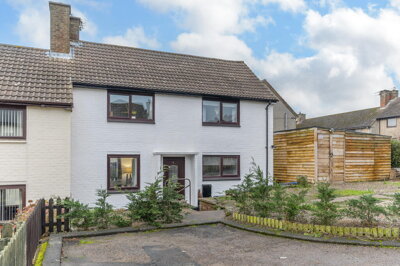
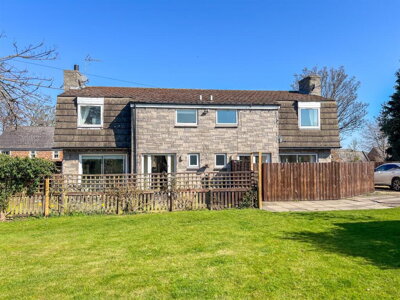
Wooler sits in the beautiful Glendale valley of Northumberland, serving as a gateway to the Cheviot Hills and Northumberland National Park. The town retains its historic market town character with traditional stone buildings, a main street lined with local businesses, and a strong sense of community. The town centre features various amenities including shops, pubs, and restaurants, while the surrounding countryside offers outstanding outdoor pursuits including walking, cycling, and fishing along the River Till. This quality of life factor makes Wooler particularly attractive to buyers seeking a quieter pace while maintaining access to amenities.
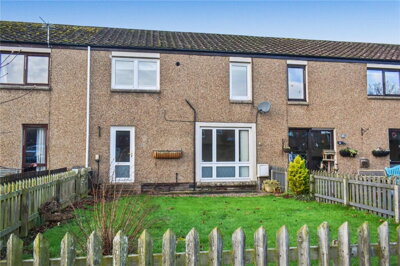
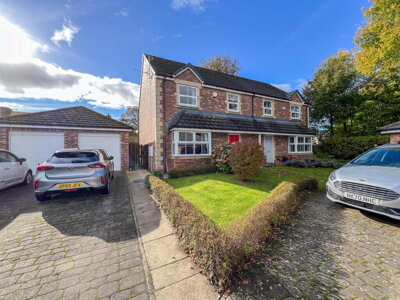
The local geology consists primarily of sandstone and limestone formations typical of Northumberland, with the town situated near the River Till. While specific flood risk data for Wooler was not detailed in searches, the proximity to the River Till suggests potential river flood risk in low-lying areas, and prospective buyers should make appropriate enquiries through the government flood risk checker. The predominant building material is traditional Northumberland stone, giving many properties their distinctive character, with brick and render used in more modern constructions. Understanding these construction types helps when assessing property condition and potential maintenance issues.
As a historic market town, Wooler contains conservation areas and listed buildings, which prospective buyers should investigate through local authority records before purchasing. The property age profile suggests a significant proportion of homes are over 50 years old, meaning common issues associated with older properties such as damp, roof condition, subsidence, and outdated electrics may be relevant. A RICS Level 2 Survey is particularly valuable for such properties to identify any structural or environmental issues before committing to a purchase. Given that many properties in Wooler are constructed from traditional stone, specialized assessment of the building fabric can reveal issues not apparent during a basic viewing.
Economic activity in Wooler centres on tourism, local services, and agriculture, with the town serving as a base for visitors exploring the National Park. The lack of major employers within the town itself means many residents commute to larger towns like Alnwick, Berwick-upon-Tweed, or even Newcastle for work, making the transport connections important for the housing market's long-term viability. The A697 road provides the main route connecting Wooler to surrounding towns, and the nearest railway stations are in Berwick-upon-Tweed or Alnmouth, approximately 20 and 25 miles respectively. This accessibility factor influences buyer decisions, particularly those working in regional centres.










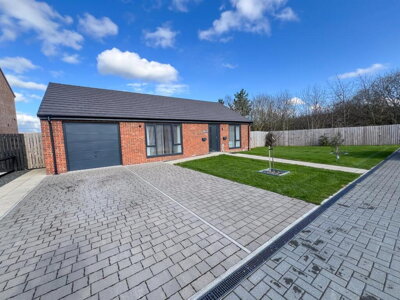 New Build
 Aitchisons Property Centre
-18d ago
Aitchisons Property Centre
-18d ago