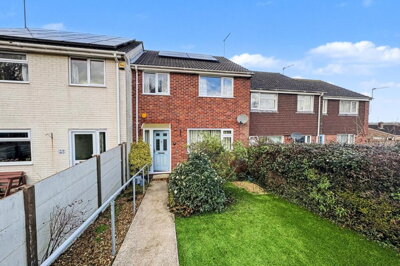
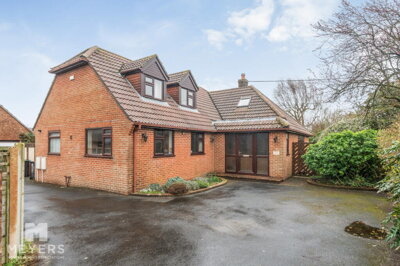
Wool occupies a distinctive position in East Dorset, combining village charm with excellent transport links and significant local employers that anchor the housing market. The 2021 Census recorded a population of 5,377 for Wool parish, which includes the nearby Bovington Camp army base, and the village serves as a natural housing choice for military personnel, MOD civilians, and families drawn to the area's quality of life. The presence of Bovington Camp and The Tank Museum, which attracts over 250,000 visitors annually, provides stable employment and sustains local services, while the emerging Dorset Innovation Park is creating new highly-skilled jobs that attract professional buyers to the area.
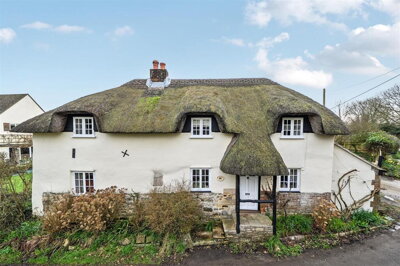
The character of Wool itself is defined by its conservation area, designated in 1975, which protects a remarkable collection of vernacular cottages built from rendered cob, thatch, and local heathstone. Walking through the village reveals architectural heritage spanning centuries, from the 12th-century Church of Holy Rood (a Grade I listed building) to the 17th-century Woolbridge Manor House and numerous C18 and C19 farm buildings along Spring Street and Station Road. This architectural diversity creates a village of real visual interest, but buyers should note that properties in the conservation area may face additional requirements regarding alterations and extensions.
However, prospective buyers must consider flood risk as a significant factor in the Wool property market. The village lies close to the River Frome and River Win, with associated water meadows at risk of flooding during periods of heavy rainfall. Surface water flooding has affected residential areas notably in August 2020 and twice in early 2024, particularly impacting East Burton, Dorchester Road, and areas around Wool station. Properties in low-lying locations or those with a history of flooding may face challenges with mortgage valuations and insurance, so thorough enquiries are essential before committing to a purchase.
The village centre offers practical amenities including a Co-operative supermarket, post office, pharmacy, and several popular pubs and restaurants. Wool railway station provides direct services to London Waterloo, Bristol, and Weymouth, making it particularly attractive for commuters. Local primary schools serve families, while the nearby market towns of Wareham and Dorchester offer additional shopping, healthcare, and secondary education options.











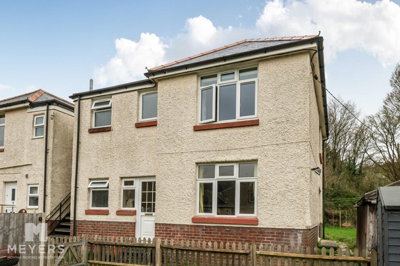
 Meyers Estate Agents
-7d ago
Meyers Estate Agents
-7d ago