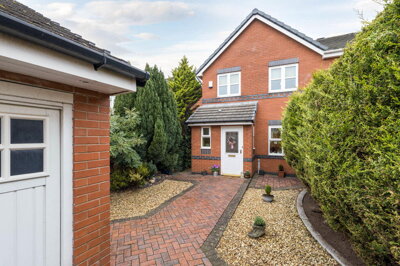
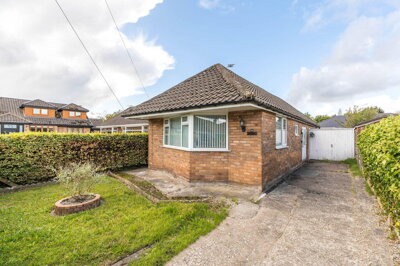
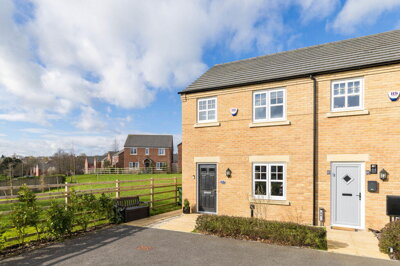
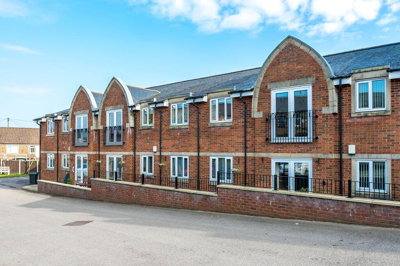
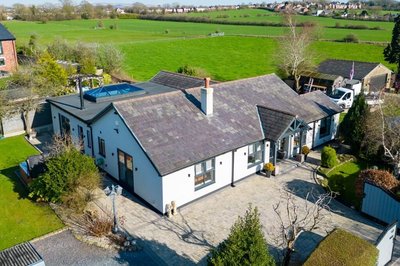
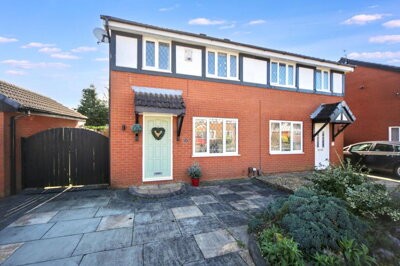
The WN6 postcode encompasses the western parts of Wigan and extends into the attractive village of Standish, offering residents a blend of urban convenience and rural charm. Standish particularly stands out for its character, featuring historic buildings, independent shops, and well-regarded schools that draw families to the area. The broader WN6 area benefits from good transport links to Manchester city centre, with rail services from Wigan North Western station providing direct connections. The A49 and M6 motorway access make the area commutable for those working in Liverpool, Manchester, or further afield, contributing to steady demand from professionals seeking more affordable housing than city centres offer.
The geology of the Wigan area, including WN6, is characterised by coal measures which can be associated with clay and shale soils. This geological background is important for property owners to understand, as clay-rich soils can pose a moderate to high shrink-swell risk, potentially affecting foundations over time. Given the area's industrial heritage, properties in WN6 may also be situated in areas with past mining activity, creating potential for subsidence concerns that warrant proper surveys before purchase. The predominant building materials in the area reflect traditional North West construction methods, with many older properties built from solid brick walls using cavity wall construction for homes built post-1920s.
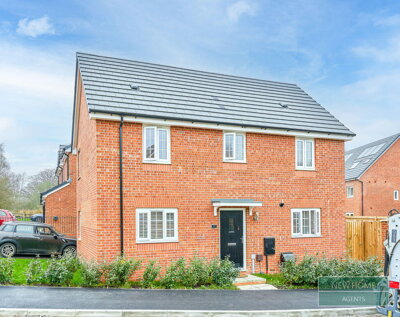
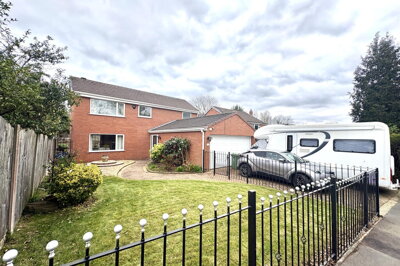
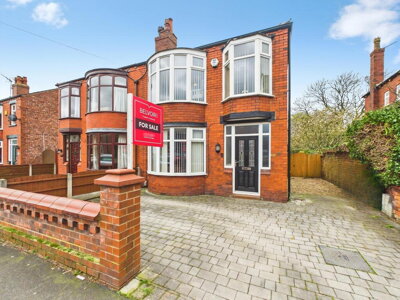
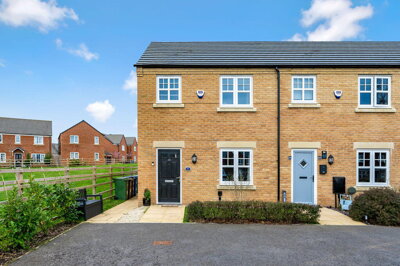
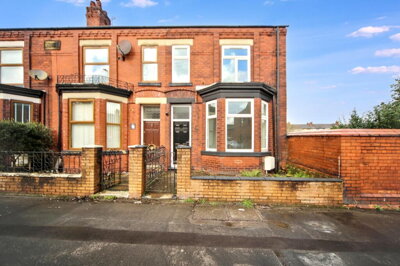
For those considering property purchases in WN6, understanding flood risk is an important consideration. While WN6 is an inland postcode without coastal flood concerns, surface water and river flooding represent potential risks, particularly for properties near watercourses or in low-lying areas. The older housing stock in the area, including the substantial number of period terraced and semi-detached properties, may present common defects such as damp (rising or penetrating), roof issues, timber defects, and outdated electrical or plumbing systems. A thorough RICS Level 2 Survey is particularly valuable for properties over 50 years old, which represent a significant portion of the WN6 housing stock, helping identify any structural issues, potential mining legacy problems, or environmental concerns before committing to a purchase.










 Tracy Phillips Estates
-8d ago
Tracy Phillips Estates
-8d ago