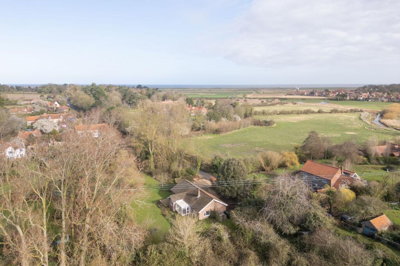
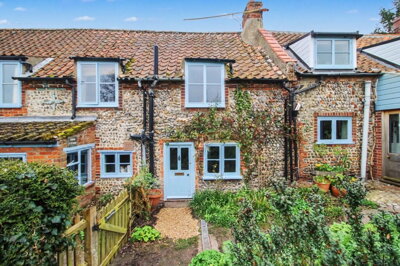
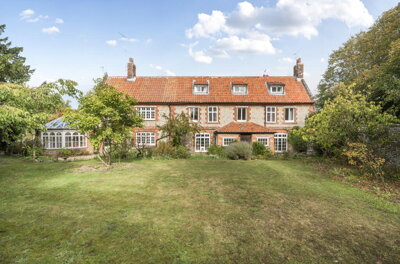
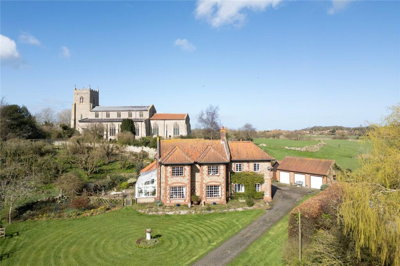
Wiveton occupies a distinctive position in North Norfolk as a small village with enormous character. Located at the northern end of the Glaven Valley Conservation Area, the village is characterised by its historic buildings constructed from traditional brick and flint, a signature material seen in properties like Welcome Cottage. The presence of Wiveton House, a 16th-century historic residence with 18th-century barn and stables, speaks to the area's heritage and architectural significance. A magnificent 14th-century church anchors the village centre, providing a focal point for community life. The Arts & Crafts style extensions added to Wiveton House in 1909 further illustrate the architectural diversity found within this small village.
The local geography creates both opportunities and considerations for property owners. Wiveton's proximity to the Norfolk coast means residents enjoy easy access to marshes, coastal paths, and renowned bird-watching spots at nature reserves nearby. However, this coastal setting brings potential flood risk considerations, particularly for lower-lying properties near watercourses. Surface water and coastal flooding represent the primary environmental concerns, and prospective buyers should factor this into their property surveys. The salt marshes and reed beds that characterise the nearby coastline are part of what makes this area so desirable, but they do require careful consideration when purchasing property.
Transport connectivity serves the village adequately despite its rural character. The nearest railway stations at Holt and Sheringham provide connections to Norwich and Cambridge, while the coast-to-London rail link via Norwich opens up commuting possibilities for those working in the capital. Road connections via the A148 provide access to Cromer and King's Lynn, making regional travel straightforward. Local bus services connect Wiveton to Holt and surrounding villages, though private transport remains essential for many daily requirements. The journey to Norwich takes approximately 45 minutes by car, making it feasible for those working in the city.
The economic profile of the area centres on tourism, leisure, and retirement living rather than traditional industry. North Norfolk has established itself as a prime destination for second homes and holiday lets, with the unspoiled coastline, sailing opportunities, cycling routes, and walking trails attracting visitors throughout the year. Holt serves as the local service centre, offering boutique shopping, restaurants, and the prestigious Gresham's School, which draws families from across the country. This tourism and hospitality economy supports local businesses while creating seasonal demand fluctuations in the rental market. The presence of second home owners also influences the property market, with many properties purchased as holiday lets or weekend retreats.










 Jackson-Stops
-7d ago
Jackson-Stops
-7d ago