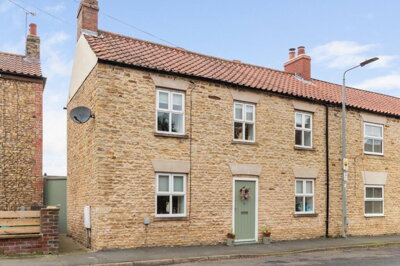
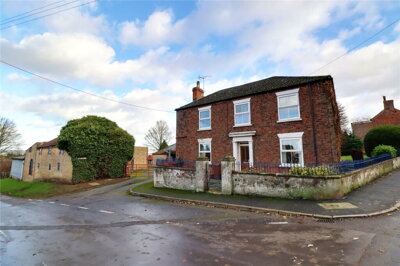
Winteringham is a historic village with a population of 1,173 residents across 515 households, according to the 2021 Census. The village boasts a designated Conservation Area, reflecting its rich architectural heritage, and is home to several listed buildings including the Church of St John the Baptist and various historic houses and farm buildings. This preservation of character contributes significantly to the village's desirability among buyers seeking traditional English rural living with period features and established streetscapes.
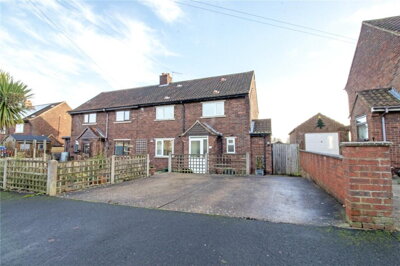
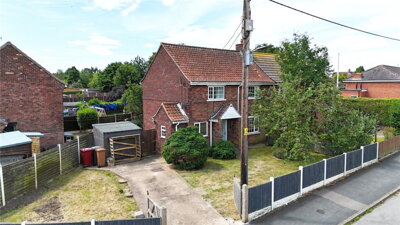
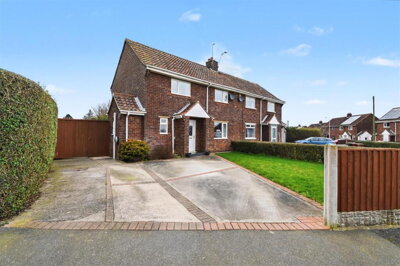
The housing stock reflects this historic character, with detached properties comprising 53.6% of homes, semi-detached at 25.7%, terraced houses at 11.2%, and flats at 9.5%. Property age distribution shows approximately 75% of homes were built before 1980, with 25% dating to the pre-1919 period, 15% constructed between 1919-1945, and 35% from the 1945-1980 era. This mature housing stock means many properties benefit from established gardens and traditional construction methods, though buyers should be aware of potential issues common in older homes such as outdated electrics, original damp-proof courses, and roofing that may need renewal.
The local geology presents important considerations for property owners and buyers alike. Winteringham sits on superficial deposits of till (boulder clay) overlying Jurassic and Cretaceous limestones and mudstones. This clay-heavy substrate creates a moderate to high shrink-swell risk, meaning foundations may be affected by moisture changes during extended dry or wet periods. We regularly see survey reports highlighting foundation movement concerns in properties across similar geology in North Lincolnshire, making a professional survey essential for any property purchase in the area.
Properties closer to the Humber Estuary also face flood risk from rivers and tidal sources, with additional surface water flooding potential across the area. The proximity to the estuary, while providing attractive views and recreational opportunities, means certain low-lying properties require careful consideration regarding flood resilience. Prospective buyers should factor these environmental considerations into their property decisions and ensure adequate surveys address potential risks.
Transport links make Winteringham practical for commuters, with road connections providing access to larger employment centres. Many residents commute to Scunthorpe, where industries including steel production, manufacturing, and logistics provide employment opportunities. The proximity to the Humber Estuary also offers connections to port-related industries, while the village's position allows access to the broader Lincolnshire employment market. Local services in the village centre serve everyday needs, while larger shopping and leisure facilities are accessible in nearby Scunthorpe and Brigg.










 Biltons
-29d ago
Biltons
-29d ago