Wingate sits within the County Durham Clay Plateau, characterised by flat to gently undulating terrain sitting atop soft magnesian limestones. The village's foundations rest on glacial drift, primarily boulder clays, which create specific considerations for property owners. These clay-rich soils present a shrink-swell risk, meaning foundations can be affected by moisture variations, causing subsidence during dry periods or heave when soils become saturated. This geological characteristic makes proper building surveys particularly valuable for older properties in the area.
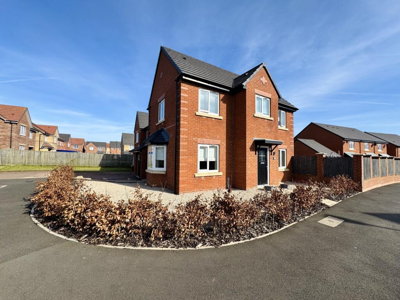
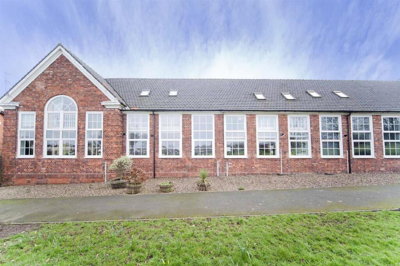
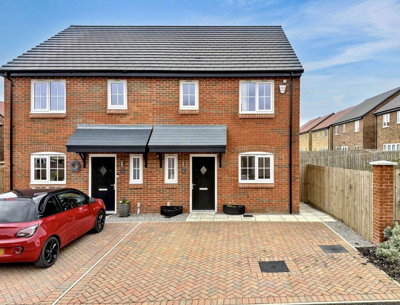
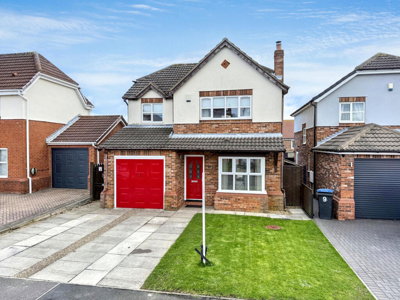
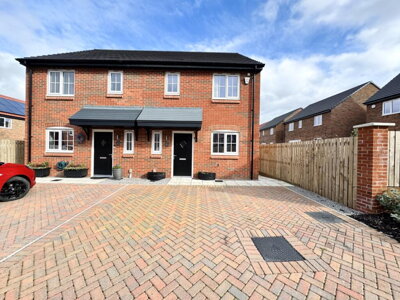
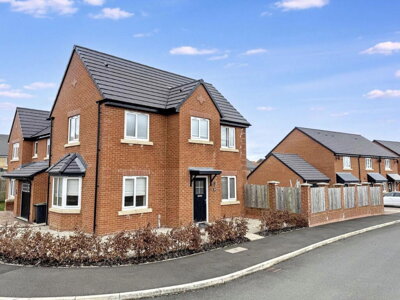
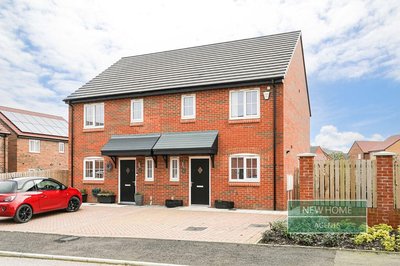
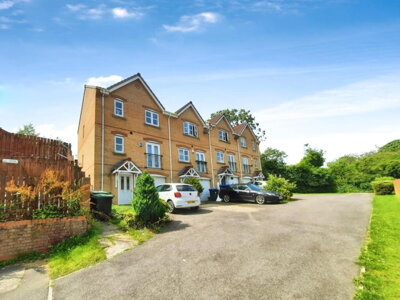
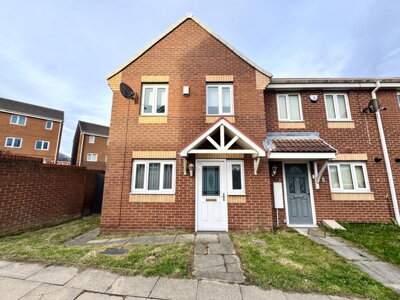
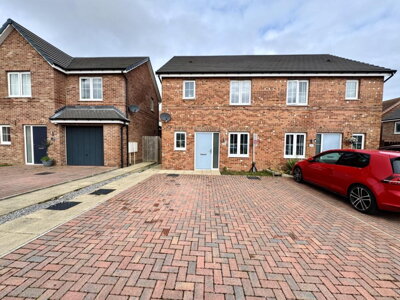
The village's heritage as a former coal mining community, with Wingate Grange Colliery operating from 1839 until its closure in 1962, means buyers should be aware of potential ground stability considerations. Several listed buildings dot the village, including the Grade II listed Church of the Holy Trinity, the Linked Farmbuildings at Hurworth Bryan Farm, and the Wingate Grange Colliery Disaster Memorial, all testament to the area's rich industrial history. The housing stock reflects this heritage, with Victorian terraced properties built from red brick with slate roofs sitting alongside post-war developments and more recent private housing estates.
Demographically, Wingate serves a population of 4,266 residents across 1,881 households, according to the 2021 Census. The village offers practical amenities including shops, primary schools, and public houses, while the wider County Durham economy provides employment across construction, professional services, and advanced manufacturing sectors. Transport links are a genuine strength, with the village positioned for commuting to Durham, Sunderland, and Teesside, making it popular with workers seeking more affordable housing than found in larger regional centres.










 Jan Mitchell Properties
-9d ago
Jan Mitchell Properties
-9d ago