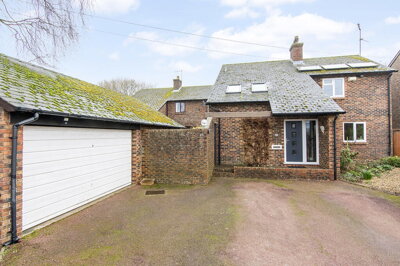
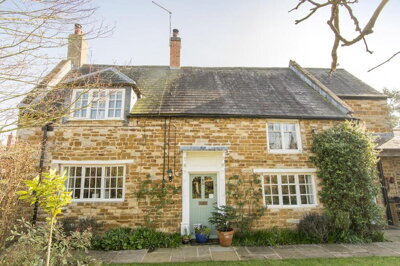
Wilbarston is a traditional Northamptonshire village with a recorded population of 556 according to the 2011 Census, situated in the historic county of North Northamptonshire. The village is characterised by its Conservation Area, which preserves the historic architecture and village layout, and by several Listed Buildings including the Grade I listed All Saints Church. This heritage status significantly influences the character of the village and the type of properties available, with many homes constructed from local ironstone, a distinctive building material of the region. Red brick is also common, particularly for properties built in later periods, and some rendered homes add variety to the streetscape.
The underlying geology of the area presents important considerations for property owners and buyers. The Jurassic period rocks characteristic of Northamptonshire include limestone, ironstone, and clay formations, with the latter presenting particular challenges. Clay soils are susceptible to shrink-swell behaviour, posing potential risks to foundations during periods of extreme wet or dry weather. This geological factor means that subsidence and heave are considerations for property surveys, particularly for older buildings with potentially shallower foundations. Additionally, while Northamptonshire has a history of ironstone mining, Wilbarston itself is not a primary mining area, though a mining search would still be prudent for older properties to rule out any historical shallow workings that could impact ground stability.
Transport links make Wilbarston viable for commuters, with the village positioned between Market Harborough and Kettering, both offering rail connections to London and Birmingham. The local economy balances agriculture with residents commuting to larger towns for employment. Market Harborough, approximately 8 miles away, provides the nearest mainline station with regular services to London St Pancras in around an hour, making it particularly attractive for professional commuters. The village benefits from a range of local amenities including a primary school, public house, and village hall, while larger shopping and leisure facilities are accessible in the nearby market towns.
Flood risk from major rivers is minimal due to the inland location, though localised surface water flooding can occur during heavy rainfall due to the village's topography and drainage characteristics. The Environment Agency's flood risk maps should be consulted for specific property assessments, particularly for properties in lower-lying areas or those with large gardens. For buyers, understanding these local flood risks is an important part of the property assessment process, and we always recommend a thorough survey that takes account of these local factors.











 Adams & Jones Estate Agents
-18d ago
Adams & Jones Estate Agents
-18d ago