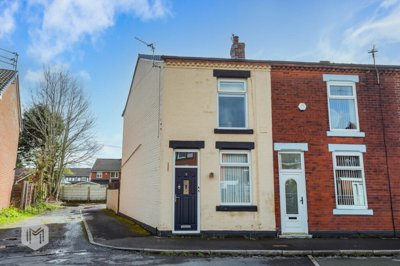
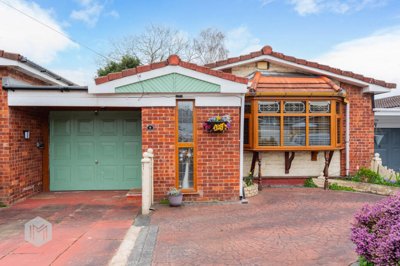
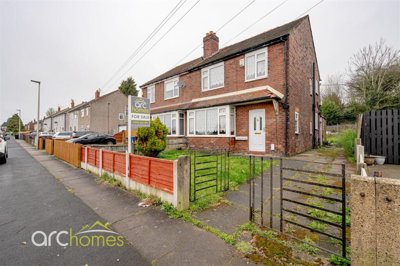
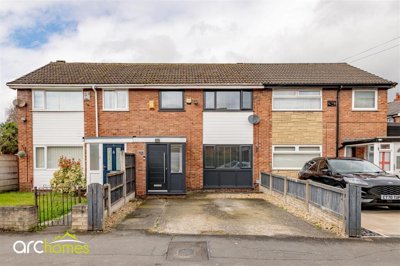
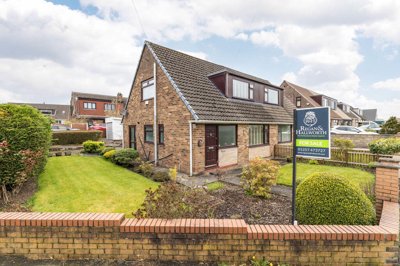
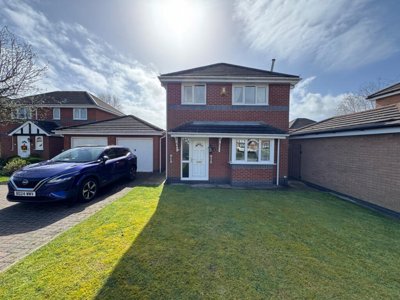
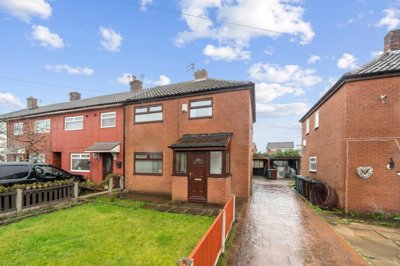
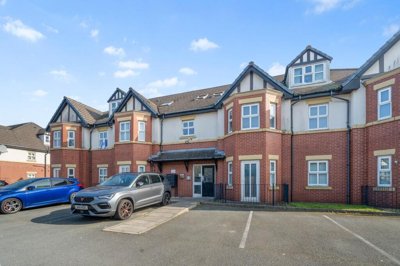
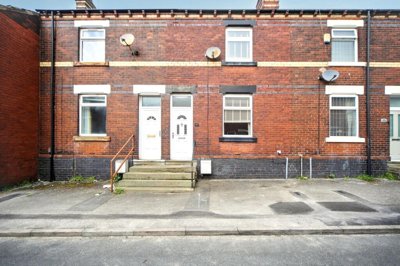
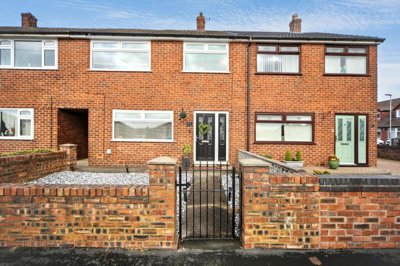
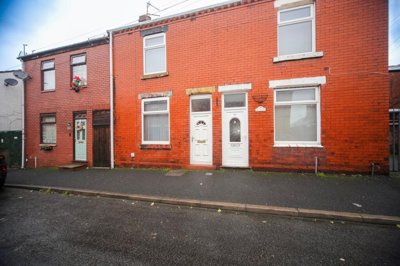
Understanding how bedroom count affects pricing helps you position your property correctly in the Wigan market. Three-bedroom properties dominate the market with 1,849 listings, reflecting strong family demand. These homes average £223,577, offering good value compared to the national average. Two-bedroom properties represent the next largest segment with 1,264 listings, averaging £155,623 and appealing to first-time buyers and downsizers. The prevalence of three-bedroom semis in areas like Pemberton, Whelley, and Goose Green makes this the most competitive segment.
Four-bedroom detached homes command significant premiums, with 637 properties averaging £365,954. These family homes in areas like Standish, Winstanley, and surrounding villages attract buyers seeking space without Manchester prices. Five-bedroom properties, of which there are 105 on the market, average £521,939 and represent the top end of the Wigan market. Properties in this bracket are concentrated in Standish village, the affluent areas near Haigh Hall, and select pockets of Winstanley.
Smaller one-bedroom flats, with just 69 listings averaging £104,132, serve the first-time buyer and investor markets, though stock is limited. These properties are most commonly found in the town centre, near the Grand Arcade, and in converted mill buildings that reflect Wigan's industrial heritage. The distribution shows that Wigan offers accessible pricing at every level, with two and three-bedroom properties providing the best value.
For sellers, understanding this distribution helps set realistic expectations based on your property's bedroom count and the local competition. Six-bedroom homes, of which there are 22 listed at an average of £681,723, typically attract professional families and those seeking multi-generational living space. The rare seven-bedroom properties, with just 5 on the market around the £597,000 mark, represent unique high-end opportunities in Wigan's most desirable locations.











 Clare Davies Collective, Powered by Exp
-1d ago
Clare Davies Collective, Powered by Exp
-1d ago