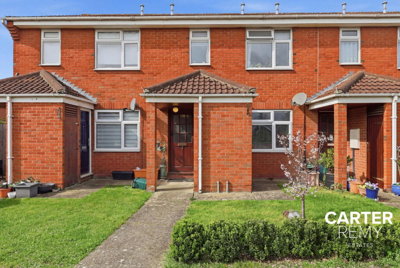
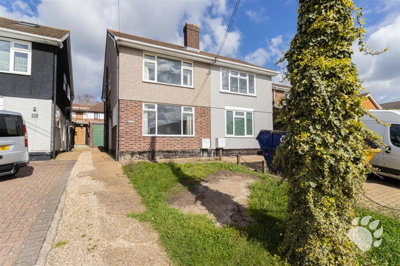
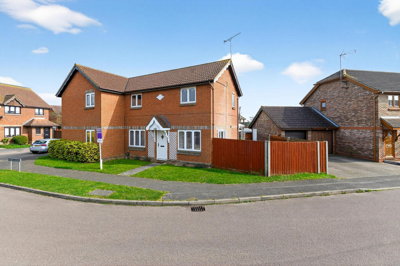
Wickford, with a population of approximately 33,500, occupies a distinctive position in Essex as a town that has managed to retain much of its character while adapting to modern demands. The town centre offers a mix of independent shops, cafes, and high street retailers, creating a commercial hub that serves both residents and visitors from surrounding villages. The presence of the Wickford Conservation Area, with its Appraisal and Management Plan adopted in 2010, demonstrates the town's commitment to preserving its historical architecture and characterful streetscapes.
From a geological perspective, Wickford sits on London Clay, a substrate that presents specific considerations for property owners and buyers. London Clay is known for its shrink-swell potential, meaning it expands when wet and contracts when dry. This characteristic creates a moderate to high risk of subsidence, particularly for properties with inadequate foundations or large trees nearby. Surveyors frequently identify this as a key consideration in their reports, and buyers should factor this into their property assessments. The River Crouch flows through the area, bringing both scenic value and flood risk considerations, with specific areas near the river and its tributaries identified as having elevated flood risk.
Transport connections significantly influence Wickford's appeal as a commuter location. The town benefits from regular train services connecting residents to London and other major employment centres, while road links provide access to Basildon and Chelmsford. This accessibility makes Wickford particularly attractive to workers who need to commute while seeking more affordable housing than central London or the Home Counties command. The local economy encompasses retail, services, and light industrial sectors, providing employment opportunities within the town itself and reducing complete dependence on outward commuting.
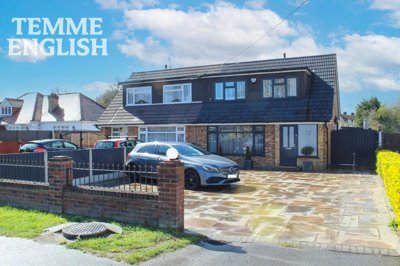
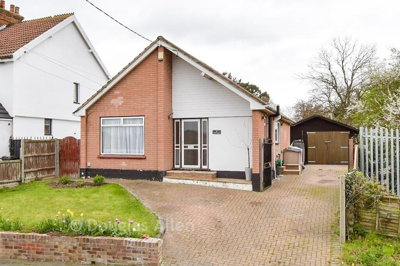
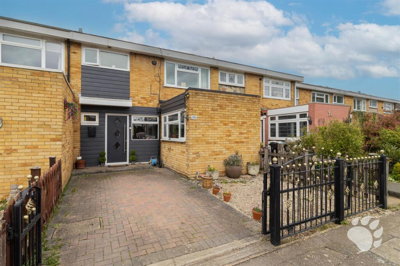
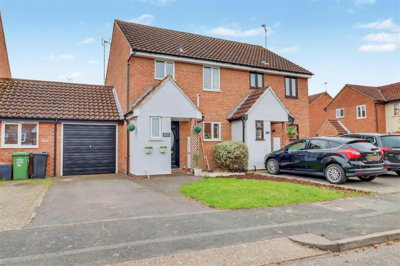
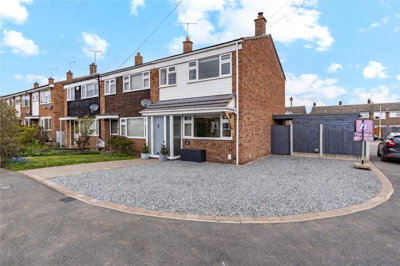
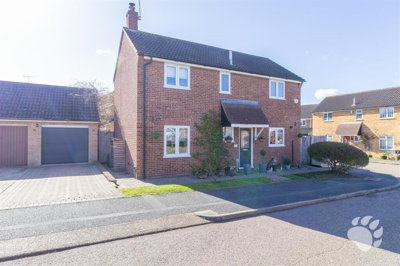
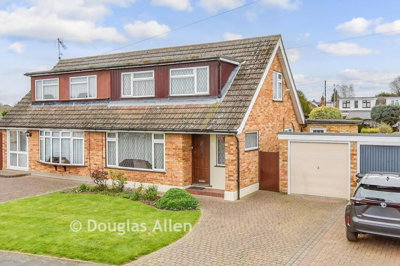
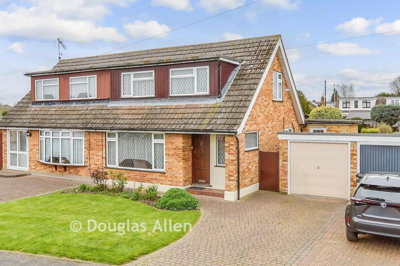
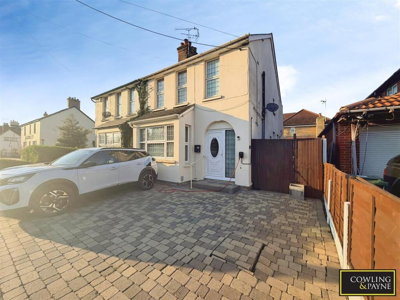
The housing stock reflects Wickford's development history, with significant construction occurring in the post-war period from the 1950s onwards. This means a substantial proportion of properties fall into the 1945-1980 and post-1980 categories, though older period properties also exist throughout the town. Traditional cavity wall construction with brick outer leaves is common, particularly for properties built after the 1930s, while older homes may feature solid brick construction. Roofing typically uses clay or concrete tiles, consistent with typical Essex construction practices.










 Cowling & Payne
-1d ago
Cowling & Payne
-1d ago