Wherwell nestles in the valley of the River Test, one of England's most famous chalkstream rivers renowned for its trout fishing. The village developed originally on a gravel shelf above the valley bottom before extending up the valley sides, creating the characteristic landscape of willow and alder along the watercourses giving way to beech, ash, yew, and oak on the drier slopes. The River Test flows through the village parallel to the High Street, with more than one channel and a wide floodplain nearby, creating the water meadows that contribute to Wherwell's timeless rural charm. The proximity to this famous fishing river attracts buyers interested in countryside pursuits, particularly those with connections to the angling community.
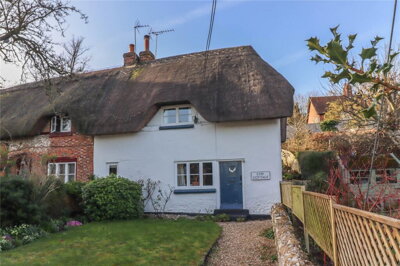
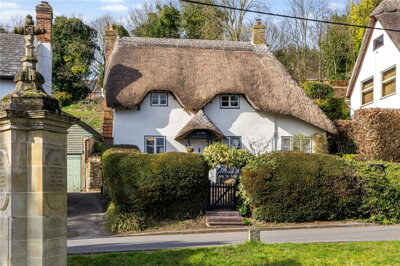
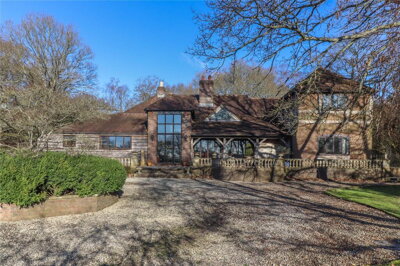
The village's conservation area, designated in 1969 and comprehensively reviewed in 2004, covers most of the village and Priory parkland, excluding post-war development areas. This protection preserves Wherwell's architectural heritage, which includes the Grade II* listed Church of St Peter and Holy Cross and Wherwell Priory, also Grade II*, along with numerous Grade II listed cottages, barns, and the historic Watermill. The predominance of pre-1919 housing stock, including many 16th-century thatched cottages, means the village retains exceptional character that appeals to buyers seeking authentic English country living. Properties within the conservation area may face additional restrictions on alterations and extensions, which knowledgeable agents should be able to explain to prospective sellers.
Flood risk is a genuine consideration for property owners in Wherwell, situated as it is on the River Test's floodplain. The Environment Agency monitors river levels at Wherwell, with a flood alert issued when levels reach 0.65m (low-lying land flooding possible) and property flooding possible above 1.00m. The highest recorded level was 0.62m in March 2008, demonstrating the valley's susceptibility to rapid water level rises during heavy rainfall. Potential buyers should factor this into their property decisions and ensure appropriate insurance coverage. Our experience indicates that flood risk awareness is particularly important for properties along the river corridor and in low-lying areas near the water meadows.
The local geology presents additional considerations for property owners. The combination of alluvial floodplain and chalk downland creates the distinctive landscape, while the presence of clay soils in the broader region suggests potential for shrink-swell subsidence, particularly for older properties with shallow foundations. Properties with large trees nearby may be particularly susceptible to foundation movement as tree roots take up moisture from clay soils. These geological factors underscore the importance of thorough surveys when purchasing in Wherwell, especially for period properties. Our recommended approach includes obtaining a RICS Level 2 Survey for properties under £500,000 and a more comprehensive RICS Level 3 Survey for older or more complex properties, particularly those with significant trees in the grounds.











 Romans
-8d ago
Romans
-8d ago